Best Books for Engineering Managers on Engineering Culture
Engineering culture changes when managers build shared norms, not just org charts: The Manager's Path (Camille Fournier) and The Fearless Organization (Amy C. Edmondson) align leadership style with team learning and psychological safety.
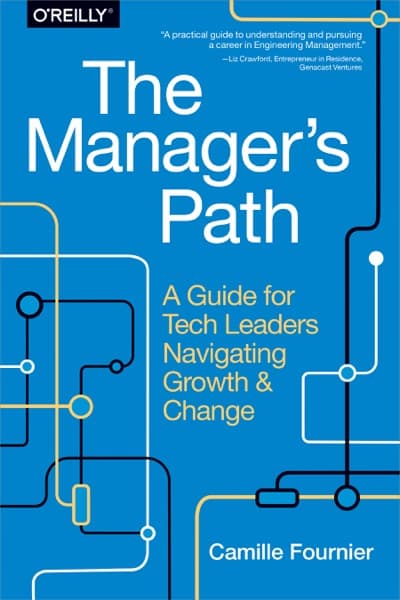
The Manager's Path
Camille Fournier
After reading The Manager's Path, you stop treating culture as “soft stuff” and start running it through your day-to-day: 1:1s, delegation, and coaching up the org.
Culture is built by your behaviors, not slogans.
Fournier translates the manager role into practical moves that shape how engineers make decisions, take ownership, and recover from mistakes. That direct linkage helps when the goal is engineering culture that actually survives scale and change.

An Elegant Puzzle
Will Larson
An Elegant Puzzle gives you a systems lens: small changes in how engineering works can compound into major improvements in reliability, throughput, and organizational health.
Optimize the system, not the hero.
It connects leadership, org structure, and execution mechanics into a coherent model for long-term engineering outcomes. If engineering culture feels chaotic or inconsistent, this book helps you diagnose the system behind it and intervene more precisely.
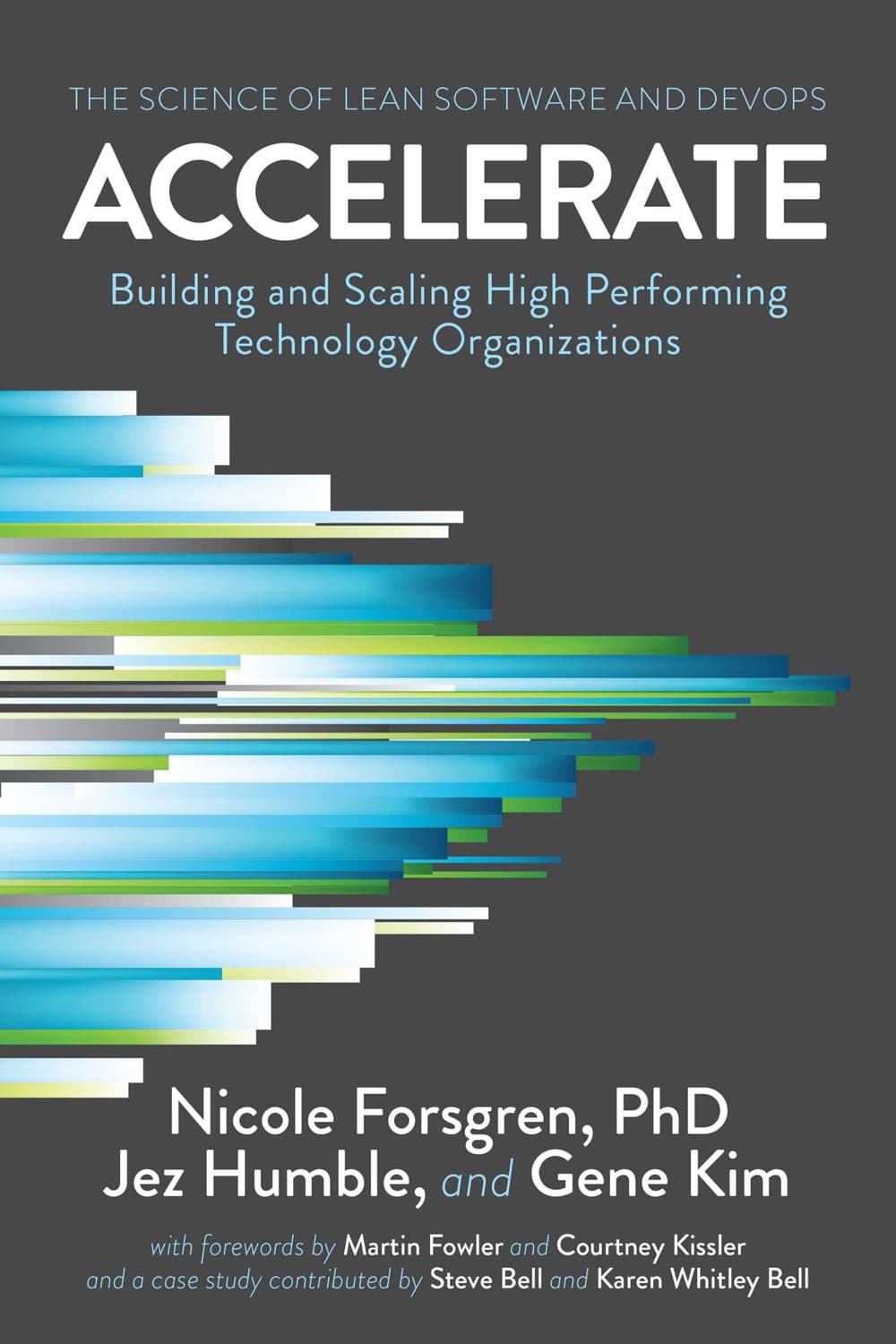
Accelerate
Nicole Forsgren, Jez Humble, Gene Kim
Accelerate turns engineering culture debates into measurable signals like lead time, deployment frequency, and change failure rate.
Four key metrics reflect real engineering performance.
By grounding cultural practices in data, it helps engineering managers make a strong case for norms that improve performance without hand-waving. That matters when you need culture changes that withstand scrutiny from leadership and stakeholders.
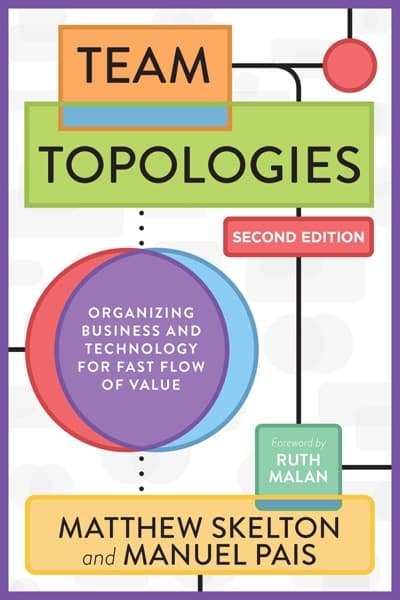
Team Topologies, 2nd Edition
Matthew Skelton, Manuel Pais
Team Topologies changes how teams interact: it pushes culture through clear communication boundaries, enabling teams, and thoughtful interfaces.
Conway’s Law becomes a management tool.
The framework reframes “engineering culture” as repeatable collaboration patterns, not just values posters. For engineering managers, it provides language to reduce friction and align how work flows across teams.
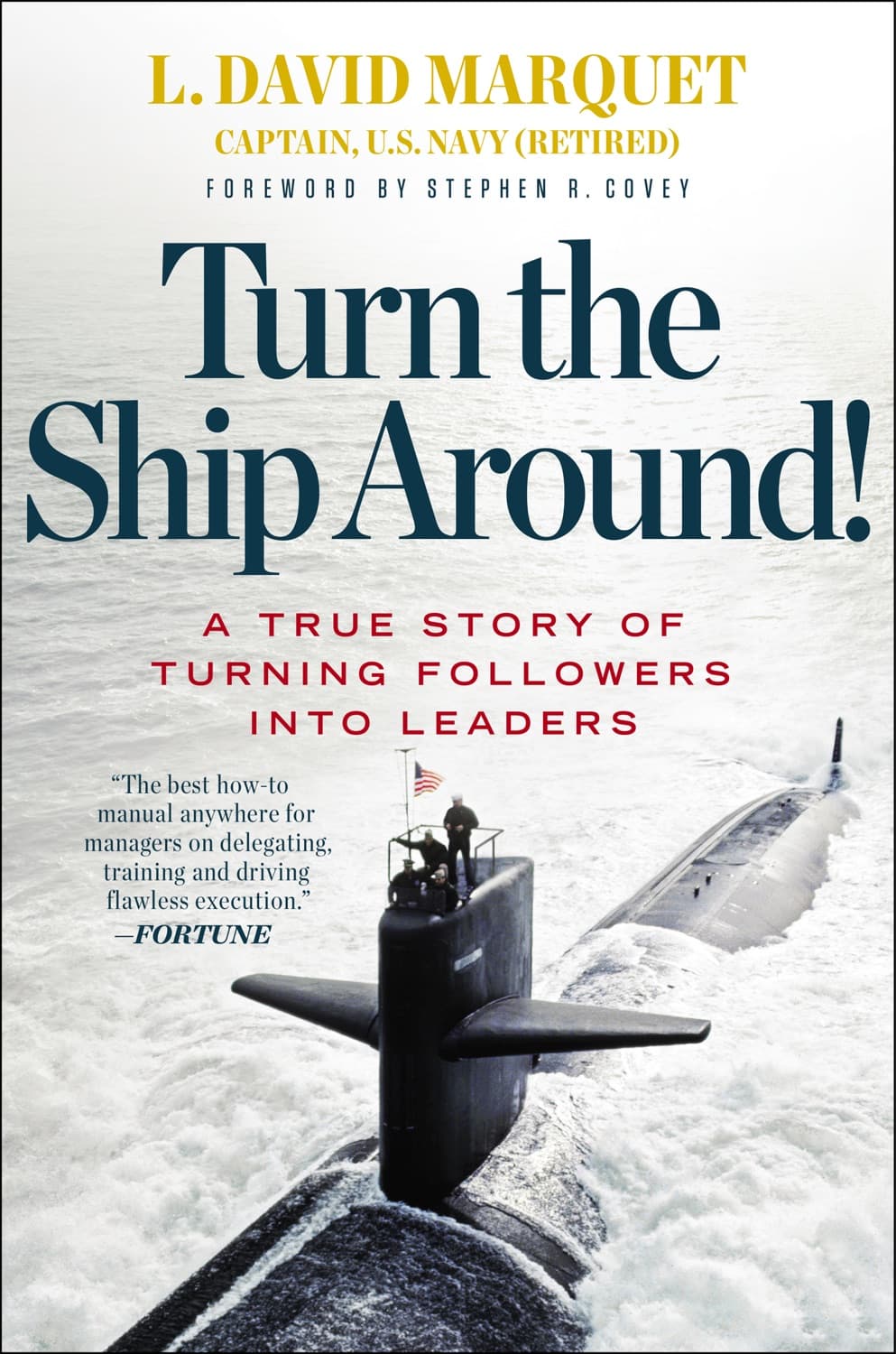
Turn the Ship Around!: A True Story of Turning Followers into Leaders
L. David Marquet, Stephen R. Covey
Turn the Ship Around! reframes leadership as empowering people to take initiative, even when instructions are missing.
Leaders create conditions for initiative, not compliance.
Marquet’s story makes ownership feel concrete: people act with judgment when the environment supports it. That maps well to engineering culture goals like autonomy, faster escalation, and fewer “waiting for permission” cycles.
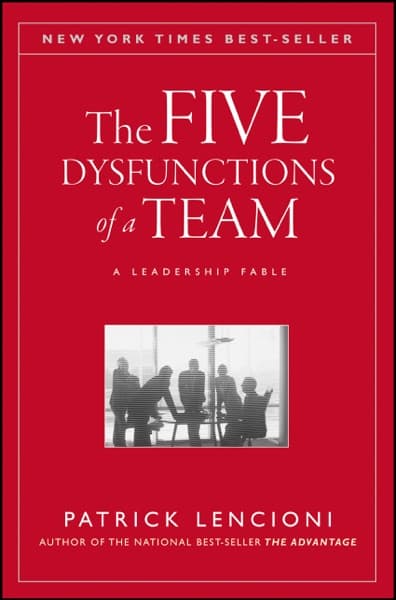
The Five Dysfunctions of a Team
Patrick Lencioni
The Five Dysfunctions of a Team shows how fragile engineering culture can fail quietly: absence of trust becomes conflict avoidance, then accountability collapse.
Trust enables accountability; avoid it and execution decays.
Lencioni gives engineering managers a simple diagnostic for the interpersonal failure modes that sabotage execution and learning. If your teams struggle with candor, clarity, or responsibility, this helps you name the root and address it directly.
Optimize the system, not the hero.
The Fearless Organization
Amy C. Edmondson
The Fearless Organization reframes psychological safety as an active driver of learning, not a “nice to have” culture trait.
Psychological safety increases speaking up and learning.
Edmondson helps managers operationalize safety: how to respond to errors, invite input, and treat speaking up as part of quality. For engineering culture, that shift often determines whether teams surface risks early or hide them.

Radical Candor: Fully Revised & Updated Edition
Kim Scott
Radical Candor forces a culture choice: be direct and kind, so feedback becomes guidance instead of threat.
Care personally, challenge directly.
Kim Scott’s model helps engineering managers set a feedback norm where truth-telling and care coexist. That supports healthy engineering culture by making expectations explicit and repairable before problems harden into dysfunction.
Can we tailor this list for you?
Type your question in the bar below and the AI will tailor a fresh set of picks just for you.