Best Audiobooks for Product Managers
Product management rewards range: fluent movement between customer discovery, positioning, strategy, and the craft of shipping something people use. These audiobooks build that range and hold up by ear, leaning on story and argument rather than the diagrams that make many product books hard to follow off the page.
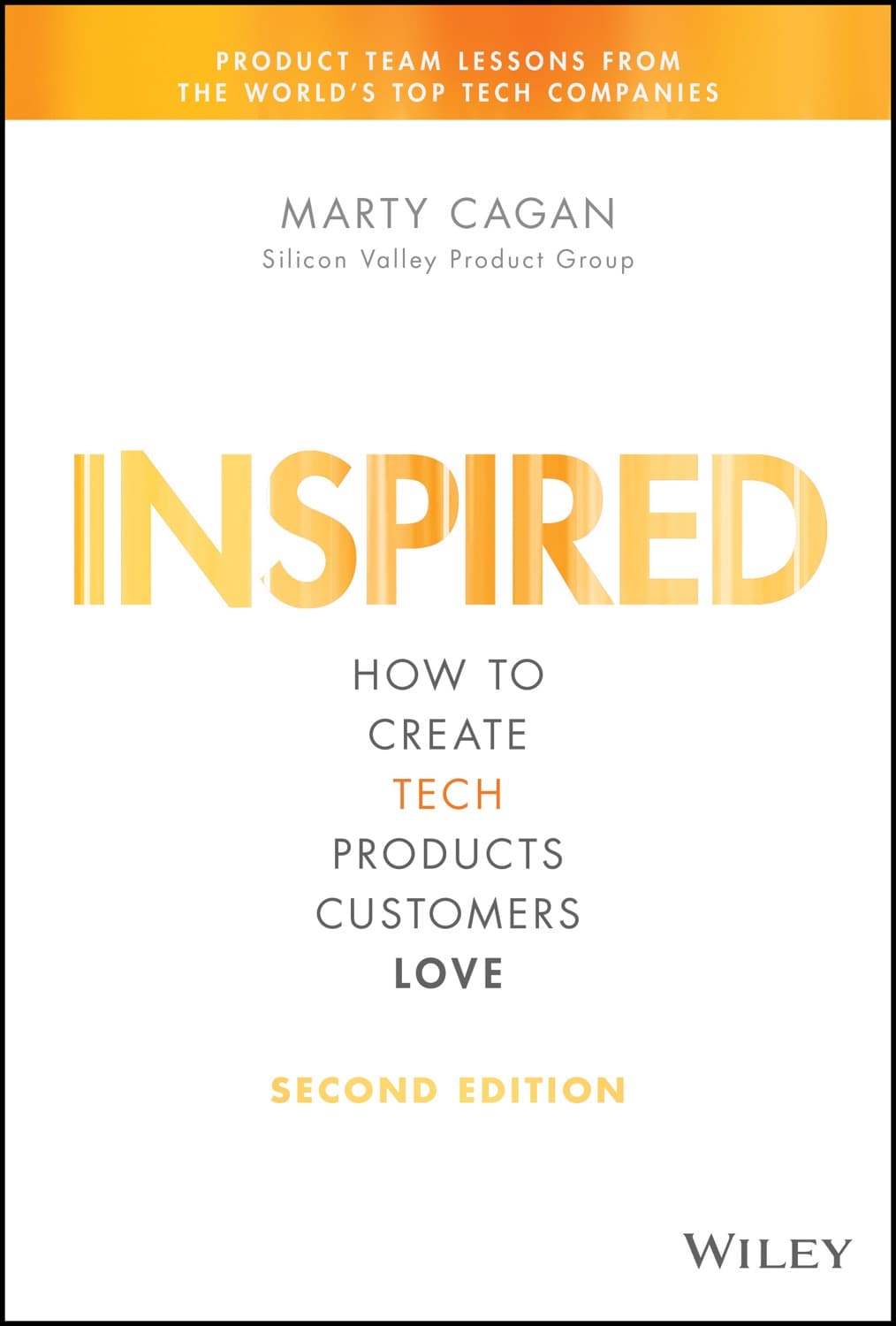
Inspired
Marty Cagan
The modern operating manual for how strong product teams actually work.
Great products come from teams solving problems, not from stakeholders handing down feature lists to build on schedule.
Cagan distills decades advising top product companies into a clear account of how empowered teams discover and deliver what customers genuinely need.
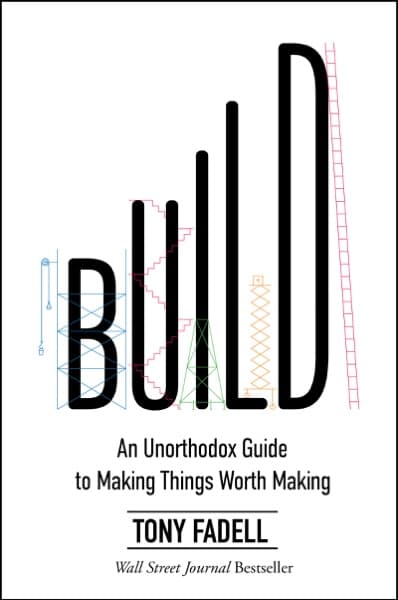
Build
Tony Fadell
The builder of the iPod, iPhone, and Nest on making things worth making.
Every product has to tell a clear story about the problem it solves before anyone will care how it solves it.
Fadell turns the messy reality of shipping hardware and building startups into hard-won lessons on mentorship, decision-making, and knowing when a product is truly ready.
Working Backwards
Colin Bryar, Bill Carr
How Amazon turns ideas into products, from two insiders who ran the machine.
Writing the customer press release before building forces clarity about who benefits and why, long before a line of code exists.
Bryar and Carr explain the mechanisms behind Amazon's product culture, including the six-page narrative and the working-backwards press release, with real examples from inside the company.
The Mom Test
Rob Fitzpatrick
How to talk to customers when everyone is too polite to tell you the truth.
Ask about what people already do, not whether they like your idea, because opinions are cheap and habits are evidence.
Fitzpatrick shows how to run customer conversations that surface real behavior instead of flattering opinions, the skill most product discovery quietly depends on.
Hooked
Nir Eyal
The psychology behind products people reach for without thinking.
Durable products attach themselves to an existing daily routine rather than trying to manufacture a brand-new one.
Eyal breaks down the trigger, action, reward, and investment loop that turns first-time use into habit, with a candid look at the ethics of building for engagement.
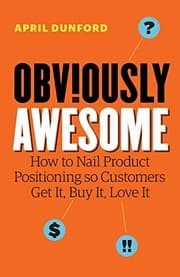
Obviously Awesome
April Dunford
Why positioning, not the product itself, often decides whether anyone buys.
A product with weak positioning looks mediocre; the same product framed against the right competitive alternative looks essential.
Dunford lays out a practical method for positioning a product so customers instantly grasp what it is, who it is for, and what alternative it beats.
Every product has to tell a clear story about the problem it solves before anyone will care how it solves it.
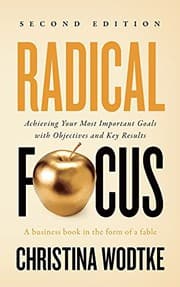
Radical Focus
Christina Wodtke
Goal-setting told as a startup fable about a failing tea company.
An objective without a small set of measurable key results is just a wish the team quietly abandons by week three.
Wodtke wraps a clear system for objectives and key results inside a short story about a struggling startup, showing exactly why most teams misuse OKRs.
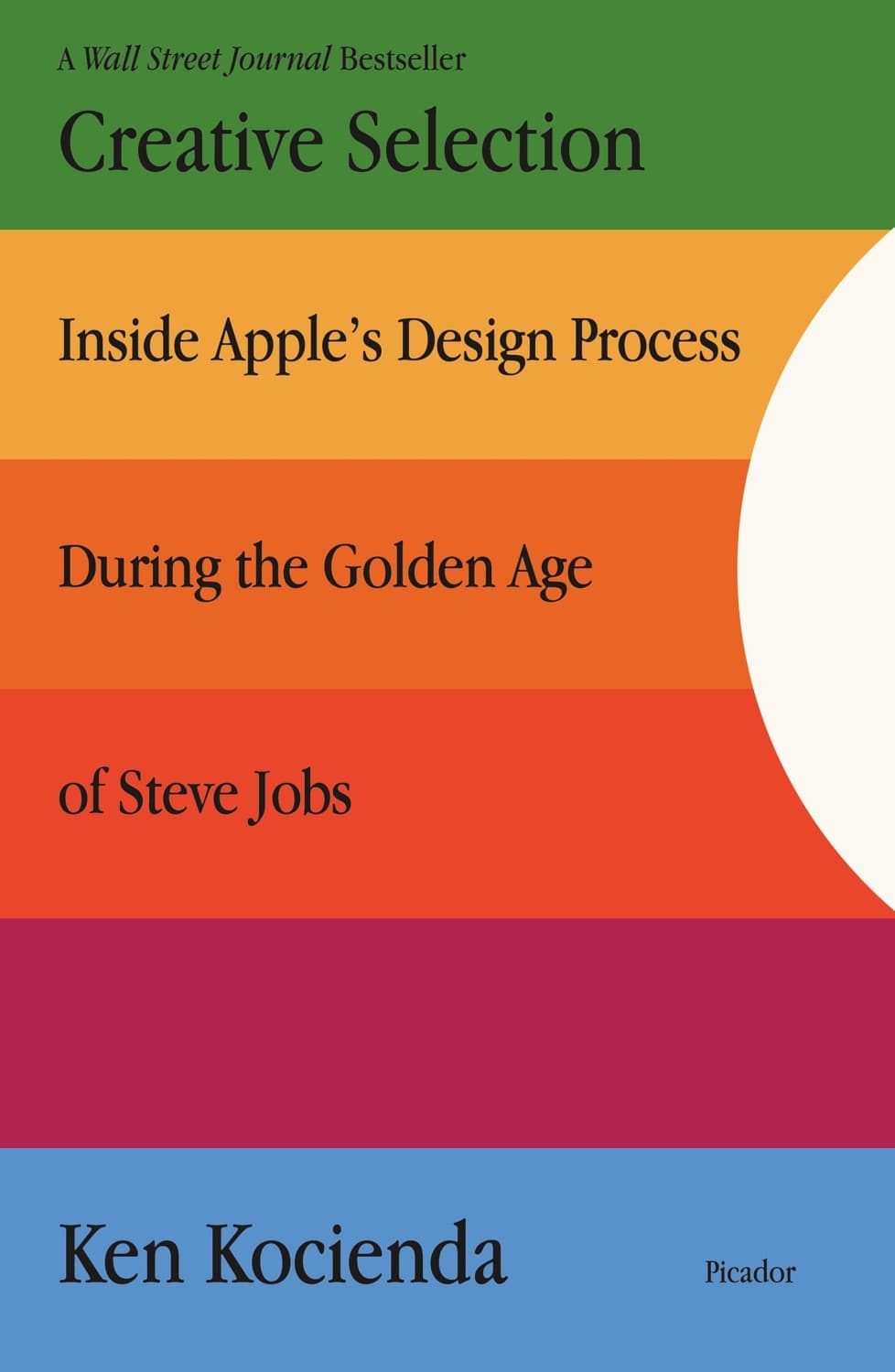
Creative Selection
Ken Kocienda
Inside Apple's demo culture, from the engineer who built the iPhone keyboard.
Progress came from showing a concrete, working demo and reacting to it, not from debating abstractions in a conference room.
Kocienda recounts how Apple refined software through relentless demos and taste, turning the invention of the touchscreen keyboard into a lesson in iterative craft.
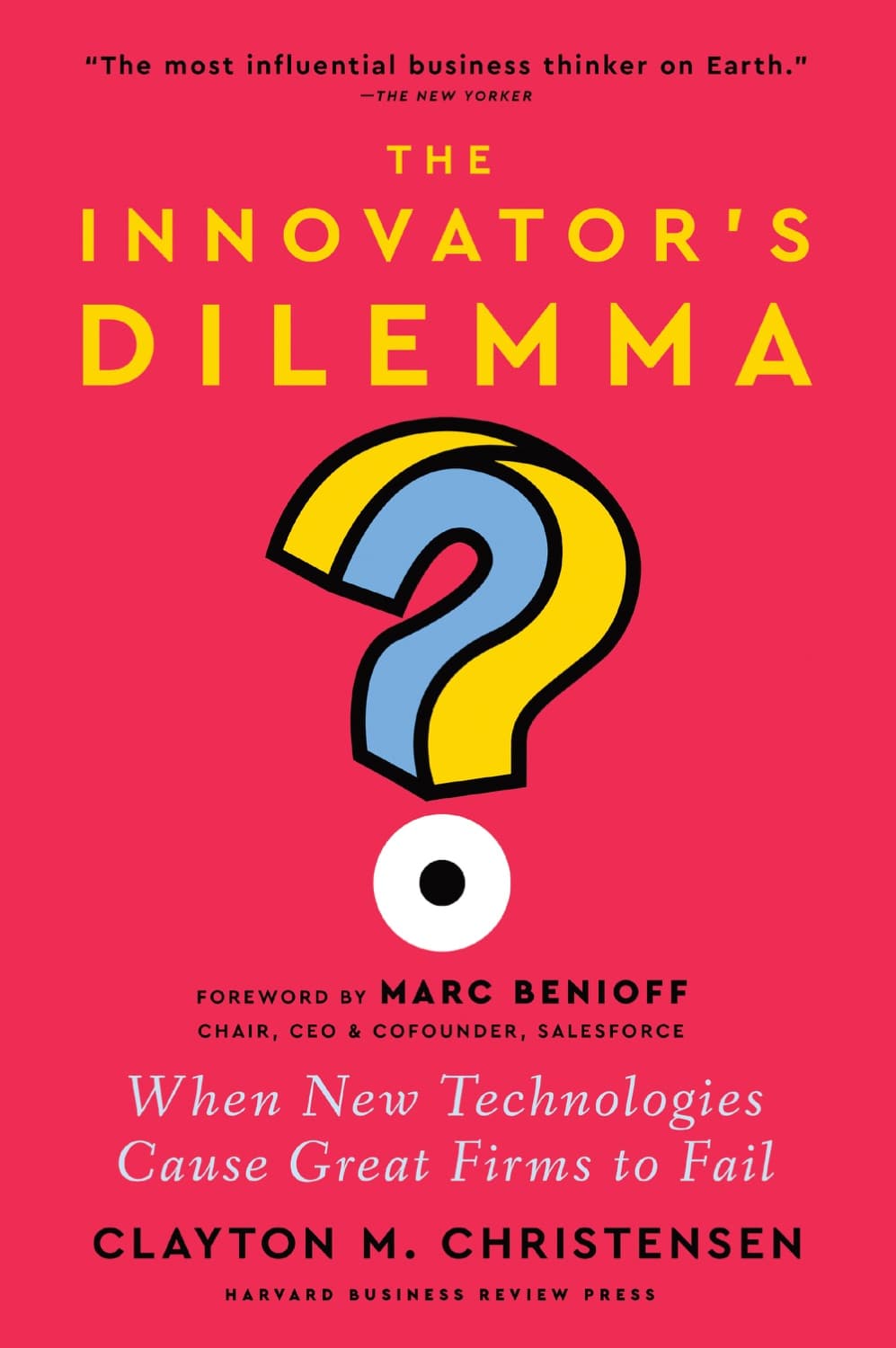
The Innovator's Dilemma
Clayton Christensen
Why well-run companies lose to worse products that get better fast.
Listening only to your best current customers can steer you straight past the cheap, inferior product that will eventually replace you.
Christensen explains how disruptive technologies enter at the bottom of a market and climb until they unseat incumbents who did everything their customers asked.
Can we tailor this list for you?
Type your question in the bar below and the AI will tailor a fresh set of picks just for you.