Best Books on Culture of Remote Teams
Remote-team culture lives or dies on leadership habits and shared norms. Kevin Eikenberry and Wayne Turmel in The Long-Distance Leader, Second Edition plus David Burkus in Leading from Anywhere show how culture actually holds at a distance.
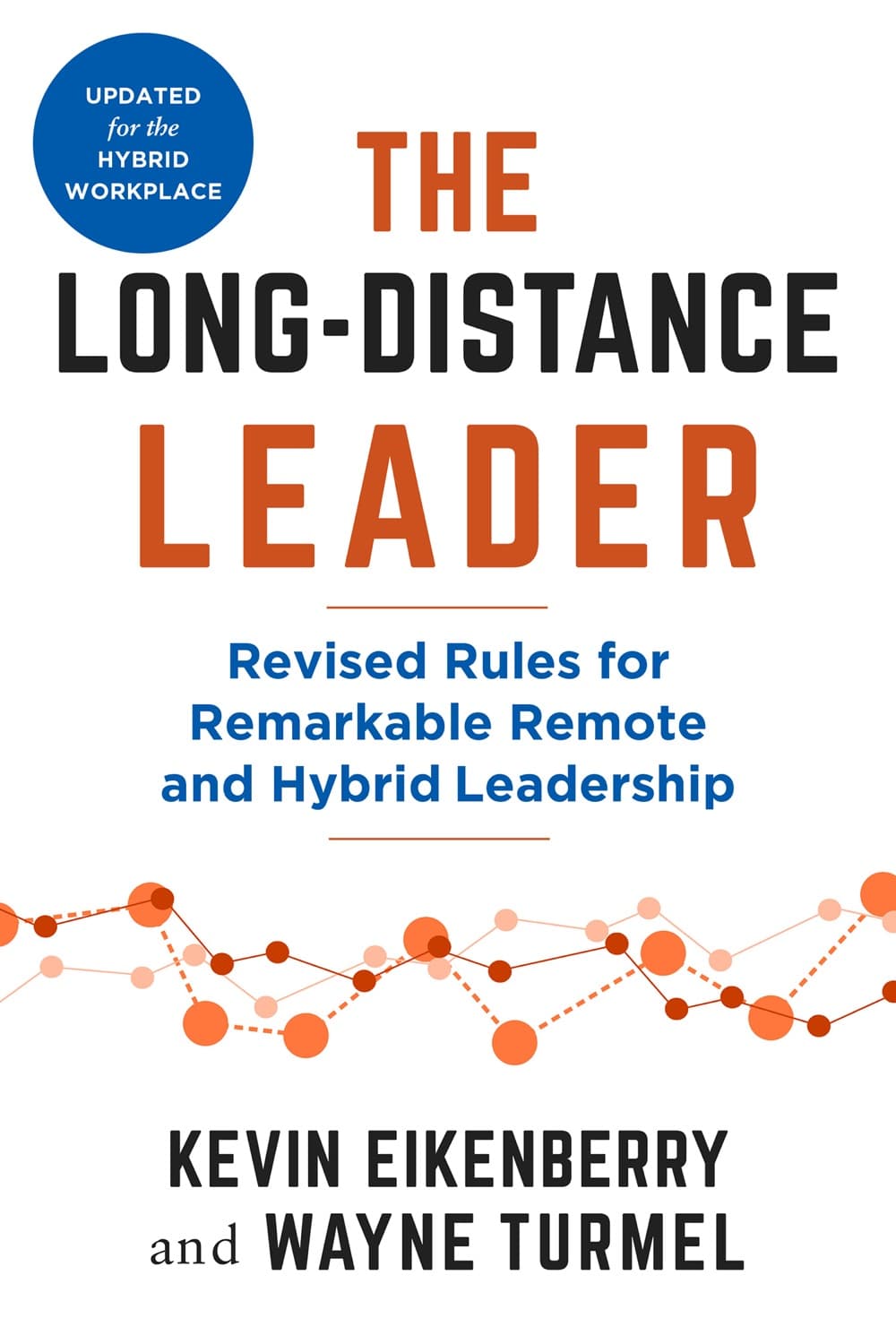
The Long-Distance Leader, Second Edition
Kevin Eikenberry, Wayne Turmel
Culture becomes measurable when you translate “how we work” into routines, language, and decisions that survive time zones and silence.
Culture is built through repeatable leadership behaviors
This book targets the leader’s daily levers: communication cadence, coaching, recognition, and how to shape team expectations across distance. It matters for remote culture because it treats culture as something you run, not something you announce.
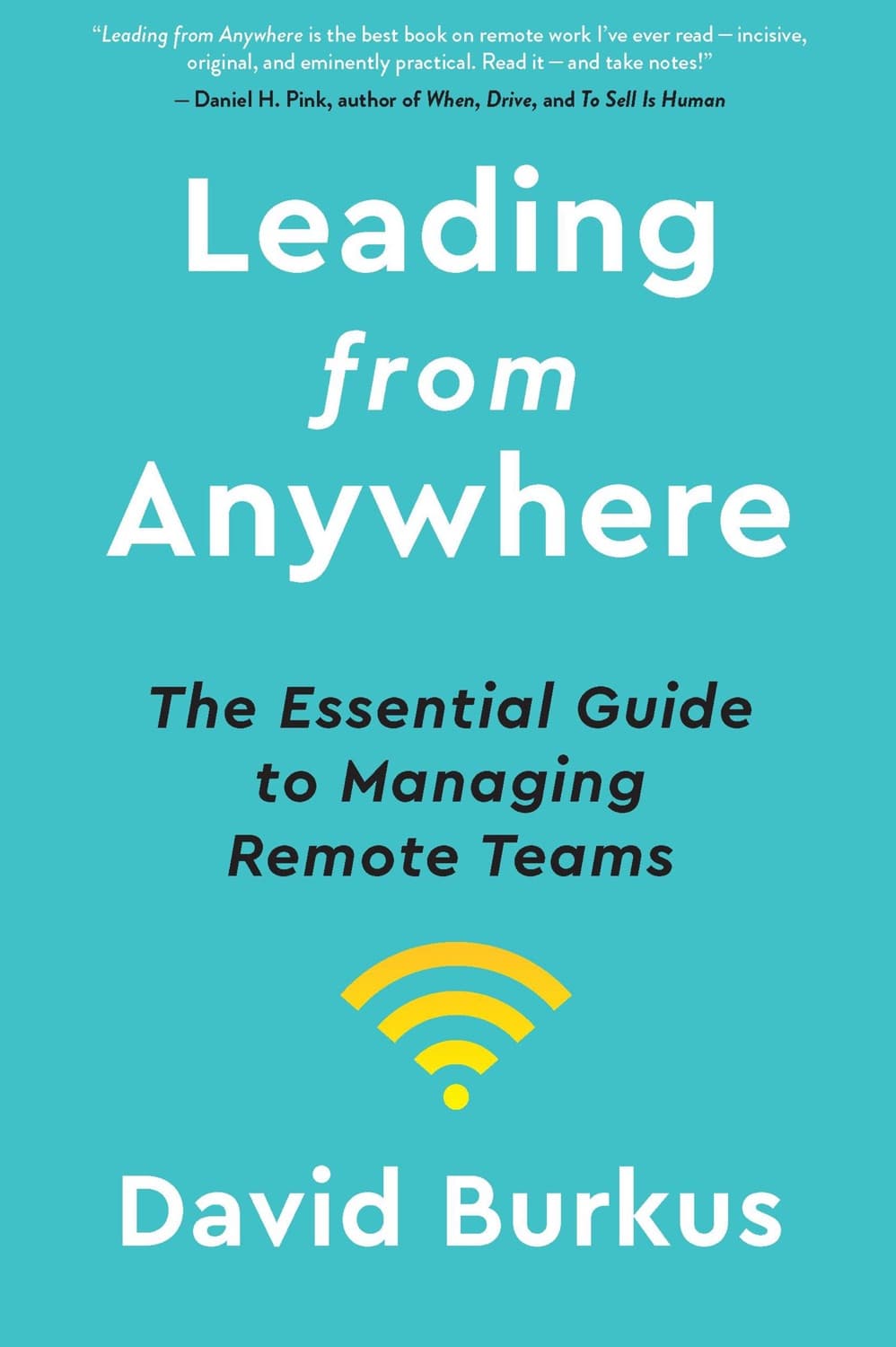
Leading from Anywhere
David Burkus
Remote trust is not a vibe: it’s a skill set you practice through small, deliberate behaviors.
Trust grows from consistent, observable actions
Burkus focuses on the human side of distance work: connection, reliability, and psychological safety. For a remote-team culture goal, that shifts you from “manage tasks” to “grow trust that enables candor and ownership.”
Remote, Inc.
Robert C. Pozen, Alexandra Samuel
Distributed culture fails less from tools and more from mismatched norms, incentives, and decision rules.
Norms and incentives shape collaboration more than software
Pozen and Samuel map how companies build durable collaboration norms in distributed settings. If you want culture (not just remote logistics), this gives a framework for collaboration patterns that scale without burning people out.
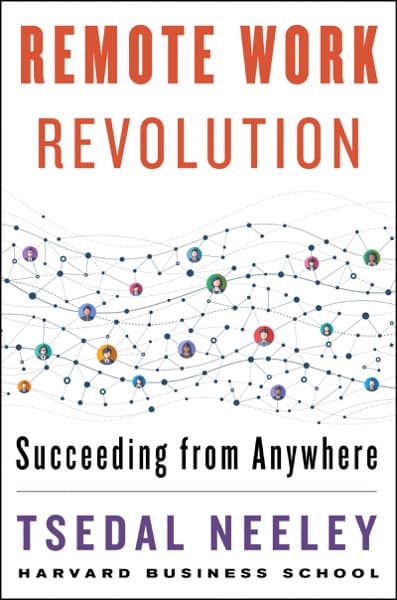
Remote Work Revolution
Tsedal Neeley
Remote inclusion is built through design choices, not after-the-fact empathy.
Inclusion is engineered through information access
Neeley brings evidence and practical management guidance on communication, access, and belonging in virtual work. That directly supports remote culture because it shows how to reduce the “out of sight, out of mind” bias that erodes teams over time.
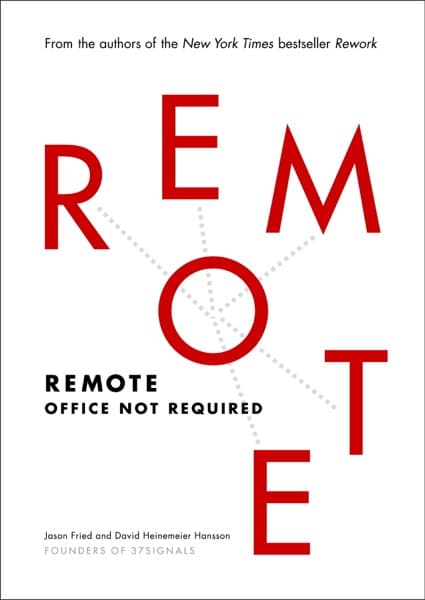
Remote
Jason Fried, David Heinemeier Hansson
Remote culture gets simpler when you stop copying office habits and start designing around focus, written communication, and outcomes.
Async and clarity beat “busy” office mimicry
Fried and Hansson argue for remote-first practices with blunt, tested principles. For culture, their core move is to replace ambiguous social norms with clear expectations that work across distance.
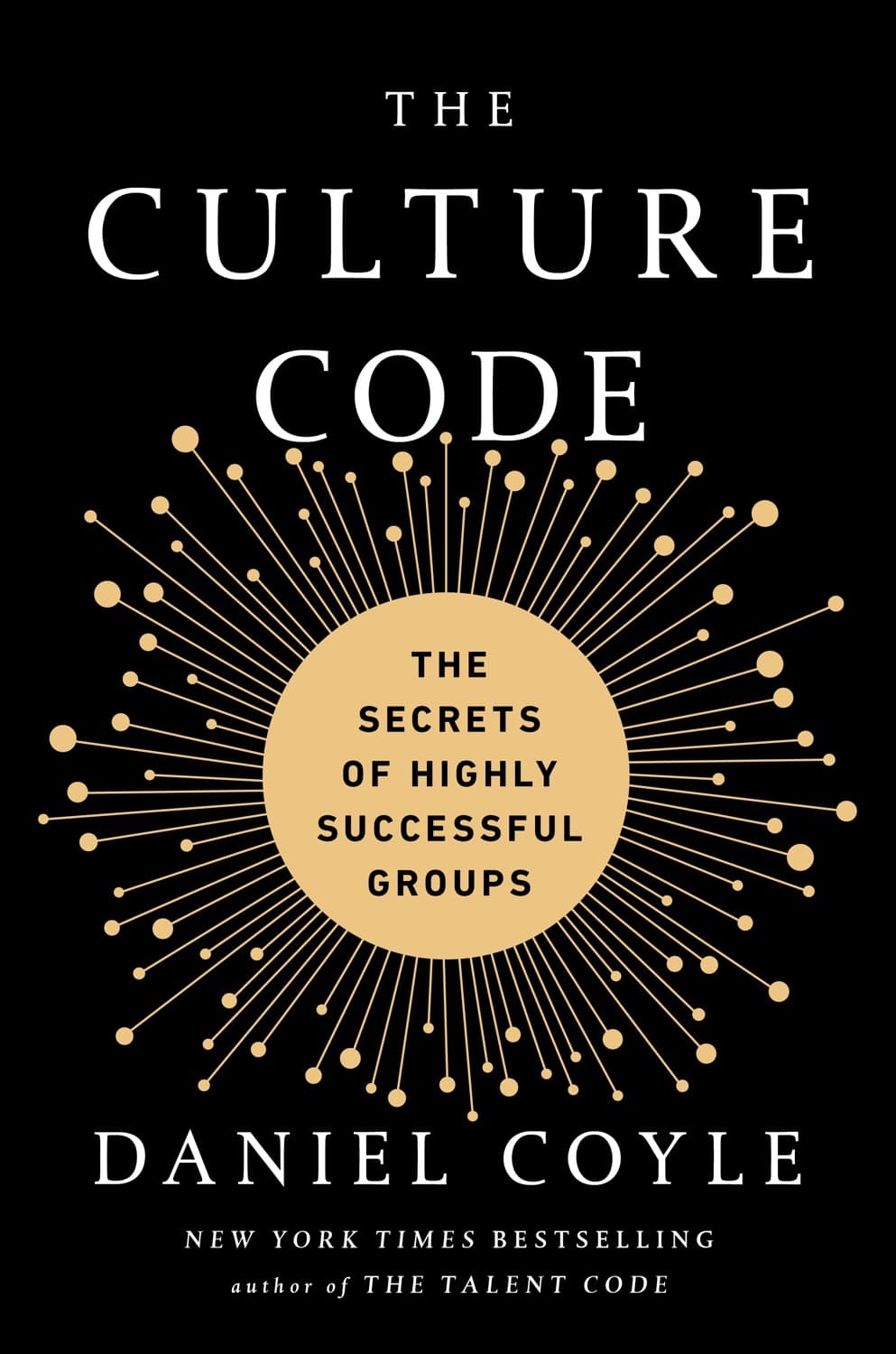
The Culture Code
Daniel Coyle
Great cultures are built by repeatable behaviors that reduce uncertainty and make belonging feel automatic.
Trust comes from safety cues and candor
Coyle distills how leaders create trust, cohesion, and shared identity. For remote teams, those same principles become the lens for designing communication and interaction so people feel safe to contribute.
Trust grows from consistent, observable actions

The Year Without Pants
Scott Berkun
Remote culture at Automattic is less about policies and more about playful autonomy backed by clear operating norms.
Autonomy works when norms and communication are explicit
Berkun offers an insider look at how a remote-first company sustains collaboration through shared practices and community. If you want culture grounded in lived reality, this shows what remote norms feel like day to day.
Can we tailor this list for you?
Type your question in the bar below and the AI will tailor a fresh set of picks just for you.