Best Books on The Economy of Oil
Oil economics stops being abstract once you track it through Daniel Yergin’s The Prize, Michael Ross’s The Oil Curse, and Timothy Mitchell’s Carbon Democracy: markets, power, and institutions all reinforce each other.
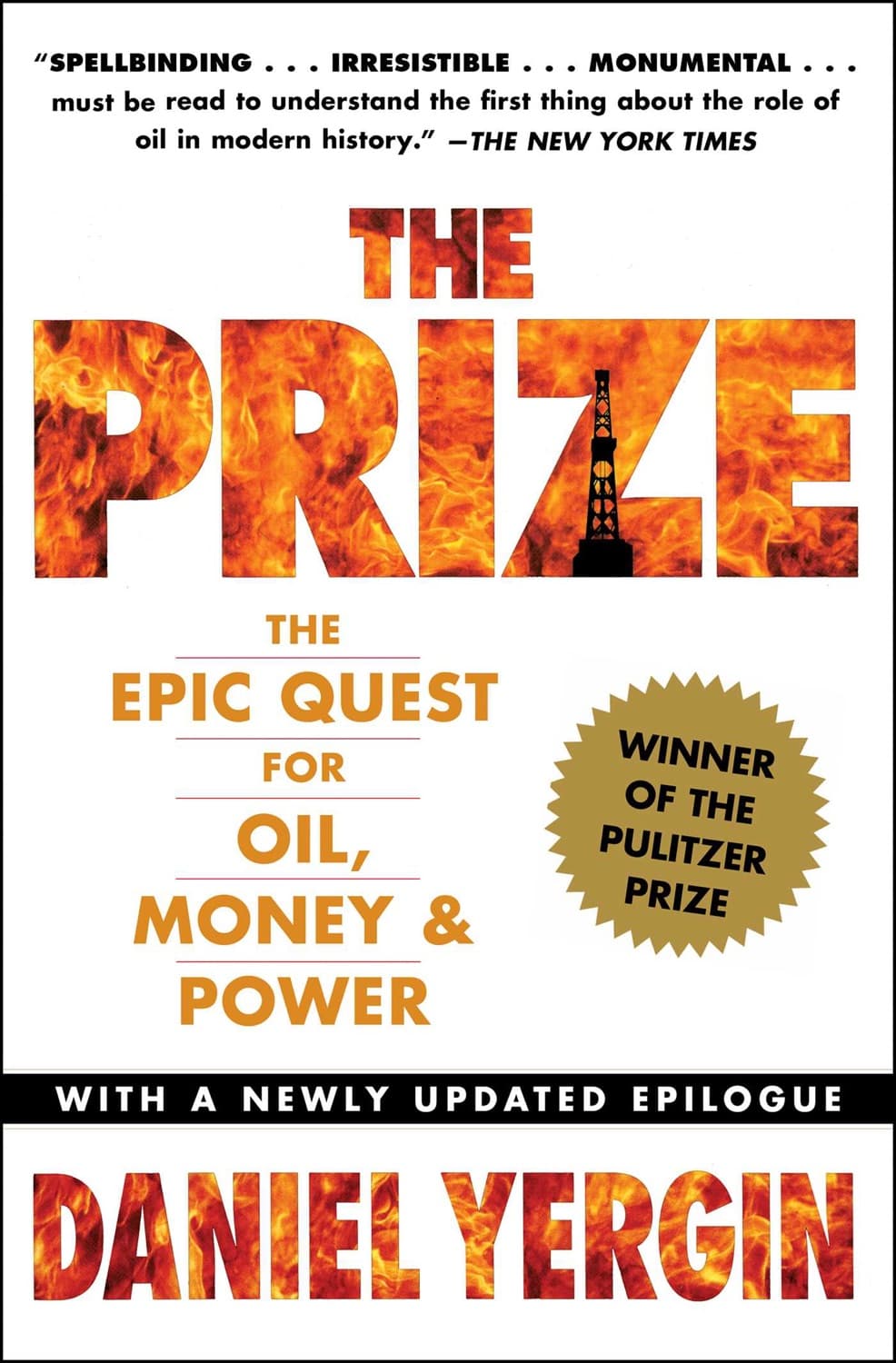
The Prize
Daniel Yergin
Finish with oil reimagined as a global control system, where discoveries, pipelines, and pricing decisions repeatedly redirect geopolitics and economic growth.
Oil power comes from logistics plus market leverage, not just reserves.
Yergin builds a single narrative thread linking oil markets to state power and global finance, not just technical supply. That focus matches an economy-of-oil lens: where the money flows, how it moves, and why politics follows.
The World for Sale
Javier Blas, Jack Farchy
Learn to read oil markets like plumbing: what looks like chaos is a network of trading, logistics, and pricing mechanics that move value worldwide.
A lot of price discovery happens through trading structures.
This book focuses on commodity trading and oil’s market infrastructure without turning the topic into jargon. For the economy-of-oil question, it clarifies the “how” behind prices and risk.
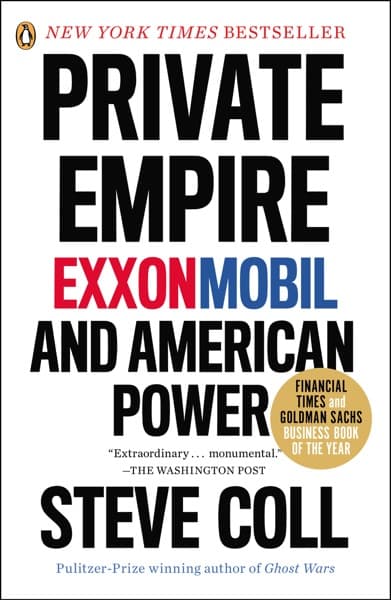
Private Empire
Steve Coll
See a major oil enterprise as a political actor whose incentives and contracts effectively redraw state capacity and national options.
Corporate power can substitute for state governance in practice.
Coll grounds oil capitalism in concrete corporate decisions, relationships, and conflicts of interest. For economic understanding, it shows how firms and governments co-produce market realities rather than merely respond to them.
Oil 101
Morgan Downey
After Oil 101, pricing, refining, storage, and the business basics stop feeling mysterious and start feeling linked.
Refining capacity and inventory levels often steer short-term markets.
Downey’s primer demystifies the economic mechanics behind headlines like “oil up” or “oil down.” If you want the economy of oil without a heavy finance degree, it builds the shared vocabulary for the deeper books.
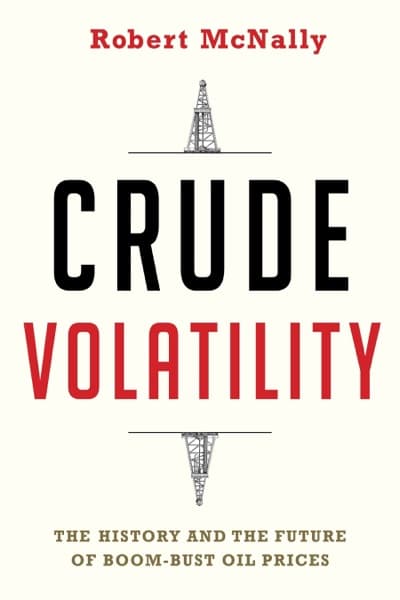
Crude Volatility
Robert McNally
Oil prices can swing with a logic that feels like policy and engineering colliding, not random chance.
Volatility tracks capacity tightness and investment timing.
McNally zeroes in on why oil volatility becomes an economic force through investment cycles, spare capacity, and policy responses. For the economy of oil, it’s an interpretive guide to turning price moves into economic consequences.
Can we tailor this list for you?
Type your question in the bar below and the AI will tailor a fresh set of picks just for you.