Best Books on Economic Warfare and Blockades
Economic warfare and blockades become legible through Nicholas Mulder’s The Economic Weapon and Robert D. Blackwill and Jennifer M. Harris’s War by Other Means. Together they map coercion as strategy, not just policy.
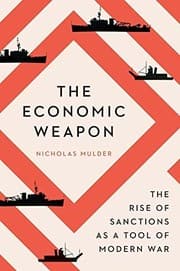
The Economic Weapon
Nicholas Mulder
Treat sanctions as a designed instrument: once you learn the mechanics, you can predict when they bite and when they boomerang.
Sanctions work only when leverage maps to vulnerable chokepoints.
Mulder focuses on how economic pressure is constructed and how it behaves under real constraints. That lens helps you connect blockade and sanctions to outcomes instead of headlines.

War by Other Means
Robert D. Blackwill, Jennifer M. Harris
It turns coercive economic policy into strategy: effects, incentives, and bargaining logic replace vague moral talk.
Statecraft is judged by political effects, not economic damage.
Blackwill and Harris provide a clear framework for when economic statecraft achieves political objectives. That matters for blockades because pressure is only half the equation: the other half is the endgame.
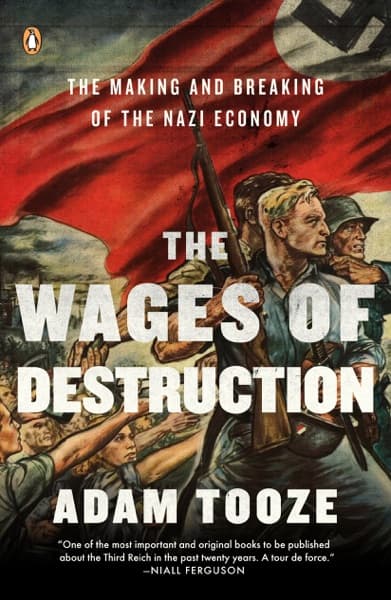
The Wages of Destruction
Adam Tooze
The wartime economy stops being background and becomes the engine of coercion, shortage, and industrial power.
Industrial capacity and logistics determine the coercion ceiling.
Tooze links resource limits to how states apply pressure and how opponents absorb it. That makes economic warfare feel structural, not episodic, which sharpens any blockade comparison.
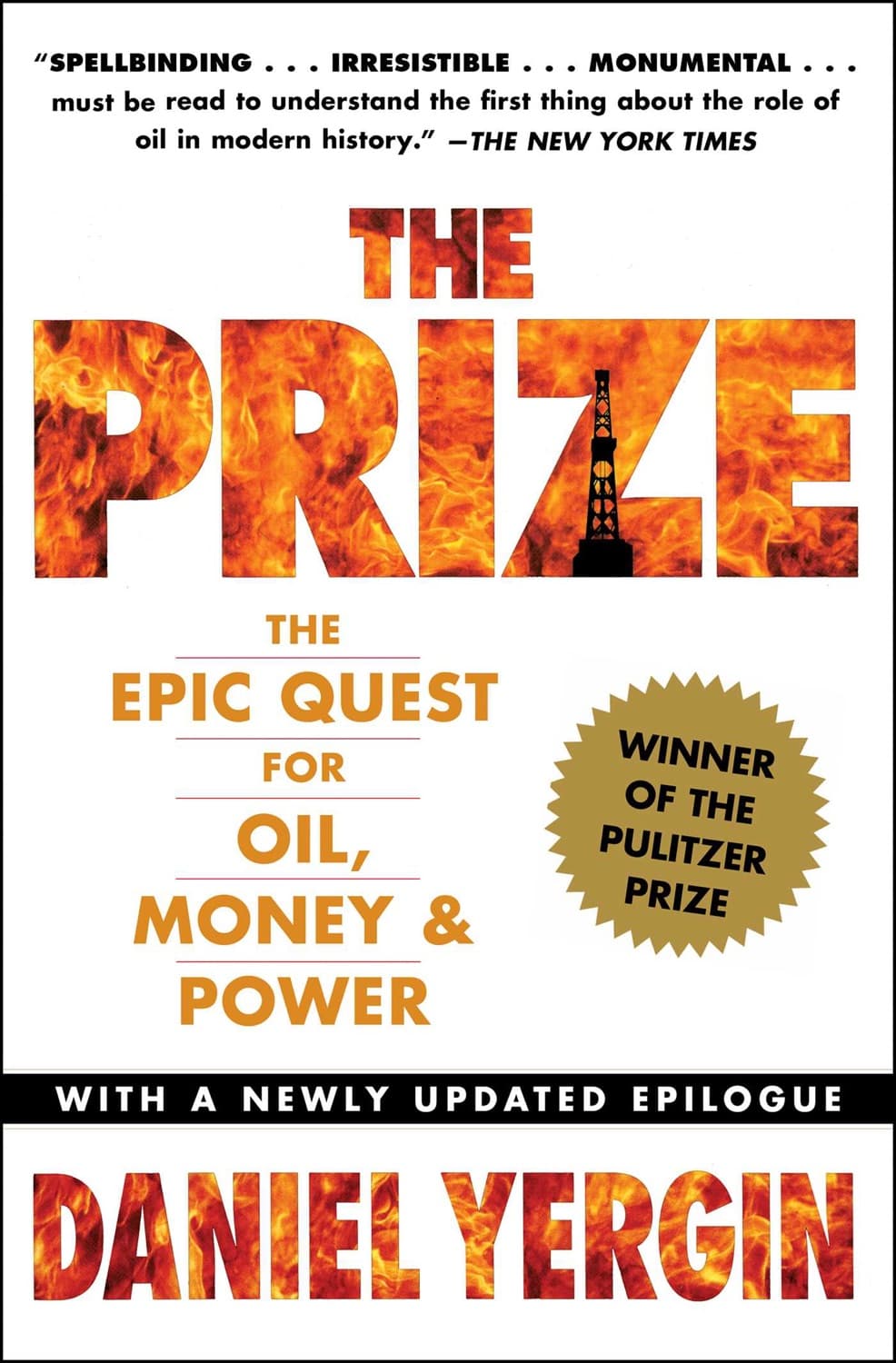
The Prize
Daniel Yergin
Energy geopolitics emerges as strategic leverage: access and denial shape wars long before shots are fired.
Control over energy flows becomes control over options.
Yergin’s narrative shows how resource control and disruption become tools of national advantage. If you’re studying blockades, this helps you see why chokepoints matter across domains.
The Strategy of Denial
Elbridge A. Colby
Denial gets treated as a governing strategy: instead of trying to persuade, you deny the other side decisive advantage.
Denial aims to prevent capabilities from producing decisive results.
Colby’s approach clarifies how blockade-like economic measures connect to modern deterrence logic. It’s especially useful when you want to think beyond punishment and toward preventing outcomes.
The Command of the Ocean
N. A. M. Rodger
Blockade appears as British warfighting at the systems level: sea control, commerce interruption, and sustained pressure.
Command of the sea makes blockade politically and economically durable.
Rodger grounds blockade in naval strategy and the operational realities that make it work. That ties your economic-warfare interest to the maritime backbone that enables enforcement.
Can we tailor this list for you?
Type your question in the bar below and the AI will tailor a fresh set of picks just for you.