Best Books on the Israeli-Palestinian Conflict
Few conflicts are as heavily documented or as bitterly contested, where the same events carry opposite meanings depending on who narrates them. These books span rigorous archival history, an insider account of failed peace talks, and lived experience on both sides, chosen so no single narrative goes unchallenged.
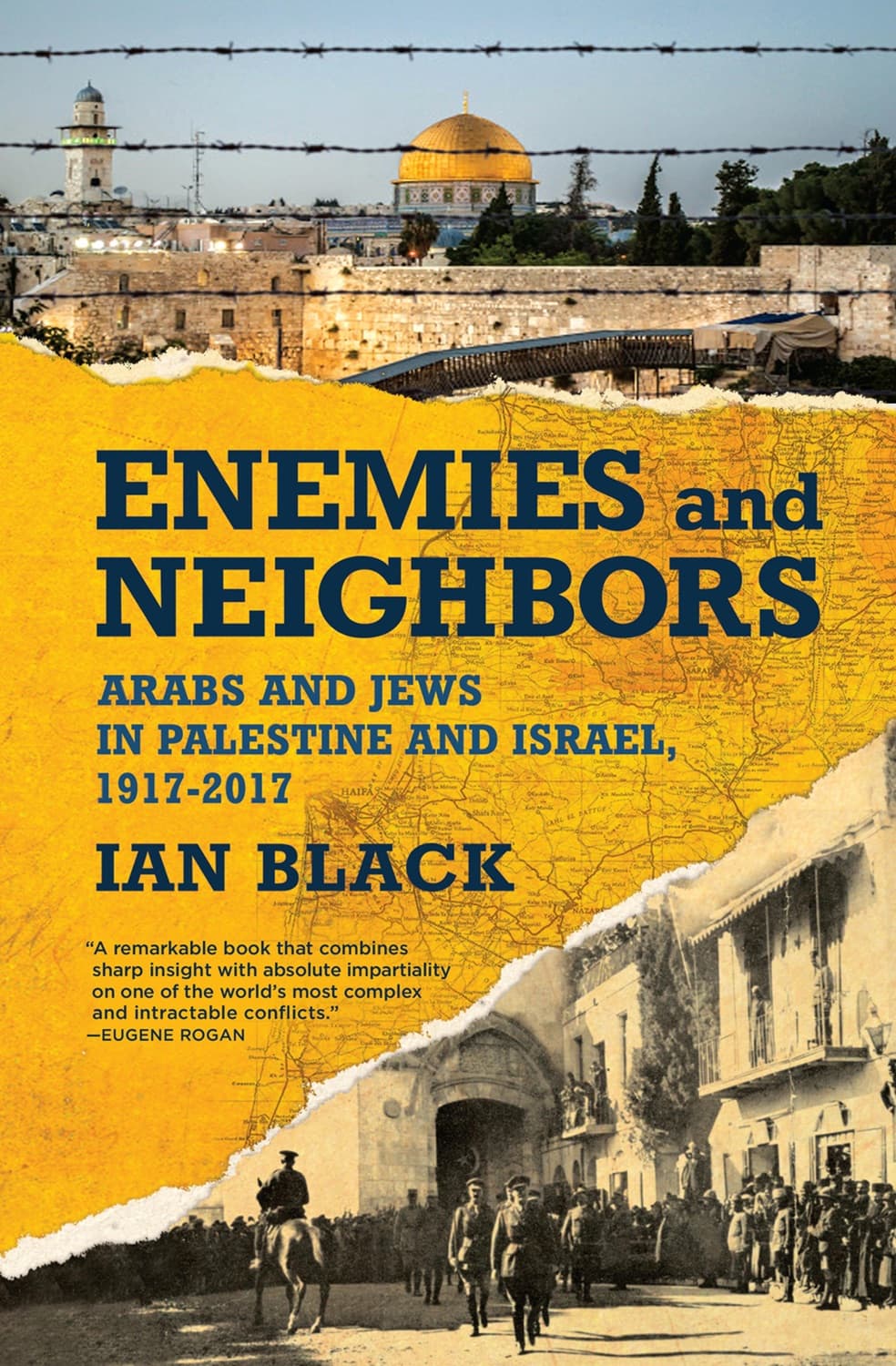
Enemies and Neighbors
Ian Black
One reporter's century-long map of the whole quarrel.
Every current flashpoint has a dated precedent; the 2017 map is drawn in 1917 ink.
Black spent decades covering the region for the Guardian, and it shows in a single-volume history that stays even-handed across a hundred years without flattening either side's grief.
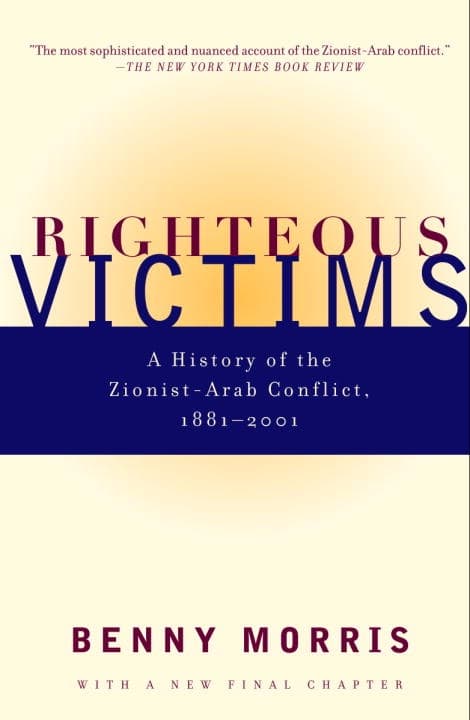
Righteous Victims
Benny Morris
The Israeli historian who opened the archives on his own side.
A nation's founding myths rarely survive contact with its own military archives.
Morris helped found the New Historians, and this comprehensive account uses declassified Israeli records to document expulsions and massacres that official histories long left out.
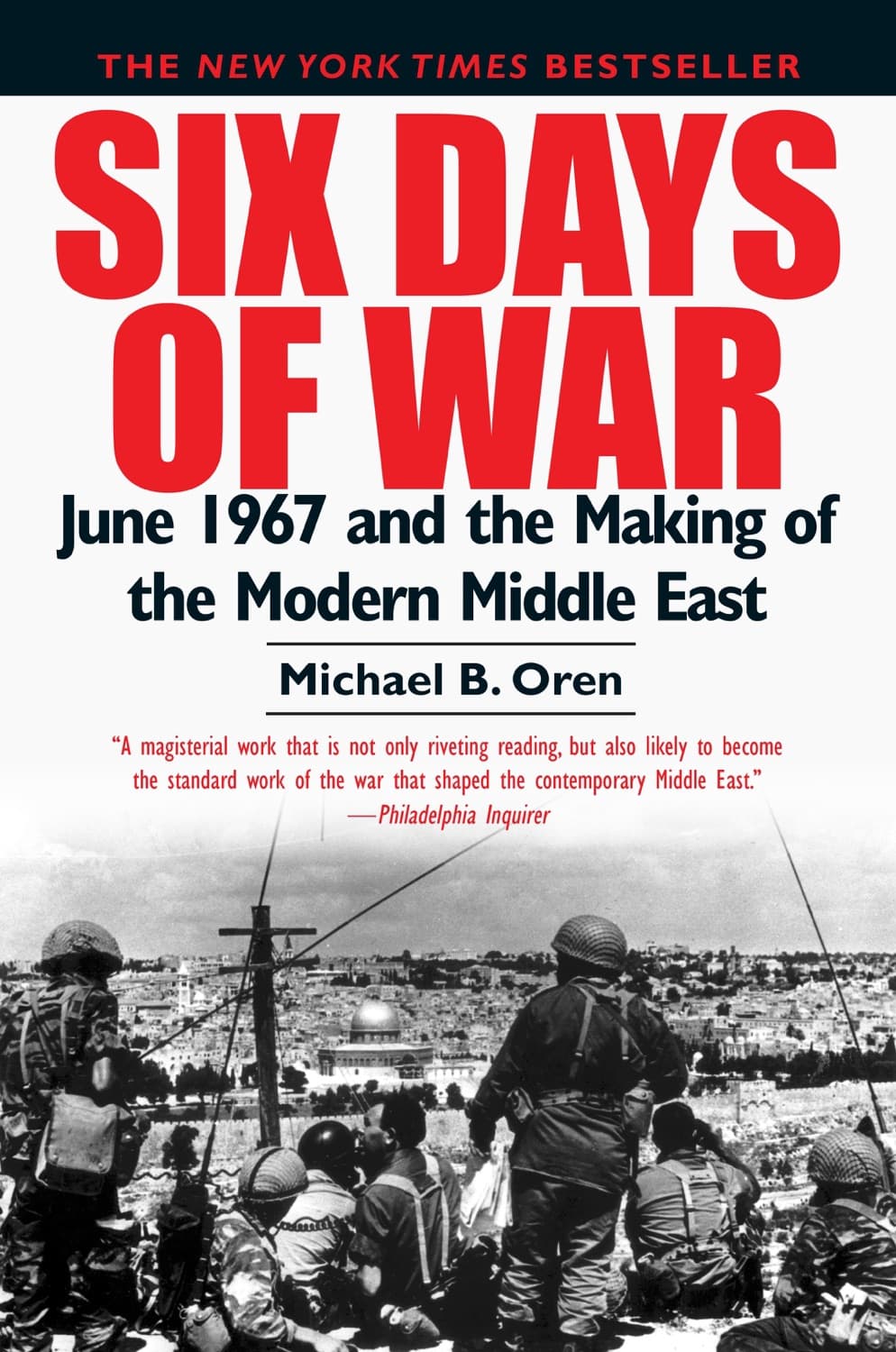
Six Days of War
Michael B. Oren
How six days in 1967 redrew the Middle East.
The borders everyone argues over were the accident of a war nobody quite intended to fight.
Oren reconstructs the war hour by hour from archives in several languages, showing how a swift Israeli victory created the occupied territories that anchor almost every dispute since.
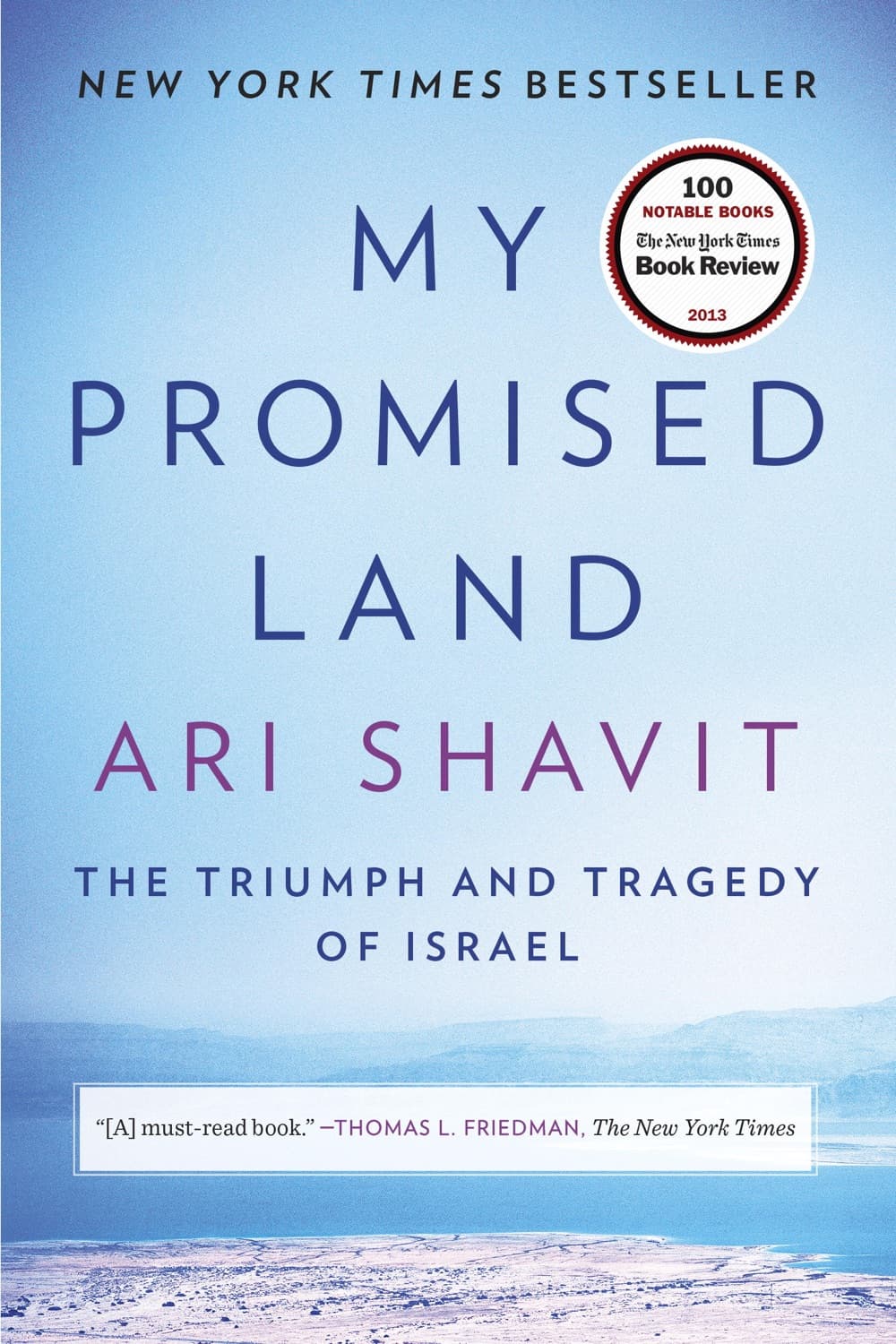
My Promised Land
Ari Shavit
An Israeli journalist holds triumph and tragedy in one hand.
You can love a national project and still count honestly what it cost the people already there.
Shavit traces his own family's arrival to build a Zionist story that refuses to look away from what was done to Palestinians, making the moral cost part of the pride rather than a footnote.
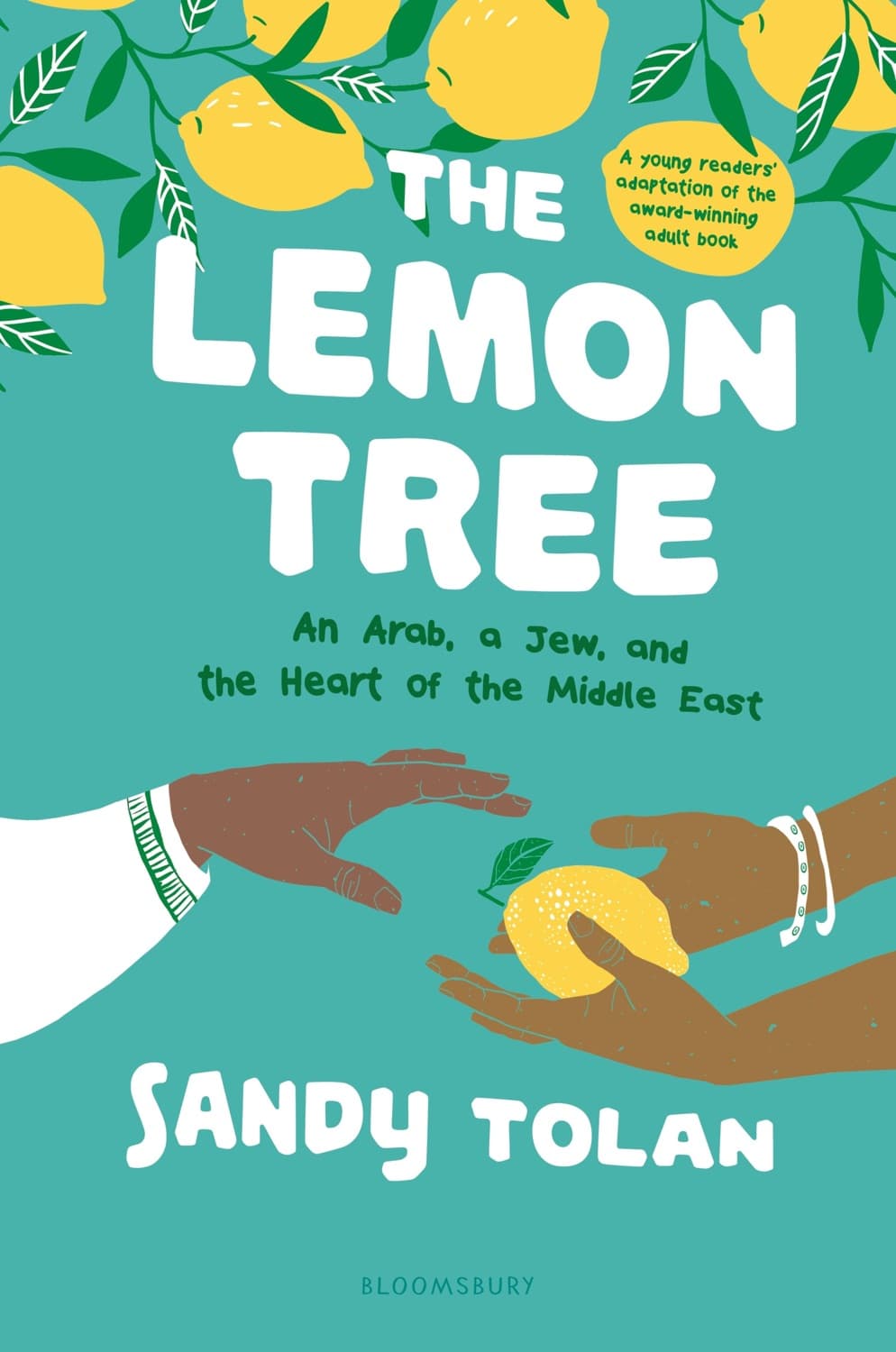
The Lemon Tree
Sandy Tolan
Two families, one house, opposite dreams.
The whole conflict fits inside a single front door when two people both call it home.
Tolan follows a Palestinian man and the Israeli woman whose family now lives in his childhood home, using one stone house to make abstract dispossession and settlement painfully intimate.
The Missing Peace
Dennis Ross
The American negotiator's inside account of why peace failed.
Deals die less from bad maps than from leaders who cannot sell a compromise to their own people.
Ross ran US diplomacy through Oslo and Camp David, and his blow-by-blow record shows exactly where trust, timing, and leadership collapsed at the negotiating table.
A nation's founding myths rarely survive contact with its own military archives.
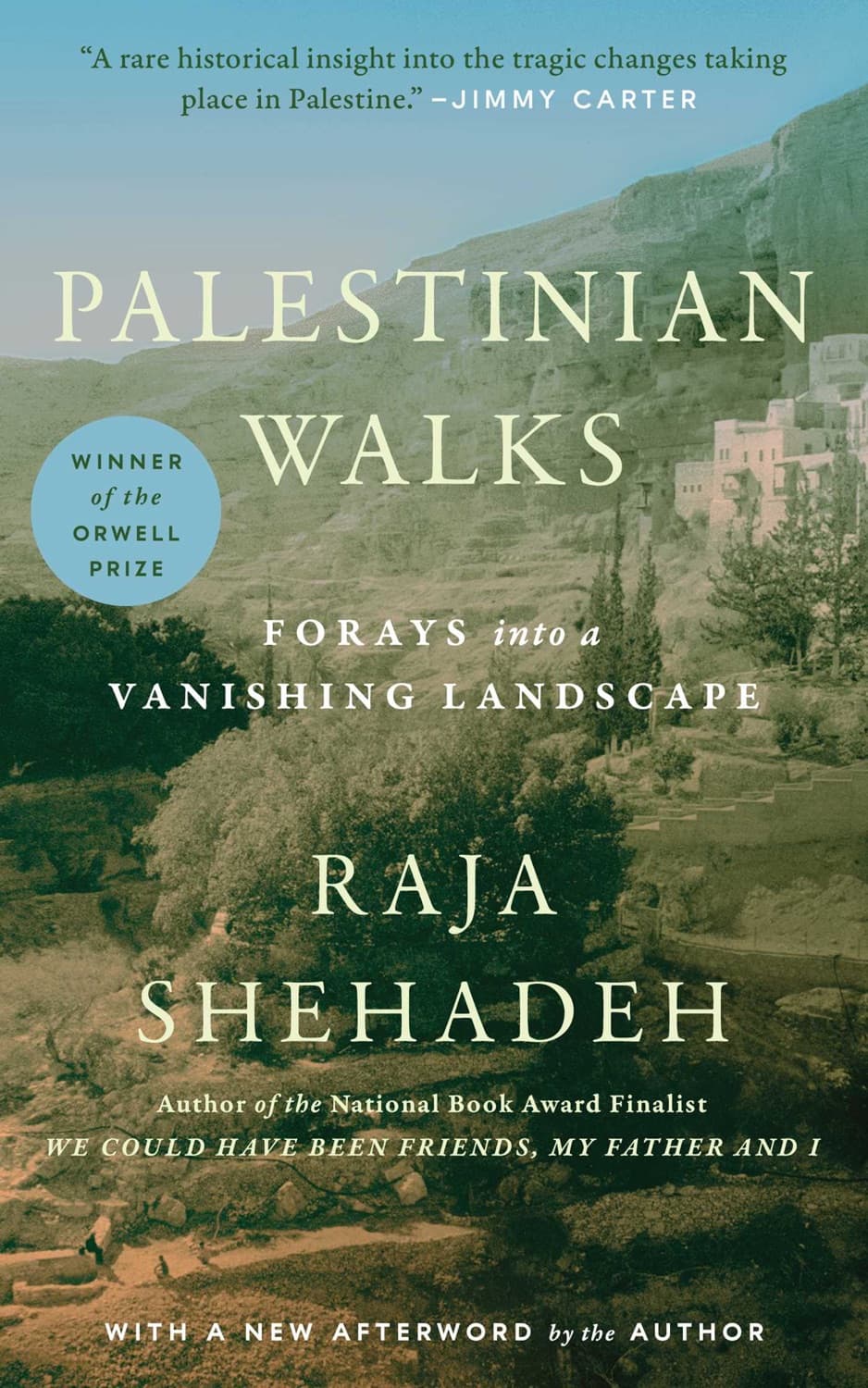
Palestinian Walks
Raja Shehadeh
A vanishing landscape, walked and mourned.
You feel a border most not on a map but when a familiar path is suddenly fenced off.
Shehadeh, a Ramallah lawyer, structures the occupation around six hillside walks, letting the changing terrain and new settlements carry the political argument through pure observation.
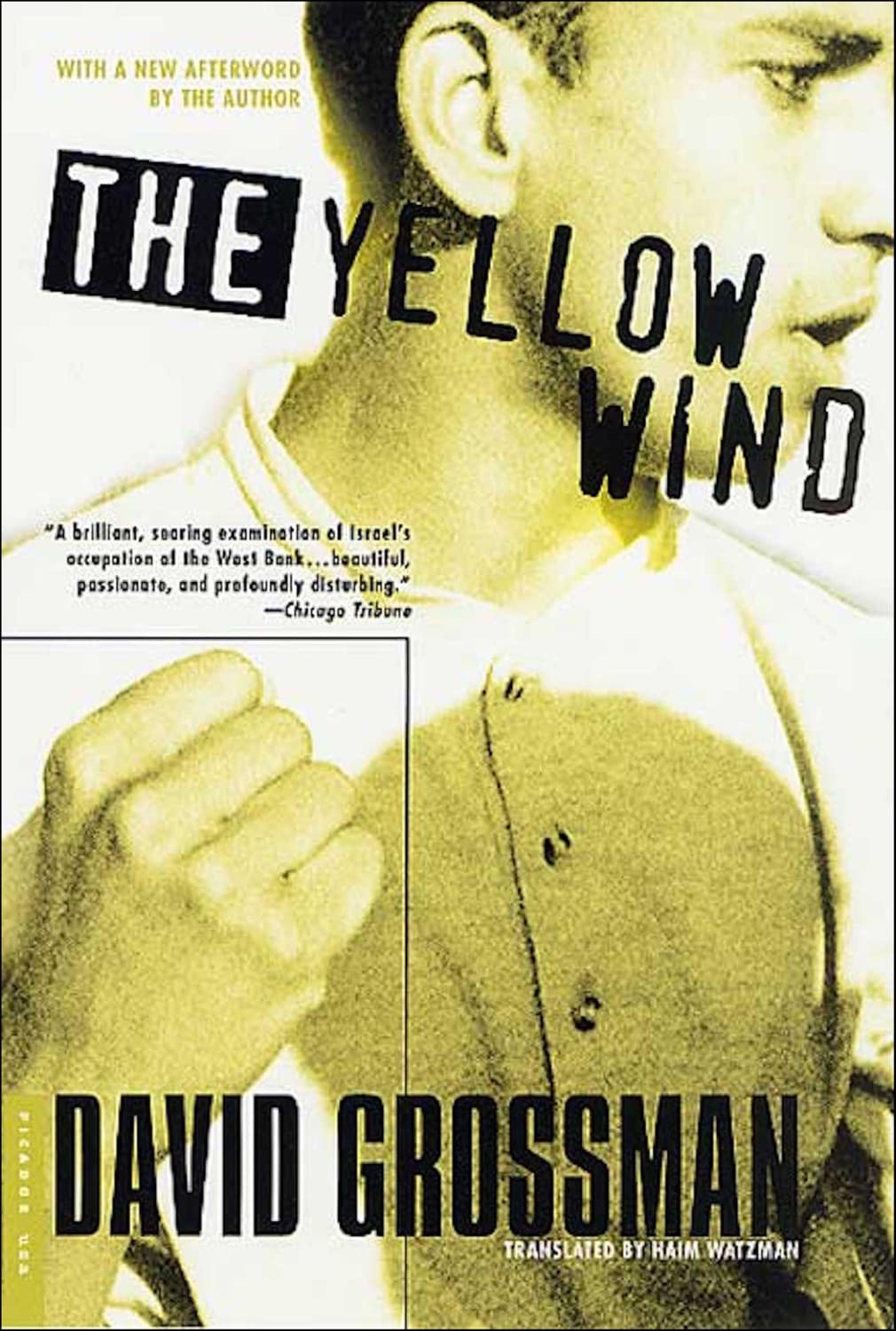
The Yellow Wind
David Grossman
An Israeli novelist listens to the occupied.
Occupation deforms the conscience of the occupier as surely as it constrains the occupied.
Grossman spent weeks in the West Bank in 1987 recording Palestinian and settler voices alike, and the resulting reportage warned Israelis of costs they preferred not to see.
Can we tailor this list for you?
Type your question in the bar below and the AI will tailor a fresh set of picks just for you.