Best Audiobooks on Geopolitics
Geopolitics studies how geography, economics, and raw power shape the choices of states. At its best it is also gripping nonfiction, which makes it ideal listening. These audiobooks favor sweeping history and clear strategy over maps and tables, running from grand-strategy classics to narrative histories that read like adventure.
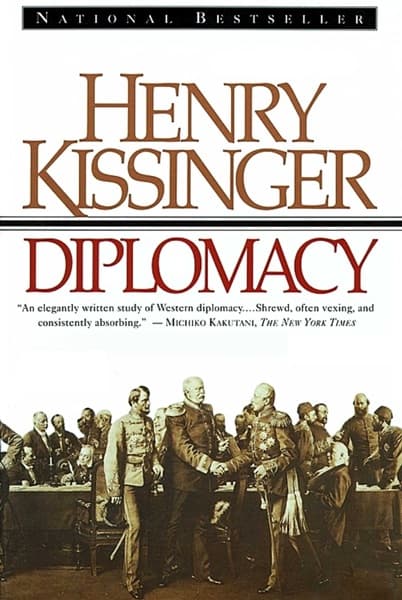
Diplomacy
Henry Kissinger
Three centuries of statecraft, from Richelieu to the Cold War, in one sweep.
Order among great powers has rarely come from shared values; it has come from a balance no single state could overturn.
Kissinger traces how the balance of power was built and broken across European history, drawing on his own years shaping American foreign policy.
The Grand Chessboard
Zbigniew Brzezinski
A former national security adviser maps the contest for Eurasia.
Brzezinski named Ukraine and Central Asia as the pivots of global power years before they became front-page flashpoints.
Brzezinski argues that whoever manages the Eurasian landmass shapes the world, and lays out how the United States should handle its rivals to stay dominant.
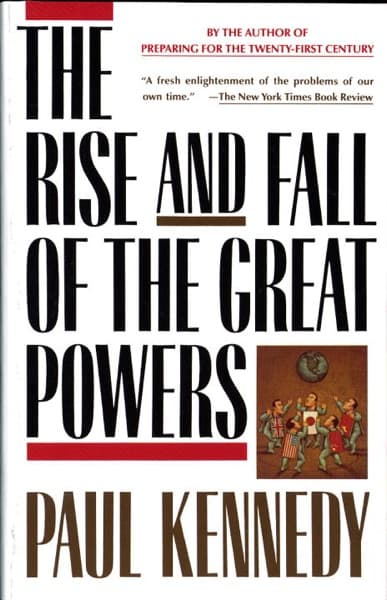
The Rise and Fall of the Great Powers
Paul Kennedy
Five hundred years of empires undone by the gap between wealth and war.
Military dominance built on a stagnating economy is a loan against the future, and the bill always comes due.
Kennedy shows how great powers overextend militarily until their economies can no longer carry the cost, a pattern he traces from Habsburg Spain to the modern superpowers.
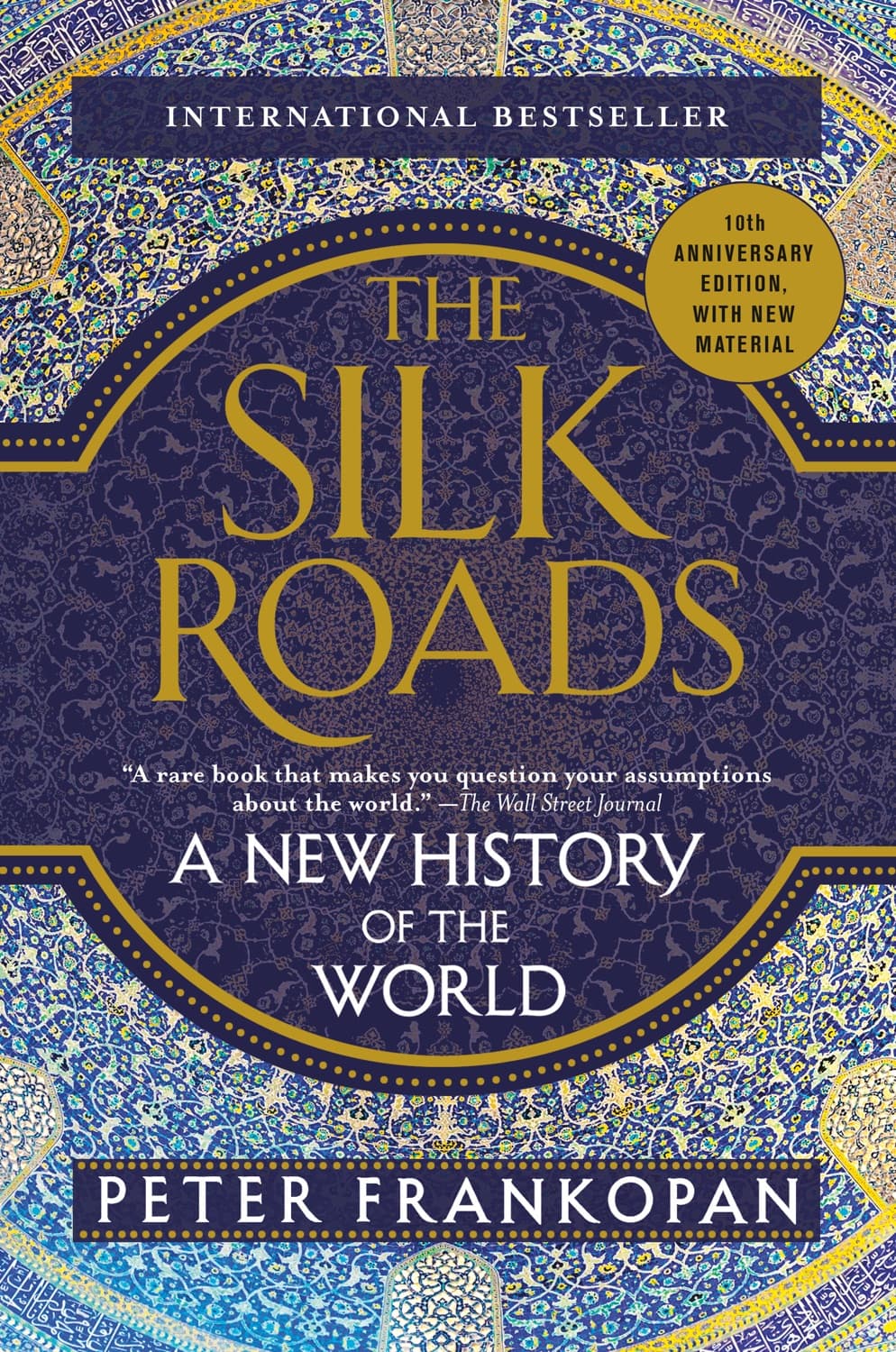
The Silk Roads
Peter Frankopan
World history retold with its center of gravity in the East.
The regions the West treats as the periphery have been the true crossroads of power and commerce for most of recorded history.
Frankopan reframes two thousand years of history around the trade routes of Central Asia, showing how wealth, faith, and conflict have long flowed through the middle of the map.
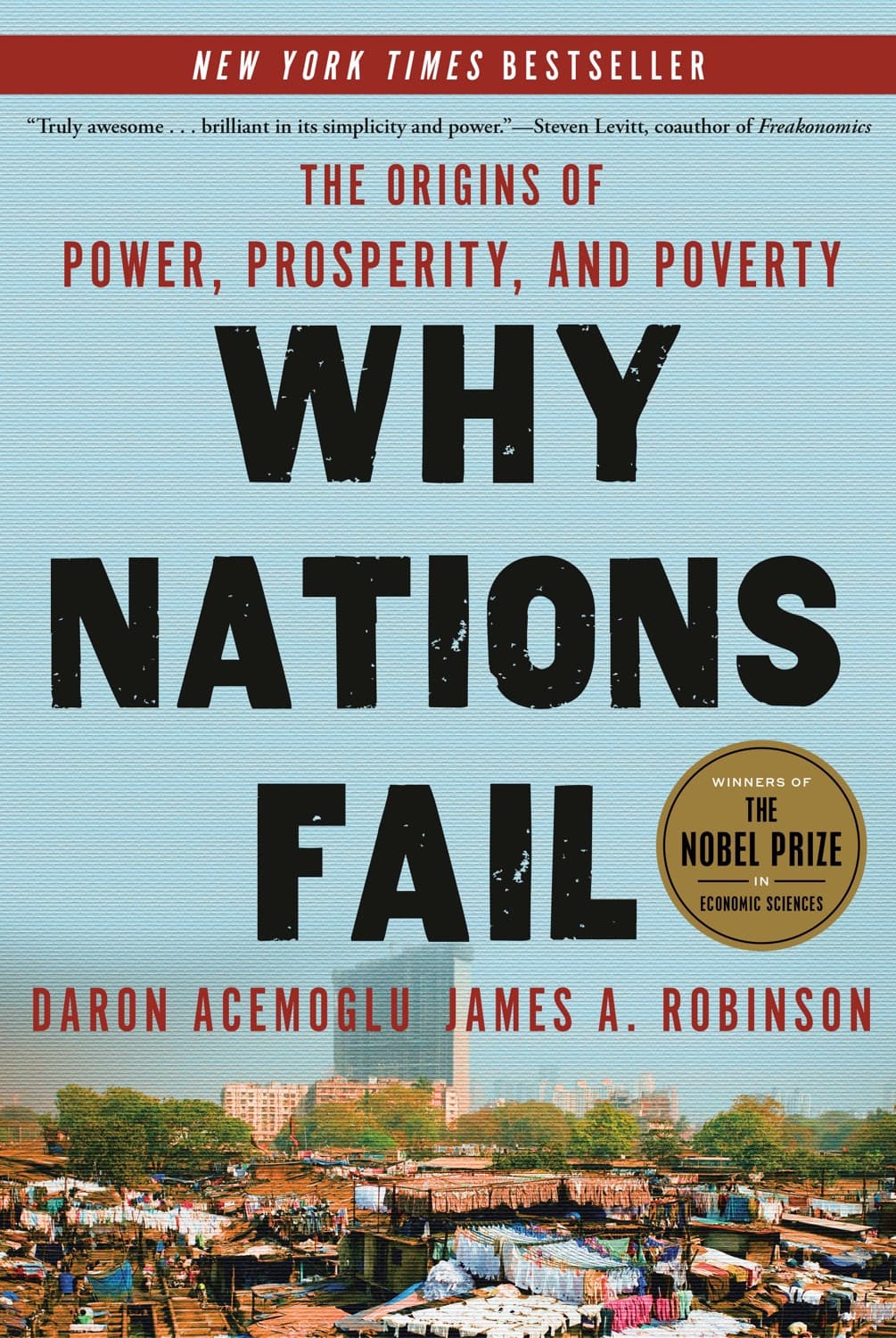
Why Nations Fail
Daron Acemoglu, James A. Robinson
Why some countries are rich and others poor, and why geography is not the answer.
Prosperity follows institutions that let ordinary people keep the gains from their own effort; extractive ones enrich a few and stall everyone else.
Acemoglu and Robinson argue that inclusive institutions, not climate or culture, decide whether nations prosper, drawing on cases from ancient Rome to modern Korea.
The Great Game
Peter Hopkirk
The nineteenth-century spy war between Britain and Russia over Central Asia.
The same mountains and passes that swallowed nineteenth-century armies still frustrate the great powers that march into them today.
Hopkirk turns the imperial struggle for Afghanistan and the approaches to India into a narrative of explorers, secret agents, and disastrous invasions.
Brzezinski named Ukraine and Central Asia as the pivots of global power years before they became front-page flashpoints.
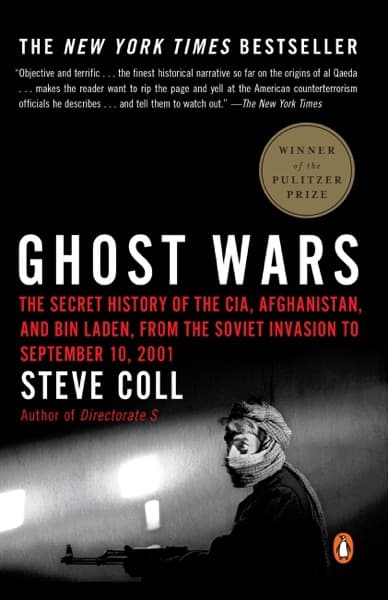
Ghost Wars
Steve Coll
The secret history of the CIA in Afghanistan before September 11.
The weapons and alliances a great power builds for one war have a way of returning as the enemy in the next.
Coll reconstructs how American, Saudi, and Pakistani intelligence services shaped Afghanistan across two decades, setting the stage for the rise of al-Qaeda.
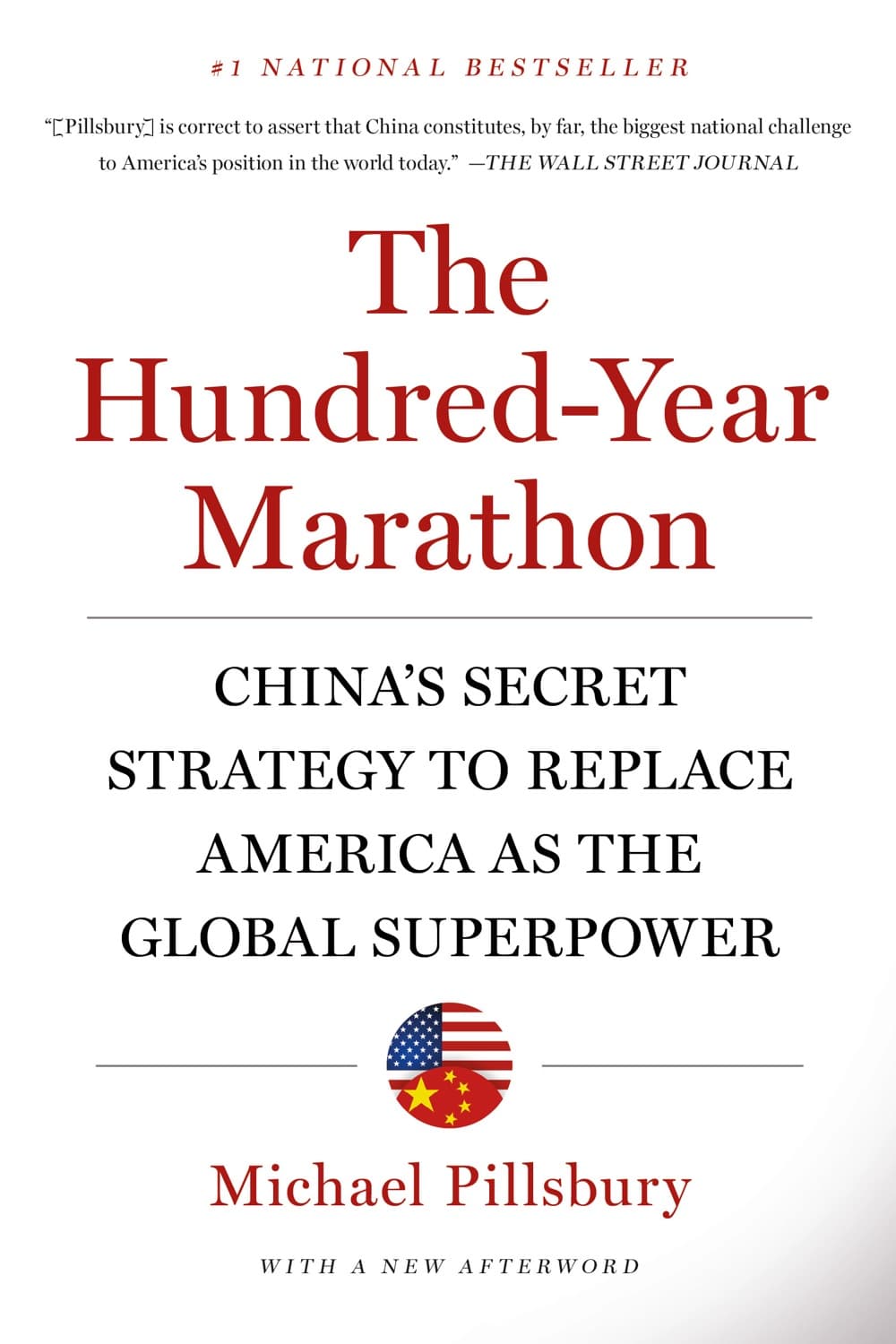
The Hundred-Year Marathon
Michael Pillsbury
A former China hand's case that Beijing is playing a very long game.
A rival that hides its strength and bides its time can look like a partner for decades before the strategy becomes visible.
Pillsbury, once an advocate of engagement, argues that China has pursued a decades-long strategy to quietly displace the United States as the leading power.
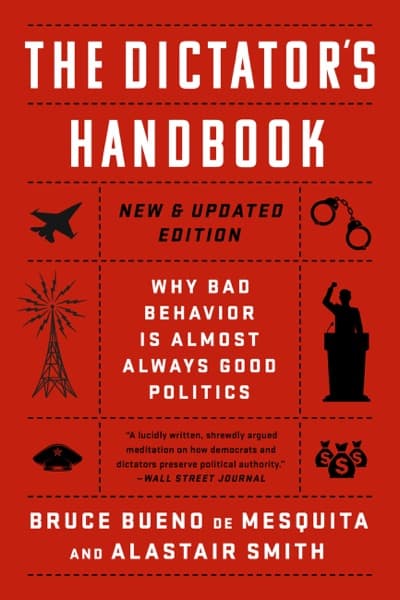
The dictator's handbook
Bruce Bueno de Mesquita, Alastair Smith, Bruce Bueno de Mesquita
The cold logic of staying in power, whether you run a country or a company.
Leaders act to satisfy whoever can remove them, and the size of that group explains almost everything about how a country is run.
Bueno de Mesquita and Smith explain politics as a game of keeping the small group of backers who keep you in office happy, from dictatorships to democracies.
Can we tailor this list for you?
Type your question in the bar below and the AI will tailor a fresh set of picks just for you.