Best Books on Leaving the 9-5
Leaving the 9-5 gets real when money math meets work design: Vicki Robin’s Your Money or Your Life and Tim Ferriss’ The 4-Hour Workweek turn “escape” into a plan you can actually run.
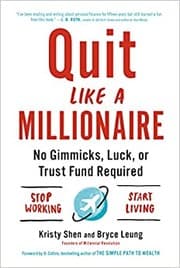
Quit Like a Millionaire
Kristy Shen, Bryce Leung, Collins, J. L.
You stop treating quitting as a mood and start treating it as a budgeted project: choose a target number, automate the boring parts, and let time do the heavy lifting.
Find your number, then automate your way to it.
It translates FIRE into a systems-based routine, not just inspiration. That matters for leaving the 9-5 because it gives you a concrete financial “exit criterion” instead of vague optimism.
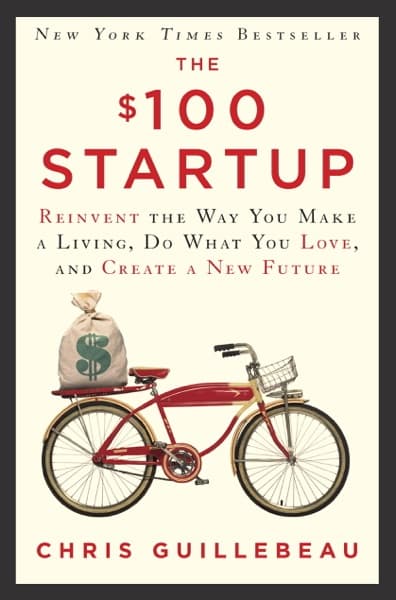
The $100 startup
Chris Guillebeau
It reframes freedom as a design problem: build a small business from what you can afford now, then earn your way out of job dependence.
Validate with customers before you scale.
The book focuses on replacing job income with lean experiments and customer-driven ideas. For leaving the 9-5, it offers a path that does not require a risky leap.
Your Money or Your Life
Vicki Robin
It swaps the usual money chase for a measurement habit: track how your life energy translates into spending, and your “work” meaning changes.
Money is a scorecard for time and energy.
This book turns personal finance into a relationship audit between money, time, and values. That directly supports leaving the 9-5 because it clarifies what you are really buying with your job.
The Millionaire Fastlane
MJ DeMarco
It argues that “waiting” is the expensive option: the fastest route to independence comes from building scalable value, not maximizing savings forever.
Avoid linear labor: use leverage.
DeMarco attacks passive, slow wealth-building mindsets and pushes leverage through entrepreneurship. If your goal is to leave the 9-5 sooner, it challenges the assumptions behind many FIRE plans.
The Pathless Path
Paul Millerd
It gives you permission to stop chasing a perfect career script and instead build independent work by making yourself useful in public.
Design constraints that force clarity.
The focus is on designing non-traditional careers: choosing constraints, selling what you can deliver, and escaping career autopilot. That matters for leaving the 9-5 when your real asset is your ability to create income streams.
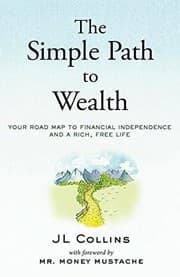
The Simple Path to Wealth (Revised & Expanded 2025 Edition)
JL Collins
It replaces investment complexity with one calm standard: automate broad-market investing and stop second-guessing your plan.
Low-cost index funds, held consistently.
Collins keeps the strategy disciplined and easy to maintain, which supports the long-term “escape from employment” thesis. If you want financial independence without constant tinkering, this is a steadier alternative to job-replacement tactics.
Validate with customers before you scale.
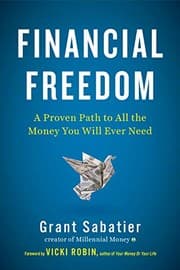
Financial Freedom
Grant Sabatier
It treats the 9-5 exit like an engineering problem: build wealth through consistent saving, smart investing, and an intentional timeline.
Save hard, invest simply, repeat.
Sabatier’s approach is focused on accelerating your path to independence while keeping the actions straightforward. That helps when leaving the 9-5 feels overwhelming, because you get a clear sequence of levers to pull.
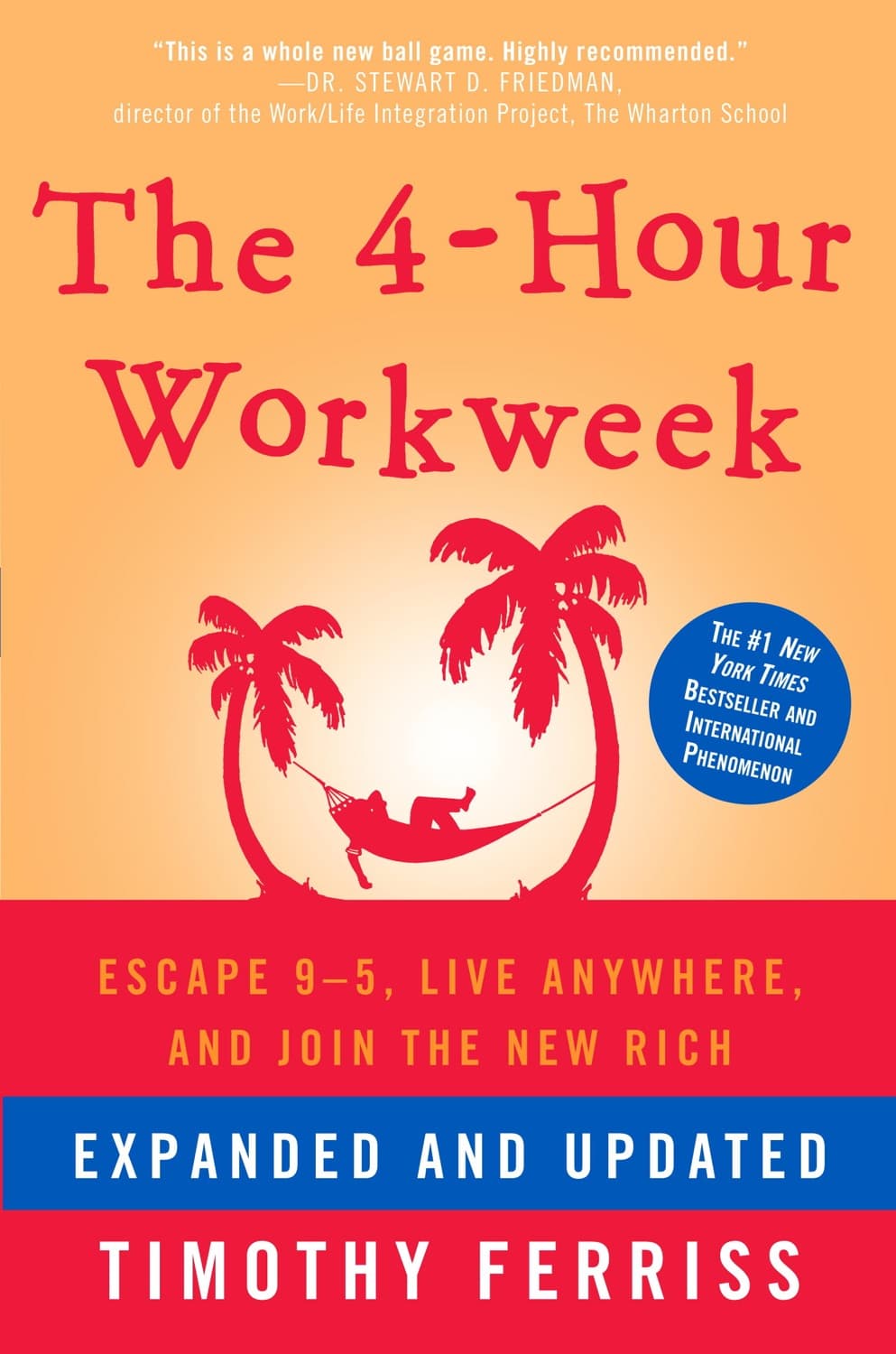
The 4-Hour Workweek
Timothy Ferriss
It changes your definition of “work”: replace obligations with systems, design a lifestyle around output, and shrink the job’s grip on your time.
Outsource everything you can.
Ferriss pushes lifestyle design and outsourcing as a way to escape the traditional employment model. For leaving the 9-5, it’s a catalyst for practical experiments that reduce dependence on your employer.
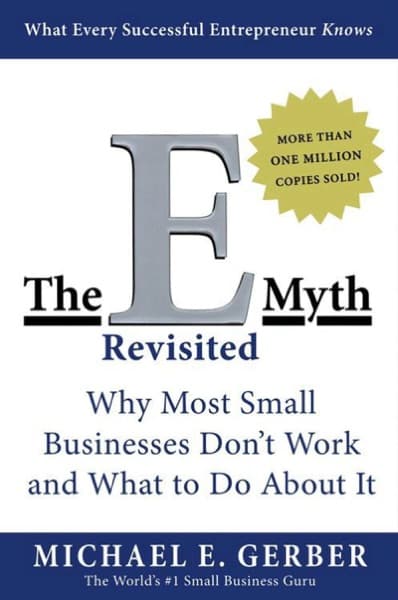
The E-myth revisited
Michael E. Gerber
It argues the problem is not your business but your mindset: you are either running a job or building a system that can run without you.
Work on the business, not in it.
This helps you leave the 9-5 by addressing the trap of self-employment that still requires constant personal effort. It pushes you toward business design so your income does not collapse when you step back.
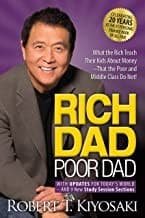
Rich Dad, Poor Dad
Robert T. Kiyosaki, Sharon L. Lechter
It reframes success as a cashflow game: learn how assets work, and your paycheck stops being your only option.
Invest in assets that pay you.
The book’s core value is mindset: separating employee thinking from investor thinking. That matters when leaving the 9-5 because it encourages the habits needed to create income beyond a salary.
Can we tailor this list for you?
Type your question in the bar below and the AI will tailor a fresh set of picks just for you.