Best Books on AI and DevOps
DevOps that actually ships meets modern AI engineering: The Phoenix Project, Accelerate, and AI Engineering map the work from reliable operations to production-ready models, while Infrastructure As Code and SRE supply the automation spine.
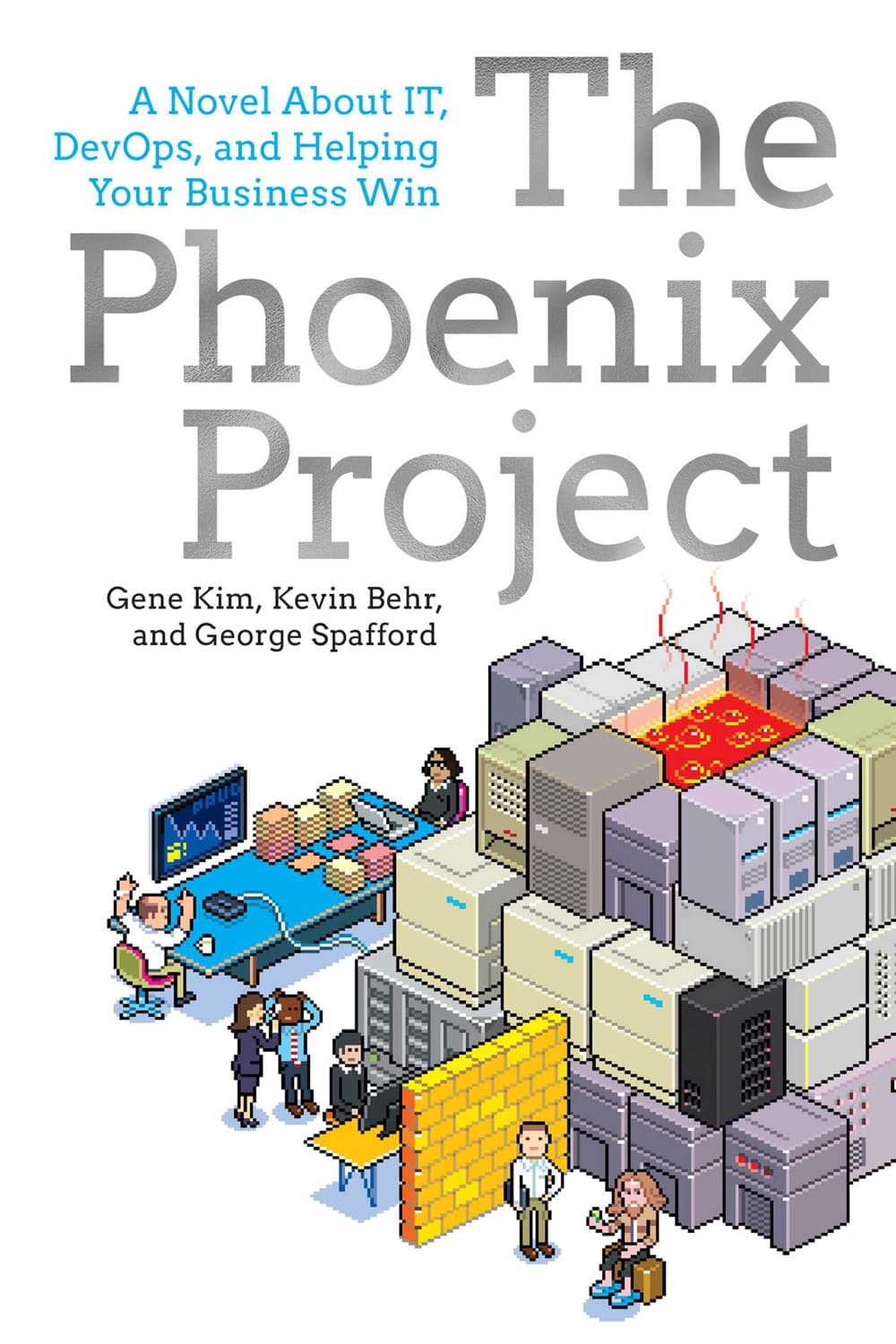
The Phoenix Project
Gene Kim, Kevin Behr, George Spafford
After the “Dinosaur” era, IT work starts flowing: fewer handoffs, faster recovery, and automation replaces heroics in the weekly incident grind.
Flow efficiency beats local optimizations
This DevOps novel turns abstract practices into an operational lens: how work moves, where bottlenecks hide, and why feedback loops matter. That framing helps when you add AI, because model delivery still depends on stable pipelines, predictable change, and calm operations.
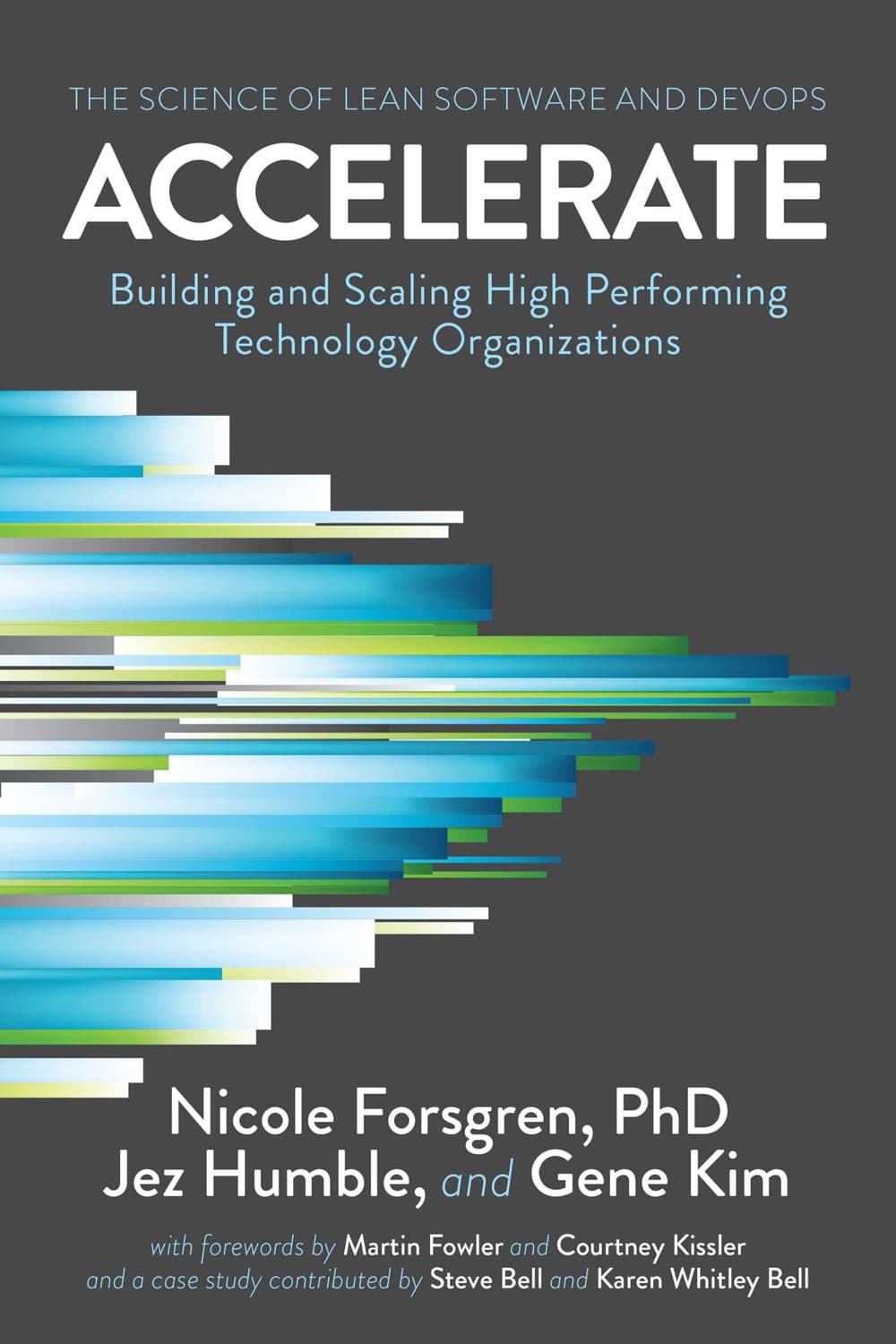
Accelerate
Nicole Forsgren, Jez Humble, Gene Kim
Teams that excel at DevOps measure lead time, deployment frequency, and change failure rate, then those metrics correlate with better performance.
Four key metrics drive DevOps performance
Instead of slogans, it offers an evidence-based way to evaluate what “good” looks like in delivery and reliability. For AI and DevOps, that measurement mindset helps you decide which automation and process changes truly improve production outcomes.
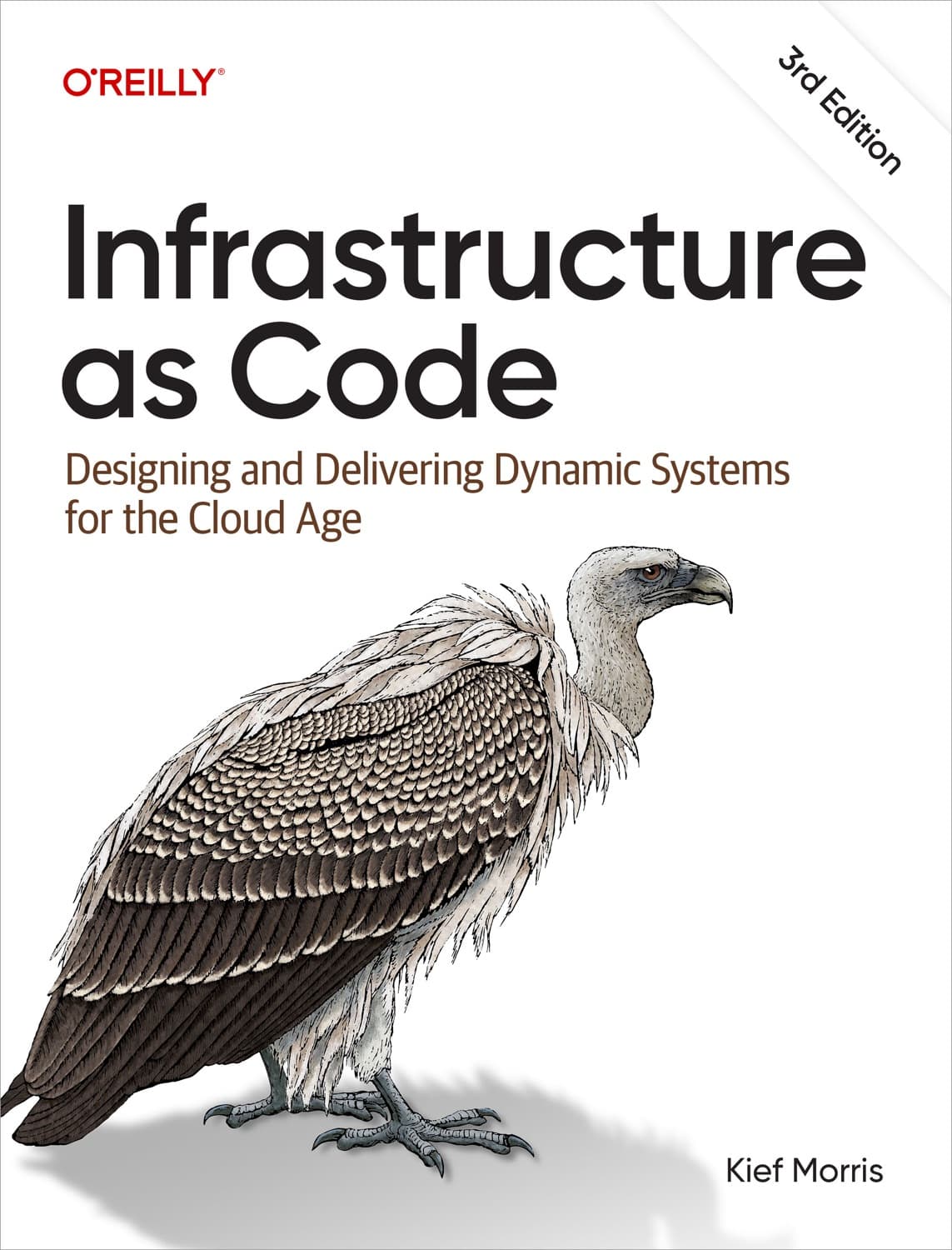
Infrastructure As Code
Kief Morris
Infrastructure becomes versioned software, so environments are reproducible rather than “snowflakes” you rebuild by memory.
Version control infrastructure definitions
This is the DevOps backbone for scaling automation: treat infrastructure changes like code changes. When AI enters the stack, IaC makes training and serving environments consistent, which reduces deployment drift and makes rollbacks less painful.
AI Engineering
Chip Huyen
It forces a full lifecycle view: design choices in data, training, and evaluation directly determine what you can safely deploy.
Operational readiness is engineered, not hoped for
AI is rarely “just ML model quality”; it is engineering constraints in production. This book helps you connect DevOps concerns like release safety and reliability to the realities of building, testing, and operating AI systems.
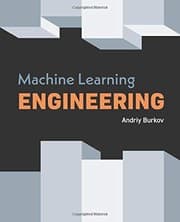
Machine Learning Engineering
Andriy Burkov
Production success comes from systems thinking: align data, models, and evaluation targets so the model performs where it matters.
Optimize for the outcome you will deploy
Burkov bridges machine learning and dependable deployment, giving you language for turning modeling work into engineering decisions. That matters for AI and DevOps because many failures come from mismatched metrics, weak validation, and unclear operational goals.
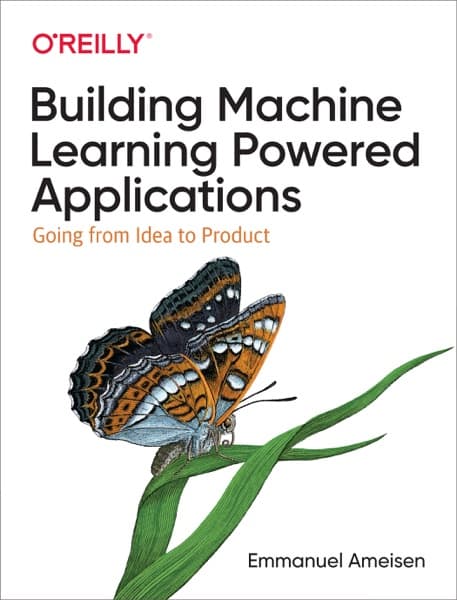
Building Machine Learning Powered Applications
Emmanuel Ameisen
It treats ML features like software components: design for iteration, monitoring, and failure modes rather than one-time training success.
Instrument model behavior like production software
This book focuses on the engineering path from idea to a working AI-enabled product. For DevOps readers, it complements SRE and automation practices by emphasizing how AI application behavior should be tested, released, and improved with operational discipline.
Four key metrics drive DevOps performance
Site Reliability Engineering
Betsy Beyer, Chris Jones, Christof Leng, David Huska, Jennifer Petoff, Niall Richard Murphy
Reliability is built with practical disciplines: define error budgets, engineer for failure, and use metrics that guide action.
Error budgets align reliability with delivery
SRE gives you the operational toolkit that DevOps teams rely on when systems get complex. When AI systems join the stack, error budgets, observability, and incident learning translate directly into safer deployments and steadier service behavior.
Designing Machine Learning Systems
Chip Huyen
The “model” is only one part: data design, evaluation rigor, and production constraints decide real-world effectiveness.
Evaluation drives trustworthy deployment decisions
This expands AI engineering into system design, helping you plan for what happens after training. That perspective reinforces DevOps thinking: build feedback loops, anticipate distribution shifts, and engineer evaluation so releases are defendable.
Can we tailor this list for you?
Type your question in the bar below and the AI will tailor a fresh set of picks just for you.