Best Books on Subsea Cables and Global Internet Infrastructure
Subsea cables are the hidden highways of global internet infrastructure: Tom Standage’s The Victorian Internet tracks their origins, while Andrew Blum’s Tubes brings the modern physical web into view through the people who maintain it.
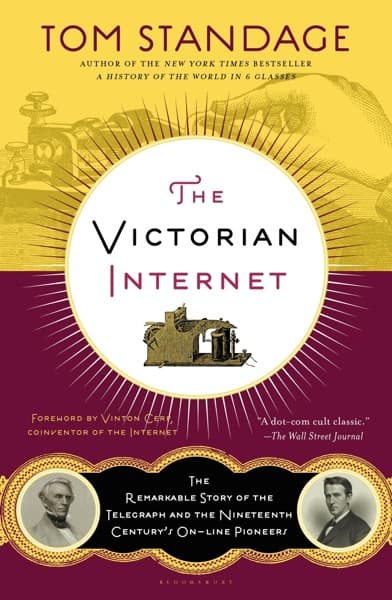
The Victorian Internet
Tom Standage
After finishing The Victorian Internet, submarine cables stop feeling like old technology and start reading like the early operating system of the modern internet.
Telegraph cables made time feel global
Standage connects Victorian submarine telegraph cables to how network thinking and global communication patterns formed. That historical bridge makes today’s subsea cable questions feel less mysterious and more continuous.
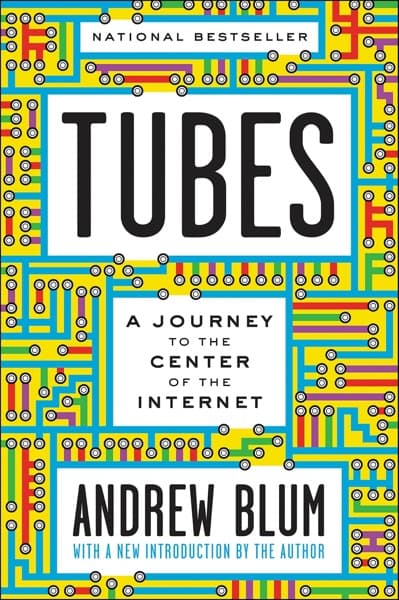
Tubes
Andrew Blum
Tubes replaces abstraction with proximity: you start picturing internet traffic as a physical journey through corridors of cable, sites, and crews.
The internet is built from boring material reality
Blum’s on-the-ground reporting covers the internet’s physical infrastructure, including subsea links. For subsea cable and global internet infrastructure, it turns “invisible backbone” into concrete places and responsibilities.
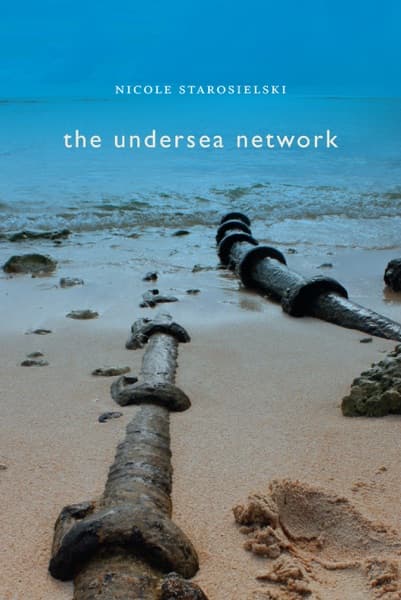
The Undersea Network
Nicole Starosielski
The Undersea Network changes how you see the ocean floor: cables become active infrastructures that redraw sovereignty, labor, and connectivity.
Subsea cables map power across the sea
Starosielski examines subsea cable systems as cultural and political geography, not just engineering. That lens fits global internet infrastructure because it shows who benefits, who maintains, and who bears risk.
A Thread Across the Ocean
John Steele Gordon
A Thread Across the Ocean makes the first transatlantic cable feel like a turning point where communication, economics, and belief all converged.
One cable rewired transatlantic expectations
Gordon offers a readable historical account of the transatlantic cable’s impact, grounding the subsea story in a single origin event and its consequences. It is a strong entry point if the topic feels technical or overwhelming.
The Cable
Gillian Tett
The Cable makes subsea connectivity feel like high-stakes statecraft and boardroom decisions, not just communications engineering.
Cables run on politics as much as physics
Tett’s reporting zeroes in on finance, politics, and construction decisions around undersea cables. That emphasis directly serves global internet infrastructure, where funding, regulation, and leverage often determine what gets built.
Can we tailor this list for you?
Type your question in the bar below and the AI will tailor a fresh set of picks just for you.