Best Books on Hyperscaler Strategy
Hyperscaler strategy turns on platform economics, infrastructure leverage, and operating discipline. Cusumano, Gawer, and Yoffie’s The Business of Platforms fits the economics thread, then the rest adds execution and scale craft.

The Business of Platforms
Michael A. Cusumano, Annabelle Gawer, David B. Yoffie
After this, “platform strategy” stops being buzzwords and becomes a set of pricing, governance, and adoption levers you can name and compare across hyperscalers.
Governance determines who captures value, not just who builds.
It explains the economics of platforms and the strategic choices that shape who wins: multi-sided pricing, competition between complements, and governance trade-offs. That maps directly to how hyperscalers structure cloud offerings, partners, and developer ecosystems.
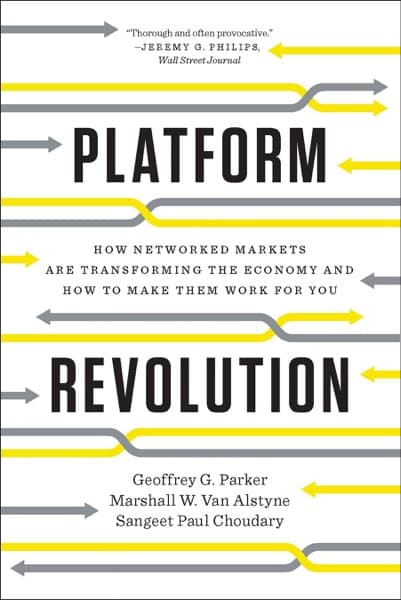
Platform Revolution
Geoffrey G. Parker, Marshall W. Van Alstyne, Sangeet Paul Choudary
You’ll start spotting the hidden mechanics of scaling: the network effects and complements that turn “more users” into durable advantage.
Network effects need complements to grow sustainably.
This is a framework-first way to think about ecosystems: how demand side and supply side dynamics reinforce each other, and how platform design influences adoption. For hyperscaler strategy, it sharpens where to invest: distribution, integration, and compatibility, not only capacity.

The Everything Store
Brad Stone
Amazon’s cloud dominance reads less like luck and more like a sequence of strategy pivots built on relentless customer- and systems-first thinking.
AWS is the payoff of Amazon’s operating discipline.
The story traces how capabilities and decision habits formed behind Amazon, then how those same competencies became AWS scale. It helps connect hyperscaler outcomes to earlier strategic bets rather than treating cloud success as a single product launch.

Working Backwards
Colin Bryar, Bill Carr
You come away believing strategy can be engineered: write customer narrative first, pressure-test it, then build the mechanism that delivers.
Start with the customer memo, then work backwards.
It shows Amazon’s operating approach behind AWS-scale execution: mechanisms for learning fast, reducing ambiguity, and tying decisions to customer outcomes. That matters for hyperscaler strategy because execution systems often decide whether platform bets survive contact with reality.

Hit Refresh
Satya Nadella
The pivot isn’t treated as a rebrand, but as a reframing of what technology is for, which changes how a hyperscaler prioritizes talent and products.
Growth comes from a learn-it-all mindset.
Nadella’s account explains Microsoft’s cloud repositioning with an emphasis on mindset, culture, and strategic sequencing. For hyperscaler strategy, it adds the human and organizational layer: how you build coherence when platforms span partners, developers, and enterprise buyers.

No Rules Rules
Reed Hastings, Erin Meyer
You learn how an organization can tolerate risk at hyperscaler scale by redesigning trust, candor, and decision rights.
Freedom plus clarity: context drives decisions.
The book gives a practical lens on operating design at scale: how cultural rules enable speed without collapsing accountability. That connects to hyperscaler strategy because platform success depends on both infrastructure and organizational choices about autonomy, incentives, and error handling.
Network effects need complements to grow sustainably.
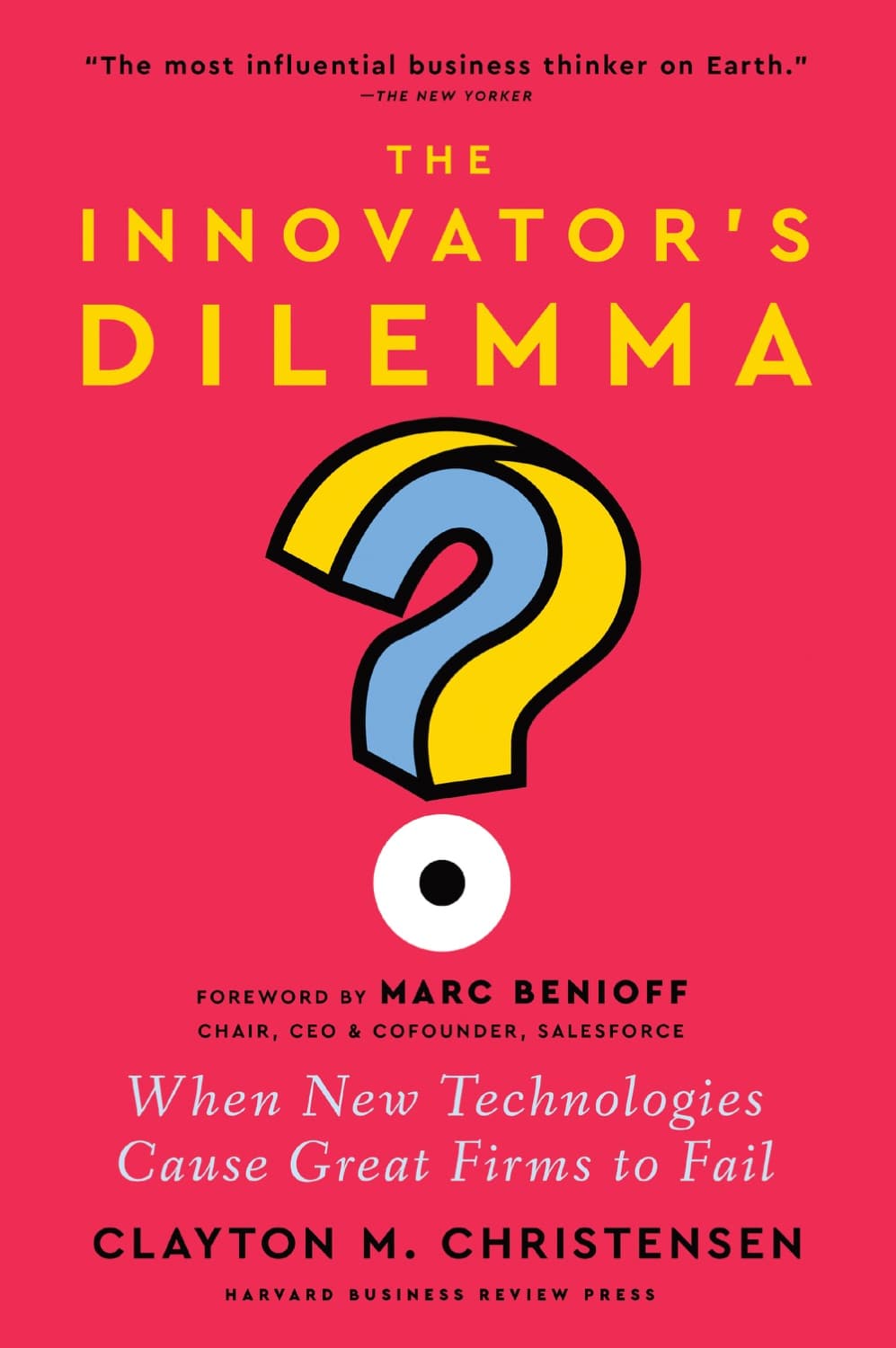
The Innovator's Dilemma
Clayton Christensen
After this, disruptive infrastructure competition looks less like marketing and more like a predictable clash between existing value networks and new enabling technologies.
Incumbents lose to unmet expectations, not ignorance.
Christensen gives a durable strategy lens for incumbents confronting disruption: why “doing more of the same” can fail even when leaders are competent. Hyperscaler strategy often requires betting on infrastructure shifts, and this framework helps anticipate when the profitable model resists change.

Platform Scale
Sangeet Paul Choudary
Scaling a platform becomes a set of orchestrations, not a vague growth plan: you manage the rules of participation across the ecosystem.
Orchestrate supply and demand through platform design.
This offers a sharper playbook for growing digital platforms through the ecosystem lens, including how to balance sides, reduce friction, and structure incentives. For hyperscaler strategy, it translates platform theory into the practical moves that increase adoption and retention.

How Google Works
Eric Schmidt, Jonathan Rosenberg
Google’s strategy reads like a system for high-quality decisions: data, candid feedback, and clear thinking protect momentum as the company grows.
Process for making decisions beats heroics.
This explains Google’s operating philosophy around scaling talent, decision-making, and product direction in a complex environment. For hyperscaler strategy, it complements platform economics with the internal decision system that turns bets into durable execution.
Can we tailor this list for you?
Type your question in the bar below and the AI will tailor a fresh set of picks just for you.