Best Books on the Chip War
Chip War reading usually points to tech history plus strategic nerve: works like Andrew S. Grove’s Only the Paranoid Survive and T.R. Reid’s The Chip explain how silicon power turns into geopolitical pressure.
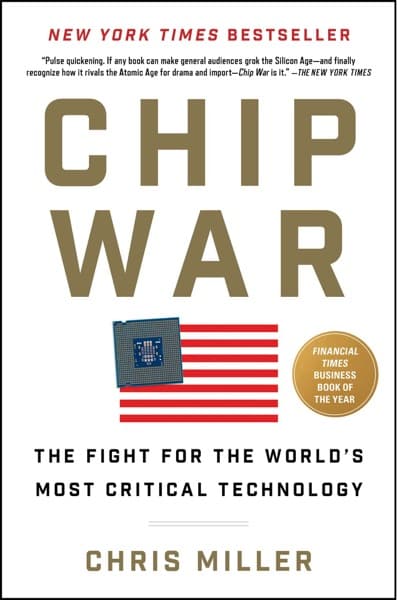
Chip War
Chris Miller, Chris Miller
Finish The Idea Factory with a new instinct: Bell Labs breakthroughs are less lightning-bolt genius and more systems that repeatedly turn research into industry advantage.
Bell Labs treated innovation like an operating system
Gertner anchors the chip era in the institutional DNA of Bell Labs: how labs, talent, and incentives produced transistor-scale leverage. That matters for Chip War thinking because today’s rivalries still hinge on who can reliably convert knowledge into manufacturing and product power.
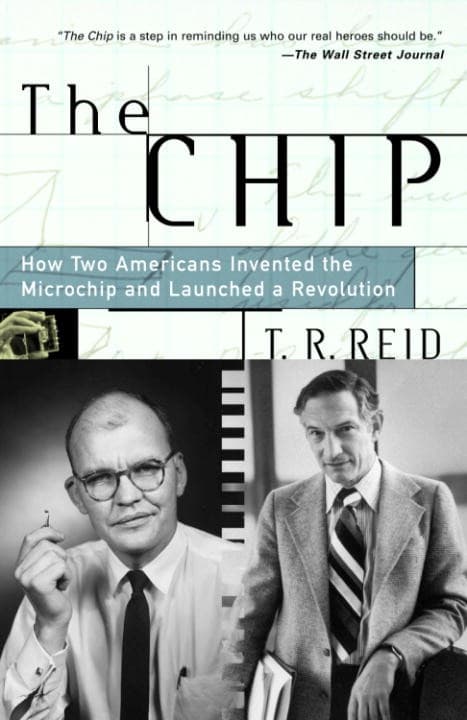
The Chip
T.R. Reid
After The Chip, the microchip stops feeling like a consumer gadget and starts looking like an engine of global leverage.
Microchips redefined cost, speed, and scale of computing
Reid gives an accessible through-line from invention to consequences, which helps you map how semiconductor capabilities ripple into economic and political realities. For Chip War, the key payoff is a clear baseline: what the chip actually changed, and why that change invites competition.
Microchip
Jeffrey Zygmont
Microchip turns Silicon Valley origins into a competitive blueprint: firms win by combining invention, manufacturing reality, and relentless market pressure.
Semiconductor advantage is earned in manufacturing scale
Zygmont’s history of Fairchild and Intel clarifies how semiconductor competition formed around processes, people, and scaling problems. That focus aligns with Chip War analysis because modern battles are often about production capacity and know-how, not just lab prototypes.
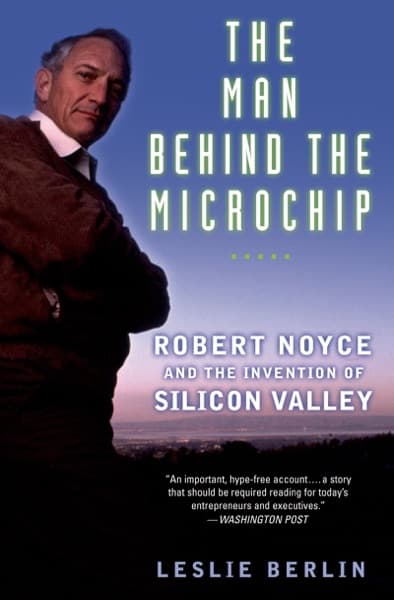
The Man Behind the Microchip
Leslie Berlin
This biography reframes the ‘microchip’ story as a human argument about execution: Robert Noyce’s choices and partnerships shaped what became inevitable in chips.
Noyce helped turn invention into industry structure
Berlin centers Noyce as a driving force in building the chip industry, offering the biographies-of-business angle that many Chip War narratives skip. It matters if you want the early-person decisions behind later geopolitical and corporate strategies, rather than only the outcomes.
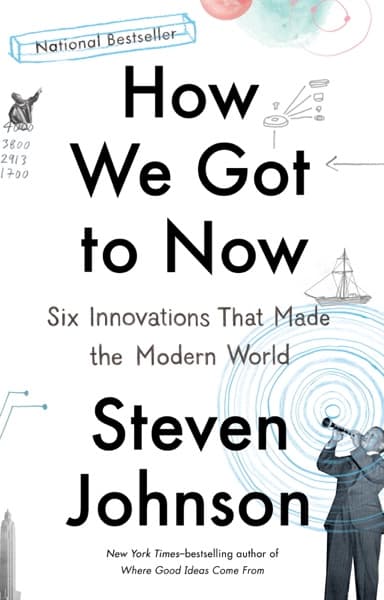
How We Got to Now
Steven Johnson
How We Got to Now makes technological progress feel legible: each step builds on the last like a chain reaction of methods, tools, and expectations.
Technologies advance through networks of prerequisites
Johnson’s approachable storytelling helps you connect computing and chip-enabled change without requiring a prior technical background. That baseline helps when you read Chip War material afterward, because you can better separate what’s truly structural from what’s just hype.
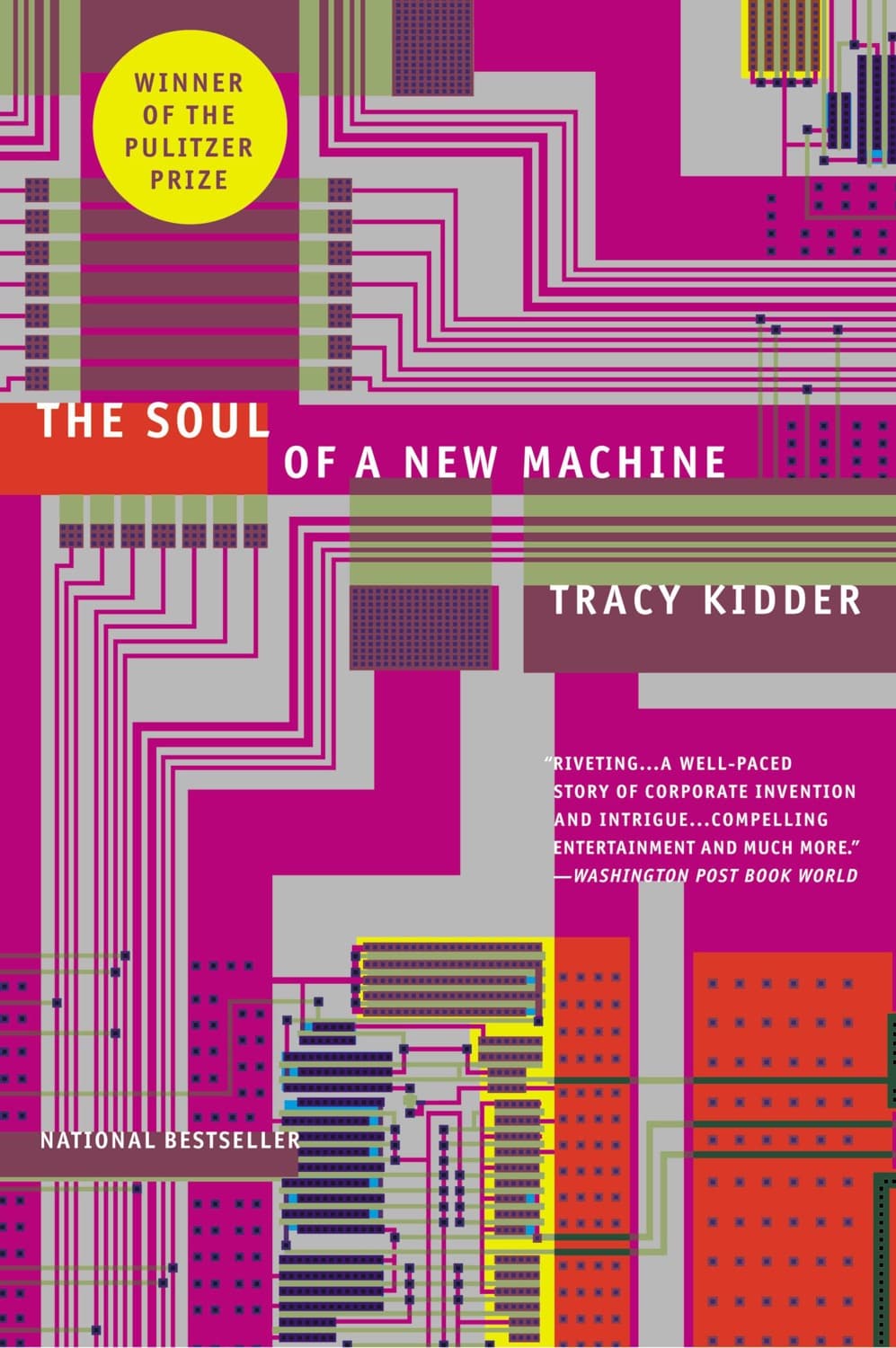
The Soul of a New Machine
Tracy Kidder
The Soul of a New Machine leaves you with respect for engineering culture: ambition becomes a disciplined pressure system, not a slogan.
Engineering teams convert constraints into design decisions
Kidder’s narrative shows how teams build complex computing hardware under constraints, which is the mindset beneath many semiconductor races. For Chip War, it gives emotional and practical context: why timelines, trade-offs, and organizational habits can outweigh raw ideas.
Microchips redefined cost, speed, and scale of computing
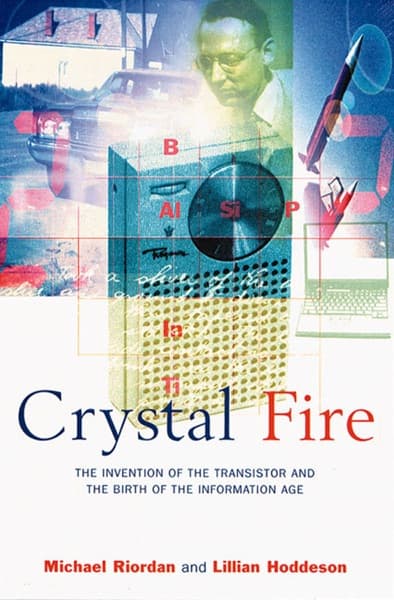
Crystal Fire
Michael Riordan, Lillian Hoddeson
Crystal Fire makes the transistor era feel like a high-stakes turning point where research breakthroughs quietly rewired the future of power.
Transistors unlocked miniaturization at scale
Riordan and Hoddeson track the transistor’s path, including the industrial and scientific routes that made later chips possible. That deeper pre-history strengthens Chip War reading because it clarifies what underlying materials and techniques enabled the leap from theory to mass capability.
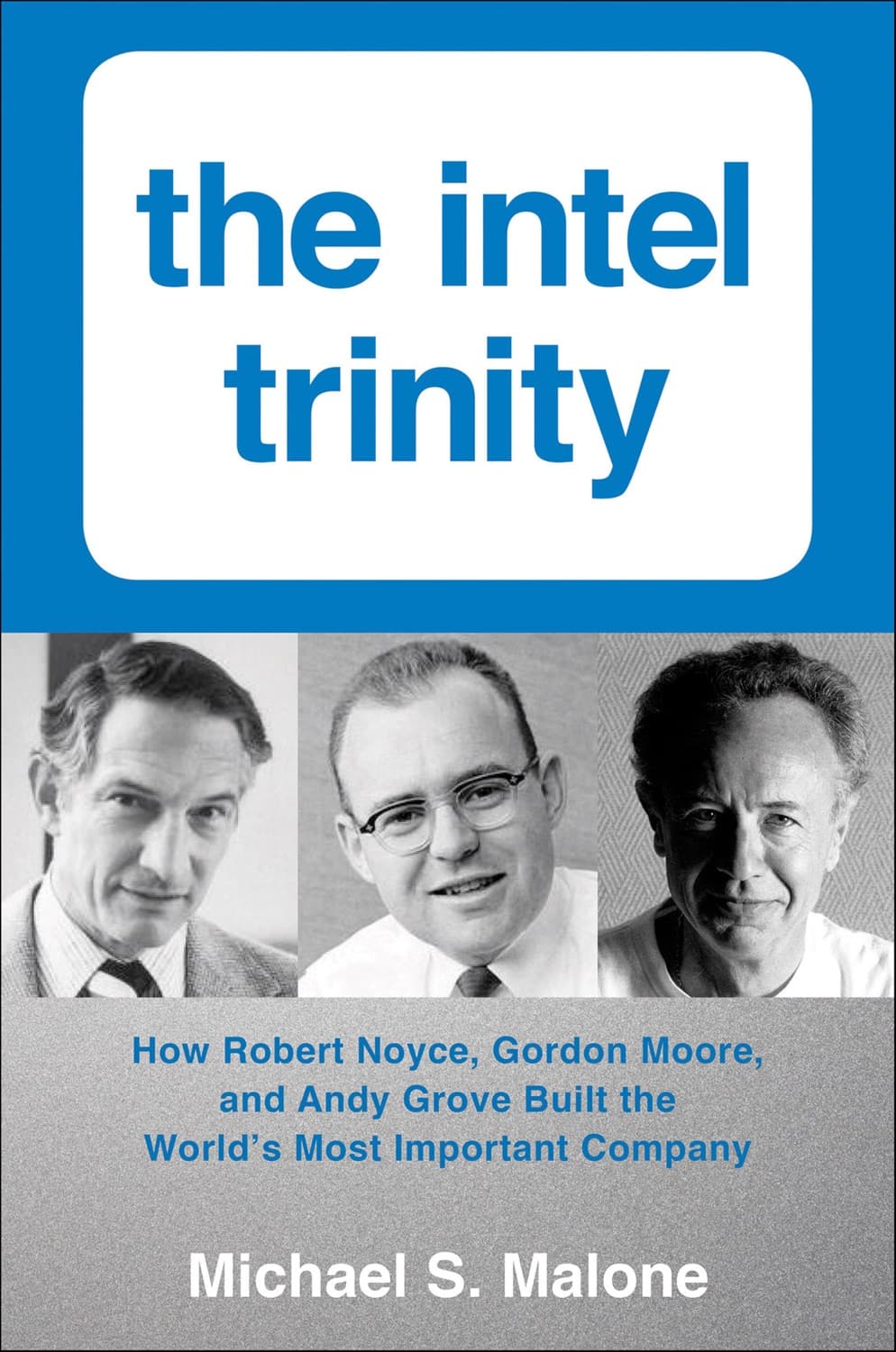
The Intel Trinity
Michael S. Malone
The Intel Trinity is a story of competitive creation: Intel emerges by turning technical bets into durable corporate advantage.
Intel formed around technical and strategic interlock
Malone focuses on Intel’s founding and how the semiconductor industry took shape around strategic decisions and execution. That directly supports Chip War understanding because it shows how an ecosystem and a firm’s internal discipline can become geopolitical-sounding power later.
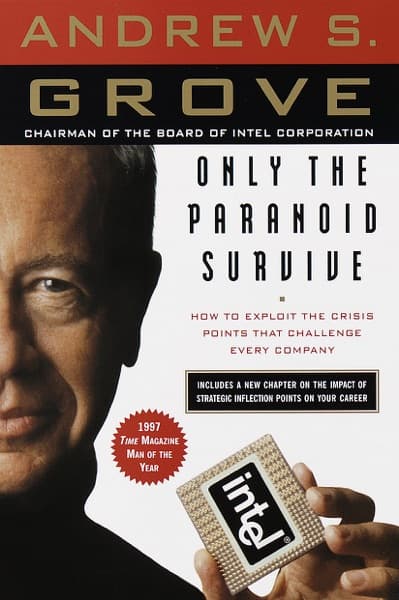
Only the Paranoid Survive
Andrew S. Grove
Only the Paranoid Survive teaches a steel-gray lens: markets don’t punish arrogance, they punish complacency at the moment conditions shift.
Strategic inflection points demand ruthless early action
Grove is unmatched for the strategic inflection-point mindset that Chip War narratives often rely on but rarely explain. If you’re mapping semiconductor competition, his logic helps interpret why leaders panic early, restructure fast, and treat technology as a competitive threat multiplier.
Can we tailor this list for you?
Type your question in the bar below and the AI will tailor a fresh set of picks just for you.