Best Books on Political Speech Writing
Political speech writing gets sharper when you learn framing and persuasion, from Frank I. Luntz’s message discipline to Robert A. Lehrman’s official-ready techniques. Together they shift speechcraft from “style” to measurable impact.
Words That Work, Revised, Updated Edition
Frank I. Luntz
You stop treating wording as decoration and start using language as a lever: specific frames reliably move how people feel and decide.
Frame language before policy language.
Luntz teaches message discipline: how audiences interpret issues based on the words and metaphors that surround them. For political speechwriting, it gives you a repeatable way to craft lines that land with voters and resist counter-framing.
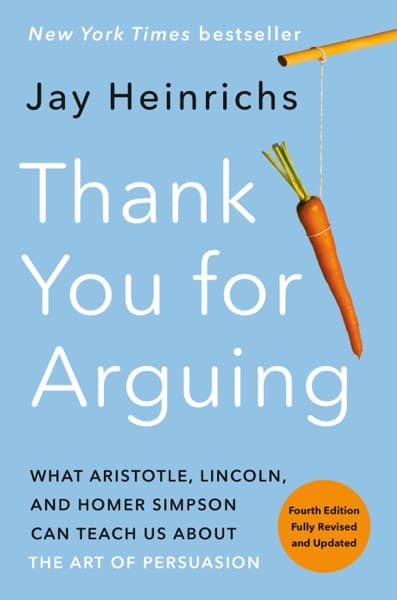
Thank You for Arguing
Jay Heinrichs
Rhetoric stops being abstract and becomes a toolbox: you learn the moves behind persuasion, so your speeches can anticipate pushback.
Steelman the opponent to strengthen your case.
Heinrichs breaks persuasion into tactics you can recognize and employ, from effective reasoning to defusing straw men and loaded phrasing. It fits political speechwriting because speeches are contests of interpretation, not just statements.
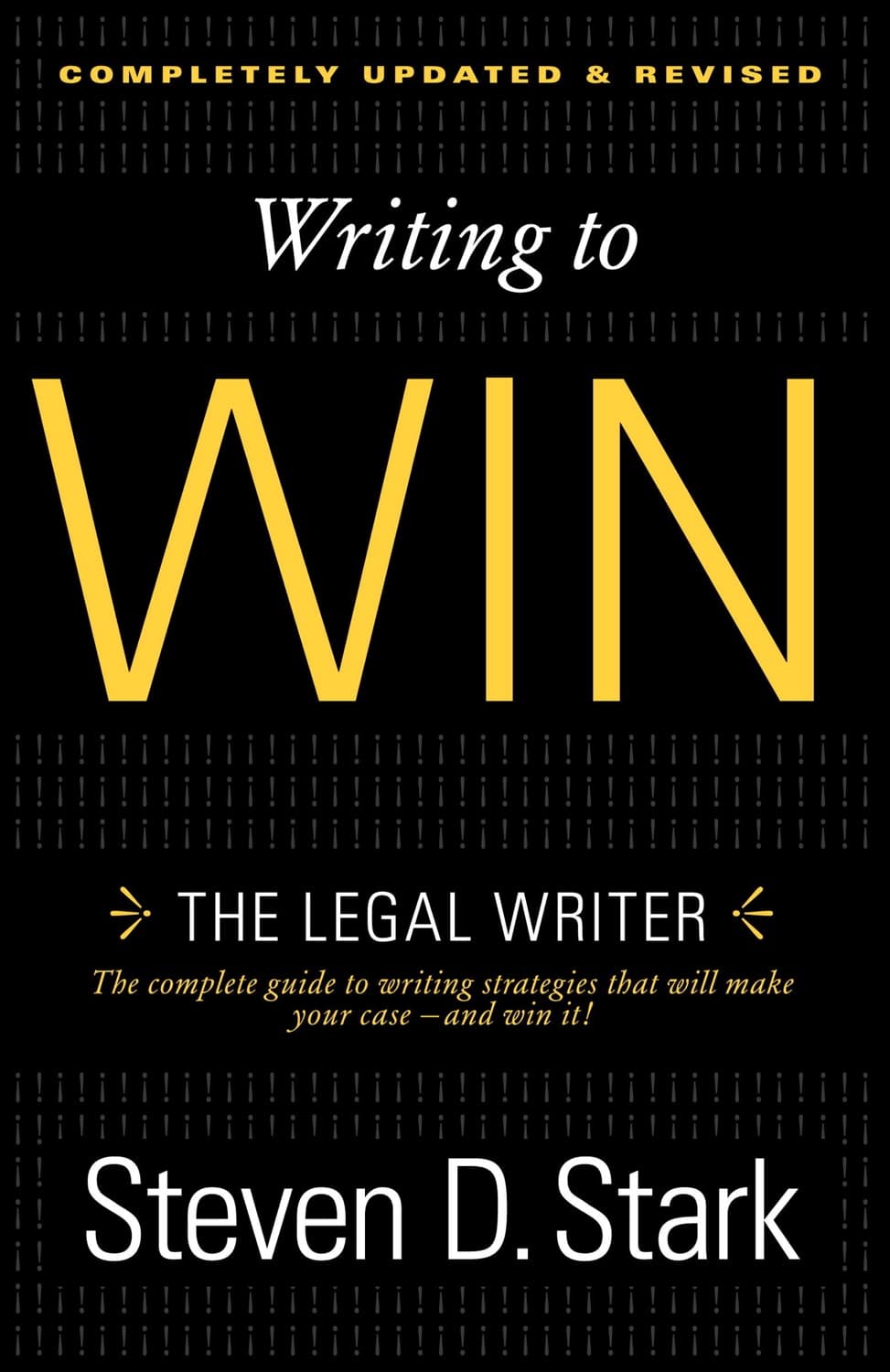
Writing to Win
Steven D. Stark
Your speeches gain courtroom-grade logic: every claim has to earn its place, not just sound convincing.
Support every claim with evidence and inference.
Stark applies rigorous argument writing to speech and political communication, training you to build cases, structure persuasion, and avoid fuzzy reasoning. That matters in political speechwriting because voters and adversaries respond to coherence as much as charisma.
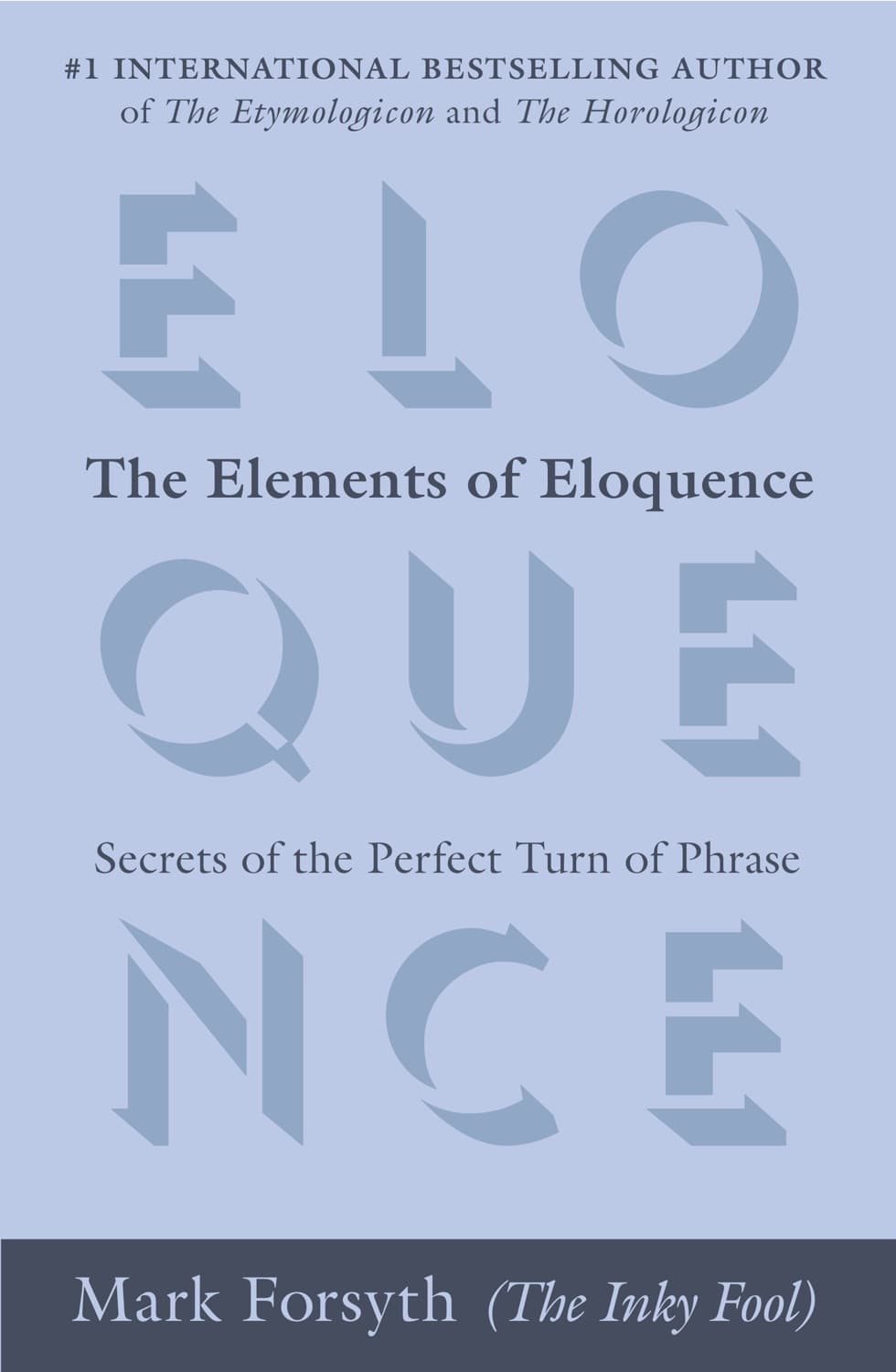
The elements of eloquence
Mark Forsyth
A speech style that feels effortless becomes intentional: you learn the devices that create the cadence people remember.
Use rule-of-three for memorable rhythm.
Forsyth turns rhetorical ornament into named, usable patterns, so your writing can produce memorability without turning into empty flourish. For political speechwriting, this helps you craft lines that stick in public discourse.
Writing to Persuade
Trish Hall
Persuasion stops being vibes and becomes method: you learn how to choose reasons and shape objections into the narrative.
Address objections early to reduce resistance.
Hall emphasizes practical persuasion foundations you can apply directly to political messaging and speech drafts. When you need your speech to move people, not just inform them, this supports the thinking behind the words.
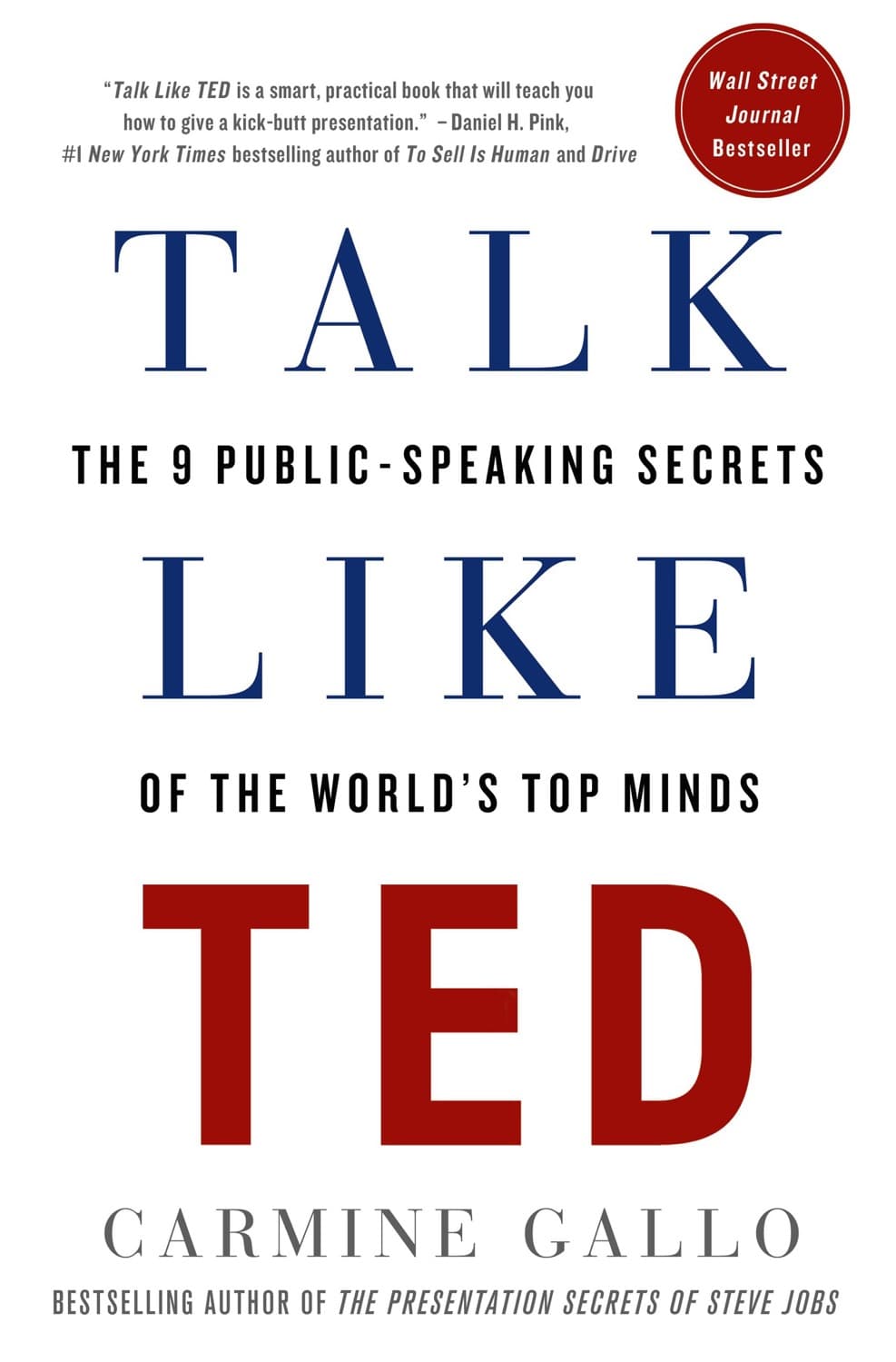
Talk Like TED
Carmine Gallo
You start writing speeches for emotional clarity and memorable ideas, not just polished language.
Use one clear idea per speech.
Gallo focuses on making public talks resonate through structure, simplicity, and audience-first storytelling techniques that transfer to political delivery. Even if you write from a memo or brief, this helps ensure your final speech communicates like a human, not a document.
Steelman the opponent to strengthen your case.
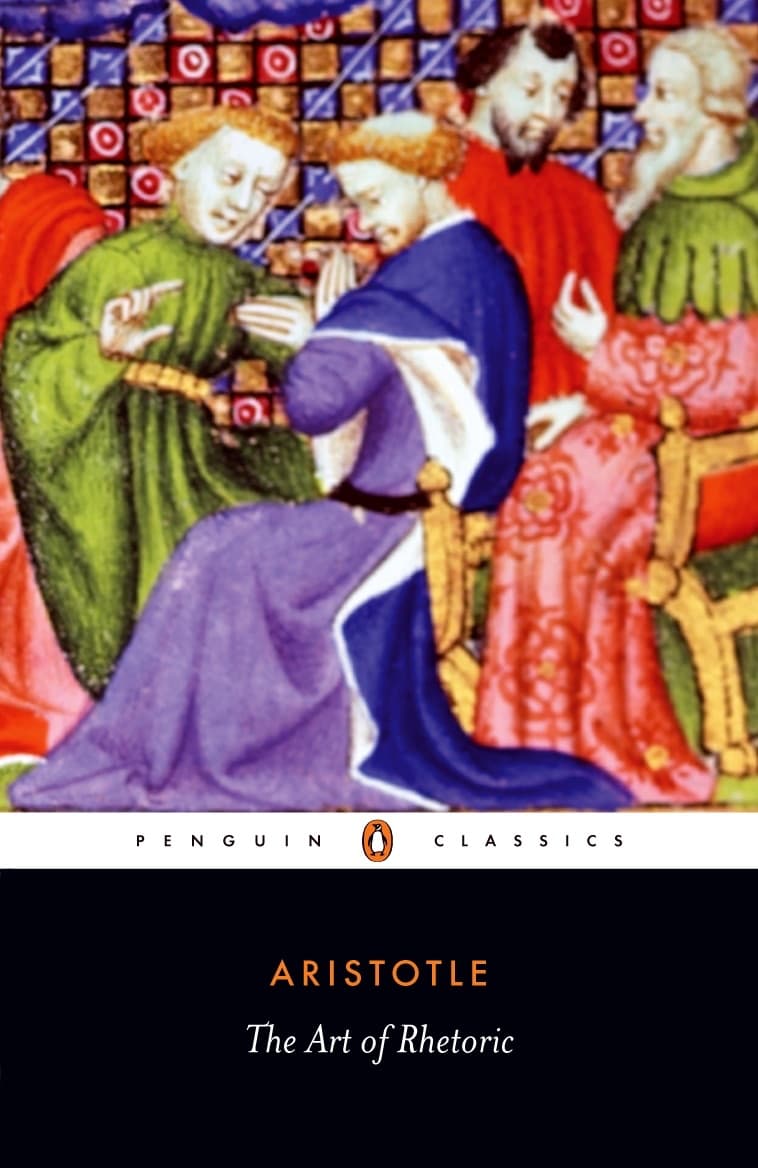
The Art of Rhetoric
Aristotle
Persuasion becomes a system: you learn how ethos, pathos, and logos interact so your speech can be convincing for the right reasons.
Ethos, pathos, logos: build your appeals.
Aristotle provides the foundational map behind political speech arguments across centuries, letting you design speeches with purposeful appeals rather than accidental rhetoric. For speechwriting, it strengthens your underlying strategy before you even decide what to say.
Can we tailor this list for you?
Type your question in the bar below and the AI will tailor a fresh set of picks just for you.