Best Workplace Game Theory Books
Workplace game theory usually means predicting social moves under incentive pressure: these books share one thread of power mechanics, so you learn how influence actually works at work.
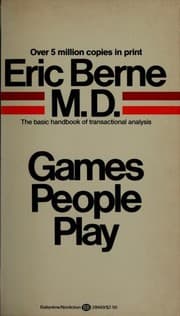
Games People Play
Eric Berne
You will start hearing recurring office “scripts” in everyday conversations and recognize the moment a discussion shifts into a hidden payoff game.
Recognize the hidden payoff under the stated topic
Berne maps how people engineer predictable outcomes through subtle conversational patterns, not rational debate. That matters for workplace game theory because it gives you an ear for incentive-driven interaction cycles, so you can model who benefits when a talk “goes sideways.”
Power
Jeffrey Pfeffer
After this book, “power” stops sounding like charisma and starts looking like measurable leverage: control of resources, networks, and information flows.
Power is resource control plus dependency
Pfeffer replaces vague advice with evidence-based mechanisms for gaining and using influence inside organizations. For workplace game theory, that shift helps you treat power as a system you can analyze, not a mood you hope to inspire.
The 48 Laws of Power
Robert Greene
You will learn to spot the real move behind flattering praise, strategic silence, and “casual” threats before they land.
Never reveal your next move
Greene distills patterns of domination into practical decoding tools for office behavior. It fits workplace game theory when you want a harsher lens for reading incentives and predicting escalation, while also forcing you to notice your own temptation to retaliate in kind.
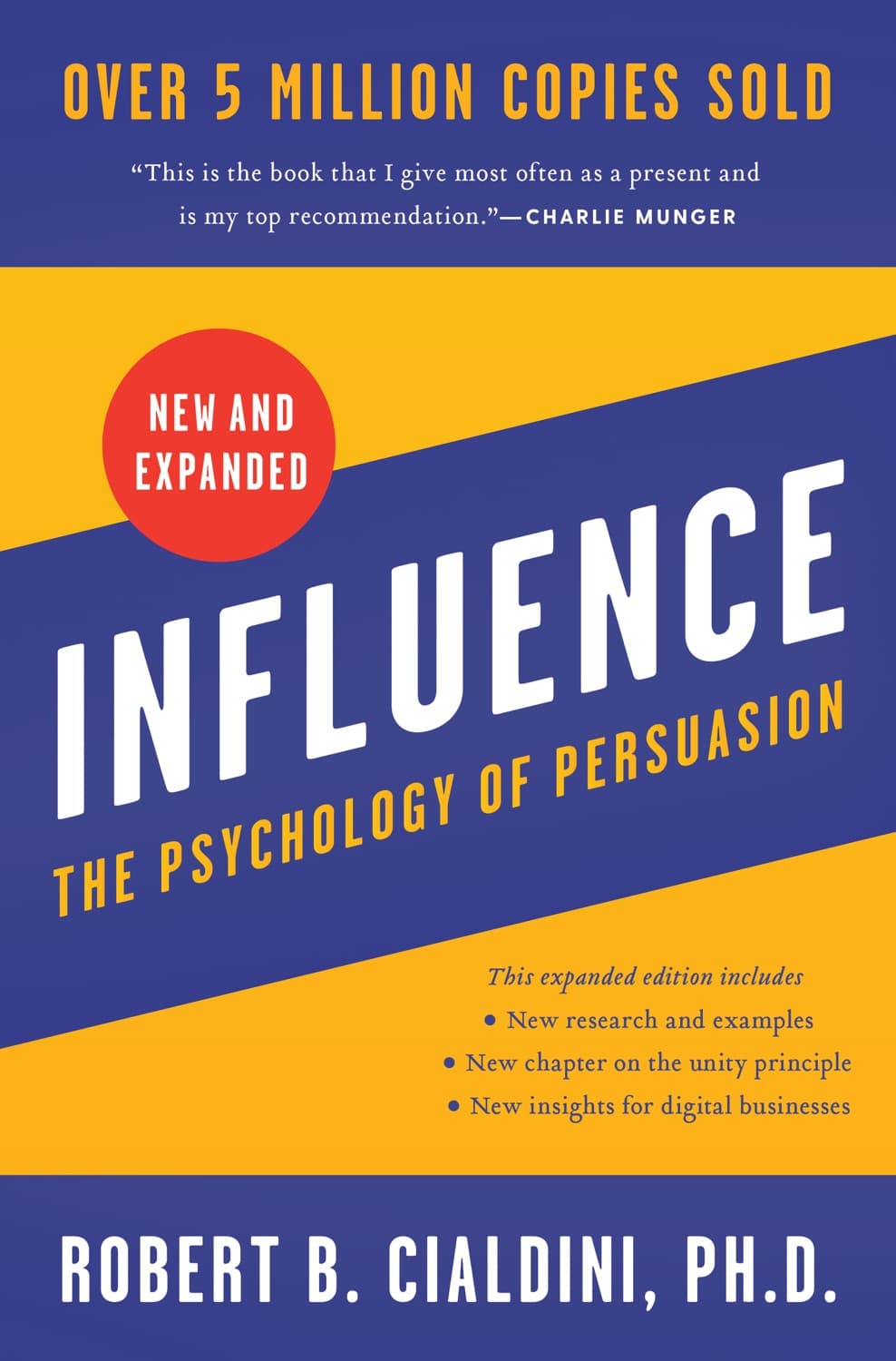
Influence
Robert B. Cialdini
Persuasion becomes predictable: once you spot reciprocation, scarcity, and authority cues, you can anticipate the outcome of many workplace asks.
Authority cues override deliberation
Cialdini’s framework turns meetings and negotiations into testable psychological triggers. That matters for game theory at work because it shows how “choice” gets steered through structured cues, changing the strategic landscape even without overt coercion.
Getting to Yes
Roger Fisher
You will be able to separate the person from the problem, so the conflict stops feeding itself through pride and blame.
Focus on interests, not positions
This book turns negotiation into interest-based problem solving with clear methods for separating positions from interests. In workplace game theory terms, it reduces unproductive signaling and creates a cooperative equilibrium without pretending the other side is reasonable by default.
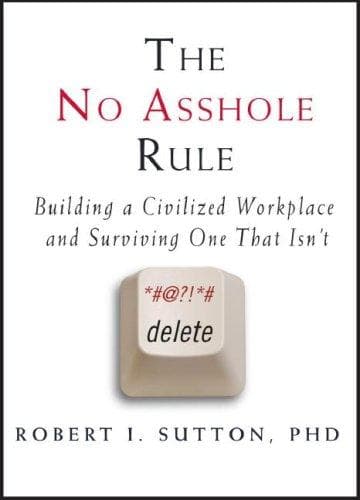
The No Asshole Rule
Robert I. Sutton
It reframes workplace cruelty as an operational cost: toxic behavior quietly breaks performance, retention, and decision quality.
Toxic behavior is bad ROI for everyone
Sutton gives a concrete, pragmatic model for how bad actors distort incentives and create “status games” that waste time and trust. For game theory at work, it adds an important constraint: sometimes the strategy is not outmaneuvering people, but preventing the game from rewarding toxic moves.
Power is resource control plus dependency
Moral mazes
Robert Jackall
You will recognize how “moral” talk in management often masks compliance strategies for surviving bureaucracy.
Avoid blame: success is often compliance plus optics
Jackall’s reporting shows how managers navigate rules, appearances, and self-interest while still sounding principled. For workplace game theory, it turns abstract models into real behavioral tradeoffs: what people do to avoid blame, keep status, and protect careers.
Understanding Power
Noam Chomsky, Penguin Books India PVT, Limited
Power looks less like force and more like framing: language and institutions guide what seems sayable, thinkable, and possible.
Framing narrows perceived choices
Even as a compilation, it helps you read institutional strategy through how arguments are constructed and constraints are normalized. For workplace game theory, it expands the lens beyond personal interactions to the rules of the conversation itself, which shapes everyone’s options.
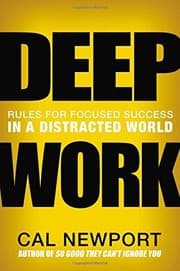
Deep Work
Cal Newport
You can win status by refusing attention games: consistent deep focus makes you valuable in systems overloaded with performative busyness.
Protect time blocks to escape attention games
Newport shifts the game by changing what gets rewarded: outputs that require real cognitive effort, not constant responsiveness. For workplace game theory, it offers a counter-strategy to social manipulation, letting you build leverage through capability while reducing vulnerability to needless political signaling.
Can we tailor this list for you?
Type your question in the bar below and the AI will tailor a fresh set of picks just for you.