Best Framework-Driven Game Theory Books
For game theory frameworks, these picks trade messy intuition for usable models: they sharpen how you reason under uncertainty, incentives, and strategic interaction.
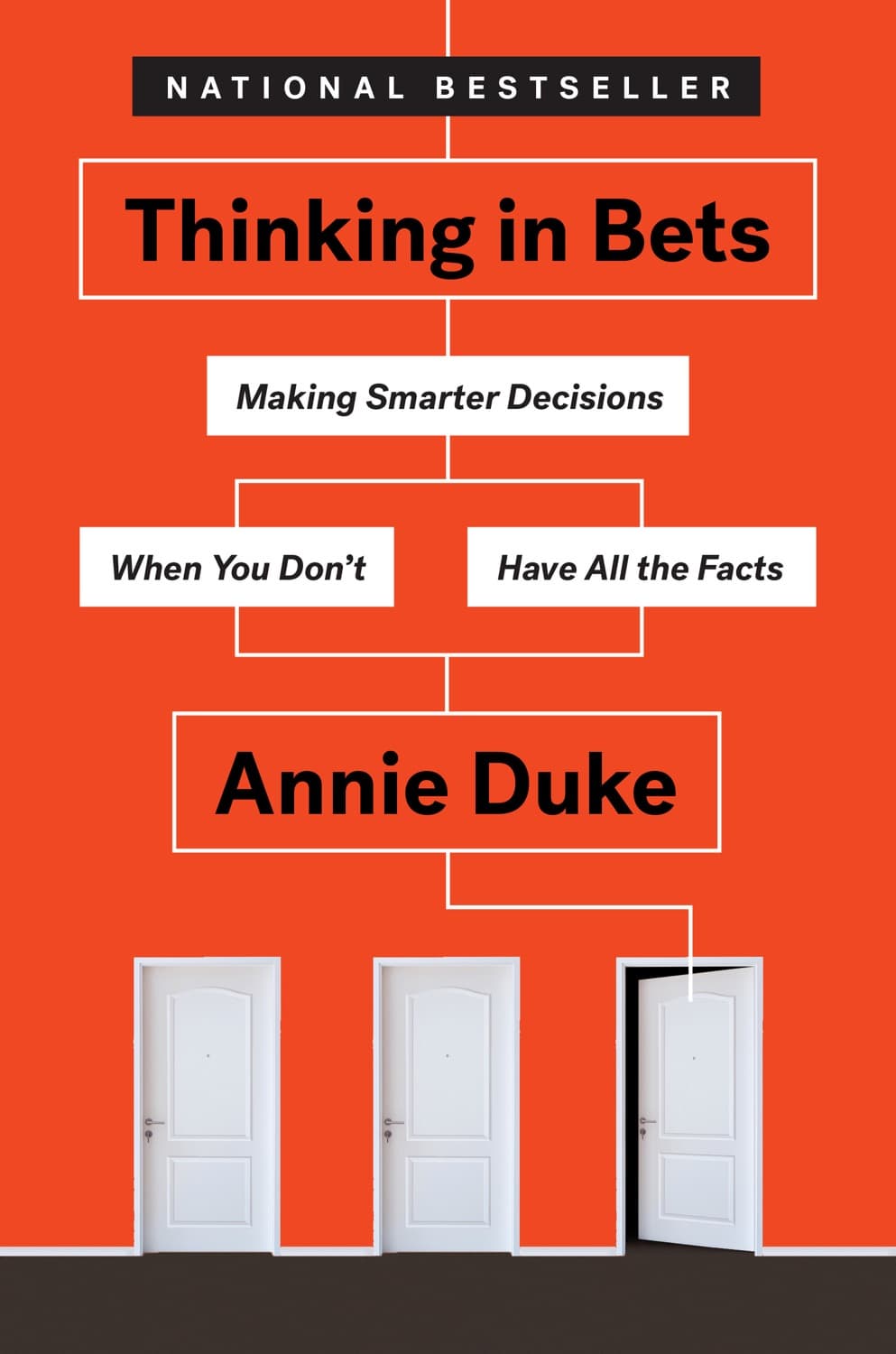
Thinking in bets
Annie Duke
By treating decisions as bets under uncertainty, you can replace confidence with calibration and dramatically reduce costly “I was sure” errors.
Prefer regret minimization over outcome chasing.
Duke turns strategic uncertainty into a repeatable decision framework, with tools for evaluating choices when outcomes depend on others. That matters for game theory because the hardest part is often not the model, but staying rational when you cannot know the state of the world or the other player’s type.
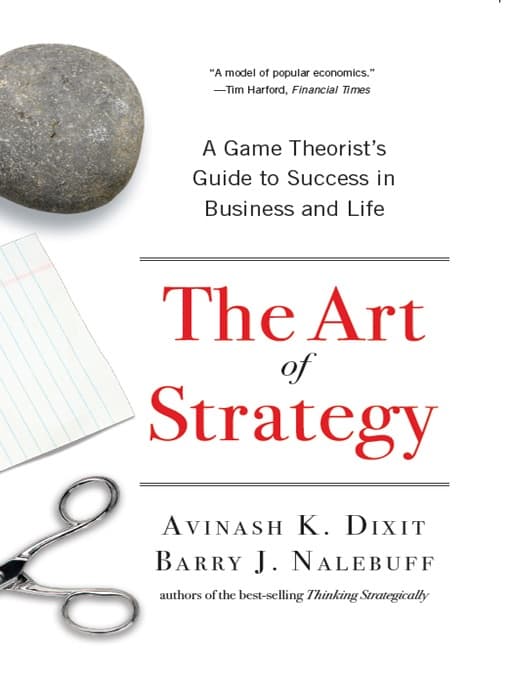
The Art of Strategy
Avinash K. Dixit, Barry J. Nalebuff
In one framework, you can map real disputes, auctions, and pricing to incentives and then see what each side should do next.
Use “the rules of the game” to predict behavior.
This book builds game theory through crisp models and the logic of bargaining, commitment, and incentives rather than math theater. For “frameworks game theory,” it gives you a mental toolkit for turning messy situations into strategic questions you can answer.
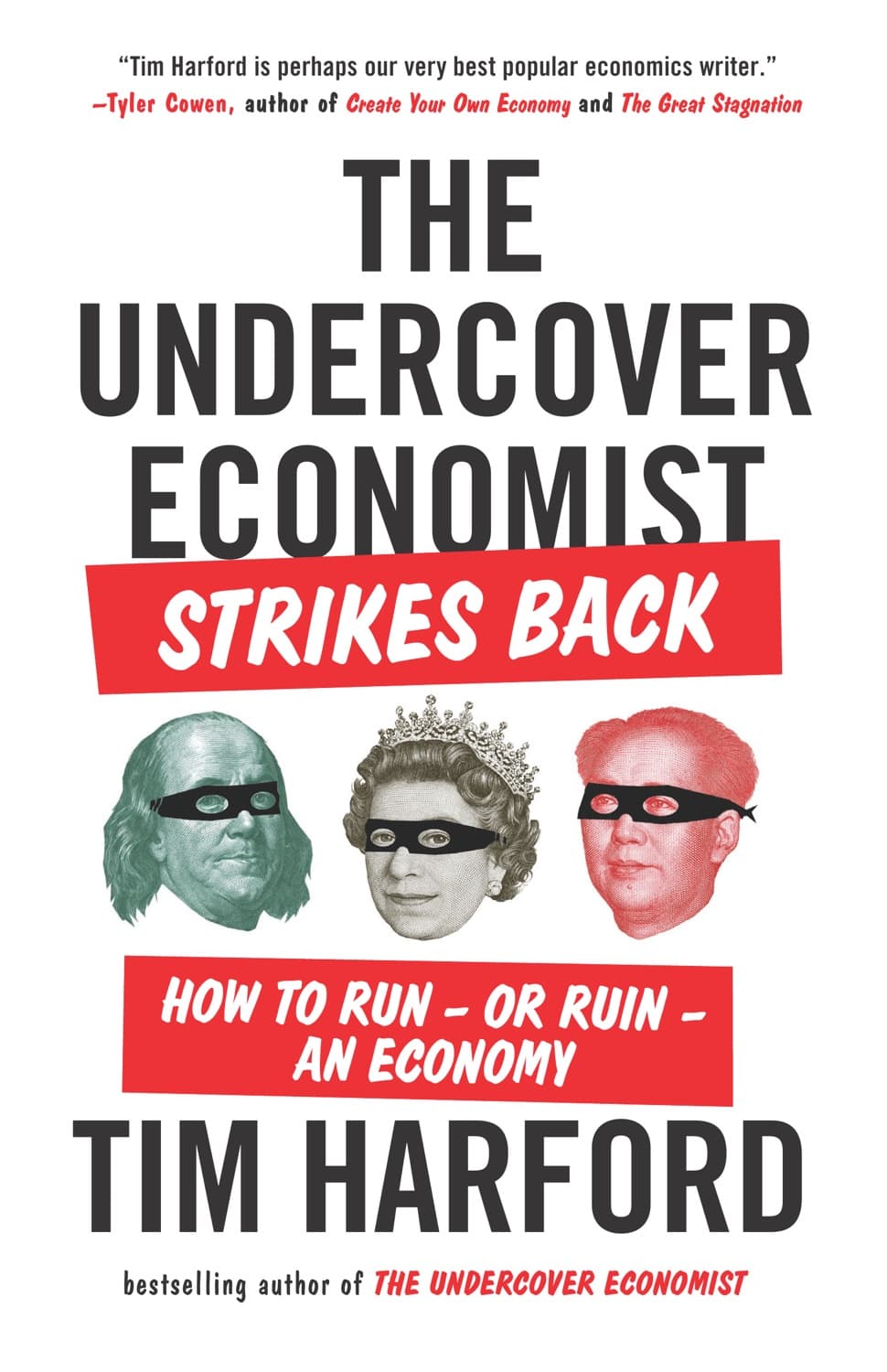
The Undercover Economist Strikes Back
Tim Harford
Market outcomes start looking like game theory once you notice the hidden incentives behind everyday choices.
Follow incentives: people change when rules change.
Harford uses accessible stories to smuggle in strategic concepts like coordination problems and incentives, so the frameworks feel alive. For learning game theory, that shift helps you reason about players and constraints without getting stuck at the formal level.
Game Theory
Ken Binmore
You can think like a strategist by learning a small set of models that explain why bargaining, threat, and cooperation work.
Backward induction turns uncertainty into tactics.
Binmore offers a compact on-ramp to foundational game theory reasoning, focusing on what the models are trying to capture. If your goal is frameworks you can carry into decisions, this helps you build the baseline mental machinery without drowning in notation.
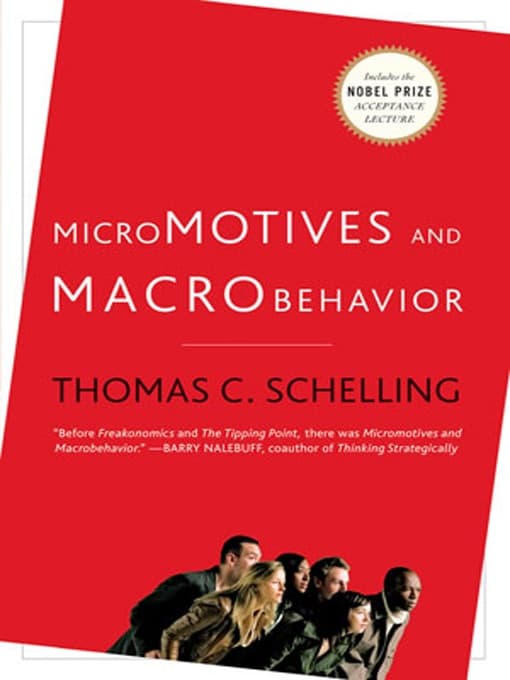
Micromotives and Macrobehavior
Thomas C. Schelling
Slightly biased individual incentives can produce large, surprising segregation patterns at the group level.
Small preferences can create big separations.
Schelling reframes strategic interaction as a bridge from micro motives to macro outcomes, which is a powerful game theory lens. For frameworks game theory, it teaches you to reason about how local incentives compound into global equilibria.
The Joy of Game Theory
Presh Talwalkar
Simple game examples reveal why rational play can still lead to unexpected, sometimes irrational-feeling outcomes.
Mixed strategies explain “randomness with purpose.”
Talwalkar turns core game theory ideas into intuitive, memorable frameworks using vivid examples rather than heavy math. That matters when you need quick strategic lenses you can apply, even if you have limited formal training.
Use “the rules of the game” to predict behavior.
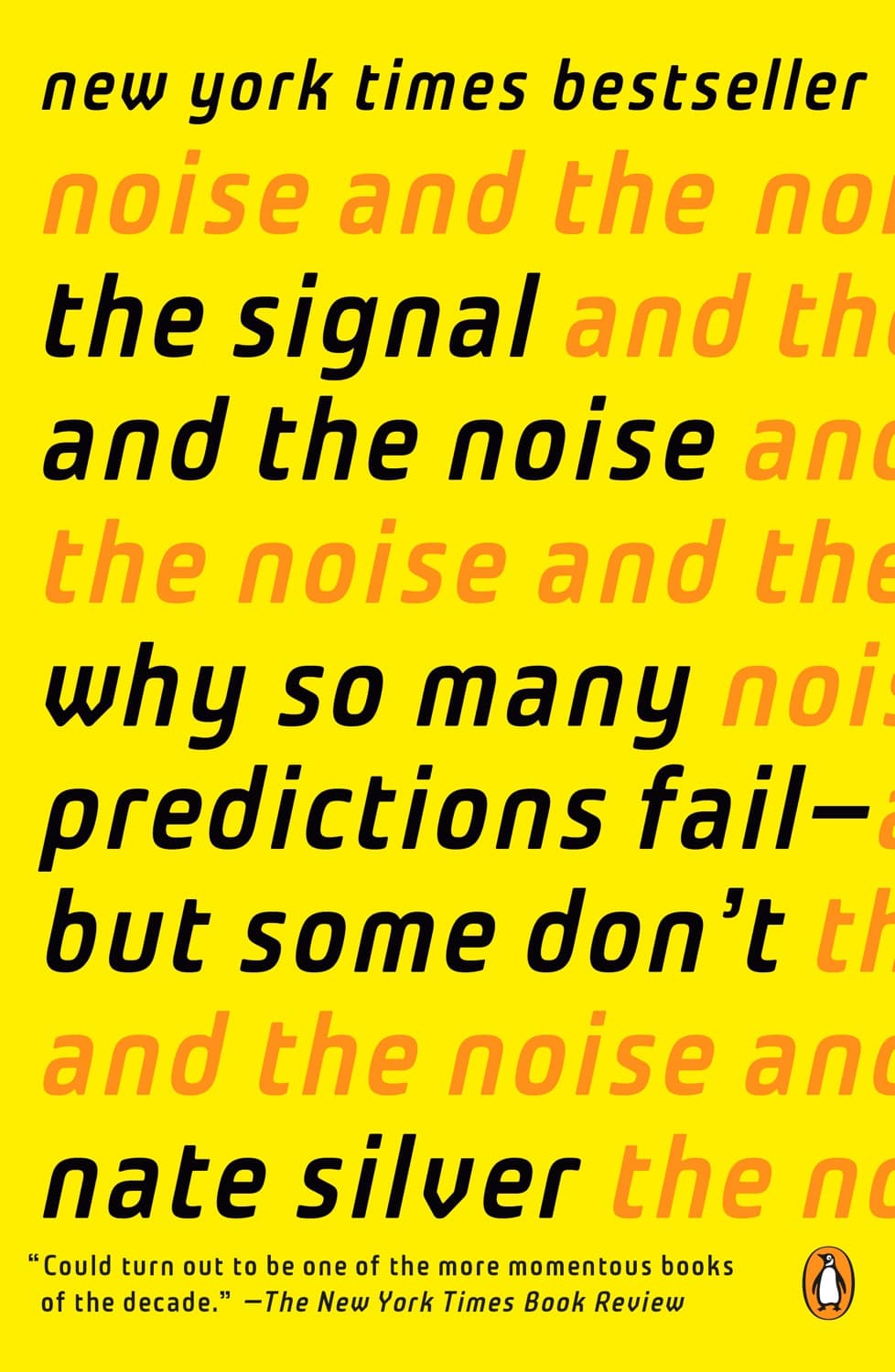
The Signal and the Noise
Nate Silver
Good forecasting is a strategic game: you learn from base rates, calibration, and incentives, not just clever stories.
Base rates often beat vivid narratives.
Silver’s Bayesian decision framework complements game theory by sharpening how to update beliefs under uncertainty when others may react. For strategic situations, the model plus the information process becomes the combined framework you actually need.

The strategy of conflict
Thomas C. Schelling
Credible threats and commitments can move outcomes even when “winning” is not the real goal.
Threats work only if credible and costly.
Schelling delivers an off-axis but essential framework: bargaining power comes from credibility, timing, and coordination, not just payoff arithmetic. For game theory frameworks, it teaches you to analyze strategic interaction through commitment and deterrence, the parts most introductions skip.
Can we tailor this list for you?
Type your question in the bar below and the AI will tailor a fresh set of picks just for you.