Best Books on Transitioning to Data Science
Transitioning to data science works best when the learning is paired with real workflows: Field Cady’s The Data Science Handbook (2024) and Cathy O’Neil and Rachel Schutt’s Doing Data Science give you role-ready practice, not just theory.
Build a Career in Data Science
Emily Robinson, Jacqueline Nolis
Finishing Build a Career in Data Science leaves you with a concrete plan for moving from “learning” to “employable” signals across skills, projects, and applications.
Turn learning into portfolio evidence, not notes.
It translates the vague idea of “becoming a data scientist” into transition-ready choices: what to learn, how to demonstrate it, and how roles typically expect you to think. That matters when you are switching into data science and need a map you can actually execute.
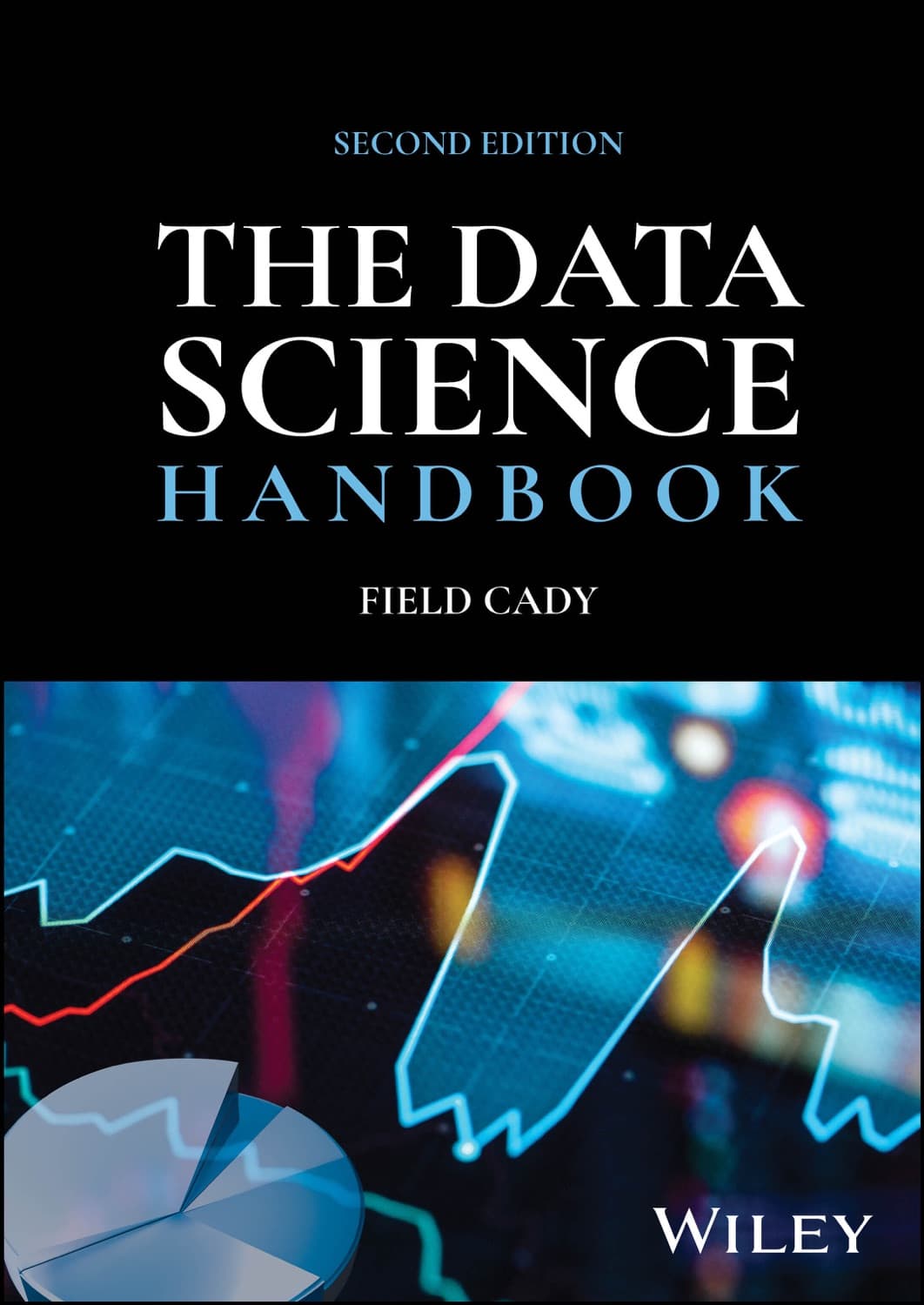
The Data Science Handbook
Field Cady
The Data Science Handbook changes your perspective from “which model is best” to “which workflow and role practices get you to results.”
Career success starts with workflow literacy.
It lays out how data science work is organized in the real world: roles, tools, and day-to-day expectations. For a transition, that role clarity helps you pick the right projects and avoid building skills that do not match how teams operate.
Doing Data Science
Cathy O'Neil, Rachel Schutt
Doing Data Science forces you to treat projects like end-to-end investigations, where assumptions, data quality, and iteration drive the outcome.
Treat analysis as a loop, not a pipeline.
Instead of staying at the “what is data science” level, it focuses on how practitioners actually move from questions to analysis and decision-making. For someone transitioning, that industry lens helps you build instincts for messy, real datasets and not just tidy examples.
Practical Statistics for Data Scientists: 50 Essential Concepts
Peter Bruce, Andrew Bruce, Peter Gedeck
Practical Statistics for Data Scientists gives you a usable statistical vocabulary so you can reason about uncertainty instead of guessing.
Confidence and prediction intervals answer different questions.
It targets the exact foundation career switchers need for applied work: common concepts, when they matter, and how to interpret results. That directly supports the transition moment when models and metrics start to mean something beyond formulas.
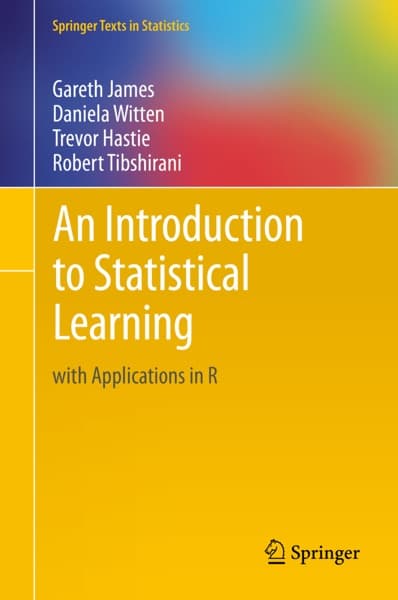
An Introduction to Statistical Learning
Gareth James, Daniela Witten, Trevor Hastie, Robert Tibshirani
An Introduction to Statistical Learning turns machine learning into an understandable set of trade-offs, so you stop seeing algorithms as magic boxes.
Bias-variance tradeoff explains most modeling outcomes.
It’s the canonical bridge from intuition to formal models: regression, classification, resampling, and model evaluation explained in a newcomer-friendly way. For transitioning to data science, it gives you the statistical “why” behind the tools you will later implement.
Python For Data Analysis
Wes McKinney
Python For Data Analysis makes your data work feel tactile, where cleaning, grouping, and reshaping become second nature through pandas.
pandas transforms data through powerful indexing and grouping.
When you are switching into data science, hands-on tooling is what turns concepts into competence. This book grounds that in the practical mechanics you need for real analyses and common data workflows.
Career success starts with workflow literacy.
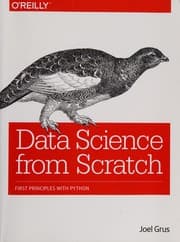
Data science from scratch
Joel Grus
Data science from scratch changes the transition from “using libraries” to “understanding the machinery,” so you can debug and reason about models.
Learn algorithms by building them, line by line.
It builds core ideas from first principles and then implements them, strengthening your ability to learn new techniques without relying on copy-paste recipes. That independence is especially valuable during a career transition where the domain changes quickly.
Introduction to Machine Learning with Python
Andreas C. Müller, Sarah Guido
Introduction to Machine Learning with Python gives you a modern, applied mental model for machine learning using scikit-learn conventions.
Use train-test evaluation to avoid false confidence.
It is designed to help readers transition into practice by connecting algorithms to practical workflows and evaluation. For a switch into data science, that means you learn what to do, not just what a model name means.
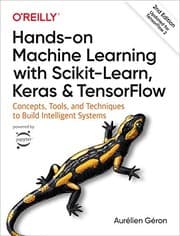
Hands-On Machine Learning with Scikit-Learn, Keras, and TensorFlow
Aurélien Géron
Hands-On Machine Learning with Scikit-Learn, Keras, and TensorFlow pushes you from toy examples to end-to-end modeling habits: preprocessing, training, evaluation, and iteration.
Data preprocessing often determines model success.
It’s a widely used applied ML reference that helps you practice the real mechanics you will need in data science roles. For transitioning, it reinforces the skills hiring signals often assume: turning a dataset into a validated model.
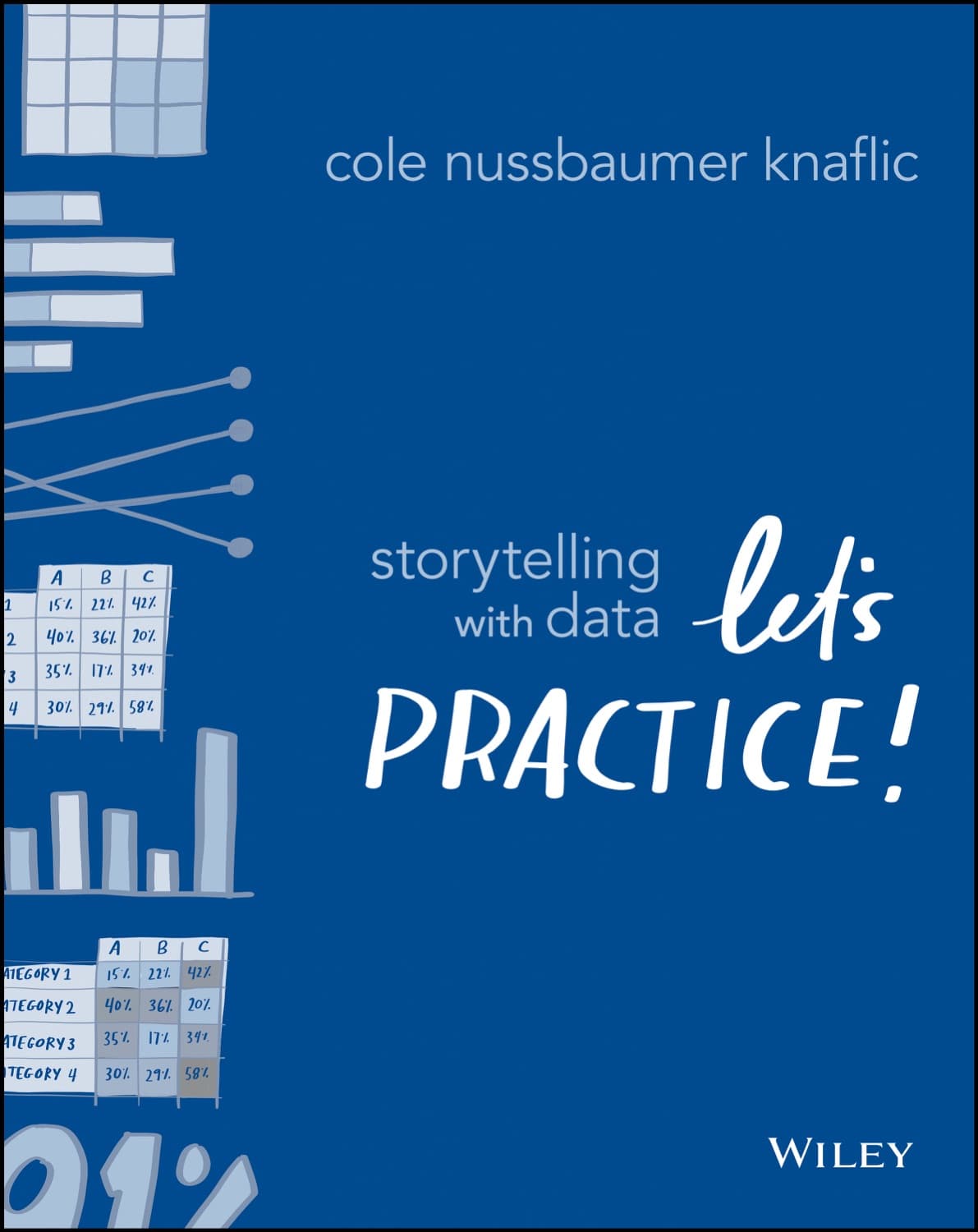
Storytelling with Data
Cole Nussbaumer Knaflic
Storytelling with Data replaces “more charts” with clear decisions, so your work lands as insight instead of information overload.
Lead with the message, then show the chart.
Data science interviews and roles are not only about building models, but also about communicating what they mean. This helps you present results with a narrative structure that others can act on, which is a common gap during transitions.
Can we tailor this list for you?
Type your question in the bar below and the AI will tailor a fresh set of picks just for you.