Best Books on Political Corruption
Political corruption, from Watergate to municipal machine politics: these titles by Bernstein and Woodward, Caro, Halberstam, and Mayer show how power stays protected through patronage, deception, and cover-ups.
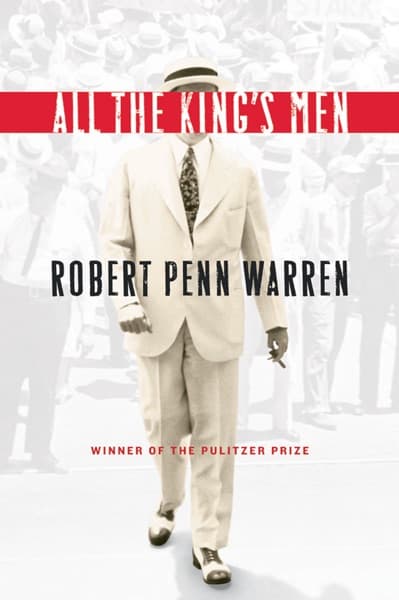
All the King's Men
Robert Penn Warren
By the end, “public service” looks like a costume: power is built from hunger, patronage, and the stories people accept.
Patronage turns belief into bargaining power.
Warren anatomizes corruption from inside a single political rise, showing how ideals become leverage and conscience becomes negotiable. That makes it useful when you want more than case details: you want the human engine behind corruption.

The Best and the Brightest
David Halberstam
Elite confidence collapses into selective facts and self-serving decisions that quietly reshape a whole public reality.
Prestige can sanitize deception.
Halberstam tracks how a high-status political class can rationalize deception until failure feels inevitable. If you are tracing corruption beyond bribes, this reveals how prestige and bureaucratic maneuvering can function like corruption.
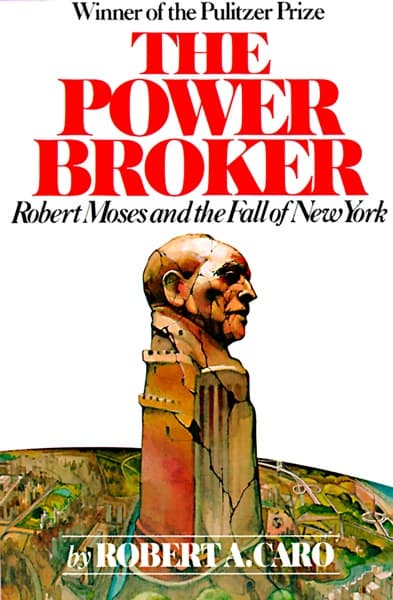
The Power Broker
Robert A. Caro
Unelected authority becomes a machine: a planner’s vision turns into coercion, sidelined people, and favors that never look like bribery.
Patronage thrives on accountability gaps.
Caro spends relentless attention on patronage networks, institutional loopholes, and the practical bargains behind “progress.” If political corruption for you includes power without accountability, this gives a blueprint for how it works.
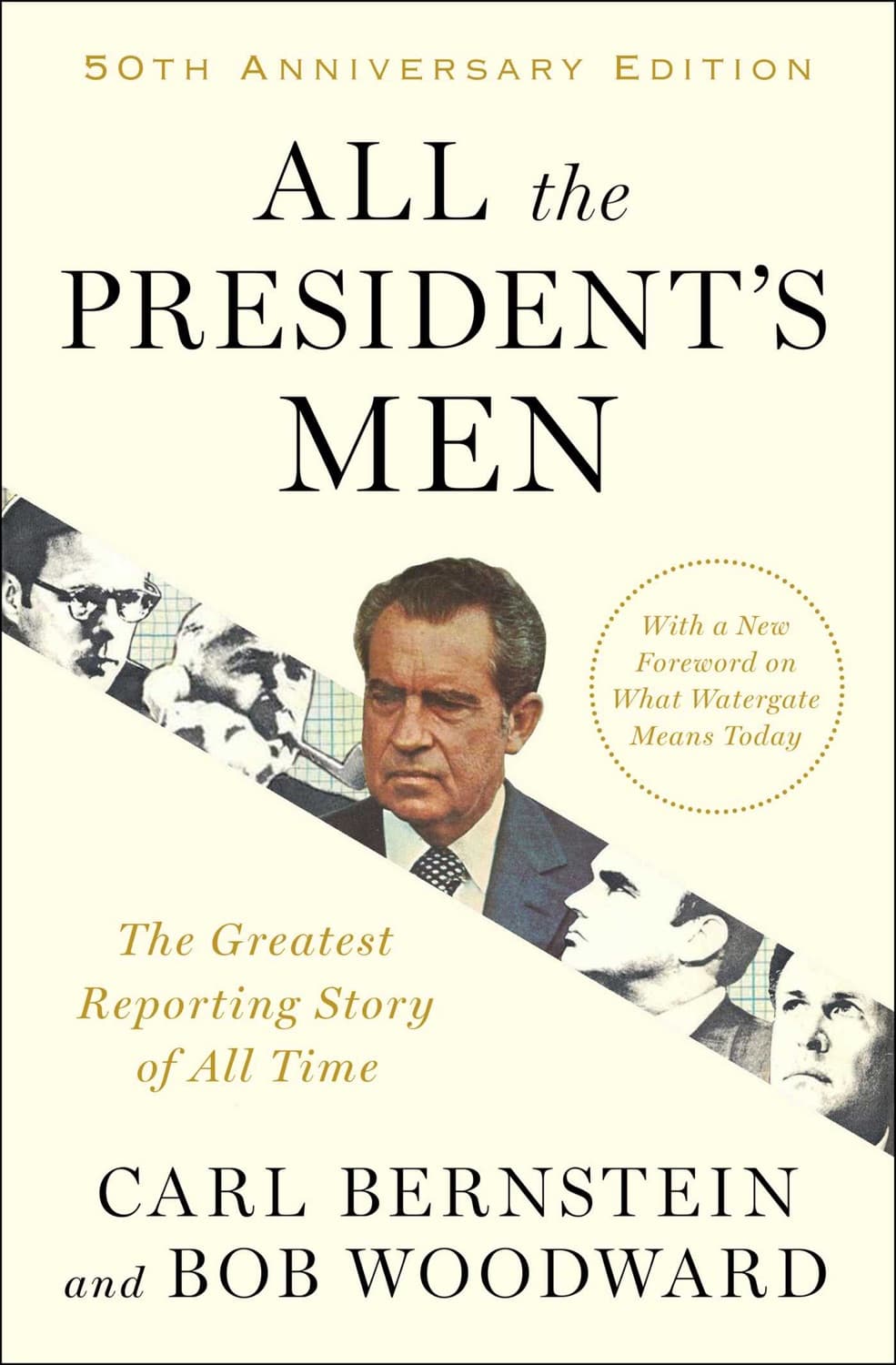
All the President's Men
Carl Bernstein, Bob Woodward
It turns corruption into a trail: denial, paper, and pressure collapse under persistence and sourced detail.
Corruption breaks under documented pressure.
Bernstein and Woodward show how executive wrongdoing survives through secrecy until reporting forces the story into the open. That matches a corruption focus where you want method: how cover-ups fail in the real world.
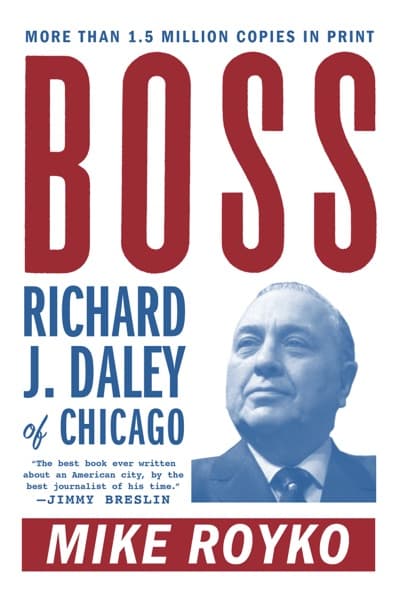
Boss
Mike Royko
Machine politics reads like a lived ecosystem: favors circulate, morality bends, and the city learns to trade consent for access.
Local systems normalize graft.
Royko’s municipal lens captures graft not as a one-off crime but as a durable local system. If your interest is corruption at street level, this makes it tangible without needing conspiracy theory to explain it.
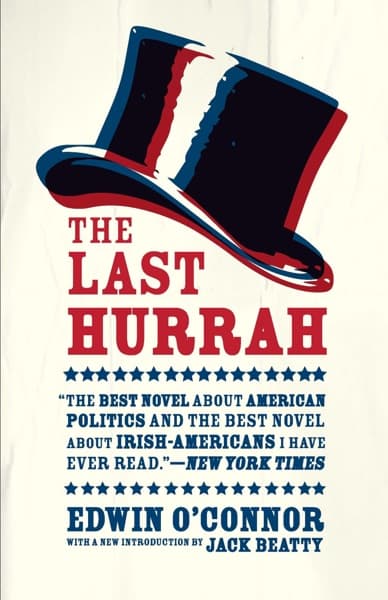
The Last Hurrah
Edwin O'Connor
When the old guard goes, the contracts do not vanish: transactional loyalty simply changes owners.
Machines outlive champions by selling loyalty.
O'Connor’s fiction is steeped in how urban machines monetize loyalty while still sounding civic-minded. It is a strong fit if you want corruption as culture: manners, bargaining, and political identity.
Prestige can sanitize deception.
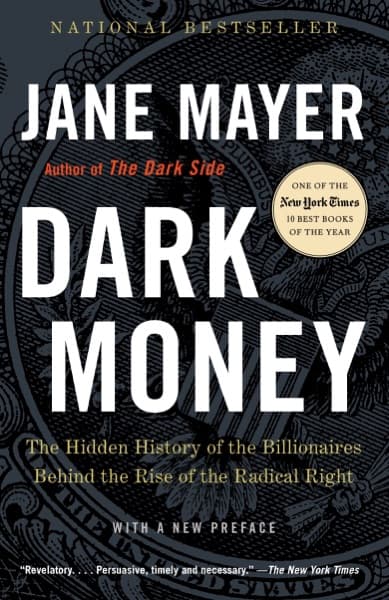
Dark Money
Jane Mayer
Influence without transparency turns democracy into a marketplace where the buyer controls the headline.
Dark money hides power behind legal fog.
Mayer maps how hidden funding shifts policy outcomes while staying legally obscured, showing corruption as infrastructure. For modern corruption concerns, this reframes bribery into funding channels, intermediaries, and strategic secrecy.
McMafia
Misha Glenny
Organized crime does not just exploit states: it becomes a partner in privatization, corruption, and legitimacy laundering.
Crime and politics merge through networks.
Glenny connects the criminal economy to political systems across borders, showing how corruption can be transnational infrastructure. If you want corruption beyond one country or one scandal, this widens the lens.
The Forty Years War
Len Colodny, Tom Shachtman
It reframes political wrongdoing as a long campaign of intimidation, manipulation, and strategic exposure rather than a single moment.
Cover-ups are built from relationships.
Centered on Watergate-era power abuse, it emphasizes how patterns of wrongdoing persist through alliances and institutional cover. That helps if you are studying corruption as recurring tactics, not a one-time catastrophe.
Can we tailor this list for you?
Type your question in the bar below and the AI will tailor a fresh set of picks just for you.