Best Books on Lobbying
Lobbying books by Birnbaum, Drutman, and Baumgartner explain Washington influence as a system you can see: money, institutions, and measurable policy outcomes, not vague “backroom” claims.
The Lobbyists
Jeffrey H. Birnbaum
Finish Birnbaum and Washington lobbying stops feeling mysterious: you can picture the firms, the incentives, and the negotiation choreography behind “access.”
Access is built through repeatable relationships and positioning.
Rather than treating lobbying as an abstract scandal, it traces how lobbyists actually operate in the policy world, with attention to firms and relationships. That perspective helps you understand lobbying as an industry with repeatable practices, not one-off persuasion.
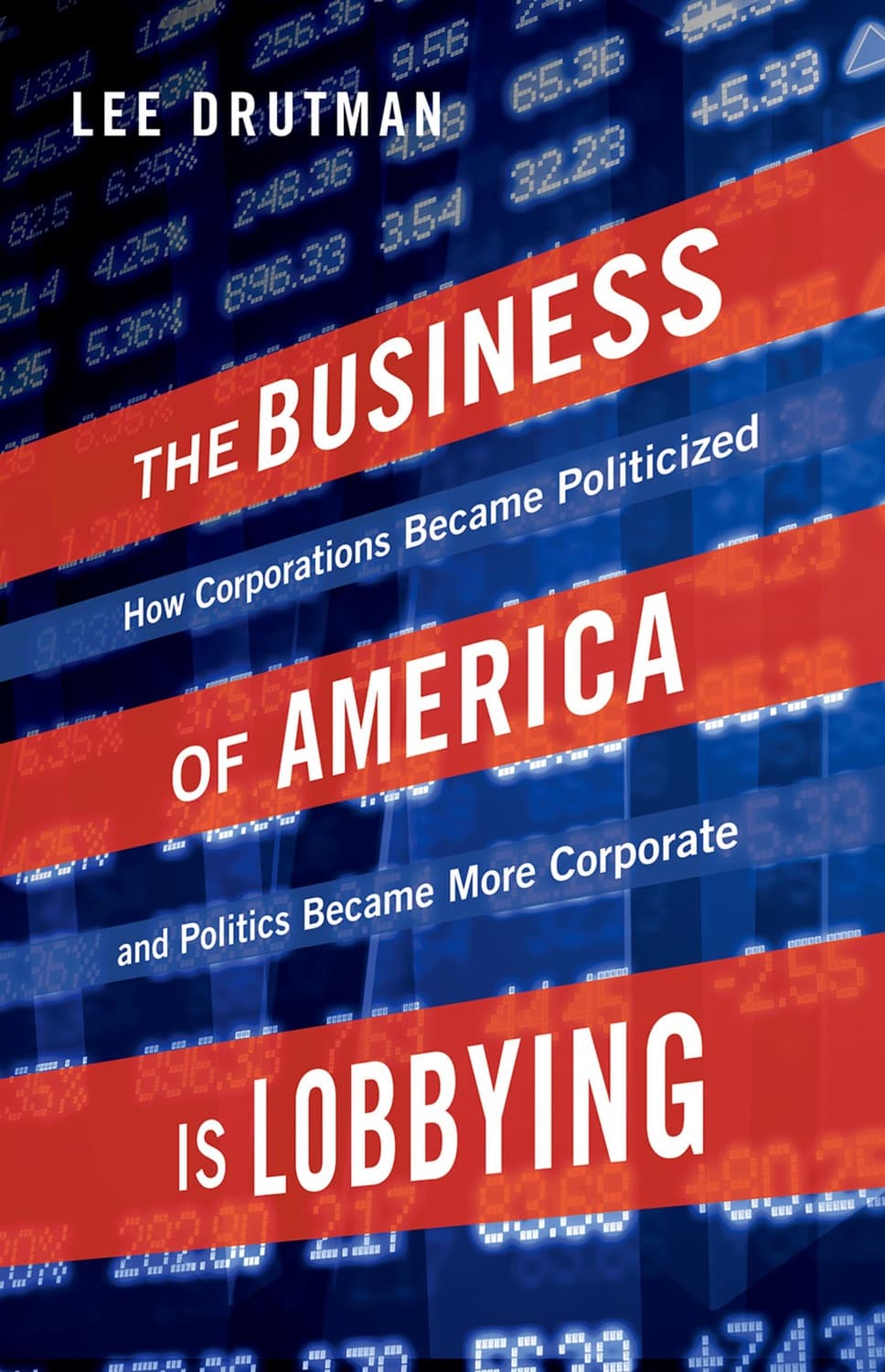
The Business of America is Lobbying
Lee Drutman
Drutman reframes corporate lobbying as an organizing system that has scaled, professionalized, and reshaped what “business interests” look like in politics.
Lobbying power tracks organization and incentives, not just wealth.
This modern analysis follows how lobbying capacity grows and concentrates, and how that changes the policy agenda. It fits a lobbying reading list when you want structure and trends, not just personalities or insider anecdotes.
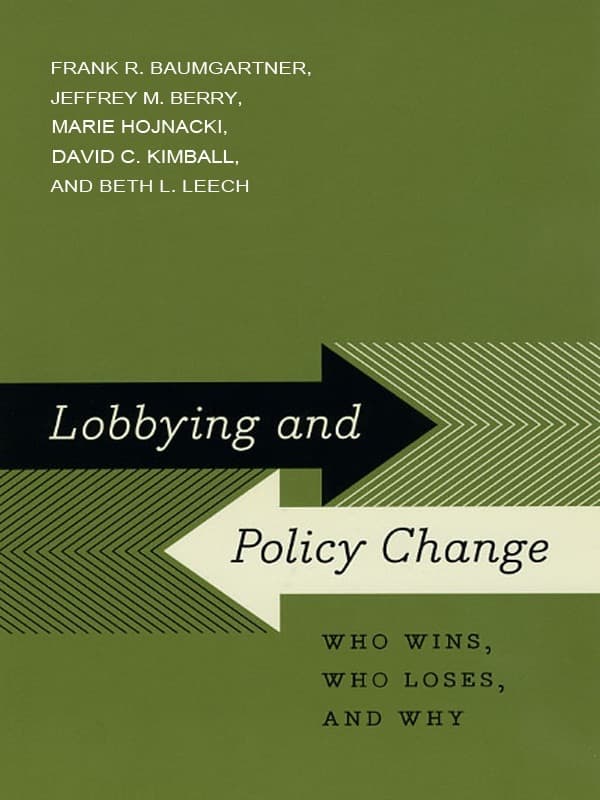
Lobbying and Policy Change
Frank R. Baumgartner, Jeffrey M. Berry, Marie Hojnacki, Beth L. Leech, David C. Kimball
Baumgartner and colleagues force a harder standard: lobbying is assessed by whether policy actually changes, not by who sounded most persuasive.
Policy change evidence beats anecdotes when evaluating lobbying impact.
This empirical work connects lobbying activity to policy outcomes across major issues, giving you evidence about when influence seems to matter. For lobbying research, it sharpens your lens by emphasizing measurable effects and variation across cases.
The Third House
Alan Rosenthal
Rosenthal makes lobbying feel like an official-seeming power center: a “third house” that shapes governance outside the two parties and formal legislative process.
Lobbying functions as a parallel institution shaping governance.
It offers a readable primer on how lobbying works beyond a single city or scandal cycle, emphasizing roles, pathways, and institutional effects. That makes it a good entry point if you want clarity about how lobbying fits the wider political process.
Checkbook Democracy
Darrell M. West
West shows how money management and institutional design turn lobbying into a strategy problem, not just a question of persuasion.
Strategy follows funding channels and institutional access.
This guide focuses on practical tactics and the systems that connect funding, institutions, and influence. If your goal is to understand lobbying through what organizations do, not only what they say, it aligns closely with that angle.
Can we tailor this list for you?
Type your question in the bar below and the AI will tailor a fresh set of picks just for you.