Best Books on Government Whistleblowers
Government whistleblowers come into focus through Glenn Greenwald’s No Place to Hide and Edward Snowden’s Permanent Record: the moment secrecy meets personal risk, and the story tilts from policy to consequence.
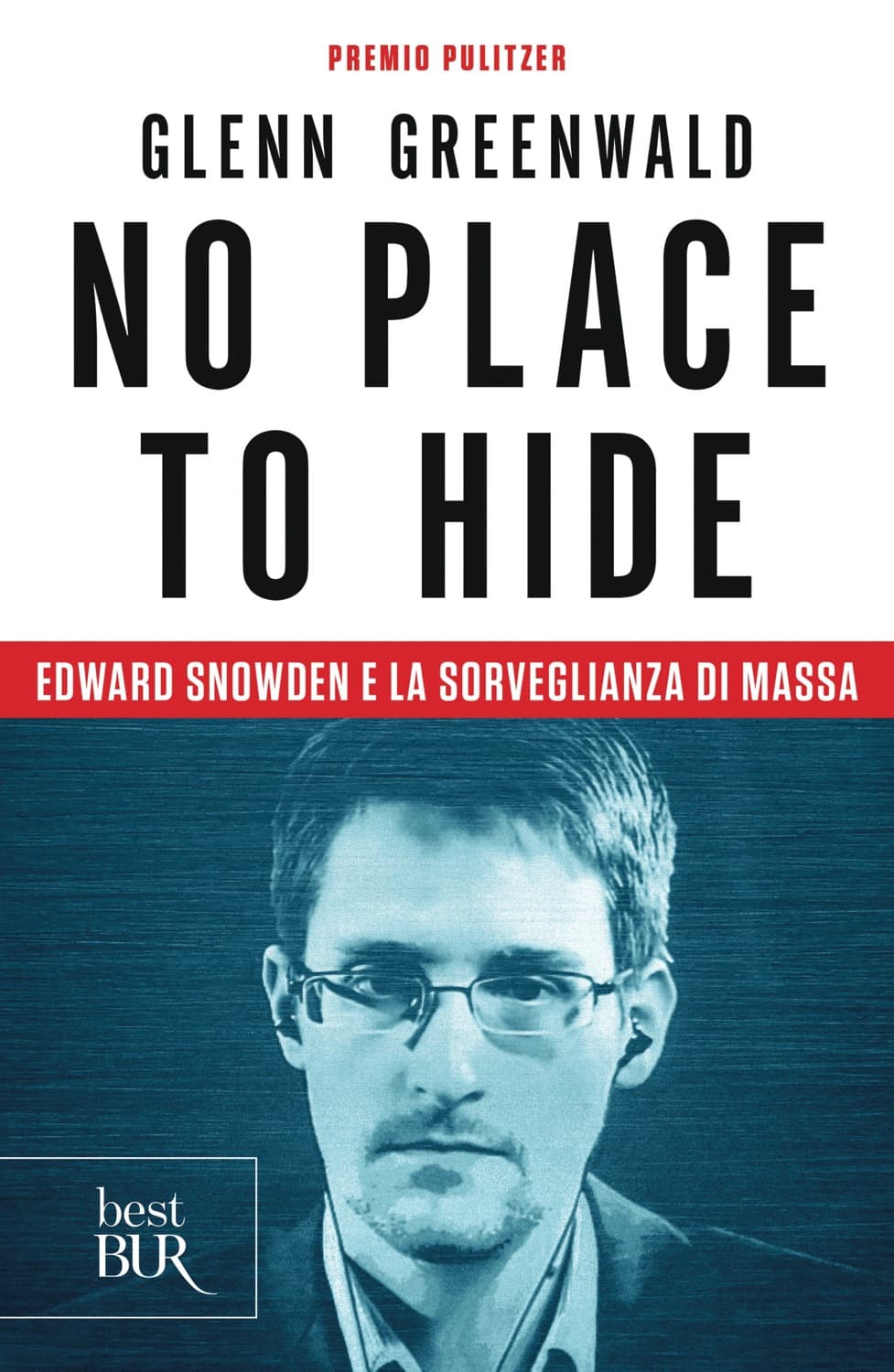
No Place to Hide
Glenn Greenwald
NSA surveillance reads less like a theory and more like an ambient condition after you see how leaks mapped power in everyday life.
Surveillance thrives on secrecy and scale, not technical mystique.
Greenwald narrows the lens to what the Snowden disclosures revealed about the state, and how journalists built accountability from fragments. For government whistleblowing, it shows the informational chain from secret systems to public proof.
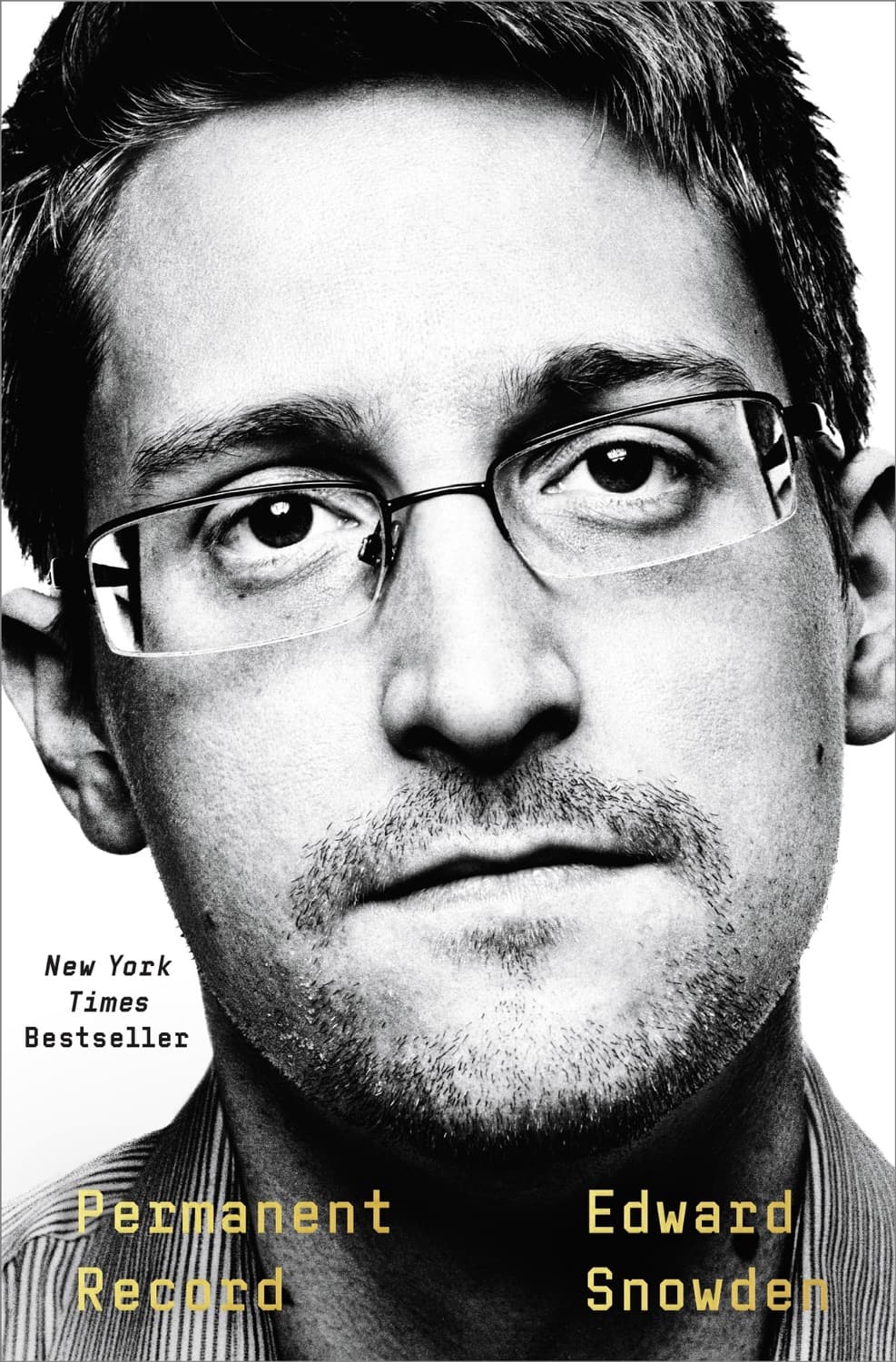
Permanent Record
Edward Snowden
Permanent Record turns intelligence tradecraft into lived consequence: each choice Snowden made becomes an argument about what governments owe the public.
Whistleblowing is a wager on disclosure’s moral timing.
As a primary-source memoir, it doesn’t just describe the leaks, it traces the ethical reasoning and the costs of acting. If you’re tracking government whistleblowers as human decision-makers, this gives the originating voice.
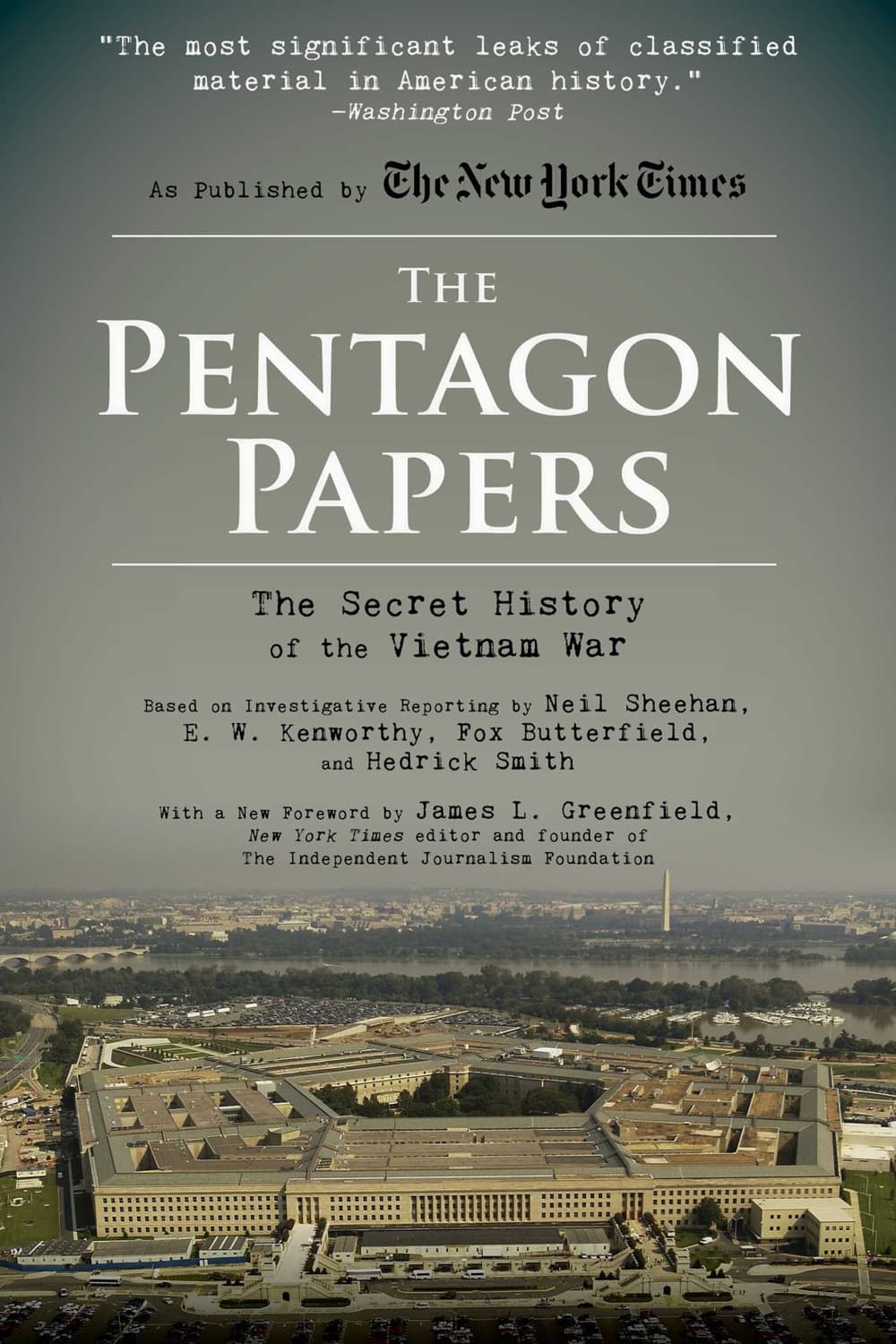
The Pentagon Papers
Neil Sheehan, Hedrick Smith, E. W. Kenworthy, Fox Butterfield
The Pentagon Papers makes deception feel bureaucratic, not conspiratorial, after you see how official records can betray the story leaders tell.
Once documents surface, denial becomes a narrative strategy.
Built around Daniel Ellsberg’s leak, it documents how government withheld and framed realities. For whistleblowing, it illustrates how exposure works when documents, not speeches, do the persuading.
A Very Stable Genius
Philip Rucker, Carol Leonnig
Whistleblower driven reporting becomes a pressure gauge: the closer you read, the more systems designed for truth avoidance start to leak.
Oversight depends on records, not vibes.
Rucker and Leonnig compile accountability reporting in a way that highlights how insiders and document trails constrain power. It matters for your topic because it treats whistleblowing as part of a wider oversight ecosystem.
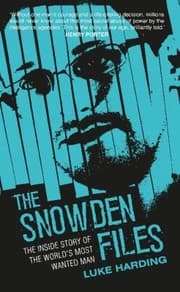
The Snowden Files
Luke Harding
Harding’s narrative makes Snowden’s disclosures feel like a relay race, where each handoff changes what the public can know and when.
Leaks create reality shifts through timing and verification.
This is designed for clarity, walking through who Snowden was, what was taken, and what followed. For government whistleblowers, it helps connect the leak itself to the political fallout and institutional reactions.
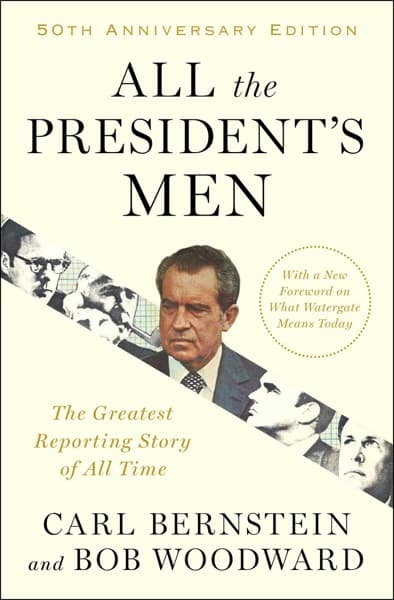
All the President's Men
Carl Bernstein, Bob Woodward
All the President’s Men shows whistleblowing at street level: power can be toppled when reporters test claims against verifiable fragments.
Corroboration turns rumor into evidence.
The book shaped modern investigative reporting around a whistleblower framework, with methods built to survive denial. If your focus is government whistleblowers, it explains how exposure becomes durable through corroboration.
Whistleblowing is a wager on disclosure’s moral timing.
State of War
James Risen
State of War exposes how national-security programs can operate beyond ordinary accountability, until a source forces the question in public.
Secrecy is a barrier, not an excuse.
Risen’s reporting is anchored in national-security secrecy and the institutional resistance around it. For whistleblowing, it highlights the friction between classified systems and the public’s right to know.
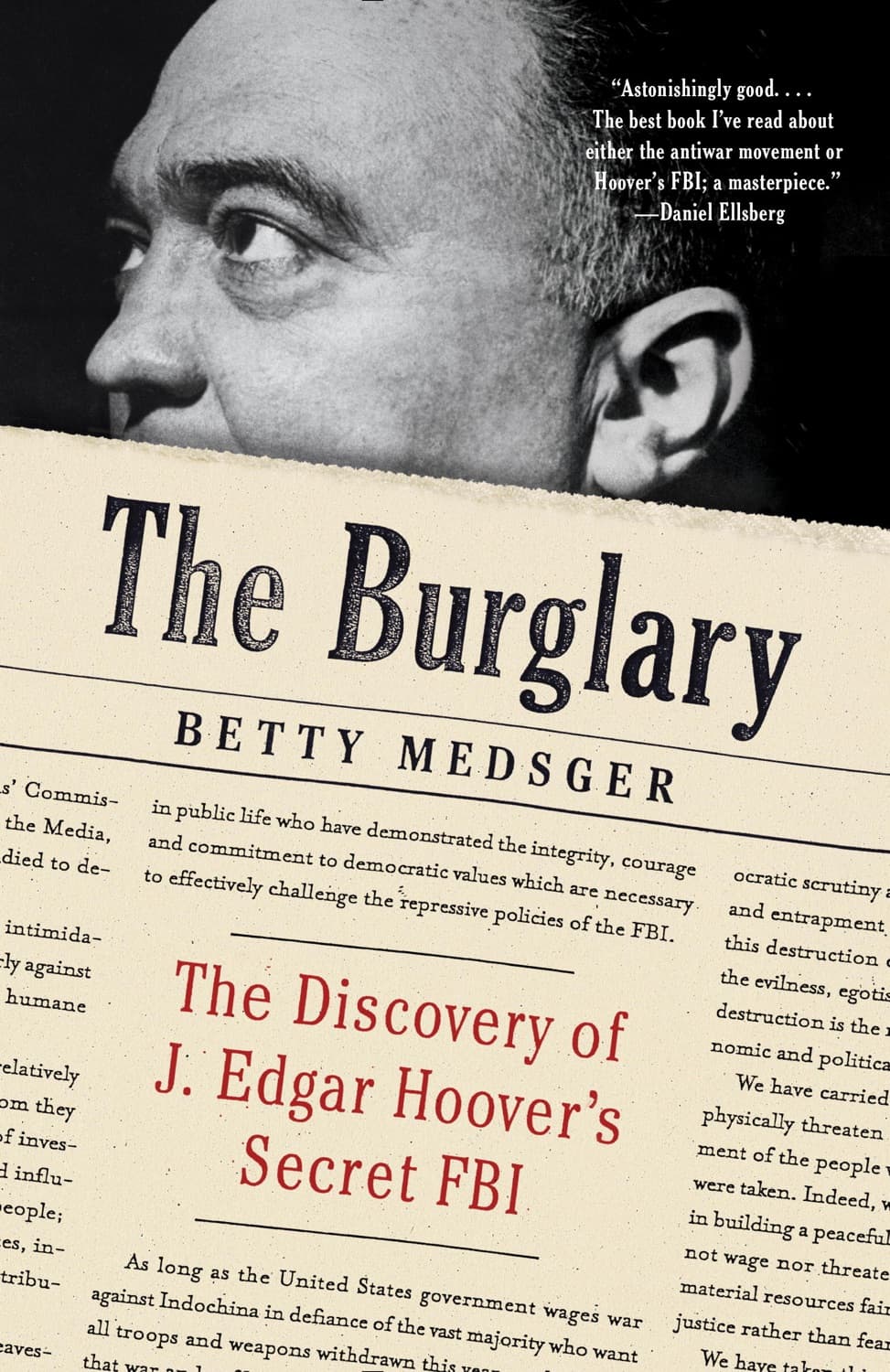
The Burglary
Betty Medsger
The Burglary reframes whistleblowing as an act of uncovering institutional harm, not just exposing wrongdoing to outsiders.
Disclosure can start a chain reaction of accountability.
Medsger narrates how exposing FBI abuses helped create conditions where later whistleblowers could surface. For your topic, it adds a historical template: oversight often grows from earlier disclosures and legal pressure.
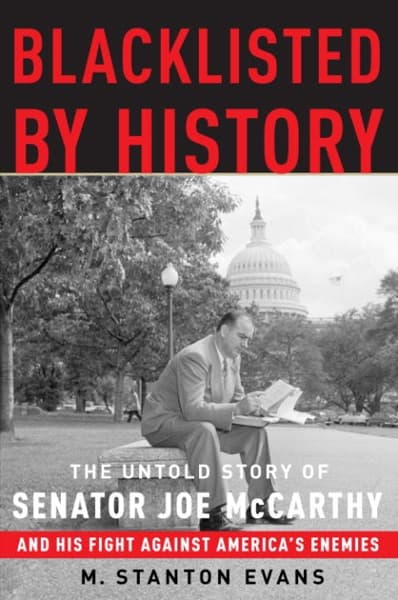
Blacklisted by history
M. Stanton Evans
Blacklisted by history makes you feel how the state can weaponize memory, turning informants and secrecy into competing versions of truth.
History depends on which claims get documented and believed.
This book challenges received narratives around state informants and secrecy during the McCarthy era. It matters for government whistleblowers because it pushes you to examine credibility, motivations, and what “proof” means under political pressure.
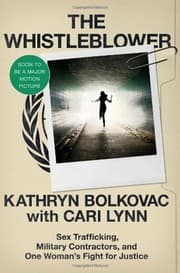
The Whistleblower
Kathryn Bolkovac, Cari Lynn
The Whistleblower makes corruption feel systemic: you see how reporting can begin as testimony and end as survival.
Institutional retaliation often follows the first credible complaint.
With Bolkovac’s perspective at the center, it focuses on how a government-connected contractor exposes abuse from inside. For whistleblowers, it spotlights the personal and institutional risks that follow when wrongdoing is too entrenched to ignore.
Can we tailor this list for you?
Type your question in the bar below and the AI will tailor a fresh set of picks just for you.