Best Books on Corporate Corruption
Corporate corruption takes different masks, from Enron accounting tricks in The Smartest Guys in the Room to governance breakdown at Theranos in Bad Blood. These books sharpen how fraud hides behind incentives and power.
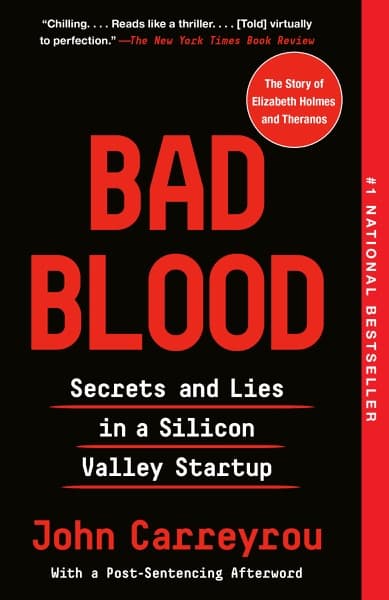
Bad Blood
John Carreyrou
RJR Nabisco’s leveraged buyout becomes a live demonstration of how incentives turn governance into performance art.
Leverage rewards damage when oversight lags
This account follows the mechanics of greed and deal-making, showing how “smart” strategies can become institutional self-sabotage. It fits corporate corruption by grounding wrongdoing in decisions, documents, and board-level failures.
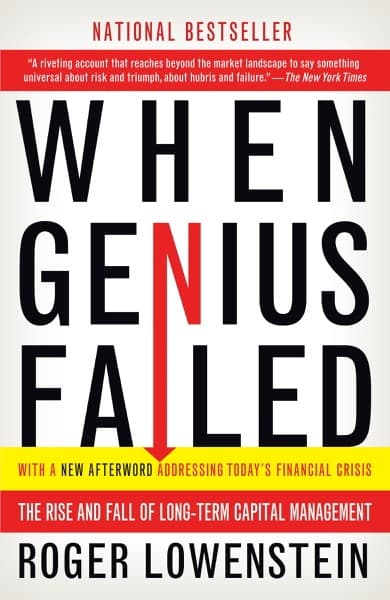
When Genius Failed
Roger Lowenstein, Roger Lowenstein
Long-Term Capital Management nearly collapses while its masterminds insist the risks are manageable, even as signals get ignored.
Models can become social cover
Lowenstein traces how opacity, models, and status can become a permission slip for misconduct and dangerously unclear authority. It matters for corporate corruption because it treats the fraud dynamic as an ecosystem, not just bad actors.
The Smartest Guys in the Room
Bethany McLean, Peter Elkind
Enron’s rise relied on accounting maneuvering that made losses disappear until they could not.
Off-balance-sheet structures hide debt
The book demystifies corruption by tying it to reporting, incentives, and executive storytelling rather than only criminal plots. For corporate corruption, it’s a blueprint for how financial engineering and corporate culture reinforce each other.
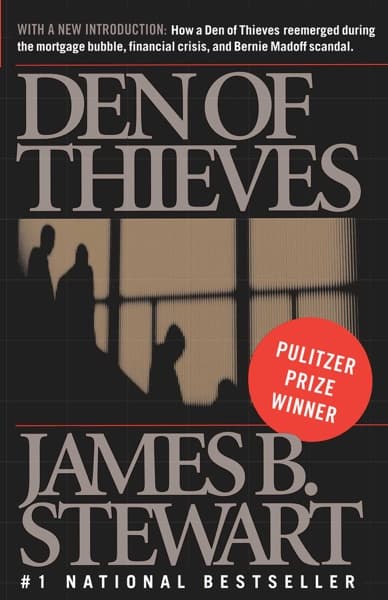
Den of Thieves
James B. Stewart
Insider trading and deal abuses are depicted as routine habits when networks protect themselves.
Information access creates moral hazard
Stewart focuses on the culture and pathways of corruption in high finance, not only individual crimes. It matches corporate corruption by mapping how power, information, and enforcement gaps can normalize misconduct.
Bottle of Lies
KATHERINE. EBAN
A pharmaceutical fraud network sustains itself by exploiting institutional blind spots in evidence, approvals, and trust.
Regulatory failure can be engineered
Eban traces how deception travels through companies and regulators, turning compliance into theater. For corporate corruption, it’s especially sharp on the relationship between corporate claims and the systems meant to verify them.

The Jungle
Upton Sinclair
Meatpacking horror becomes a corporate indictment, showing how profit can coexist with systematic cruelty and concealment.
Exploitation flourishes where oversight is weak
Sinclair’s exposé treats exploitation as an industrial practice, which is a crucial counterpoint to white-collar fraud narratives. It helps broaden “corporate corruption” into labor abuse, public-health danger, and power protecting itself.
Models can become social cover
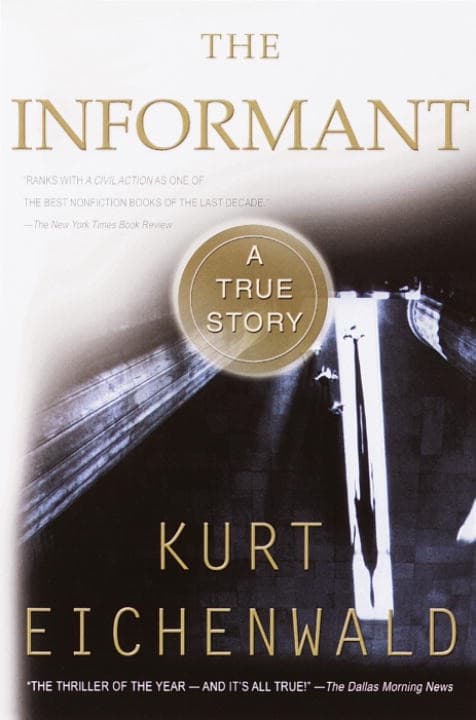
The Informant
Kurt Eichenwald
Price-fixing at ADM is portrayed as a conspiracy sustained by documentation, choreography, and believable deniability.
Conspiracies depend on process, not impulse
Eichenwald blends investigative rigor with the personal dynamics that let wrongdoing persist. It serves your corporate corruption focus by showing how groups coordinate harm and manage what the public ever sees.
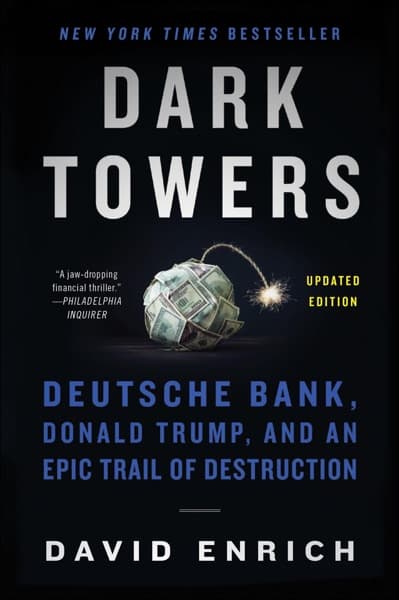
Dark Towers: Deutsche Bank, Donald Trump and an Epic Trail of Destruction
David Enrich
Deutsche Bank’s scandals unfold as a slow-motion argument between compliance and ambition, with consequences that keep multiplying.
Compliance systems fail under pressure
Enrich connects corruption to governance choices, risk appetite, and institutional incentives rather than treating each incident as isolated. For corporate corruption, it provides a modern lens on how power can outlast controls.
Can we tailor this list for you?
Type your question in the bar below and the AI will tailor a fresh set of picks just for you.