Best Books on Nazi Looted Art
Nazi looted art reshaped museums and fortunes across Europe, and these books trace that damage: Lynn H. Nicholas on the scale, Robert M. Edsel on recovery, and Jonathan Petropoulos on the art world’s complicity.
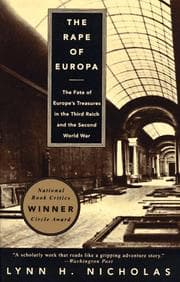
The Rape of Europa
Lynn H. Nicholas
Finish this and you see Nazi art theft as infrastructure: a system for moving masterpieces, rewriting ownership, and laundering culture through bureaucracy.
Art theft operated as organized state policy
It builds a continent-wide map of plunder, from occupied territories to collectors and institutions. That scale helps connect individual stolen works to the larger machinery behind Nazi loot and postwar cleanup.
Rescuing Da Vinci
Robert M. Edsel
After this, the “Monuments Men” feel less like heroes and more like a documentation and retrieval practice that fought speed, chaos, and intentional mislabeling.
Recovery hinged on proof, not just memory
Edsel foregrounds how recovery depended on records, identification, and on-the-ground negotiation. That matters for looted art research because it shows where the trail can be found and why evidence breaks down.

Nazi Billionaires
David de Jong
You come away seeing Aryanized art as part of wealth extraction: masterpieces became collateral in a broader economic project, not isolated wartime theft.
Aryanized art rewarded investors and insiders
This connects looted art to profiteering and the incentives that made seizures durable. If you’re trying to understand why looting persisted beyond the battlefield, the business mechanics are the point.
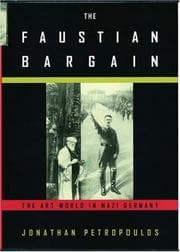
The Faustian Bargain
Jonathan Petropoulos
This reframes the art world: galleries, dealers, and collectors appear as active participants who bargained with Nazi power instead of standing aside.
Neutrality often masked consent
Petropoulos analyzes complicity and self-interest across institutions. For Nazi looted art, that lens clarifies how ownership changed hands through networks that later claimed ignorance.
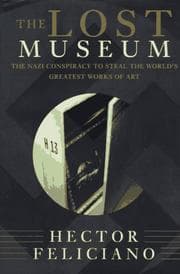
The Lost Museum
Hector Feliciano
After reading this, “hidden in plain sight” becomes literal: stolen Jewish collections survived in storage and collections while names and histories were erased.
Stolen collections stayed hidden through bureaucracy
Feliciano follows the fate of specific collections and the long aftermath of concealment. That focus makes it useful for restitution-minded reading because it ties a single loss to decades of administrative delay and denial.
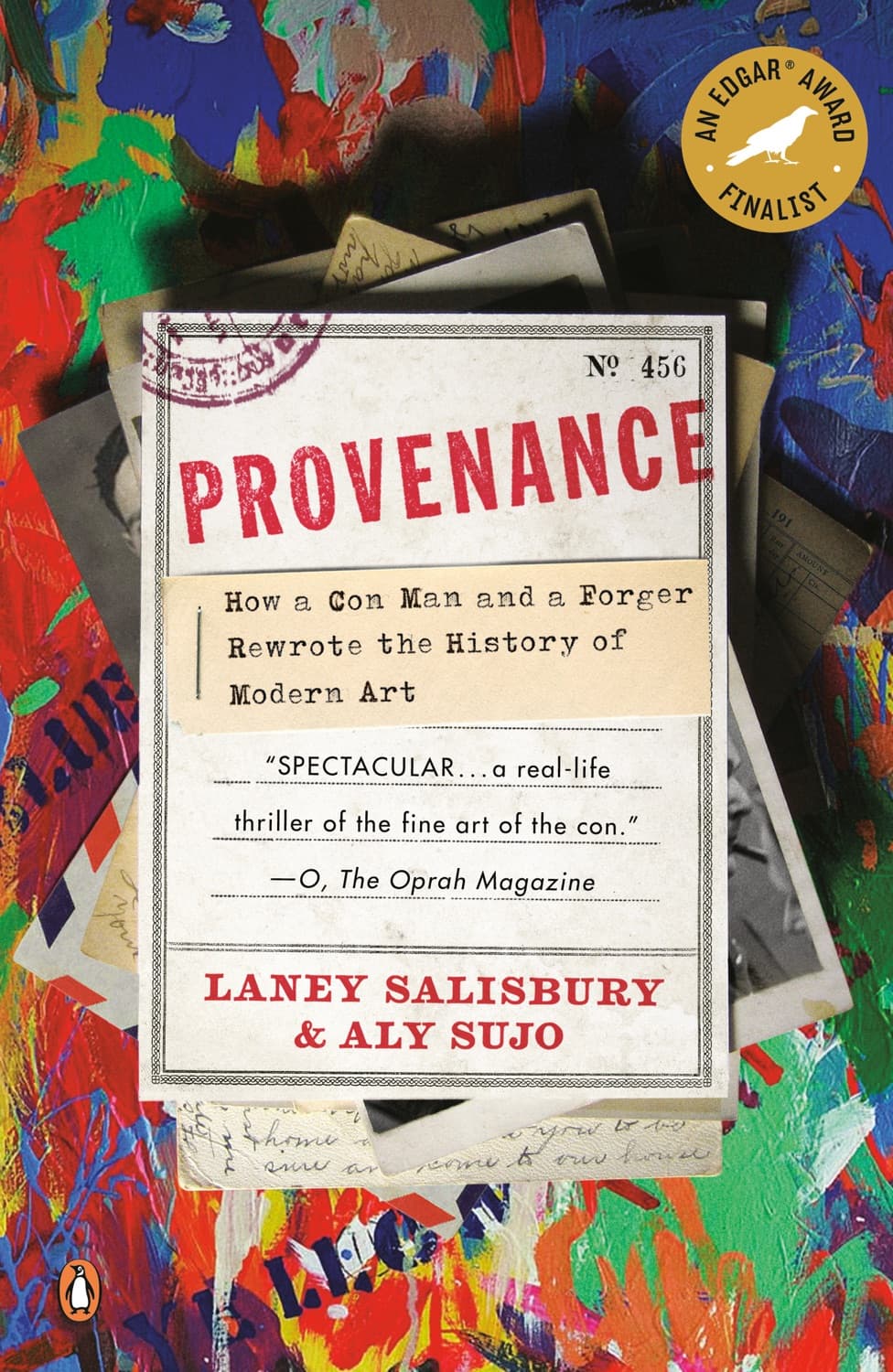
Provenance
Laney Salisbury, Aly Sujo
You finish with a sharper instinct for provenance: one painting’s history can become a courtroom timeline where paperwork and narrative compete.
Provenance is contested, not definitive
This centers a concrete looting and restitution battle, showing how proof is assembled, challenged, and sold as “neutral history.” It directly supports how to think about Nazi looted art evidence beyond generalities.
Recovery hinged on proof, not just memory
The Monuments Men
Robert M. Edsel
The recovery effort reads like a cold audit of war: caches, inventories, and reluctant cooperation determine what survives long enough to be returned.
Inventories decide recoveries
Edsel’s account emphasizes retrieval and documentation of Nazi-stolen treasures, not just rescue heroics. It fits looted art study by showing the practical limits of recovering what Nazis tried to scatter and rename.
Can we tailor this list for you?
Type your question in the bar below and the AI will tailor a fresh set of picks just for you.