Best Books on Brutalist Architecture
Brutalism is the most argued-over architecture of the twentieth century. Its raw concrete and uncompromising mass were born from postwar idealism, yet the style spent decades dismissed as ugly before a new generation learned to love it. These books cover the buildings and the ideas behind them, and why anyone built them in the first place.
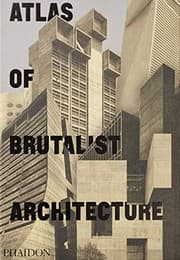
Atlas of Brutalist Architecture
Phaidon
The definitive global census of the style, building by building.
Brutalism was a genuinely global language, built on every continent rather than being a quirk of one country.
Phaidon's atlas documents more than eight hundred Brutalist structures across the world in a single volume, the reference work that effectively settled what counts as the canon of the movement.
Raw Concrete: The Beauty of Brutalism
Barnabas Calder
The best narrative argument for why Brutalism matters.
Brutalism's enormous mass was made possible by cheap postwar energy, and its scale reflects an era that thought big.
Calder, an architectural historian, visits major British Brutalist buildings and makes a passionate, carefully argued case for the engineering ambition and the beauty hiding in the concrete.
This Brutal World
Peter Chadwick
A striking black-and-white tour of concrete worldwide.
The same raw-concrete vocabulary was spoken by capitalist welfare states and communist regimes alike.
Chadwick's curated photographic collection ranges from famous icons to obscure Soviet and South American structures, framing Brutalism as a stark visual language that crossed political systems.
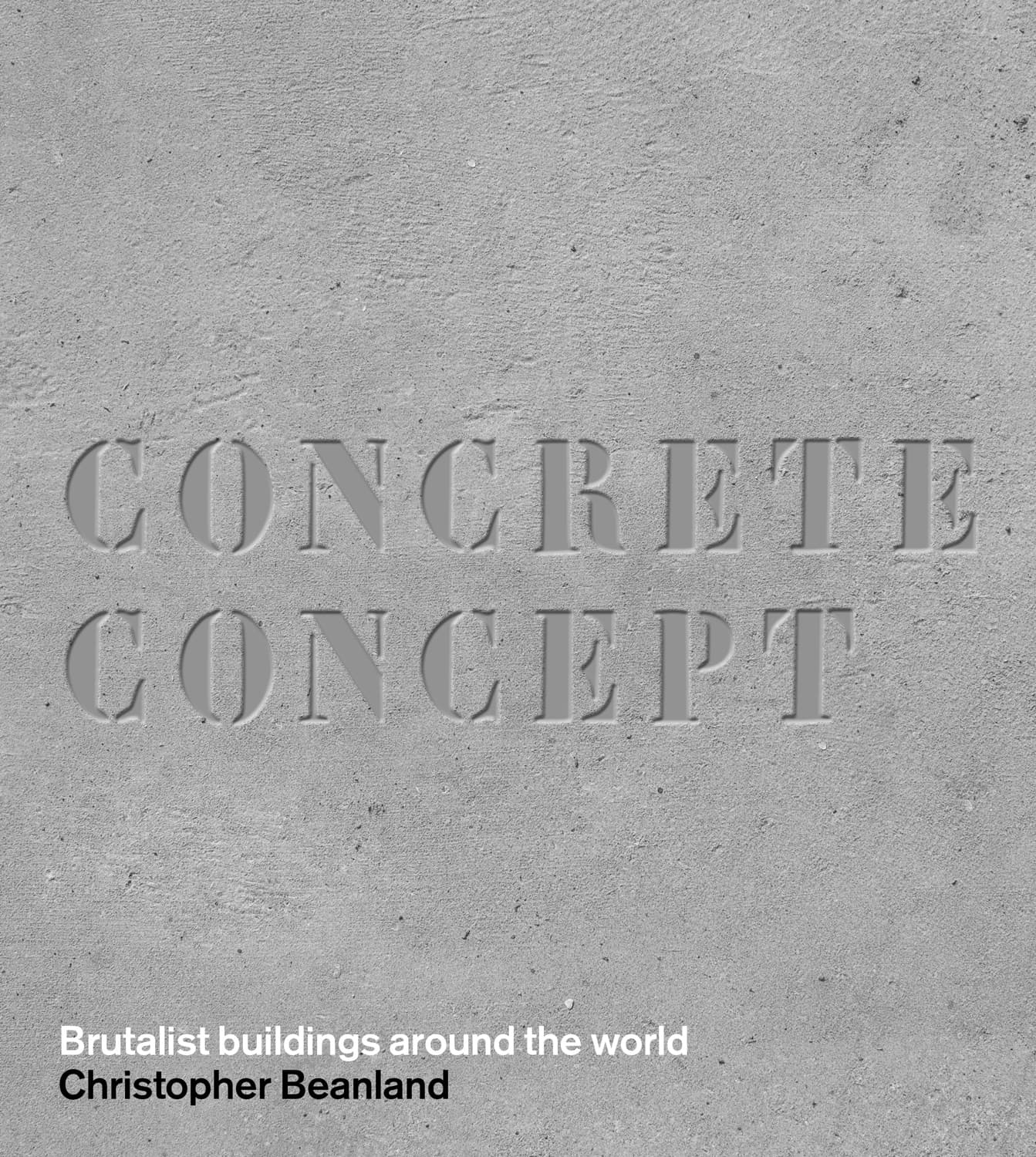
Concrete Concept
Christopher Beanland
An accessible, witty introduction to the icons.
Many beloved Brutalist icons were hated in their own time, and public taste simply caught up decades later.
Beanland tours the landmark buildings with short, lively essays, making it the friendliest on-ramp for a reader who wants context and stories without an academic tone.
Heroic: Concrete Architecture and the New Boston
Mark Pasnik, Chris Grimley, Michael Kubo
How one American city became a Brutalist laboratory.
Brutalism in America was often the architecture of public ambition, built for universities, libraries, and city halls.
This regional study documents the concrete buildings of postwar Boston with serious essays, showing how a single city's institutions embraced the style with unusual conviction.
Concretopia
John Grindrod
The hopeful social history behind Britain's concrete.
Brutalist housing was not cynical; it was built by people who believed concrete could help deliver a fairer society.
Grindrod travels the rebuilt postwar Britain of new towns, estates, and shopping precincts, recovering the genuine optimism and political will that produced the concrete now so easily mocked.
Can we tailor this list for you?
Type your question in the bar below and the AI will tailor a fresh set of picks just for you.