Best Books for Journalists
Great journalism rests on verification, craft, and a refusal to settle for the first version of a story. This hub collects the reporters, editors, and critics who defined how the work gets done.
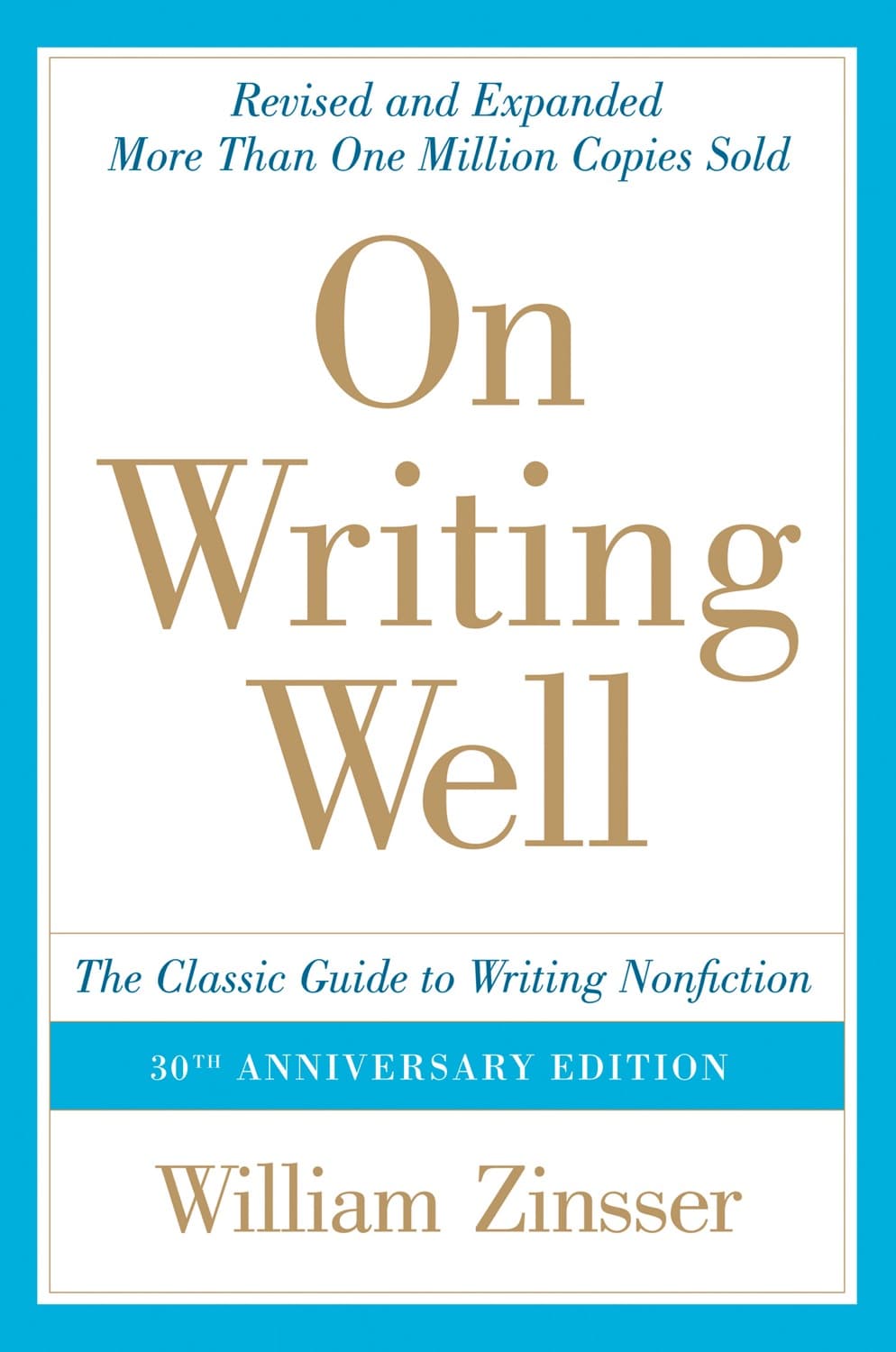
On Writing Well
William Zinsser
The classic manual on the craft of nonfiction writing
Cut every word that does not serve the sentence, then read the sentence again and cut more.
Zinsser strips away clutter and jargon, showing how clarity and simplicity, not decoration, make nonfiction prose work on the page for any reporter.
The Elements of Journalism
Bill Kovach, Tom Rosenstiel
The field's working definition of what journalism owes the public
Journalism's first obligation is to the truth, and its discipline, above all else, is verification.
Kovach and Rosenstiel distill decades of reporting practice into core principles, from verification to independence from faction, that separate journalism from propaganda.
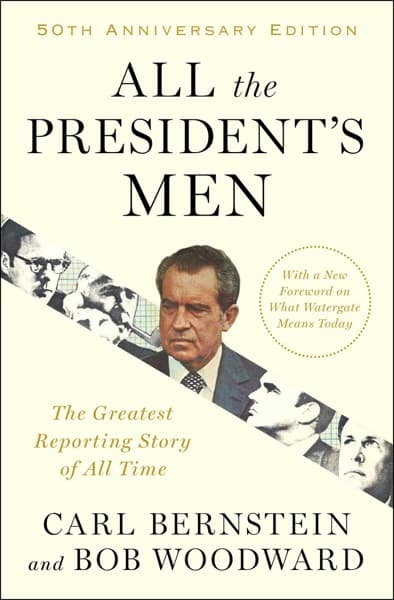
All the President's Men
Carl Bernstein, Bob Woodward
The Watergate investigation that redefined investigative reporting
A damaging claim does not run until it is confirmed by two independent sources.
Woodward and Bernstein's blow by blow account shows how patient source cultivation, document work, and stubborn fact checking broke one of the biggest stories in American history.
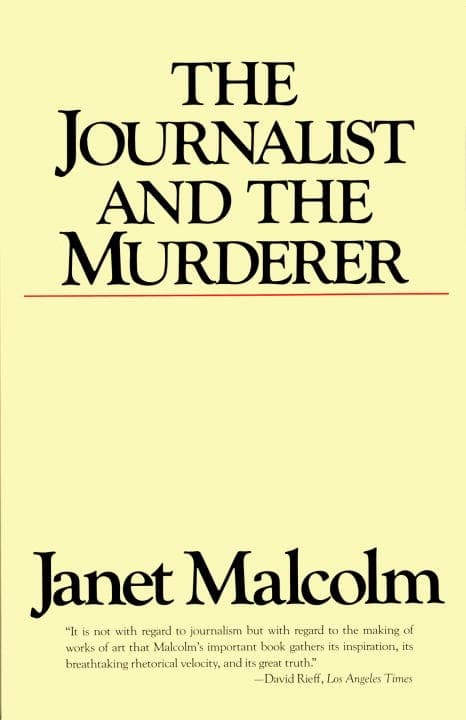
The journalist and the murderer
Janet Malcolm
A landmark, uncomfortable examination of journalistic ethics
The reporter's charm during interviews and the subject's later sense of betrayal are two sides of one transaction.
Malcolm dissects the betrayal at the heart of the reporter subject relationship through a real libel case, forcing journalists to confront the manipulation built into their craft.
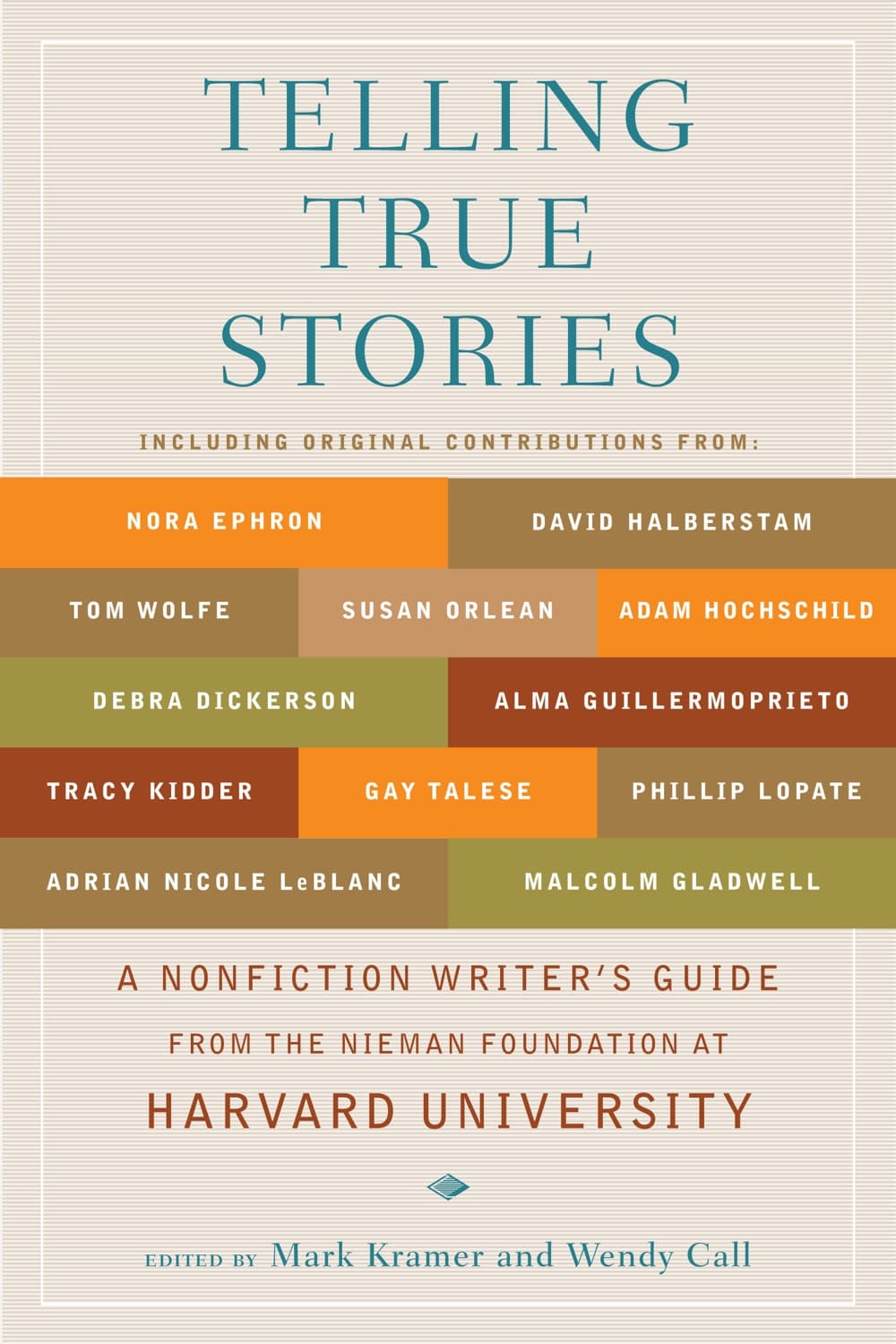
Telling true stories
Kramer, Mark
A field guide to literary nonfiction from Nieman's top journalists
Report far more material than you will ever use, then let the story's shape emerge from what you cut.
This collection gathers short, practical essays from working narrative journalists on scene construction, structure, and reporting depth, organized as a hands on curriculum.
The Art of fact
Kevin Kerrane, Ben Yagoda
A historical anthology tracing literary journalism from Defoe to Didion
Literary journalism earns its scenes through reporting, every detail on the page was observed or confirmed, never invented.
Kerrane and Yagoda assemble a century of standout literary reportage, letting readers study firsthand how the best nonfiction writers blended scene, voice, and verified fact.
Journalism's first obligation is to the truth, and its discipline, above all else, is verification.
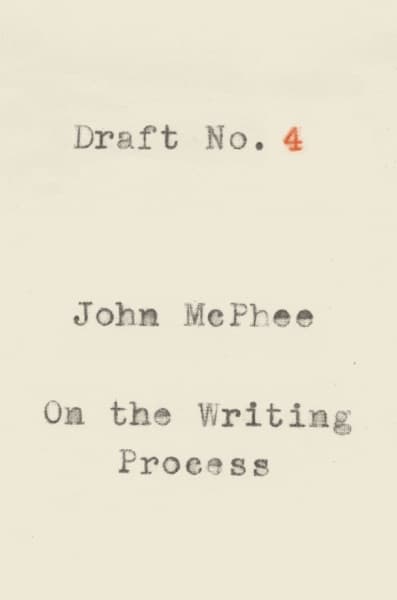
Draft No. 4
John McPhee
A master essayist's private notes on structure and revision
Sketch the structure of a piece on paper before writing a single sentence, shape is a decision, not an accident.
McPhee, longtime New Yorker writer, walks through his own drafts to show how structure, not inspiration, is what turns raw reporting into a finished piece.
The Powers That Be
David Halberstam
A sweeping history of how media empires shaped modern journalism
Newsroom culture, not just individual talent, determines whether ambitious reporting survives contact with an editor.
Halberstam traces the rise of CBS, Time, the Los Angeles Times, and the Washington Post, showing how institutional power and journalistic ambition collided to shape the news.
Sound Reporting
Jonathan Kern
NPR's internal guide to audio journalism, made public
Write for the ear with short sentences and active verbs, one idea per sentence carries better in audio than on the page.
Kern, a longtime NPR editor, translates decades of internal training into a practical manual on writing for the ear, structuring audio stories, and editing tape with judgment.
Can we tailor this list for you?
Type your question in the bar below and the AI will tailor a fresh set of picks just for you.