Best Books on Gallery Ownership
Gallery ownership lives at the seam between taste and operations: Edward Winkleman and Patton Hindle’s How to Start and Run a Commercial Art Gallery grounds the business basics, while Don Thompson’s The $12 Million Stuffed Shark adds market math you can’t fake.
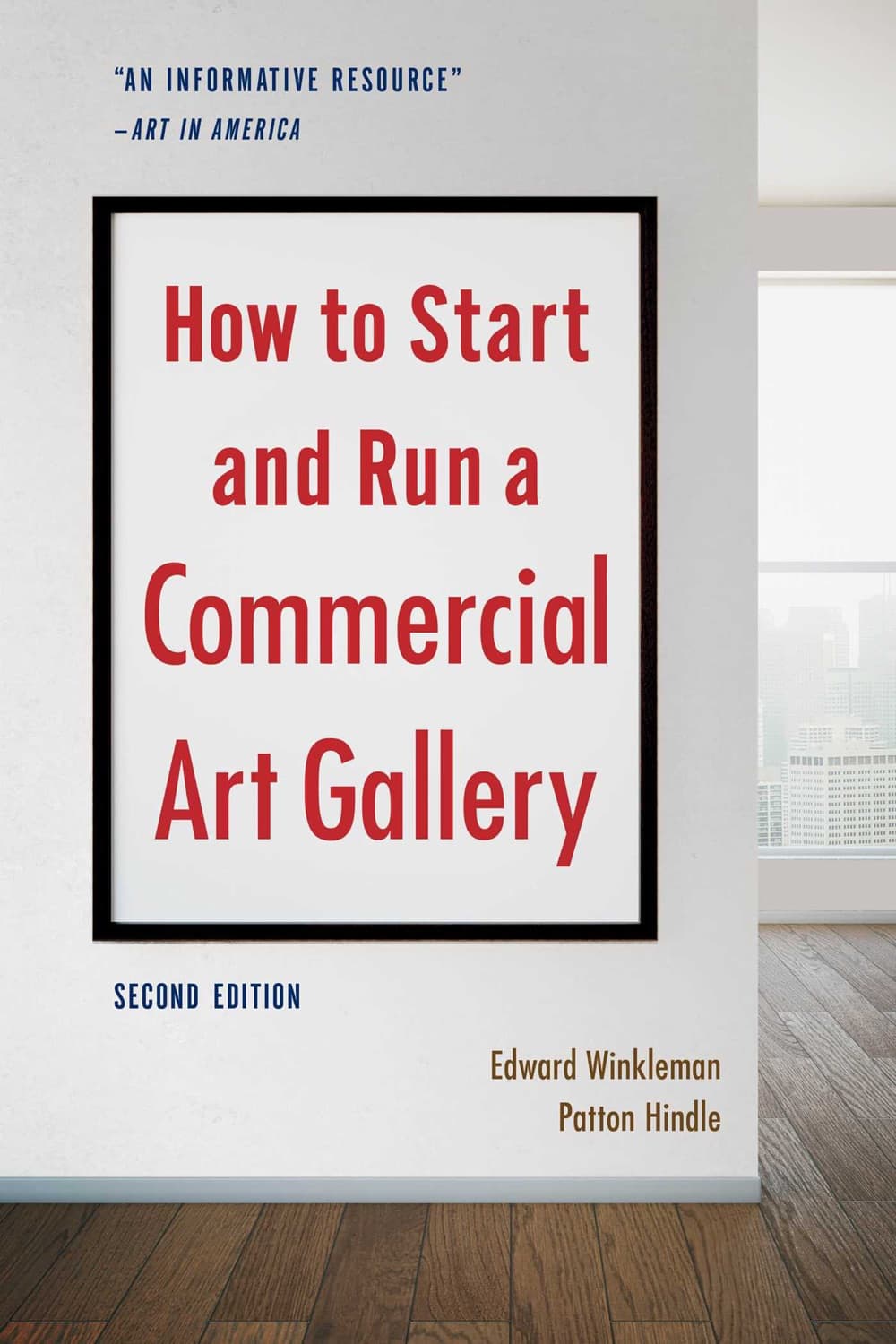
How to Start and Run a Commercial Art Gallery (Second Edition)
Edward Winkleman, Patton Hindle
A gallery becomes legible when you treat it like a system: costs, staff, consignment terms, marketing, and the paperwork of trust.
Build operations around contracts and clear terms.
This book translates the romantic surface of gallery life into the mechanics that actually keep doors open. For gallery ownership, that matters because your real “inventory” is relationships and execution, not just artworks.
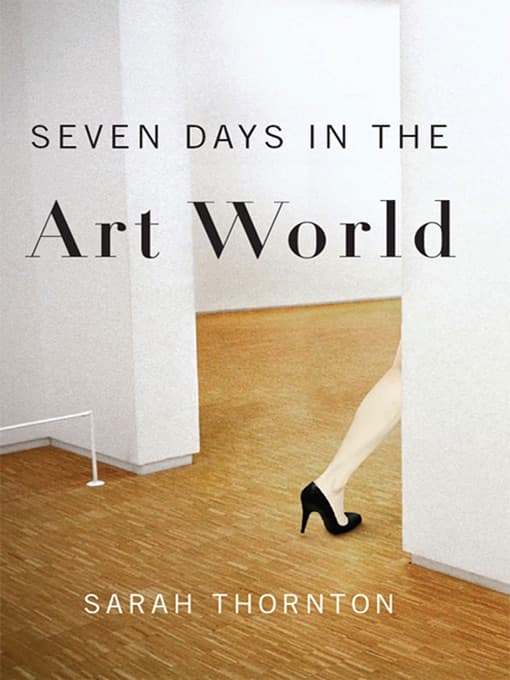
Seven Days in the Art World
Sarah Thornton
In one week, the art world reveals itself as choreography: fairs, gossip, gatekeeping, and the rituals that decide whose work gets seen.
Reputation travels through rituals, not announcements.
Thornton offers a close, credible look at how galleries operate inside a larger ecosystem of reputation. For gallery ownership, it helps you understand how attention is manufactured and why networking is part of the product.
The $12 Million Stuffed Shark
Don Thompson
Art prices behave like a market built on stories: branding, provenance narratives, and dealer influence can matter as much as the work itself.
Value is constructed through institutions and narratives.
Thompson makes contemporary art market economics readable without pretending it is rational in the ordinary sense. If you own a gallery, this lens helps you price, market, and negotiate with fewer myths and more leverage.
I Bought Andy Warhol
Richard Polsky
Buying and selling at the top end is less about flash and more about timing, discretion, and relationships that can’t be rushed.
Discretion is a business advantage.
Polsky’s memoir is packed with concrete dealer experience: what collectors ask for, how offers move, and how deals survive ego. For gallery ownership, it’s a practical reality check on the social work inside every sale.
Breakfast with Lucian
Geordie Greig
An elite circle can be understood as an economy of access: proximity to artists and insiders changes what gets believed, funded, and collected.
Access becomes credibility when repeated.
This book zooms into the gallery-dealer dynamics around Lucian Freud’s world, where taste, credibility, and patronage intertwine. For owners, it clarifies how “who you know” becomes “what you can sell” through authority and consistency.
Boom
Michael Shnayerson
The modern art market boom is shown as a machine: big money, blockbuster galleries, and financial incentives reshaping how art is traded.
Market booms amplify leverage and risk together.
Shnayerson places galleries in the economic forces that elevate certain names and categories. If you’re taking on ownership, it helps you anticipate how cycles, capital, and hype pressure your strategy.
Reputation travels through rituals, not announcements.
The Art Business
Iain Robertson
The art business reads like an industry only after you map its roles: galleries, dealers, publishers, auction houses, and intermediaries.
Know the intermediaries to predict the incentives.
Robertson gives a structured overview of how the market is organized globally, which is essential when you’re planning how your gallery will position itself. For ownership, it reduces confusion about power, process, and where value is captured.
Talking Prices
Olav Velthuis
Prices in galleries are negotiated inside culture: what people can say about art often matters as much as what they can justify with numbers.
Pricing is persuasion plus culture, not just math.
Velthuis studies pricing as social practice, not just arithmetic, revealing how bargaining, talk, and persuasion work. For gallery ownership, it’s a foundation for developing realistic pricing conversations that protect margins and relationships.

Breakfast at Sotheby's
Philip Hook
Art-market expertise is a combination of taste, timing, and the language of value: understanding those mechanics changes how you interpret “worth.”
Value depends on what buyers want to believe.
Hook explains how people at Sotheby’s think about valuation and desirability, demystifying the dealer-to-auction mindset. For ownership, it helps you communicate value more clearly and read market signals with fewer blind spots.
I Sold Andy Warhol (Too Soon)
Richard Polsky
One regret can teach more than a dozen triumphs: Polsky shows how exits are decided by relationships, not spreadsheets.
Timing mistakes compound through relationships.
This memoir continues the author’s insider view of how gallery sales unfold and why “selling right” is harder than it looks. For gallery owners, it sharpens your thinking around consignments, collector dynamics, and the long tail of reputations.
Can we tailor this list for you?
Type your question in the bar below and the AI will tailor a fresh set of picks just for you.