Best Books on Art Flipping
Art flipping books work best when they demystify pricing and dealer behavior. Don Thompson’s The $12 Million Stuffed Shark and Sarah Thornton’s Seven Days in the Art World give the market-lens art speculators actually need.
The $12 Million Stuffed Shark
Don Thompson
After Thompson’s tour of the modern art market, you start seeing “value” as a negotiated outcome, not an intrinsic label.
Price is made by systems: auctions, dealers, and narrative.
It explains how auctions, dealers, and publicity turn a rumor into a number. For art flipping, that matters because your edge is reading which forces will move a price next.
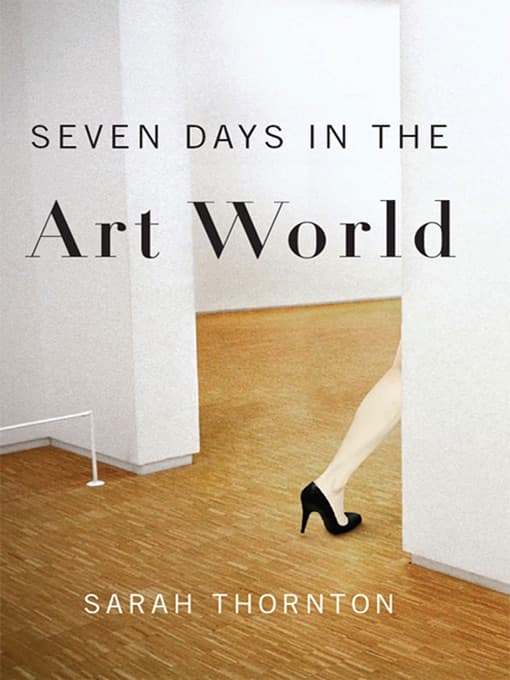
Seven Days in the Art World
Sarah Thornton
Seven Days in the Art World makes art fairs feel like high-stakes choreography, where attention becomes leverage.
Market moves through attention: visibility drives bidding.
Thornton captures how people behave across galleries, fairs, auctions, and tastemaker circles. If flipping is your goal, you need that behavioral map: who signals, who follows, and what “moment” pricing reflects.
Boom
Michael Shnayerson
Boom shows how contemporary art can swing like a financial cycle, with speculation amplifying belief.
Art markets can amplify cycles like finance.
It situates dealers, collectors, and institutions inside the mechanics of boom-and-bust dynamics. That helps you treat flips as timing and risk management, not just sourcing good-looking work.
Talking Prices
Olav Velthuis
Talking Prices turns price tags into a language of legitimacy, bargaining, and strategy.
Prices communicate status, not just scarcity.
Instead of assuming “good taste equals good value,” Velthuis explains how prices are socially constructed. For flipping, you gain a framework for which conversations, credentials, and comparisons will reposition an artwork.
The Art Business
Iain Robertson
The Art Business demystifies the industry so you stop treating transactions as magic and start treating them as workflows.
Know the pipeline: it shapes resale probability.
Robertson lays out participants and market structures that shape how art moves and how deals get done. That matters for flipping because your resale outcome depends on how the system routes buyers and liquidity.
Art/Work - Revised & Updated
Heather Darcy Bhandari, Jonathan Melber
Art/Work makes gallery agreements feel readable and negotiable, not opaque authority.
Contracts decide economics as much as aesthetics.
This is practical on contracts, business terms, and the real mechanics of selling art. For flipping, understanding the legal and commercial strings attached to acquisition and resale can protect your upside.
Market moves through attention: visibility drives bidding.
The Value of Art
Michael Findlay
Findlay reframes value as a set of market signals you can learn to notice and interpret.
Valuation follows signals buyers trust.
His approach links valuation to taste, credibility, and what buyers are willing to reward. If you flip, you need more than “find undervalued”: you need to detect which signals are about to strengthen.
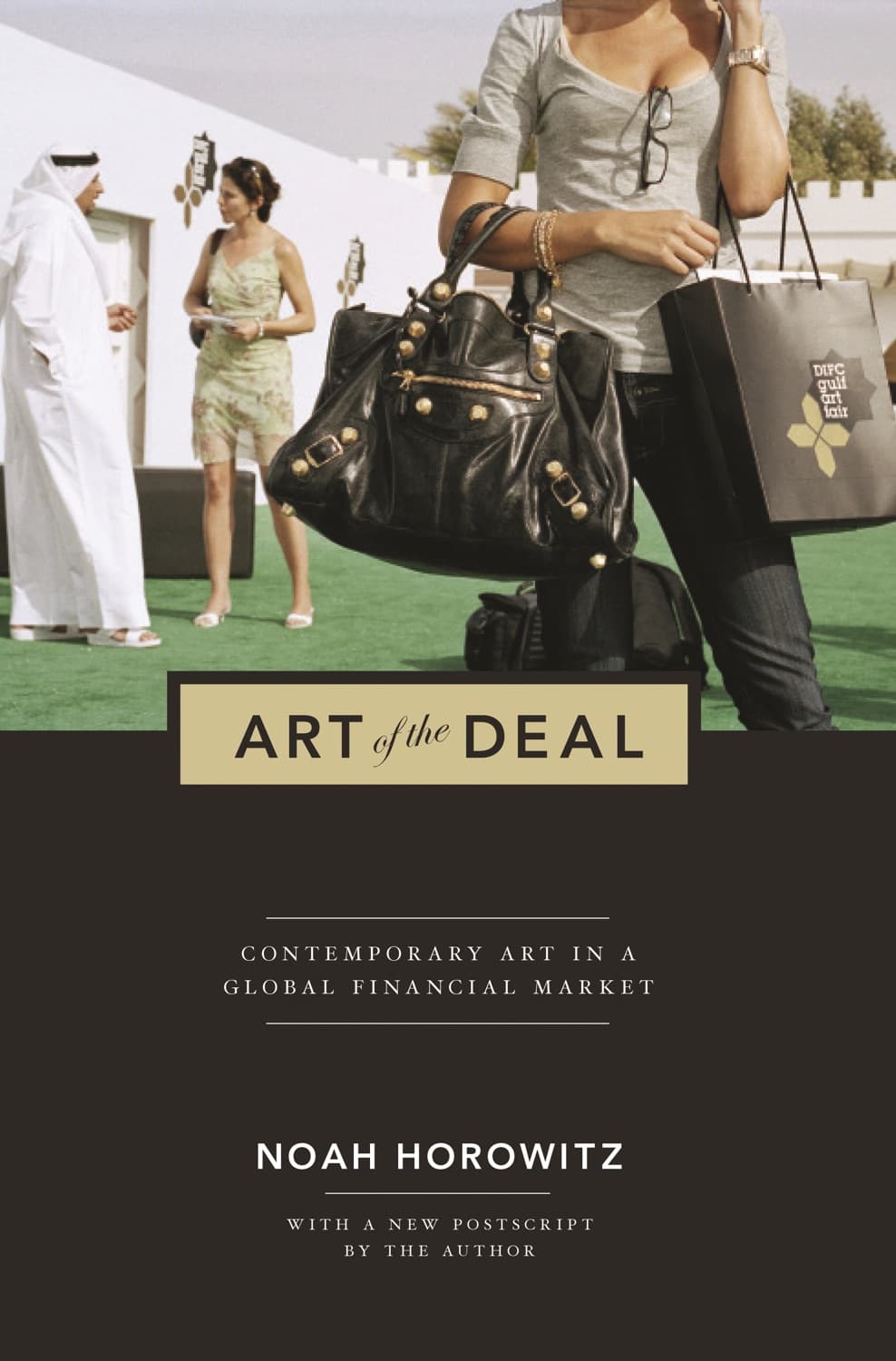
Art of the Deal
Noah Horowitz
Art of the Deal shows how art transactions are built on incentives, negotiation, and credibility management.
Deals reward leverage: incentives shape outcomes.
Horowitz focuses on the mechanics behind pricing and deals, which is the practical core of flipping. You get a clearer sense of how to think about risk, positioning, and what makes prices stick.
Can we tailor this list for you?
Type your question in the bar below and the AI will tailor a fresh set of picks just for you.