Best Books on Art Fraud Investigations
Art fraud investigations become legible in Provenance by Laney Salisbury and Aly Sujo, and then expand through Provenance-style forgery detection in The Billionaire's Vinegar by Benjamin Wallace. These books follow evidence, not vibes.
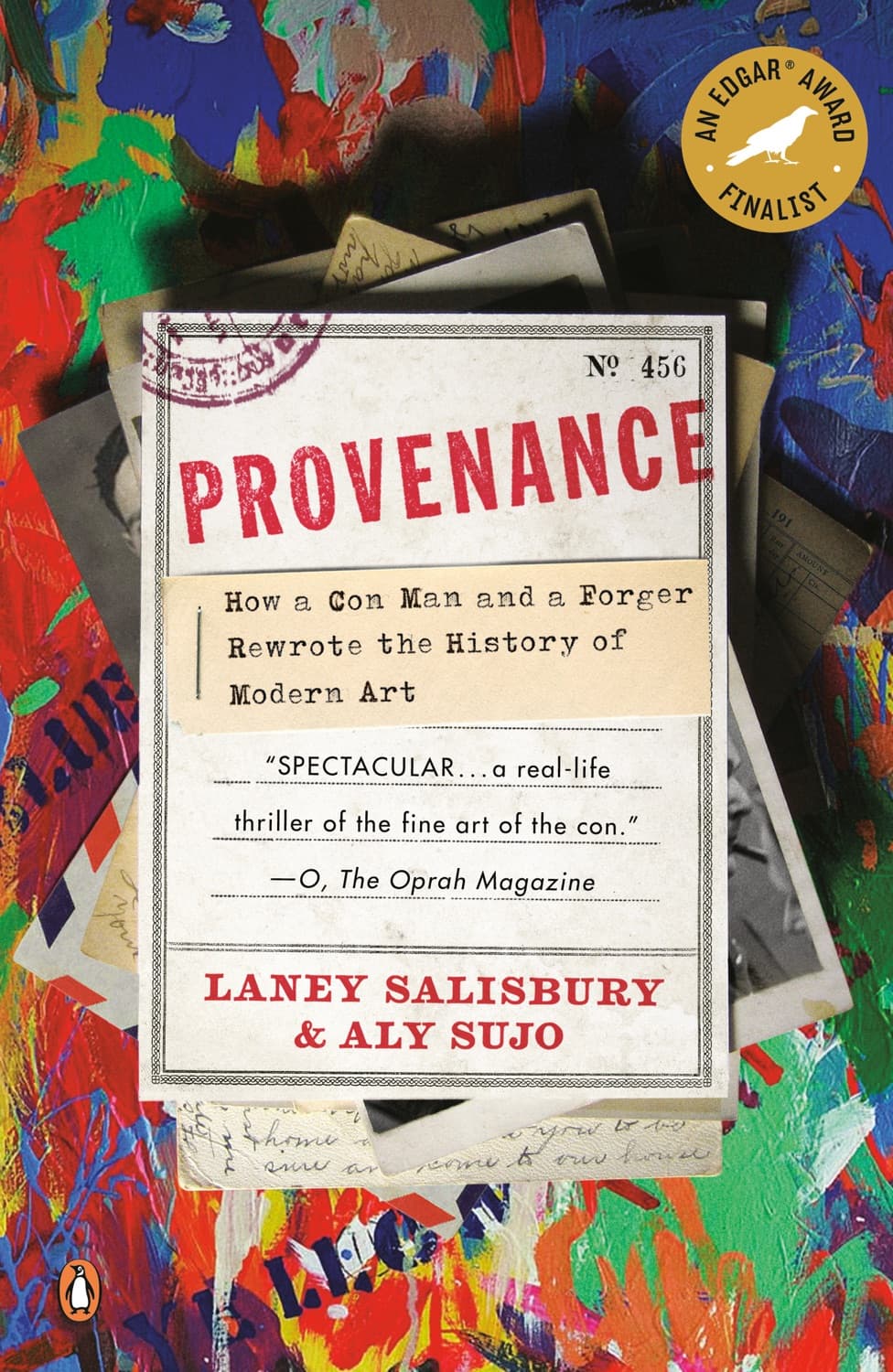
Provenance
Laney Salisbury, Aly Sujo
Provenance turns the Knoedler scandal into a step-by-step battle over paperwork, intermediaries, and the fragile story behind a painting.
Provenance is a chain: one weak link can collapse belief.
You get an unusually concrete model for how provenance claims are built, tested, and weaponized by sellers and skeptics. It fits art fraud investigations because it treats documentation as contested evidence, not background trivia.
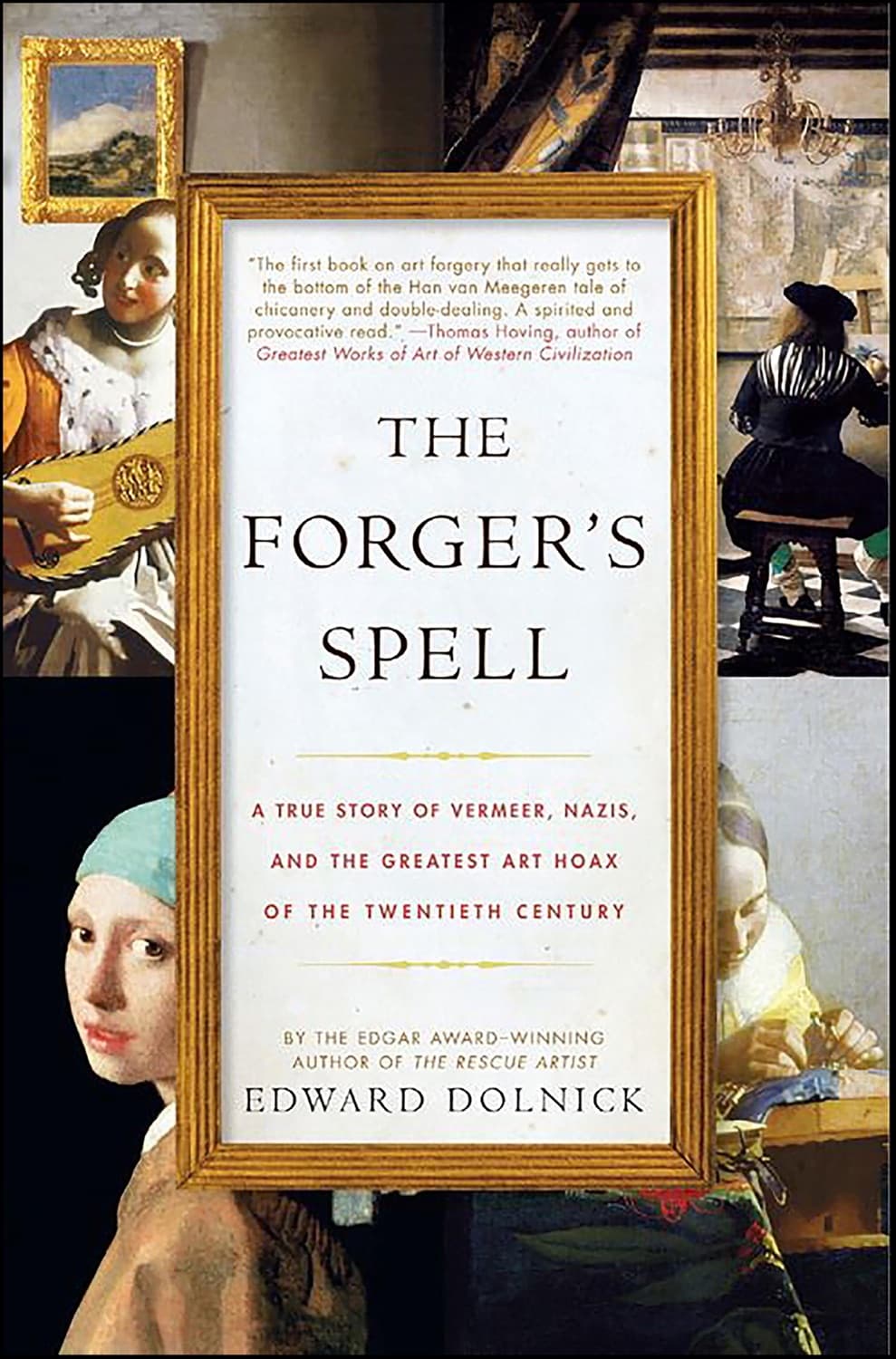
Th Forger's Spell
Edward Dolnick
Han van Meegeren’s genius was not just forging Vermeer: it was staging the detective work that would convince the world he was authenticating it.
A forgery must succeed twice: in the canvas and in the story.
Dolnick gives you a classic, high-stakes forgery detection narrative that shows how suspicion forms and how expertise can be gamed. It is useful for art fraud investigations because it connects motive to method, and method to mistakes investigators make.
Priceless
Robert K. Wittman, John Shiffman
Priceless reframes art theft and fraud as an intelligence problem, where investigators think in networks, documents, and repeatable patterns.
Investigate the pipeline: buyers, brokers, and records.
As an insider account from the FBI’s top art investigator, it emphasizes how cases get built and tested rather than just how they end. For art fraud investigations, that shift matters: it shows what evidence counts and why.
Master Thieves
Stephen Kurkjian
Master Thieves follows the Gardner Museum investigation through pressure, misdirection, and the cold logic of what thieves take and what investigators can prove.
Proof beats plausibility: verify provenance after the fact.
Even when the crime is theft rather than forgery, the investigative lens overlaps: traceable events, institutional vulnerabilities, and the credibility of claims. It helps for art fraud investigations by grounding you in the practical mechanics of recovering, verifying, and attributing artwork.
Rogues' Gallery
Michael Gross
Rogues' Gallery reads like a museum of controversies, where the most dangerous forgeries thrive on institutional prestige and collecting hype.
Prestige can outvote evidence for years.
Gross maps how provenance disputes, expert authority, and market incentives collide around major pieces and major reputations. For art fraud investigations, it offers a wider social explanation of why fraud persists even when facts are disputable.
Hot Art
Joshua Knelman
Hot Art makes the art-crime world feel operational, showing how investigators chase leads across borders, networks, and changing identities.
Follow the handoffs: custody shifts reveal the fraud.
Knelman is accessible without turning the subject into trivia, and he repeatedly returns to the methods investigators use when documentation and identity get messy. That aligns with art fraud investigations where the hardest part is connecting claims to verifiable trails.
A forgery must succeed twice: in the canvas and in the story.
Stealing Rembrandts
Anthony M. Amore, Tom Mashberg
Stealing Rembrandts shows how high-value art cases hinge on procedure: paperwork, records, and the uncomfortable gap between what people swear and what can be proven.
Verification requires records, not recollection.
It’s a strong overview of investigative patterns across theft and fraud-adjacent schemes, built for readers who want the logic behind the headlines. For art fraud investigations, the emphasis on verification and institutional safeguards is exactly the transferable skill.
The Art Forger
B. A. Shapiro
The Art Forger makes provenance feel like a psychological weapon, where deception is engineered to survive scrutiny.
A convincing story can outrun a checklist.
As fiction, it sharpens the intuition for how experts, institutions, and collectors can be manipulated by partial truths and persuasive narratives. If your goal is to think like an art fraud investigator, the emotional realism helps you notice how claims are sold before they are tested.
Museum of the Missing
Simon Houpt
Museum of the Missing maps art theft not as chaos, but as an ecosystem of losses, leads, and recoveries that leave traceable footprints.
Gaps in custody are evidence, not silence.
Houpt’s survey is useful because many fraud investigations start with custody questions: who had it, when, and under what documented authority. It supports art fraud investigation thinking by training you to treat disappearance and provenance gaps as primary evidence.
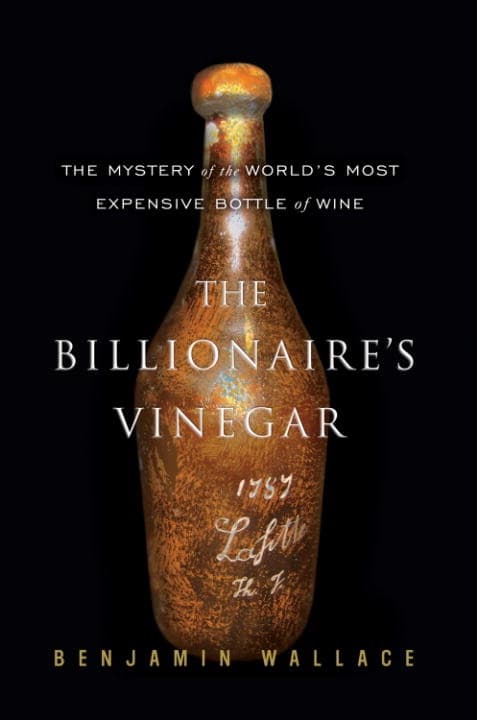
The Billionaire's Vinegar
Benjamin Wallace
The Billionaire's Vinegar turns a provenance scandal into a masterclass on how experts can be sincerely wrong, especially when money rewards confidence.
Money accelerates belief and slows verification.
Wallace is precise about the mechanics of forged provenance and the social dynamics that let bad attribution stick. For art fraud investigations, it delivers both the narrative stakes and the analytical warning signs: what to distrust in certainty.
Can we tailor this list for you?
Type your question in the bar below and the AI will tailor a fresh set of picks just for you.