Best Books on Aviation Accidents
Aviation accidents demand more than horror stories. Ernest K. Gann’s Fate Is The Hunter and Paul A. Craig’s The Killing Zone give you both the lived stakes and the failure-math behind prevention.
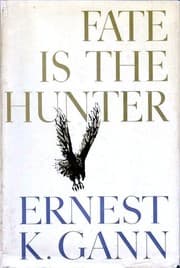
Fate Is The Hunter
Ernest K. Gann
After facing deadly weather and mechanical surprises, Gann turns terror into judgment: how to keep flying decisions clean when reality stops cooperating.
Let judgment carry when instruments and plans fail.
This is firsthand early commercial aviation with a clear-throughline of decision-making under pressure, not tidy hindsight. For accident learning, it builds the human instincts pilots need to read risk before it becomes a reportable catastrophe.
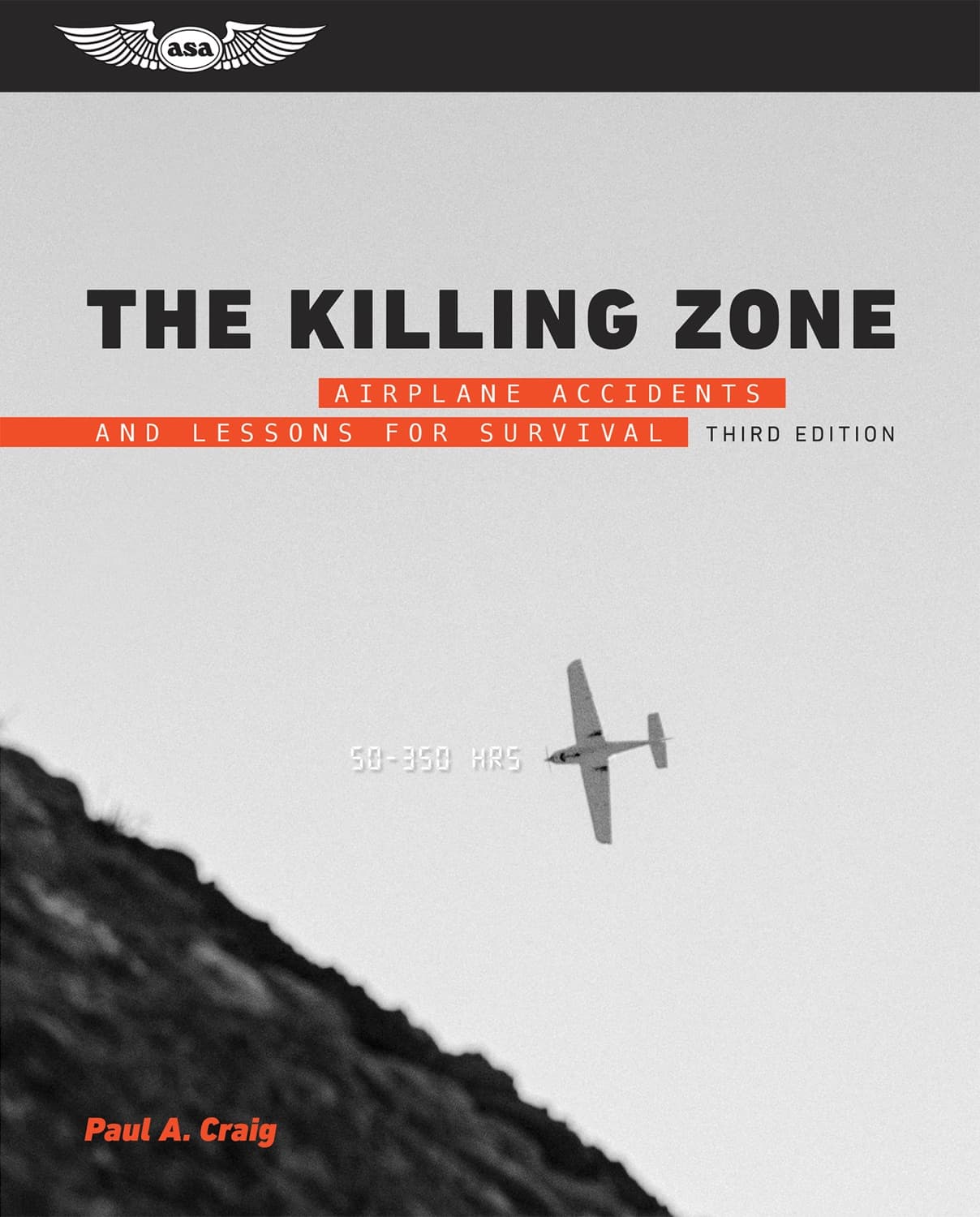
The Killing Zone, Second Edition
Paul A. Craig
It argues the most lethal moments in aviation often happen early, when crews are most likely to be wrong about what is happening.
Early minutes are the highest-lethality window.
Craig gives accident analysis with a blunt focus on why pilots die: time-critical misunderstanding, recognition delays, and physiological limits. If you want aviation accidents explained as a preventable pattern, this supplies that mechanism.
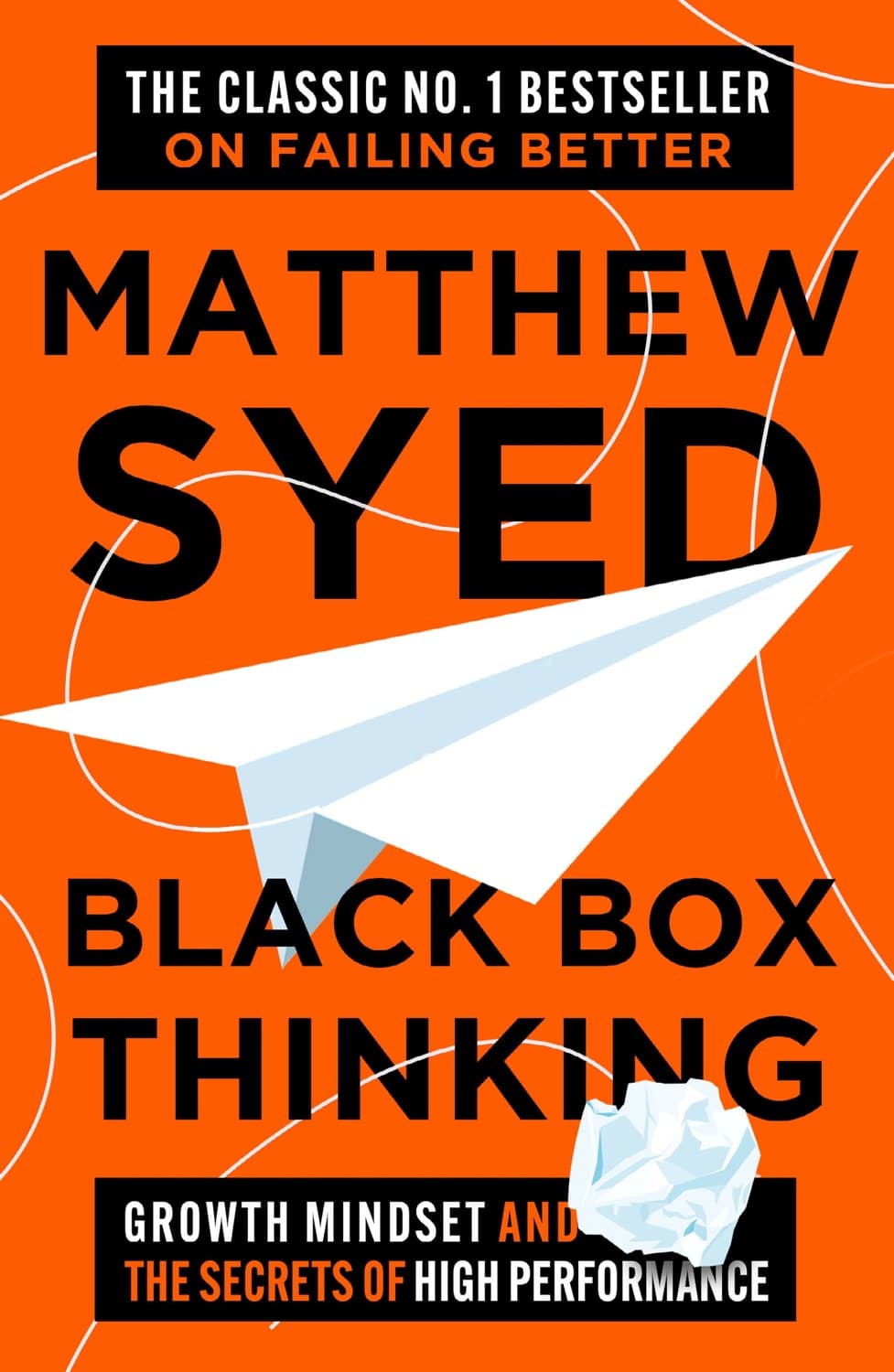
Black box thinking
Matthew Syed
You can’t out-argue bad outcomes: Black box thinking shows how measurement, not confidence, changes safety systems.
Incentives beat intuition when learning matters most.
Syed translates investigation lessons into a practical learning framework for organizations. That makes it especially useful if your goal is to understand how aviation findings actually reshape training, procedures, and culture.
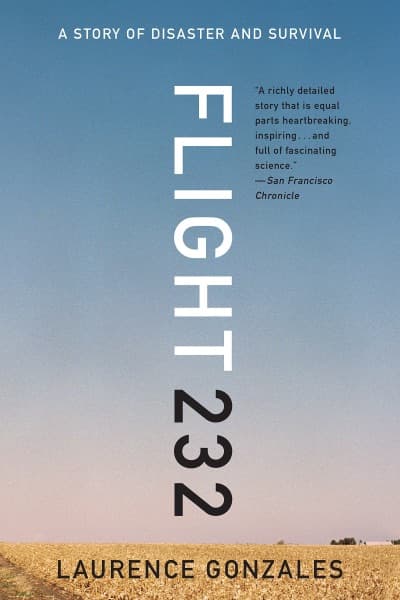
Flight 232
Laurence Gonzales
A crippled jet becomes a lesson in systems improvisation, where teamwork and methodical control choices matter as much as piloting skill.
Improvisation works best with disciplined roles.
This narrative centers on how the cockpit responds when normal assumptions collapse. For aviation accidents, it grounds safety learning in the lived constraints of a real, landmark event rather than abstract theory.
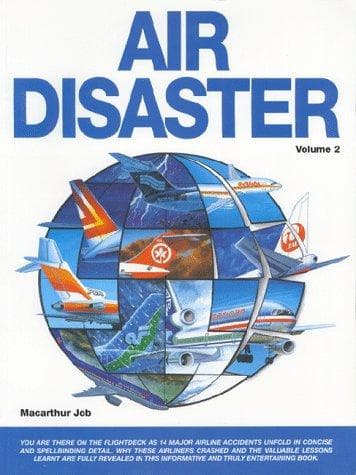
Air Disaster
Macarthur Job, Matthew Tesch
A case collection that trains your eye to spot recurring failure chains across unrelated accidents.
Track the same failure chain across different scenes.
It gives many distinct incident snapshots, which helps you build pattern-recognition for accident causation. For accident-focused reading, the repetition across cases is the point.
The Interrupted Journey
John Fuller
One of aviation’s most enduring stories becomes a study in how belief, error, and consequence collide mid-flight.
Stories can distort lessons unless facts stay central.
Fuller’s famous narrative connects the crash story to the larger myth-making that surrounds disasters. It helps you read accidents not only as events, but as narratives that can mislead unless you stay anchored to evidence.
Early minutes are the highest-lethality window.
Airframe
Michael Crichton
Airframe turns investigation into courtroom-grade logic, showing how organizational pressure can warp the search for truth.
Assumptions survive longer than facts under pressure.
Even though it is fiction, it is built around recognizable aviation safety issues and the procedural reality of how failures get framed. If you want accident mechanics plus the politics around blame, this scratches that itch without pretending to be a transcript.
Can we tailor this list for you?
Type your question in the bar below and the AI will tailor a fresh set of picks just for you.