Best Books for Aspiring Military and Air Force Pilots
Aspiring pilots and Air Force candidates need two lenses: what the airplane does and what the pilot must not do. Stick and Rudder anchors the physics of control; AFOQT tools sharpen the test-world reality.
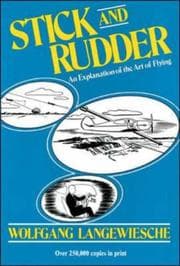
Stick and Rudder
Wolfgang Langewiesche
Control is not a checklist of inputs, it is a conversation between your senses and the airplane: learn the logic and the workload drops.
Trim and coordinated control prevent the spiral
Langewiesche builds flight thinking around cause and effect, so you stop memorizing maneuvers and start understanding why they work. That mindset transfers directly to military training where disciplined control and rapid correction matter.
The Killing Zone, Second Edition
Paul A. Craig
The book treats deadly outcomes like traceable decision errors, not bad luck, so you learn to recognize the trap before it tightens.
Most lethal events start as fixable errors
Craig dissects the human patterns behind preventable loss of control and other fatal scenarios. For aspiring Air Force and military pilots, that risk lens helps you prioritize technique, discipline, and threat recognition early.
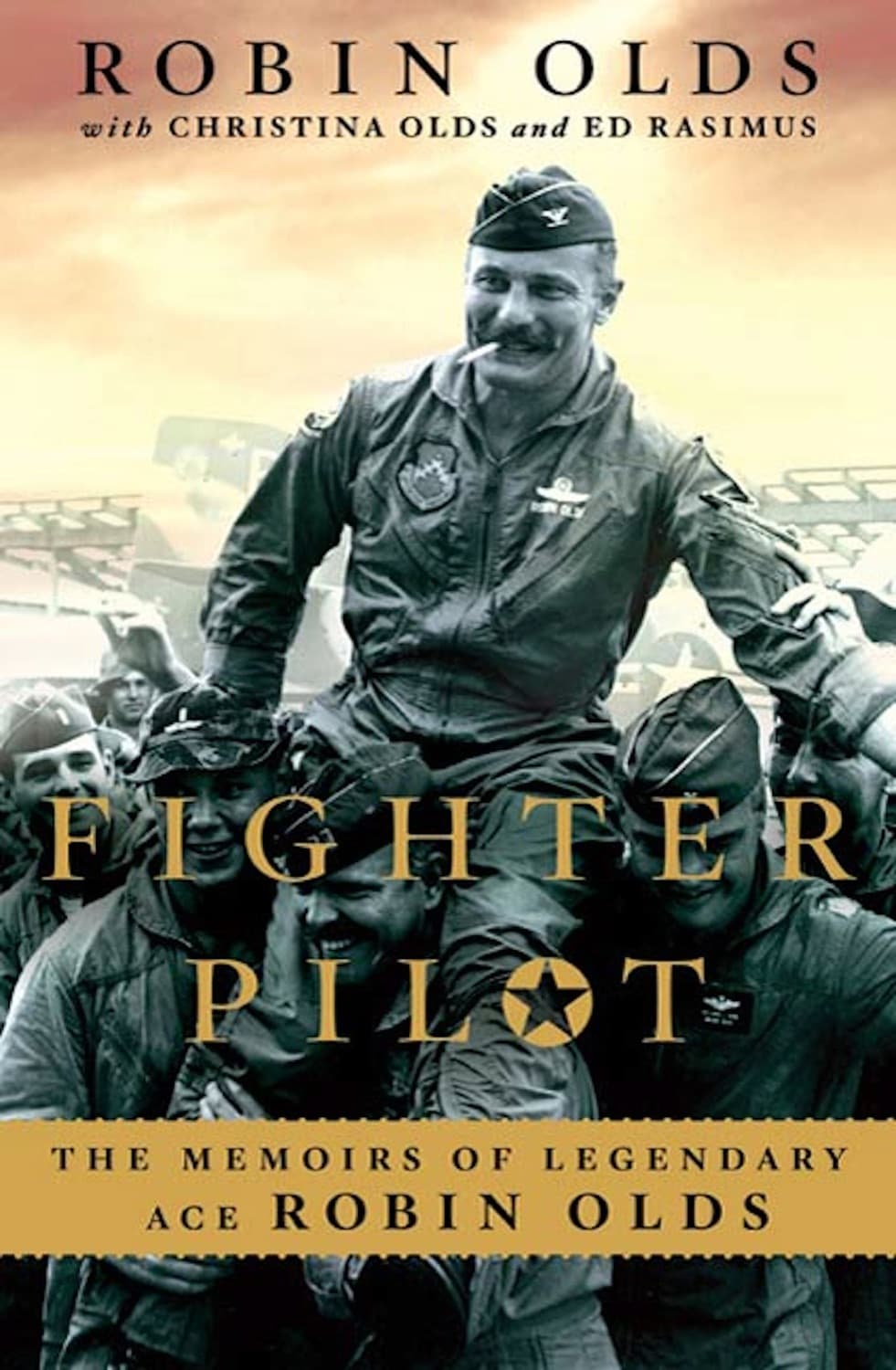
Fighter pilot
Robin Olds
Robin Olds turns combat flying into leadership under pressure: the mission is executed by judgment, not bravado.
Competence is the real attitude in the cockpit
This memoir shows what fighter culture rewards and what it punishes, from preparation to in-the-moment decision making. If you are aiming for the Air Force pilot path, the character study can be as useful as the tactics.
The Student Pilot's Flight Manual
William K. Kershner
You practice the fundamentals until they feel inevitable, because early training is where good habits become automatic.
Accurate flying starts with accurate scan
Kershner’s approach emphasizes the core skills aspiring pilots must internalize before they are asked to do more complex flying. It supports your progression from learning basics to meeting the standards that pilot-track pipelines demand.
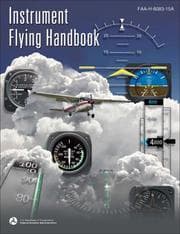
Instrument Flying Handbook (Federal Aviation Administration)
Federal Aviation Administration
Instrument flying becomes survivable when you learn to trust disciplined procedures over instincts.
Scan drives control in the clouds
The FAA handbook builds the practical framework behind attitude control, scanning, and decision making in low visibility. For aspiring Air Force and Air Force-bound pilots, instrument competence is often the bridge from training tasks to serious mission work.
AFOQT Practice Test Book
Afoqt Study Guide Team, Trivium Test Prep
This turns the AFOQT from an unknown wall into a set of repeatable skills you can train and measure.
Practice fixes the test format, not just facts
A targeted practice resource helps you focus study time on the test-world problem types Air Force pilot candidates face. It does not replace flying knowledge, but it protects your momentum by reducing surprise on the aptitude track.
Most lethal events start as fixable errors
Pilot's Handbook of Aeronautical Knowledge
Federal Aviation Administration
Understanding the why behind airspace, systems, and aerodynamics reshapes how you interpret every flight situation.
Performance planning is a safety skill
This is the FAA knowledge foundation that supports confident decision making across weather, performance, and aircraft systems. If your goal is professional progression, it helps you speak the same technical language the training pipeline expects.
The air pilot's manual
Trevor Thom
Thom makes early piloting feel structured: you learn what to do, why it matters, and how to keep control as complexity rises.
Good habits are control habits
The text is designed for ab initio learning and reinforces the discipline of correct fundamentals as you build capability. For aspiring military pilots, solid baseline technique is what makes later specialized training stick.
U. S. Air Force Search and Rescue Handbook
United States. Department of the Air Force, United States. Air Force, United States
Search and rescue thinking teaches how rescue systems and decision timing work when the worst happens.
Survival decisions must serve rescue timelines
An Air Force-oriented handbook gives you context on survival priorities and operational reality around rescue. Even if you never need it, understanding how SAR expects decisions to be made can sharpen your risk awareness as you pursue pilot training.
The Right Stuff
Tom Wolfe
It captures what elite test pilots have in common: they fear failure, but they do not let fear replace judgment.
Talent is nothing without controlled nerve
Wolfe’s aviation culture lens helps you understand the temperament and standards behind the test-pilot world that shaped modern military aviation. If you are aspiring to an Air Force cockpit role, the story clarifies what “right stuff” looks like in behavior, not just bravado.
Can we tailor this list for you?
Type your question in the bar below and the AI will tailor a fresh set of picks just for you.