Best Books on Airlines
From Ernest K. Gann’s Fate Is The Hunter to Gordon Bethune’s From Worst to First, these airline books trade myths for lived reality: cockpit grit, industry shocks, and the management choices that actually reshape carriers.
Fate Is The Hunter
Ernest K. Gann
After you close Fate Is The Hunter, “airline flying” feels less like a schedule and more like a constant negotiation with weather, fate, and human limits.
Weather is an adversary, not a backdrop.
Gann writes from the cockpit with a moral clarity most aviation histories never reach. It fits airlines because it explains how early commercial flying culture shaped decisions long before modern strategy language existed.
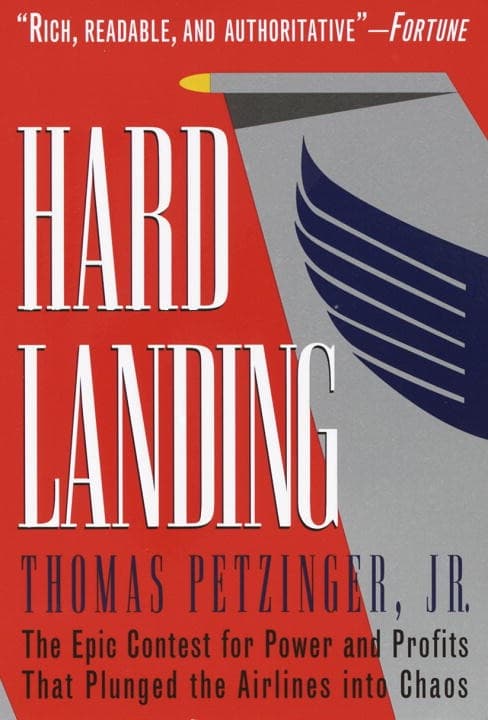
Hard Landing
Thomas Petzinger, Jr.
Hard Landing reframes airline crises as system failures: incentives and regulation break first, then planes get blamed.
When incentives change, reliability follows.
Petzinger traces industry upheavals with a business historian’s eye for who changed what, and why it backfired. That matters if your interest in airlines goes beyond trivia into why the sector repeatedly restructures itself.
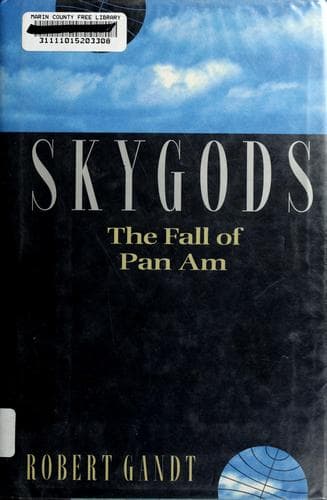
Skygods
Robert L. Gandt
Skygods turns airline professionals into characters you can feel: ego, discipline, and command decisions under pressure.
Credibility is built in the briefing room.
Gandt’s insider framing connects pilot culture to airline behavior, not just flight rules. It helps you understand airlines as organizations built around cockpit trust and identity.
From Worst to First
Gordon Bethune
From Worst to First makes turnaround leadership concrete: small operational discipline compounds until the airline’s culture becomes measurable performance.
Fix the front line, not the brochure.
Bethune’s perspective grounds success in execution, not slogans, and shows how a CEO can redesign behaviors across an airline. It’s ideal when you want to know how carriers improve, not just why they struggle.
Airline
Keith Lovegrove
After Airline, you notice how branding decisions communicate reliability, hierarchy, and modernity across terminals and cabins.
Design is operational culture made visible.
Lovegrove’s visual and cultural history treats airline identity as design history, not marketing fluff. It’s a strong match if your airline interest includes how carriers craft meaning through uniforms, logos, and systems.
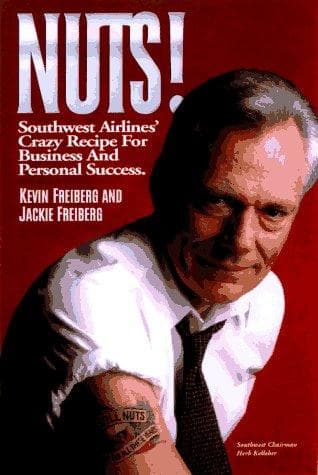
Nuts!
Kevin Freiberg, Jackie Freiberg
Nuts! argues that frontline empowerment is an operational strategy, and Southwest’s results follow the behavior change.
Empowerment is a system, not a mood.
The Freibergs show how a specific airline culture gets translated into service, loyalty, and performance pressures. It matches a search for airlines because it explains how culture becomes an engine, not a slogan.
Can we tailor this list for you?
Type your question in the bar below and the AI will tailor a fresh set of picks just for you.