Best Books on Vibe Coding
Vibe coding thrives on iteration, but it needs guardrails: The Pragmatic Programmer and Code Complete teach reliable habits, while Refactoring and Clean Code keep generated code from turning into technical debt.
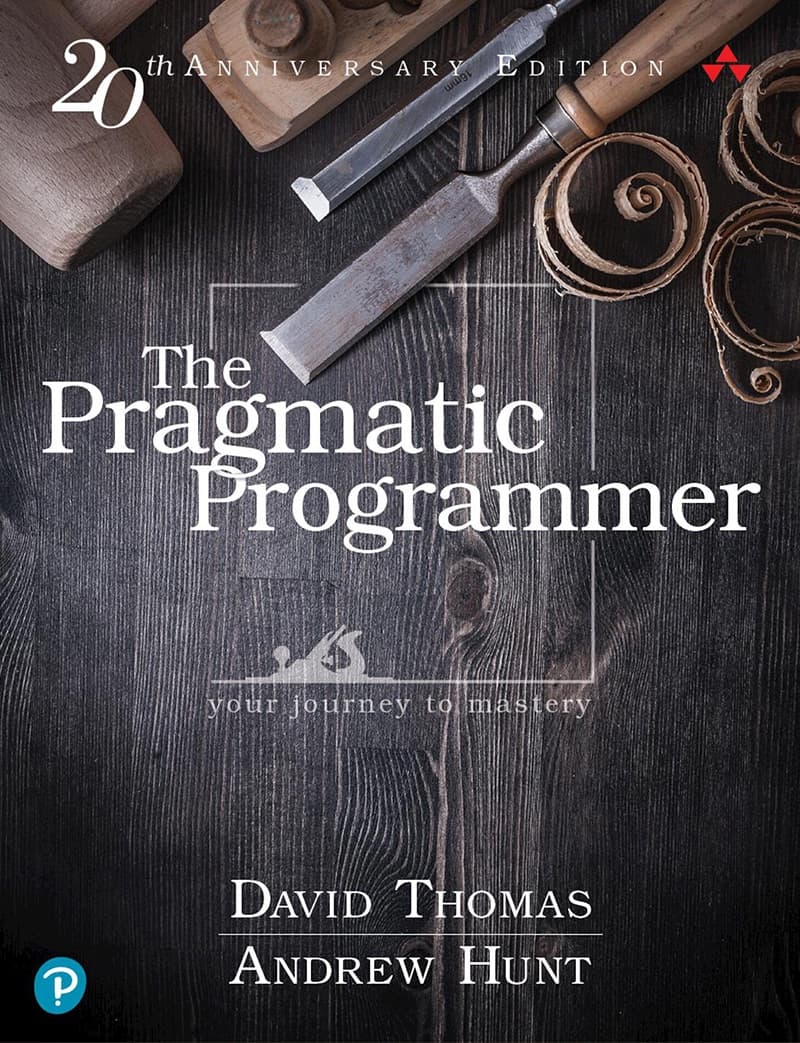
The Pragmatic Programmer
Andy Hunt, David Thomas, Dave Thomas, David . Thomas
You stop treating “just ship it” as a lifestyle and start running coding like a repeatable craft: measure, refactor, and automate the parts that drain attention.
DRY plus deliberate refactoring beats frantic rewrites
It turns ad-hoc vibe coding into dependable practice through concrete habits and continuous improvement. That matters when AI helps you move fast, but you still need consistency, iteration discipline, and tool leverage.
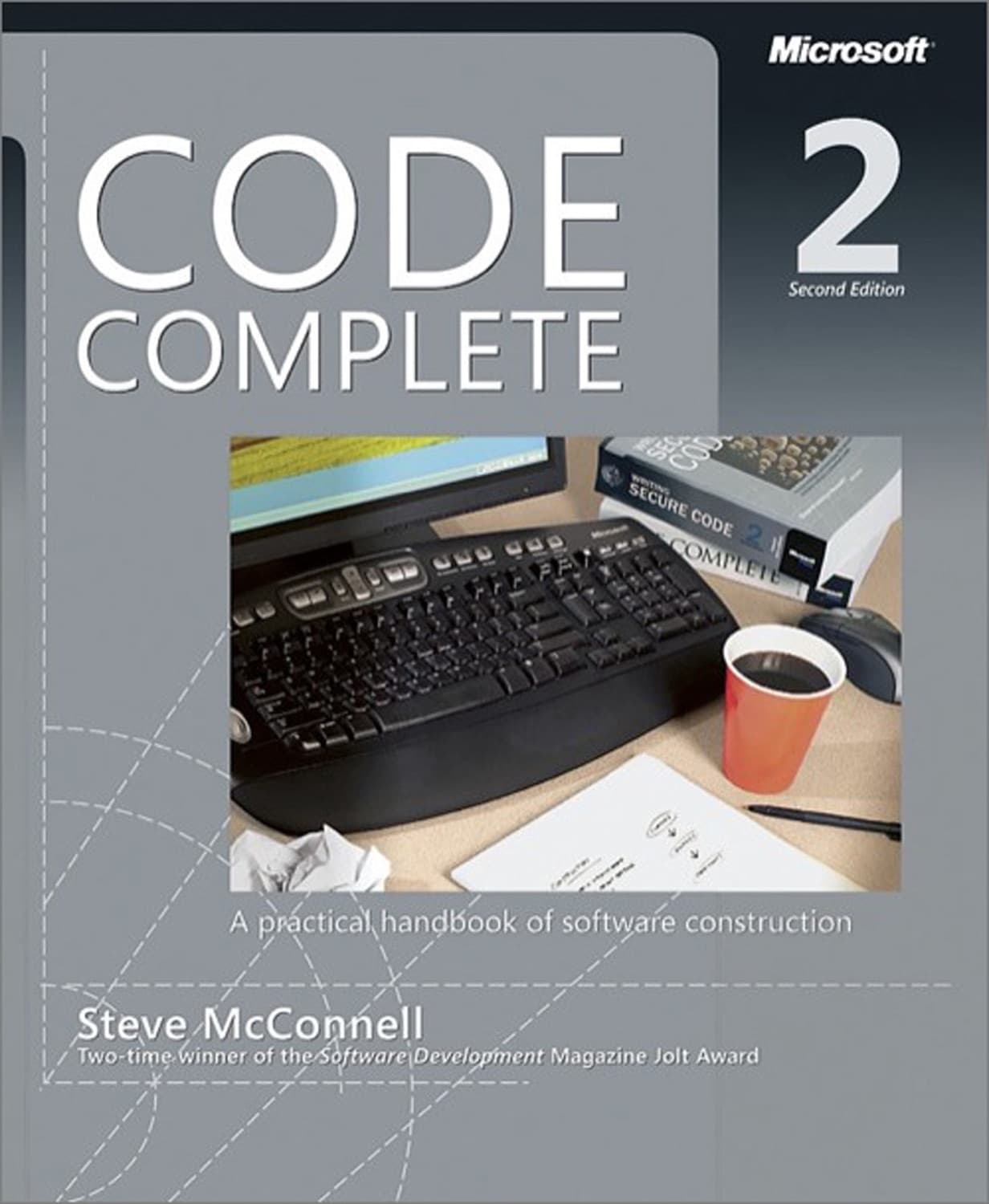
Code Complete
Steve McConnell
You learn how to reduce avoidable bugs by designing code around clarity, limits, and verification, even when the first draft is generated quickly.
Design and testing start long before writing the final code
McConnell gives engineering fundamentals that stabilize chaotic workflows, which is exactly where vibe coding can drift into “looks right” code. It helps you turn AI output into something you can trust under change.
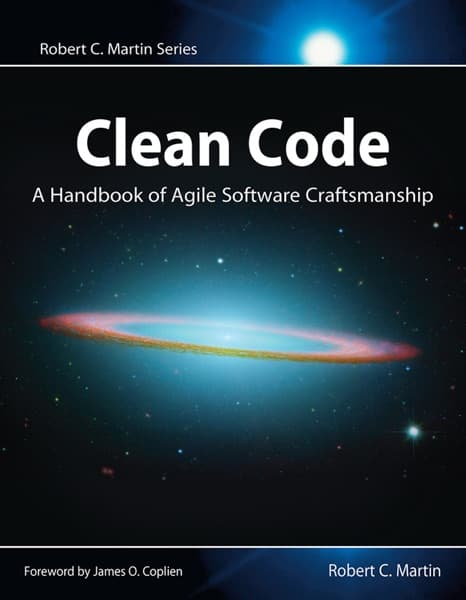
Clean Code
Robert C. Martin
Refusing cleverness becomes a competitive advantage: your future self can read, review, and fix AI-assisted code without guessing.
Names and small functions beat clever tricks
The book focuses on code quality principles that survive frequent edits, reviews, and re-prompts. That directly supports the vibe coding promise while preventing the review and maintenance cost from exploding.
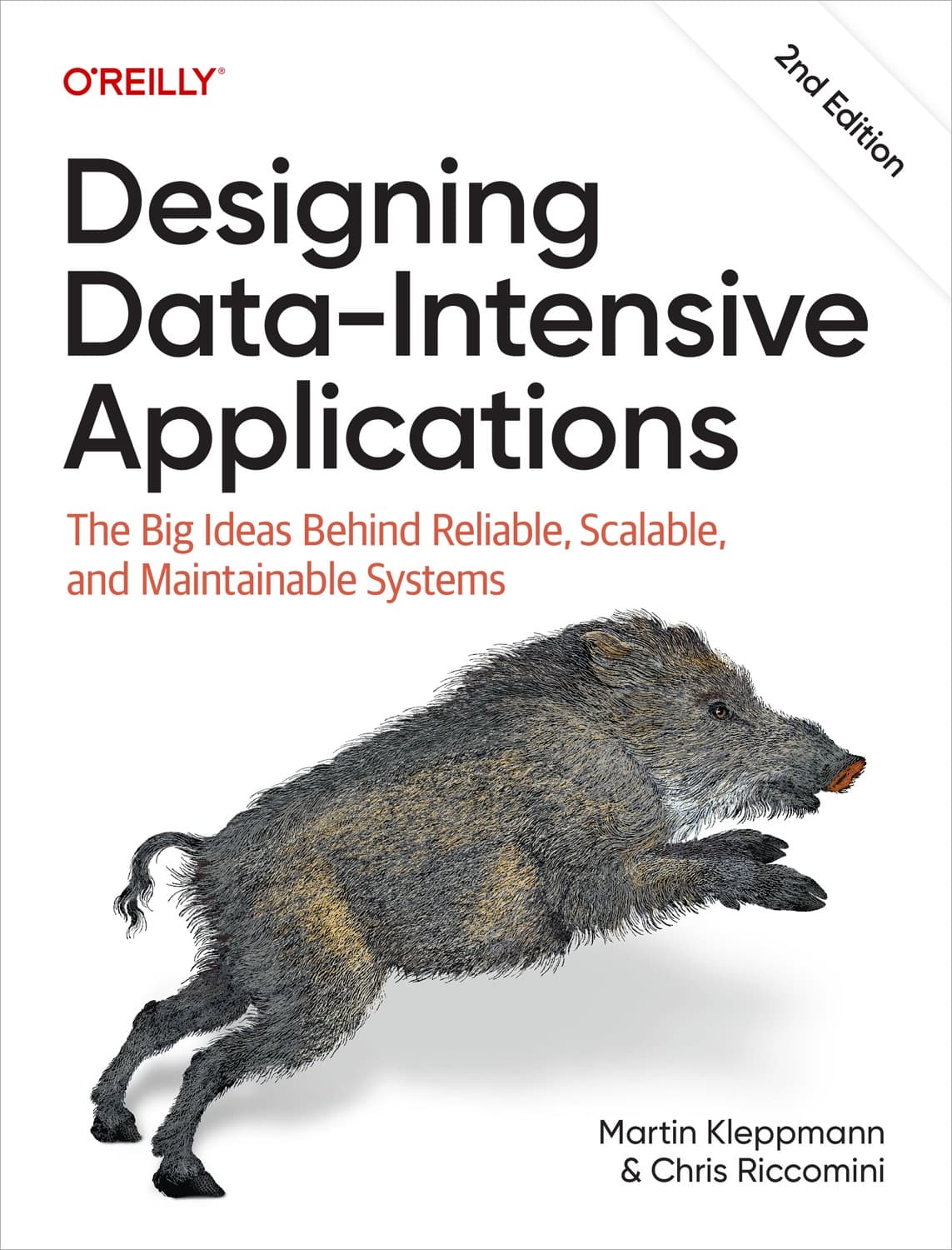
Designing Data-Intensive Applications
Martin Kleppmann
Your prototypes gain durability: you start reasoning about distribution, failure, and data models instead of assuming the happy path is enough.
Model failures: latency, partitions, and replication realities
Vibe coding often ends before reliability questions appear. Kleppmann builds the systems lens you need so AI-generated code doesn’t stay trapped in prototype architecture.
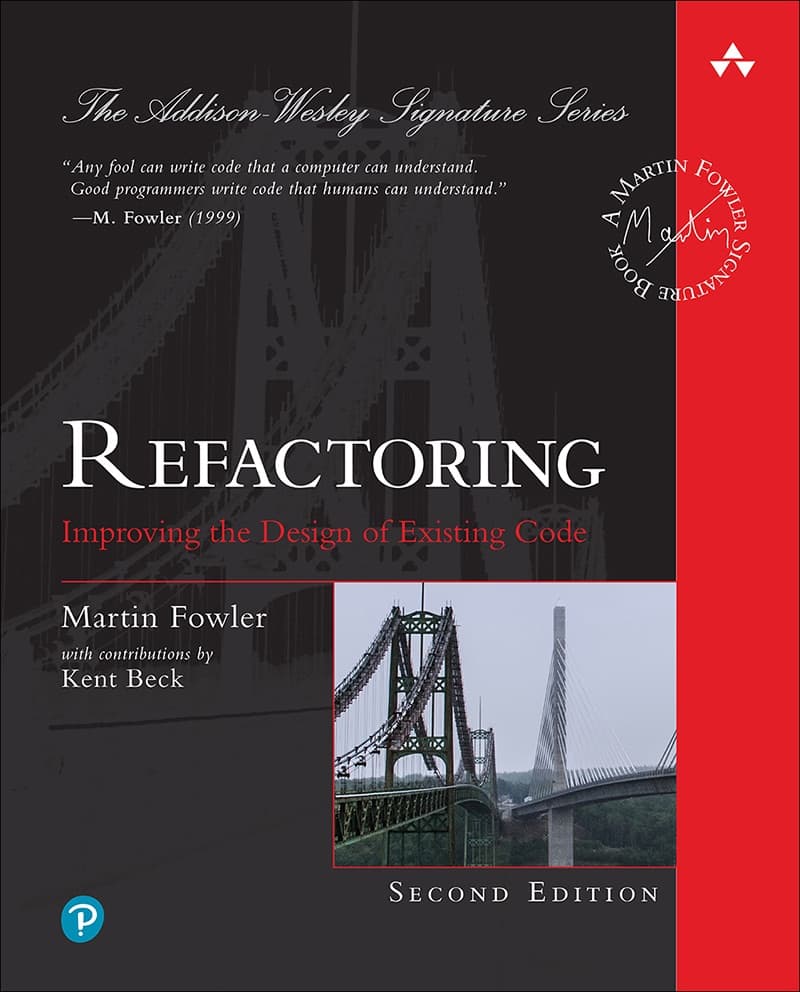
Refactoring
Martin Fowler
Messy, rapidly produced code becomes safely improvable: you refactor in small steps with confidence instead of rewriting from scratch.
Refactor with tests: small change, verified outcome
Refactoring techniques let you clean up the artifacts of rapid prompting cycles without losing behavior. That aligns with vibe coding by preserving momentum while continuously improving structure.
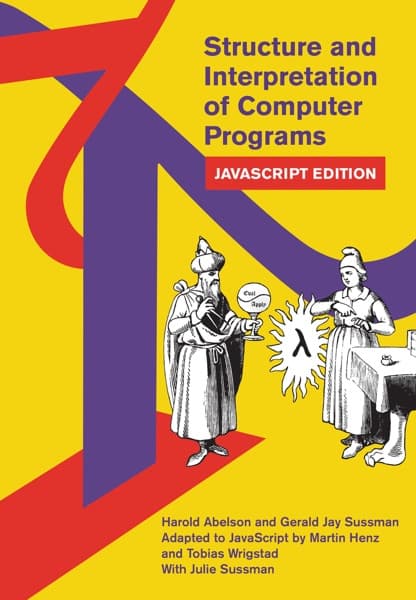
Structure and Interpretation of Computer Programs, second edition
Harold Abelson, Gerald Jay Sussman
You gain a deeper control panel for code meaning: programs become something you can reason about, not just assemble.
Think in abstractions: environment, evaluation, and composition
Strong mental models help you steer AI output deliberately when it “feels” correct but isn’t. This reduces the gap between vibe and understanding, so you can diagnose and reshape behavior with purpose.
Design and testing start long before writing the final code
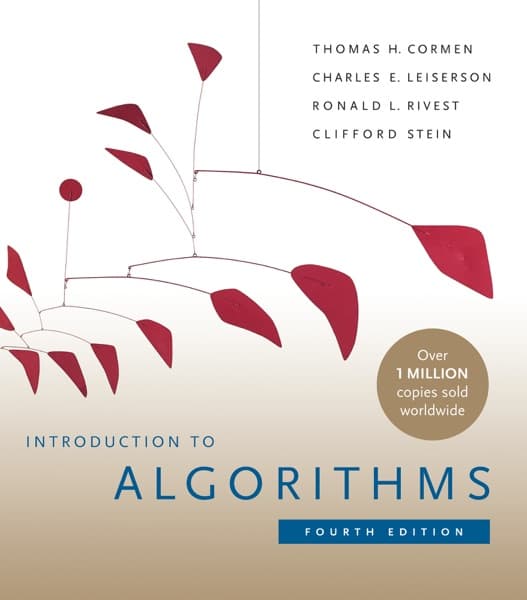
Introduction to Algorithms
Thomas H. Cormen, Charles E. Leiserson, Ronald L. Rivest, Clifford Stein
You develop a reliable lie detector for performance: when AI code looks plausible, you can still validate complexity and constraints.
Big-O is the sanity check for algorithm choices
Vibe coding loves speed of generation, but algorithmic correctness and efficiency decide whether it holds up. This gives the reference grounding to check solutions that “work” but shouldn’t.
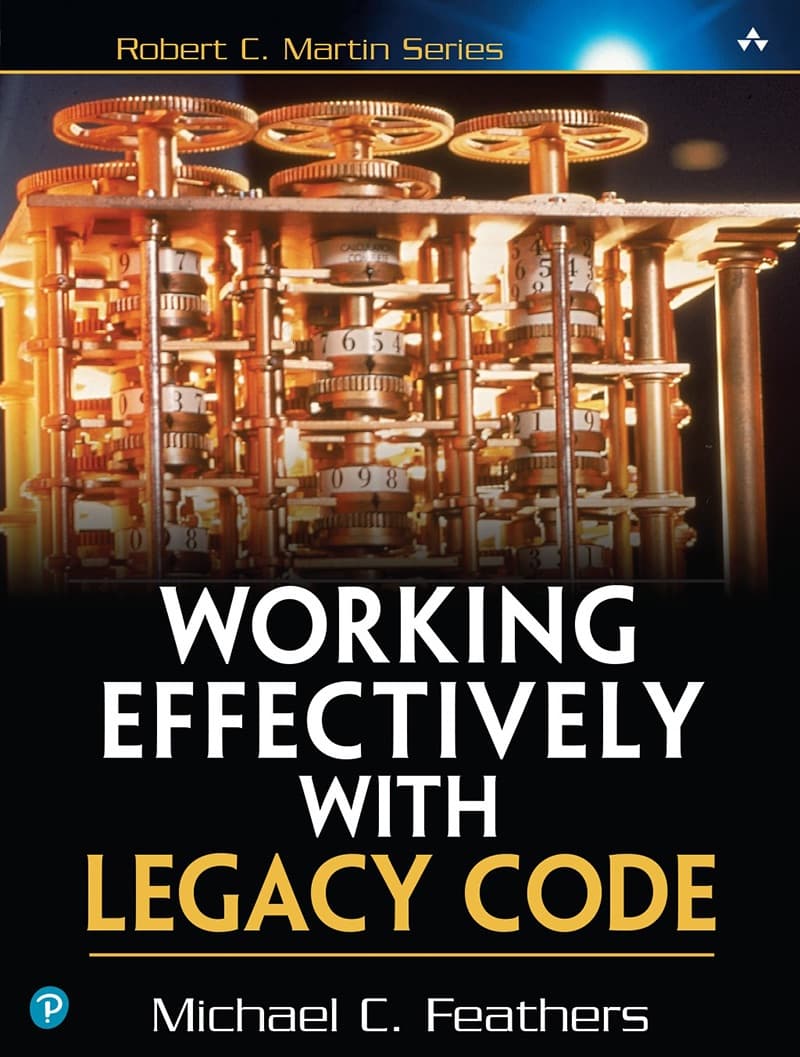
Working Effectively with Legacy Code
Michael Feathers
You learn how to tame unsafe code changes: create tests around behavior so you can refactor without fear of breaking everything.
Characterization tests preserve behavior during refactors
When vibe coding touches older modules, the risk isn’t imagination, it is unintended behavior changes. Feathers teaches techniques for building confidence quickly so AI-assisted edits stay controlled.
Can we tailor this list for you?
Type your question in the bar below and the AI will tailor a fresh set of picks just for you.