Best Books on Hiring and Culture at AI-Native Companies
AI-native hiring lives or dies on structured signals and day-to-day culture. Geoff Smart and Randy Street’s Who and Laszlo Bock’s Work Rules! give the hiring mechanics, while The Culture Code turns culture into observable behaviors.
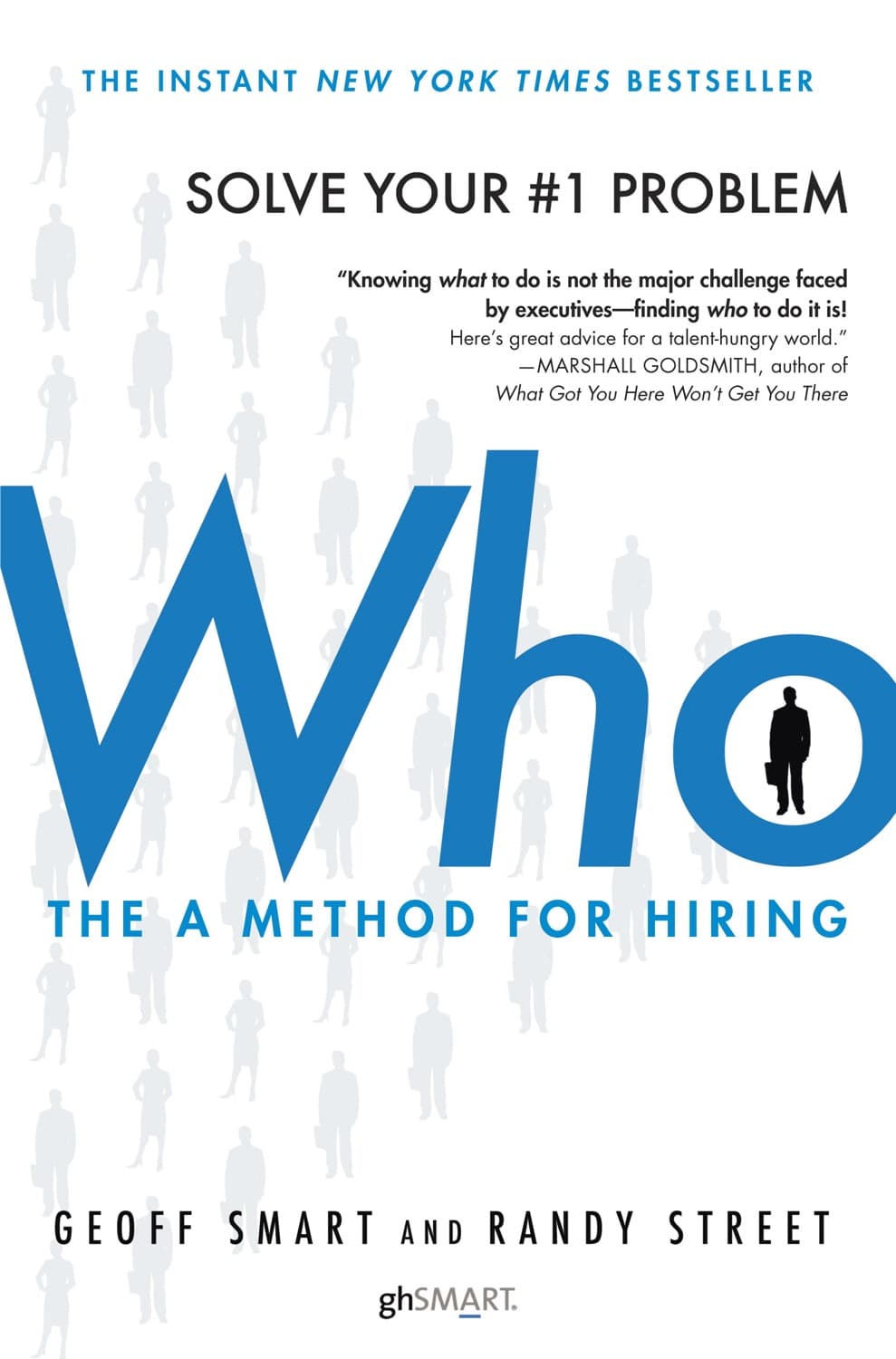
Who
Geoff Smart, Randy Street
Scorecards stop hiring from becoming a vibes contest: you interview for evidence of on-the-job success, then calibrate decisions like a system.
Use structured scorecards tied to job score priorities.
Who builds a rigorous, repeatable hiring workflow: define the job, document the success signals, and run interviews that produce comparable evidence. That structure matters when AI-native teams need fast, consistent selection without drifting into founder taste or noisy signals.
Work Rules!
Laszlo Bock
Google’s hiring and culture playbook treats people decisions as data plus craft, not mythology.
Measure what you value, then design systems around it.
Work Rules! explains how hiring, performance management, and team norms become operating systems inside a large tech org. For AI-native companies scaling quickly, it shows how to build culture through measurable processes while protecting what makes teams trust each other.
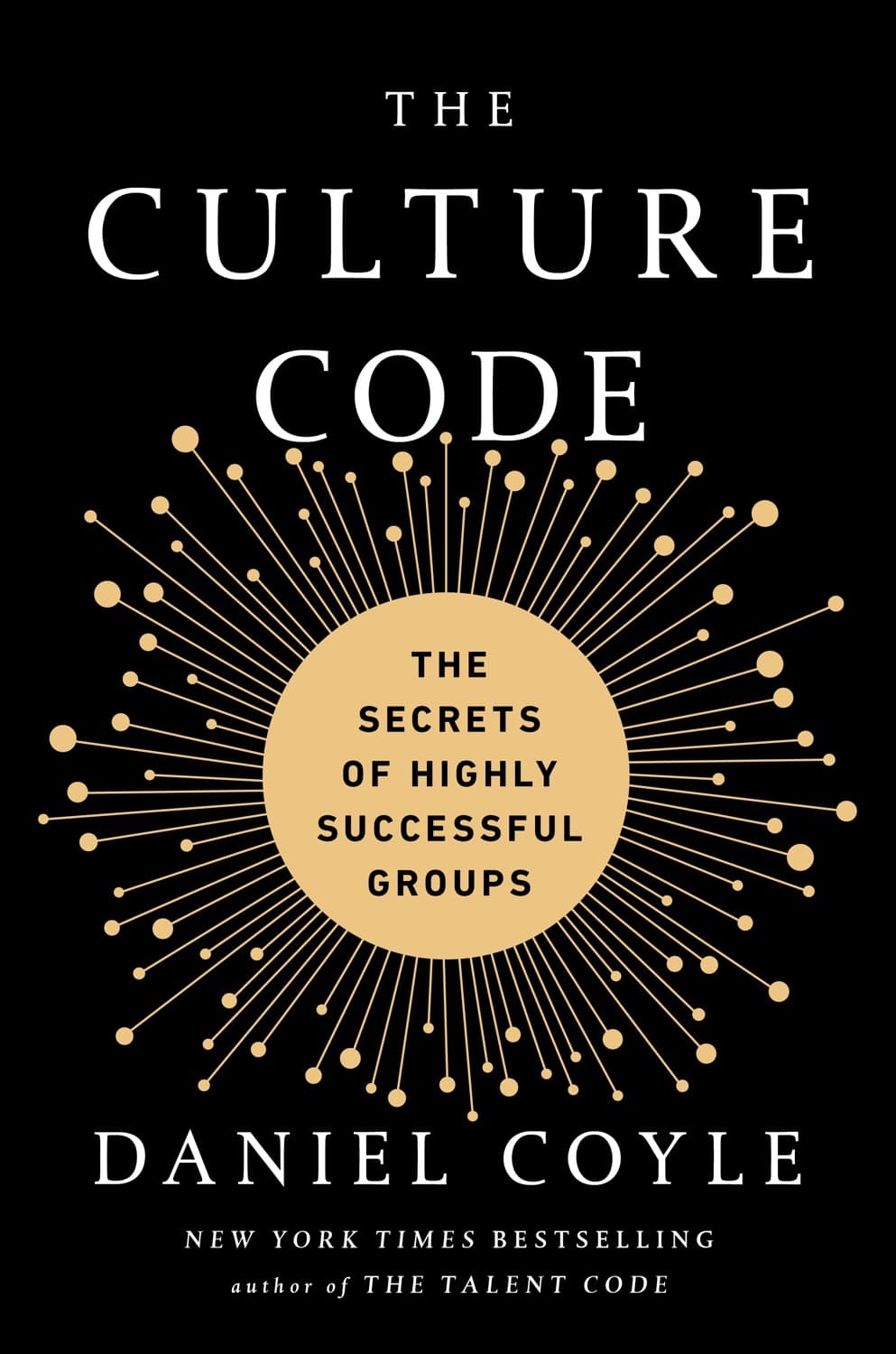
The Culture Code
Daniel Coyle
Culture shifts through three repeatable moves: create safety, share purpose, and establish norms people can actually feel.
Safety, purpose, and norms drive cultural cohesion.
The Culture Code translates abstract culture into behaviors leaders can practice and teams can observe. That matters for AI-native work where collaboration across disciplines is constant and trust directly affects execution speed and quality.
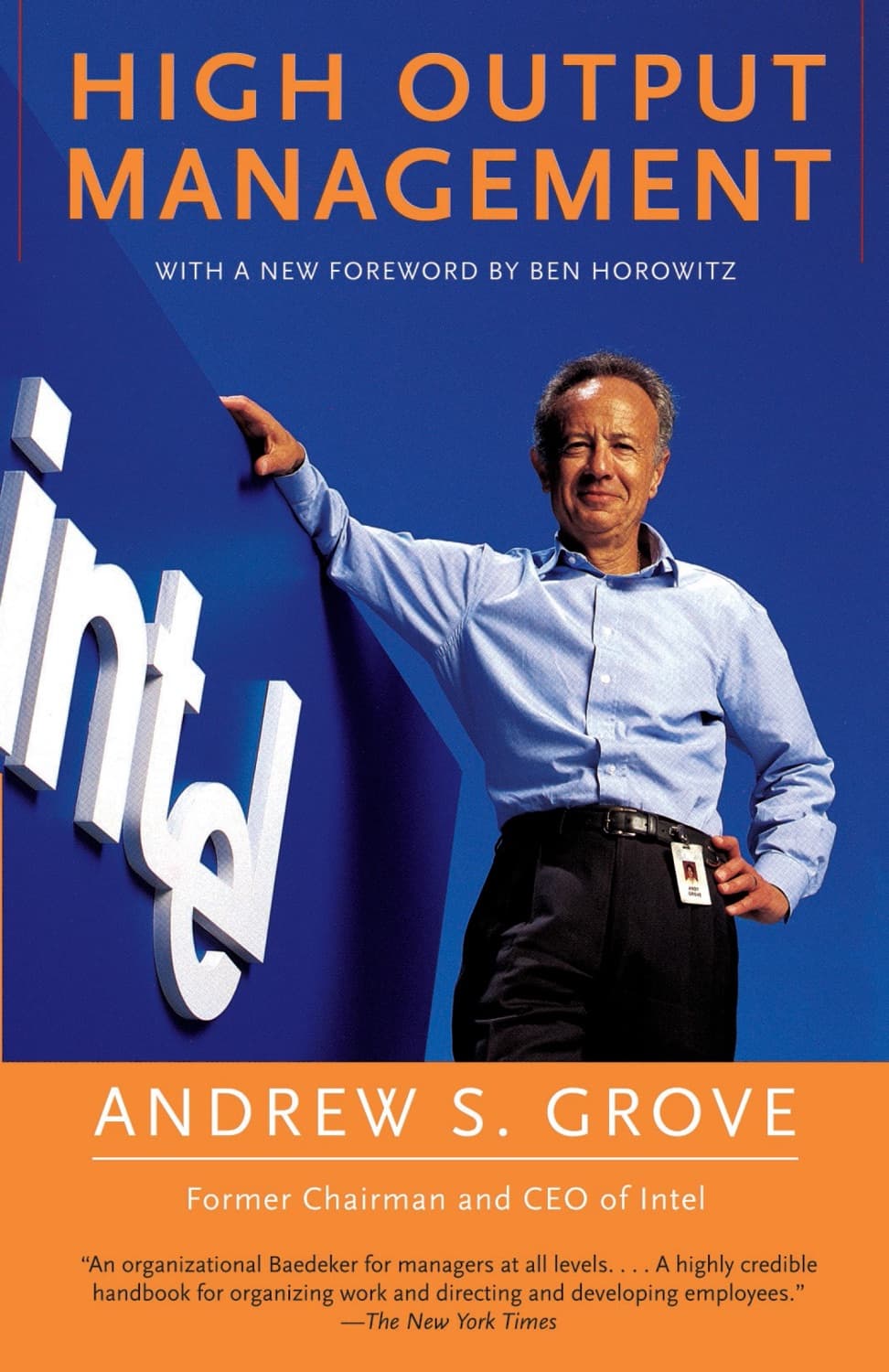
High Output Management
Andrew S. Grove
A manager’s job is to raise the output ceiling by building clear goals, good feedback, and sharp decisions.
Set objectives, review results, improve feedback loops.
High Output Management offers the managerial mechanics behind scaling teams and performance without chaos. If your AI-native org needs hiring and culture that support technical throughput and ownership, Grove gives the management backbone that turns people policies into results.
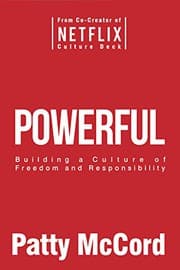
Powerful
Patty McCord
Talent density is a culture lever: high standards and candor create the conditions for teams to perform without bureaucracy.
Raise standards and reduce bureaucracy together.
Powerful argues for stronger selection, fewer rules, and a culture that assumes adults will handle responsibility. That maps well to AI-native companies that need autonomy, rigorous hiring, and a blunt feedback atmosphere to keep model and product iterations moving.
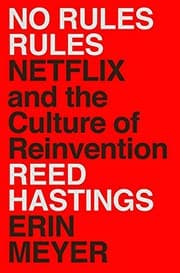
No Rules Rules
Reed Hastings, Erin Meyer
Culture becomes a set of decision rules: give people freedom, then demand clear responsibility and transparency.
Freedom works only with responsibility and clarity.
No Rules Rules is a case study in how Netflix operationalizes freedom with accountability, including talent systems and manager expectations. For AI-native companies, it helps connect culture to hiring and day-to-day decision-making under uncertainty.
Measure what you value, then design systems around it.
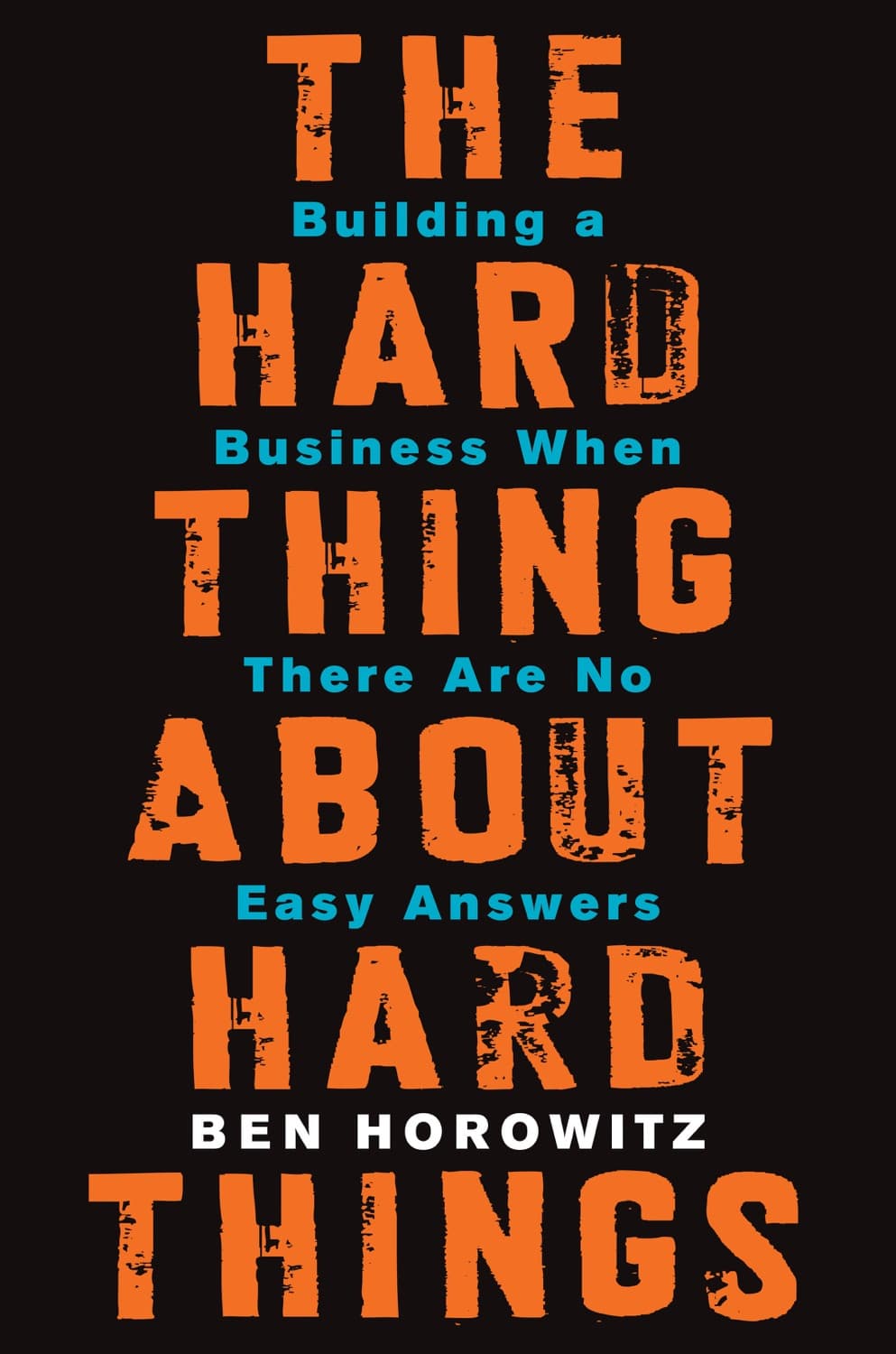
The Hard Thing About Hard Things
Ben Horowitz
In turbulent times, the people problems are the business problems, and leadership choices about hiring shape your survival.
Hiring is the fastest route to improving outcomes.
The Hard Thing About Hard Things covers executive leadership, tough conversations, and hiring decisions when stakes are high. For AI-native startups navigating rapid change, it equips founders and senior leaders to build culture through the hard calls.

An Elegant Puzzle
Will Larson
Engineering management is an org design problem: clarify decision making, ownership, and communication so hiring translates into execution.
Optimize for ownership and decision clarity.
An Elegant Puzzle focuses on how teams work, how you staff them, and how you structure orgs so engineering can scale. That’s directly relevant to AI-native hiring because technical roles and cross-functional collaboration live or die on the surrounding system.
The Alliance
Reid Hoffman, Ben Casnocha, Chris Yeh
Talent systems are relationships: top performers stick when companies treat trust, growth, and alignment as a long game.
Trust grows through alignment and ongoing relationships.
The Alliance reframes hiring and culture as an ecosystem of mutual commitment between people and the organization. For AI-native companies where knowledge and momentum compound, it offers a practical lens for building a culture that attracts and retains high-agency talent.
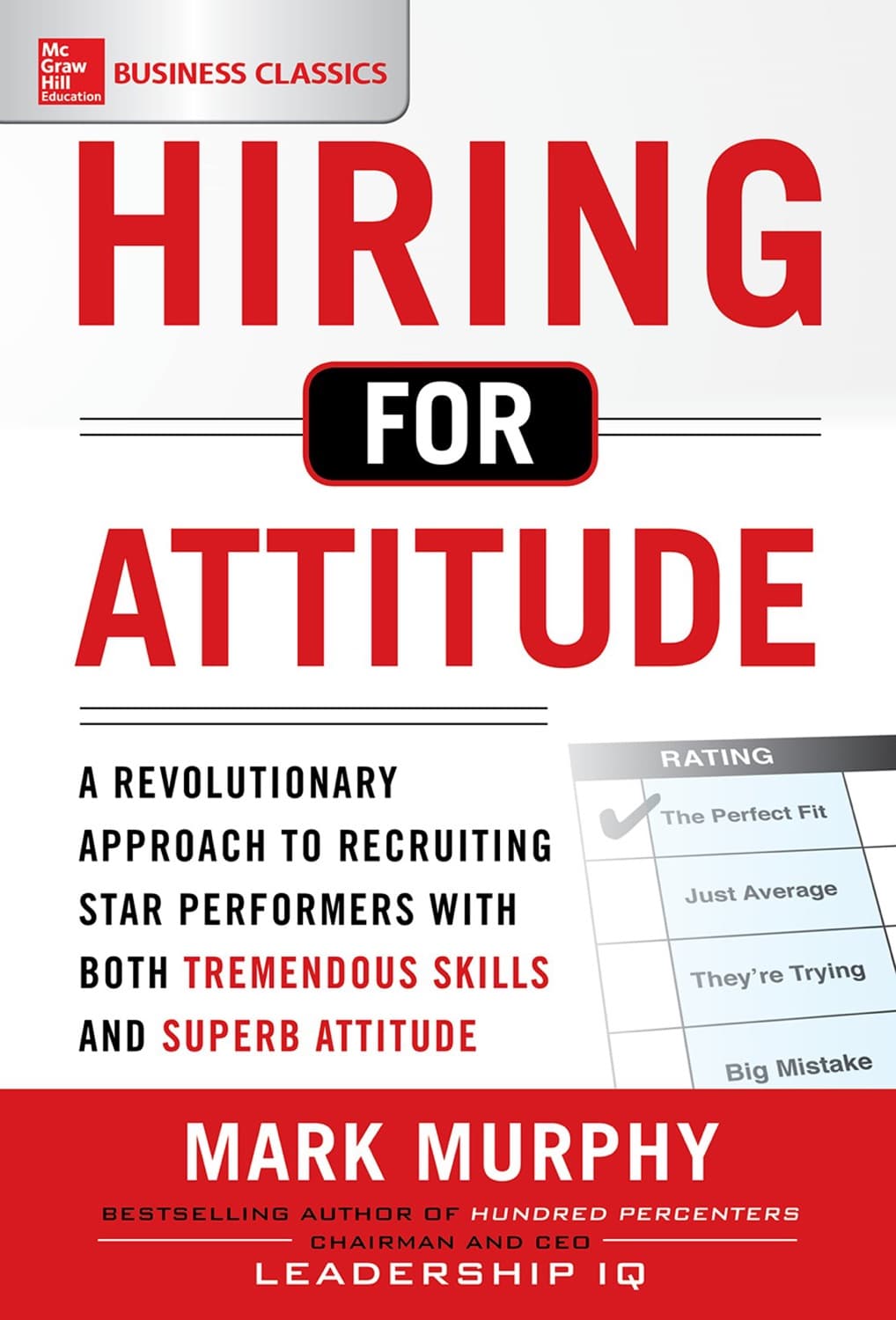
Hiring for Attitude
Mark A Murphy
You can’t always hire for skills, so you hire for attitude, then build the environment that lets talent convert into performance.
Hire for behaviors that predict learning and grit.
Hiring for Attitude centers selection discipline around behaviors and mindset rather than credentials alone. For AI-native teams that evolve faster than role requirements, it supports hiring a culture of learning and ownership while reducing mismatches.
Can we tailor this list for you?
Type your question in the bar below and the AI will tailor a fresh set of picks just for you.