Best Books on Building AI-Native Product Teams
AI-native product teams need both operating clarity and practical design instincts. Competing in the Age of AI by Marco Iansiti and Karim R. Lakhani provides the firm-level frame, while Working Backwards by Colin Bryar and Bill Carr turns it into day-to-day team execution.
Competing in the Age of AI
Marco Iansiti, Karim R. Lakhani
After this book, you stop treating AI as a feature and start designing organizations that can reliably turn AI into advantage, with clear lines between who decides and what gets scaled.
AI advantage comes from architectures, not models alone.
It gives a firm-and-team organizing framework for competing when AI changes the economics of execution. That matters for AI-native product teams because it reframes roadmap decisions as capability building, not project shipping.
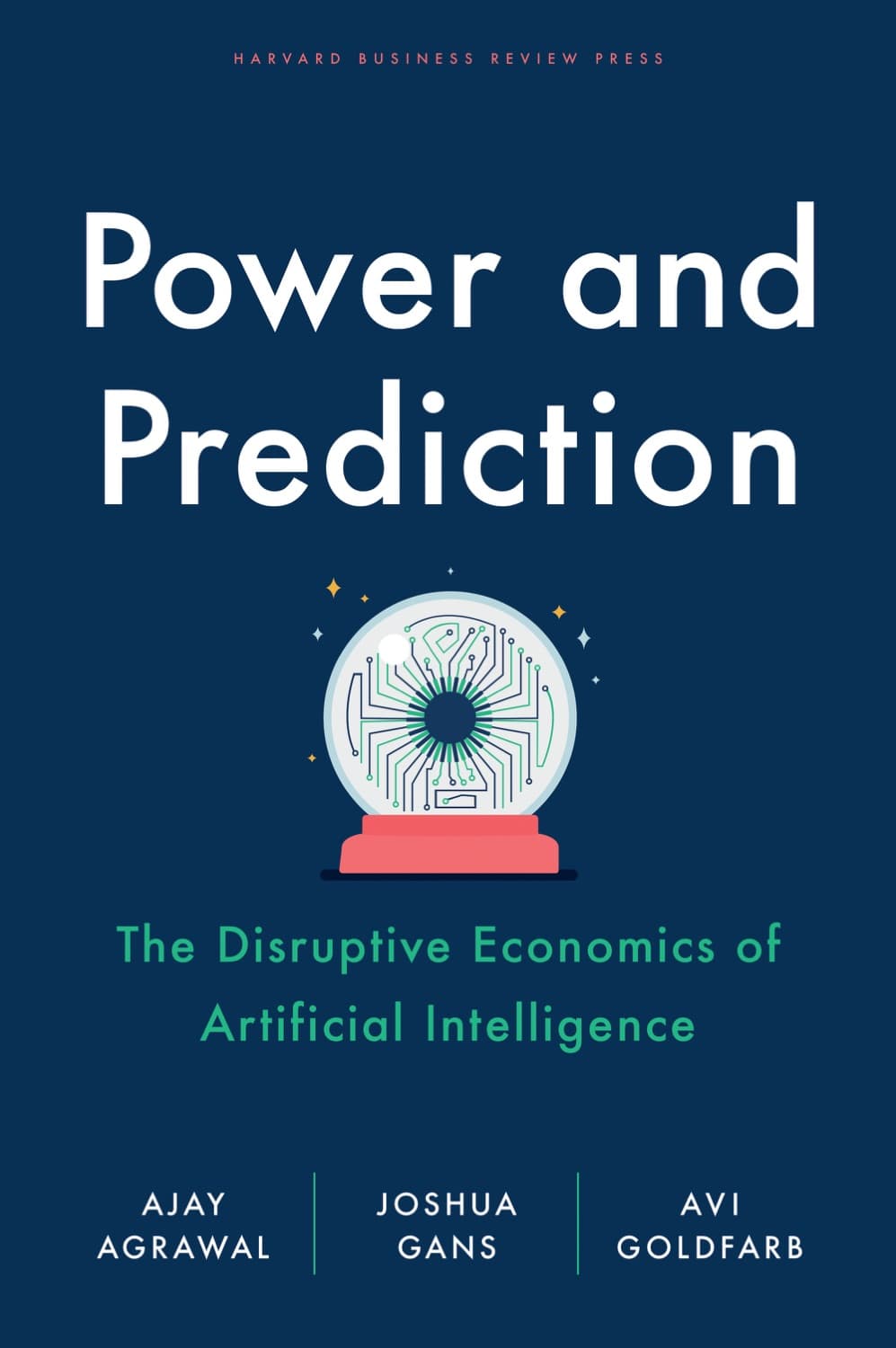
Power and Prediction
Ajay Agrawal, Joshua Gans, Avi Goldfarb
You learn to see product choices as a trade between prediction quality and real-world power, shifting how you design roles, incentives, and AI-supported decisions.
Design around decisions, not just predictions.
This book clarifies how AI changes decision-making, which is exactly what breaks traditional product-team boundaries. Use it to redesign product processes around who acts on predictions and how accountability moves.
Working Backwards
Colin Bryar, Bill Carr
You walk away with a customer-first operating rhythm where teams align on outcomes before engineering details, reducing the churn that AI initiatives often create.
Start with a written customer PRD.
It teaches a canonical product operating model that scales: define the customer and the measurable value, then build the system to deliver it. For AI-native teams, it anchors experimentation and model work to customer outcomes and tight feedback loops.
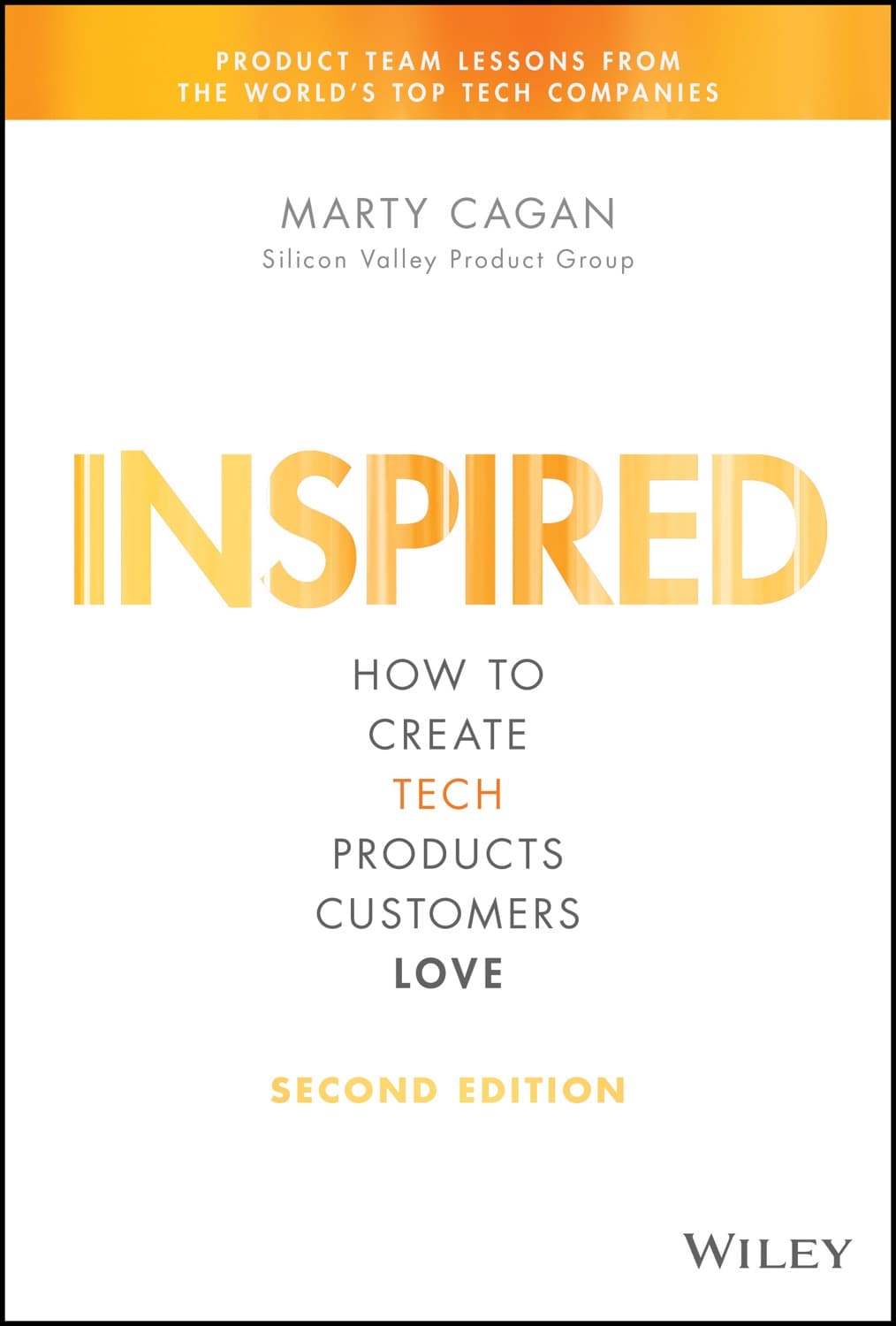
Inspired
Marty Cagan
You get a crisp mental model for why high-performing product teams succeed, then you can apply it to AI-native work where insight, experimentation, and ownership must stay intact.
Outcomes beat outputs: focus on impact.
Even when the technology changes, Inspired clarifies the essential roles and behaviors of strong product teams. It helps prevent AI teams from devolving into ticketing or research by keeping product ownership and outcomes central.
Designing Machine Learning Systems
Chip Huyen
You stop treating ML as magic and start building it like a product system with shared engineering-and-data responsibilities that teams can actually run.
Instrument data and ML like production code.
This is a practical collaboration primer for the handoffs that AI-native product teams live in: data, evaluation, deployment, iteration, and monitoring. It matters because AI products fail most often at integration points, not in isolated model training.
AI Superpowers
Kai-Fu Lee
You come away with a realistic view of AI execution: talent ecosystems and feedback loops matter as much as technical capability, and timing shapes who wins.
AI markets reward speed of learning loops.
While strategic rather than operational, it gives useful context for team design: the kind of talent pipeline, experimentation culture, and competitive pressure you face when building AI-native products. That context helps align hiring and iteration strategies with execution realities.
Design around decisions, not just predictions.
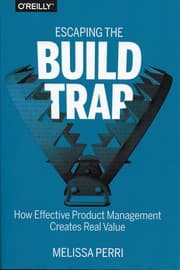
Escaping the Build Trap
Melissa Perri
Instead of betting on shipping to discover value, you build a product process that forces learning through outcomes, which is exactly what AI initiatives need to stay grounded.
Define outcomes, then measure learning.
It’s strong on organizing product teams around results before teams lock into build decisions. In AI-native contexts, it reduces the common trap where model work becomes the goal and the team loses the thread back to customer impact.
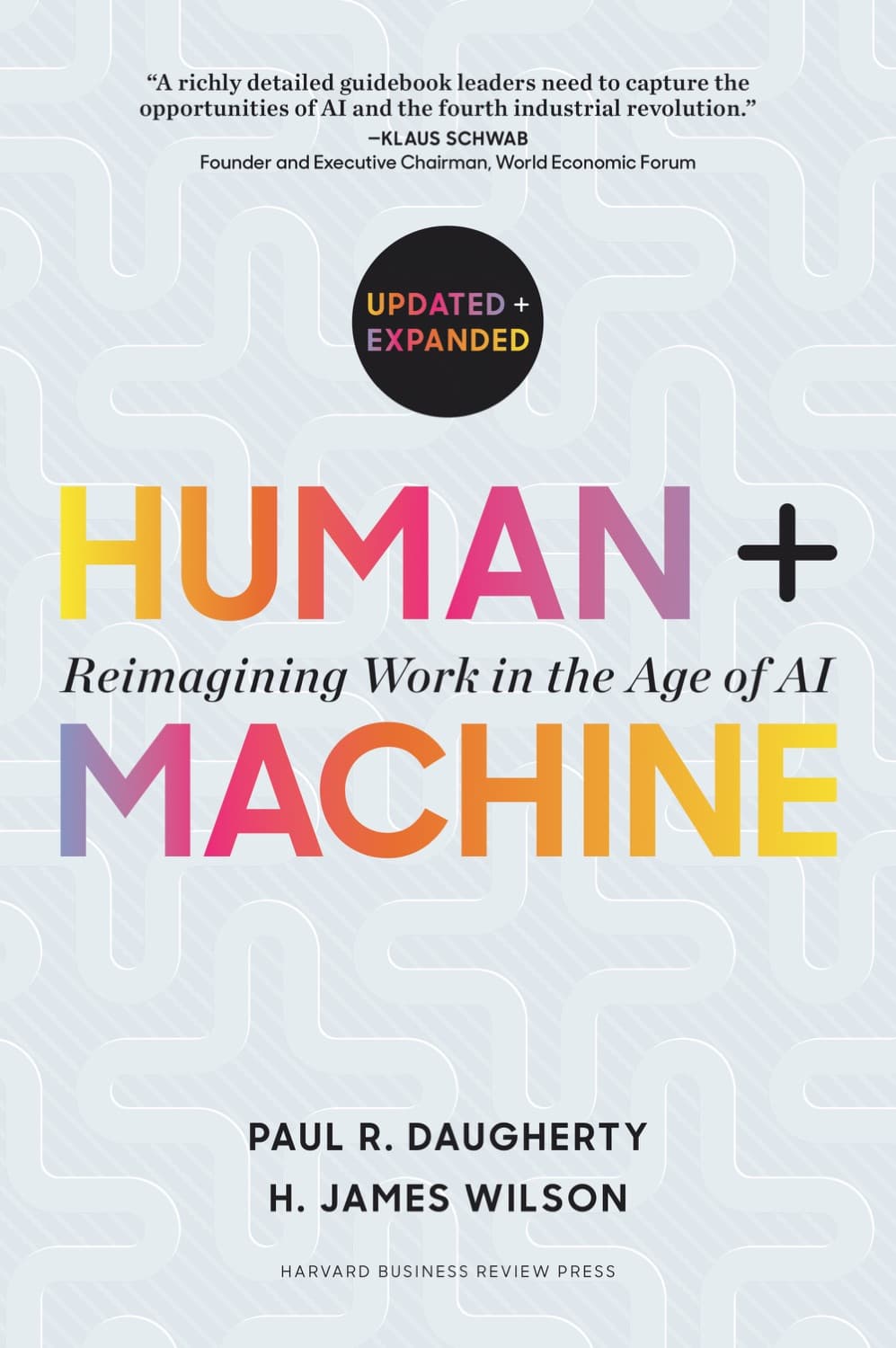
Human + Machine
Paul R. Daugherty, H. James Wilson
This book reframes AI adoption as redesigning work itself, so product teams build systems that fit human decision-making rather than replacing it blindly.
Human judgment stays in the loop by design.
It offers early, influential guidance on collaboration and workflow redesign around AI. For AI-native product teams, that lens helps you design responsibilities, interactions, and operating routines so predictions become usable actions.
Can we tailor this list for you?
Type your question in the bar below and the AI will tailor a fresh set of picks just for you.