How to Transition Into an AI-Native Company: 9 Books
Going AI-native is not a tooling upgrade. It is a rebuild of how a company decides, ships, and staffs, with models at the core and people setting direction. These books cover the operating model, the economics of where prediction pays off, and the unglamorous work of getting a first deployment to stick.
Competing in the Age of AI
Marco Iansiti, Karim R. Lakhani
The definitive case for the AI-native operating model.
Scale, scope, and learning stop trading off against each other once the operating model runs on algorithms instead of people.
Iansiti and Lakhani show how firms like Ant Group put an 'AI factory' at the core so software, not a manager, makes the everyday decision, which is the exact shift a transition has to engineer.
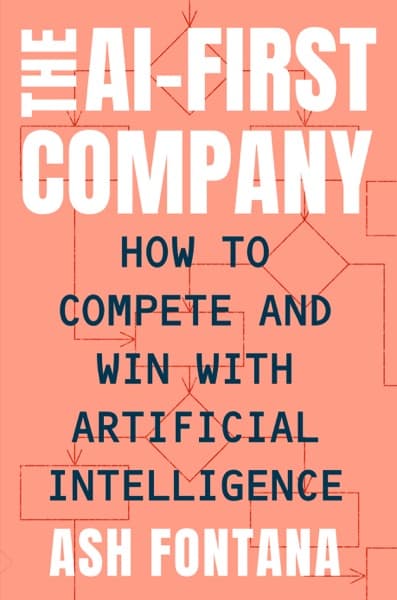
The AI-First Company
Ash Fontana
A step-by-step playbook for building the data flywheel.
Start where you already own proprietary data; that loop, not the model itself, is the moat competitors cannot copy.
Fontana, an early investor in AI startups, walks through the concrete sequence of a transition: pick a process, instrument the data, buy or build the model, and compound the data advantage that results.
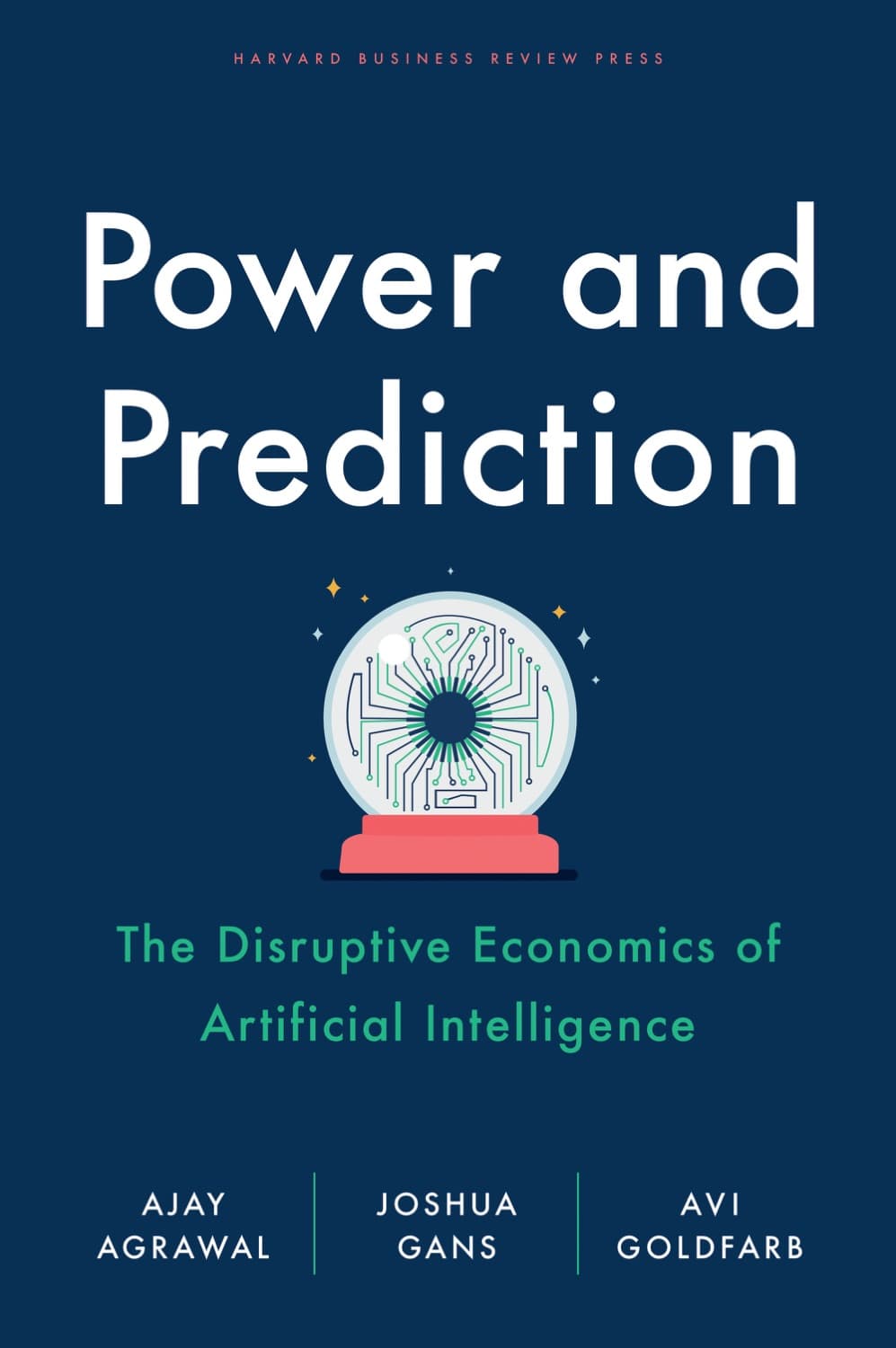
Power and Prediction
Ajay Agrawal, Joshua Gans, Avi Goldfarb
Why point solutions stall and system redesign wins.
AI's value shows up at the system level; adopt it as a point solution and you get the cost without the transformation.
The authors explain why bolting AI onto one task rarely pays off, and why returns arrive only when you rebuild the surrounding system of decisions, which is precisely why most transitions disappoint at first.
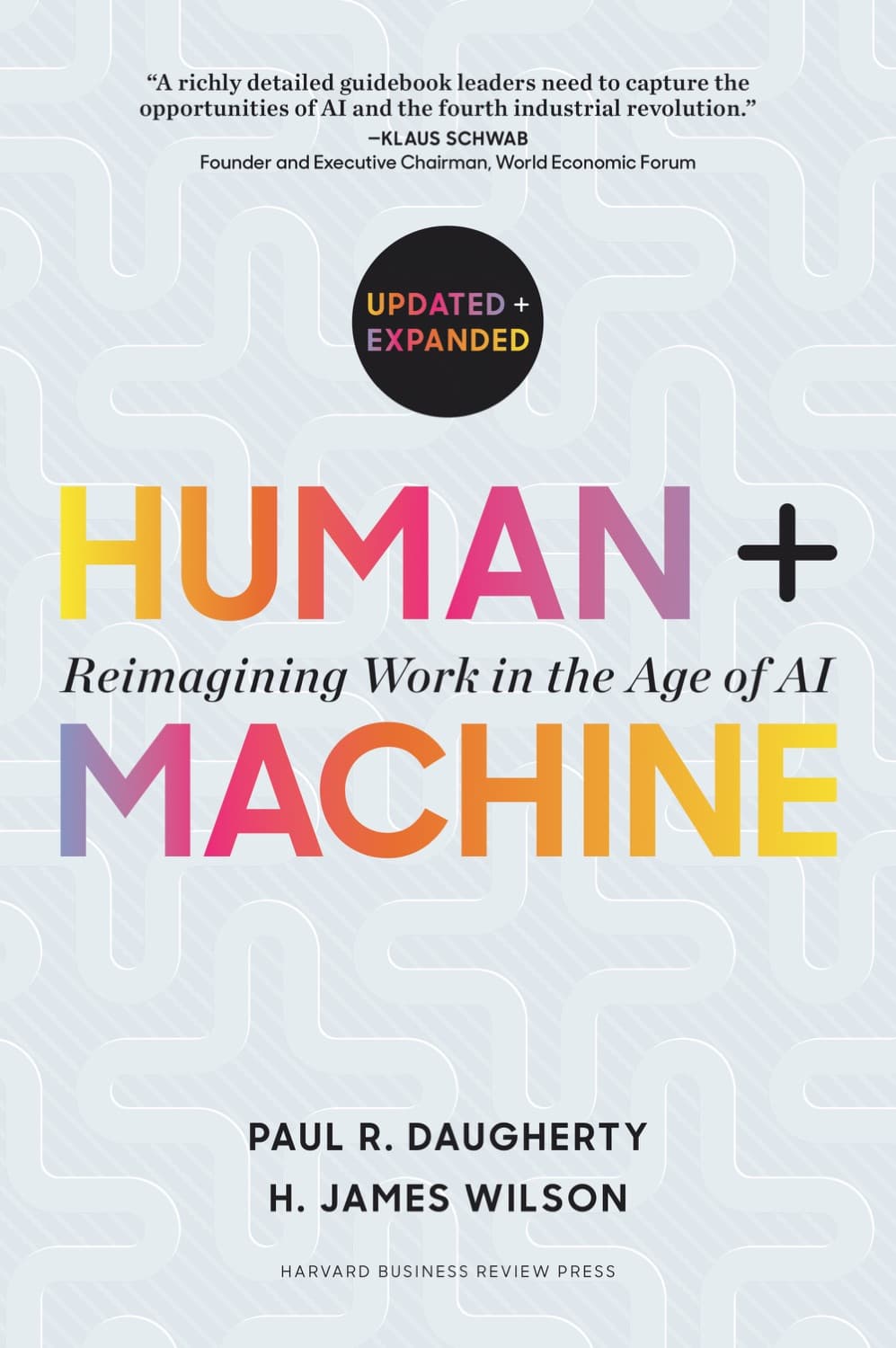
Human + Machine
Paul R. Daugherty, H. James Wilson
Redesigning the work itself around collaboration.
The biggest gains come from reimagined processes, not from dropping AI into the workflow you already had.
Daugherty and Wilson map the 'missing middle' where people train, explain, and sustain AI while AI amplifies people, giving a transition a concrete vocabulary for reinventing processes instead of just automating them.
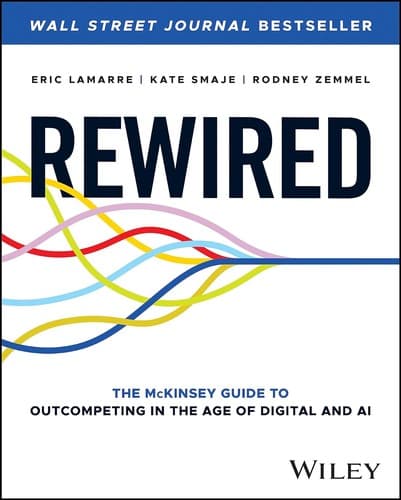
Rewired
Eric Lamarre, Kate Smaje, Rodney Zemmel
A field manual for running the transformation itself.
Transformation is a capability you build, not a project you run; winners install the plumbing before chasing use cases.
Lamarre, Smaje, and Zemmel distill McKinsey's transformation work into the capabilities a company has to stand up, from operating model and talent to data and adoption, to actually rewire itself around digital and AI.
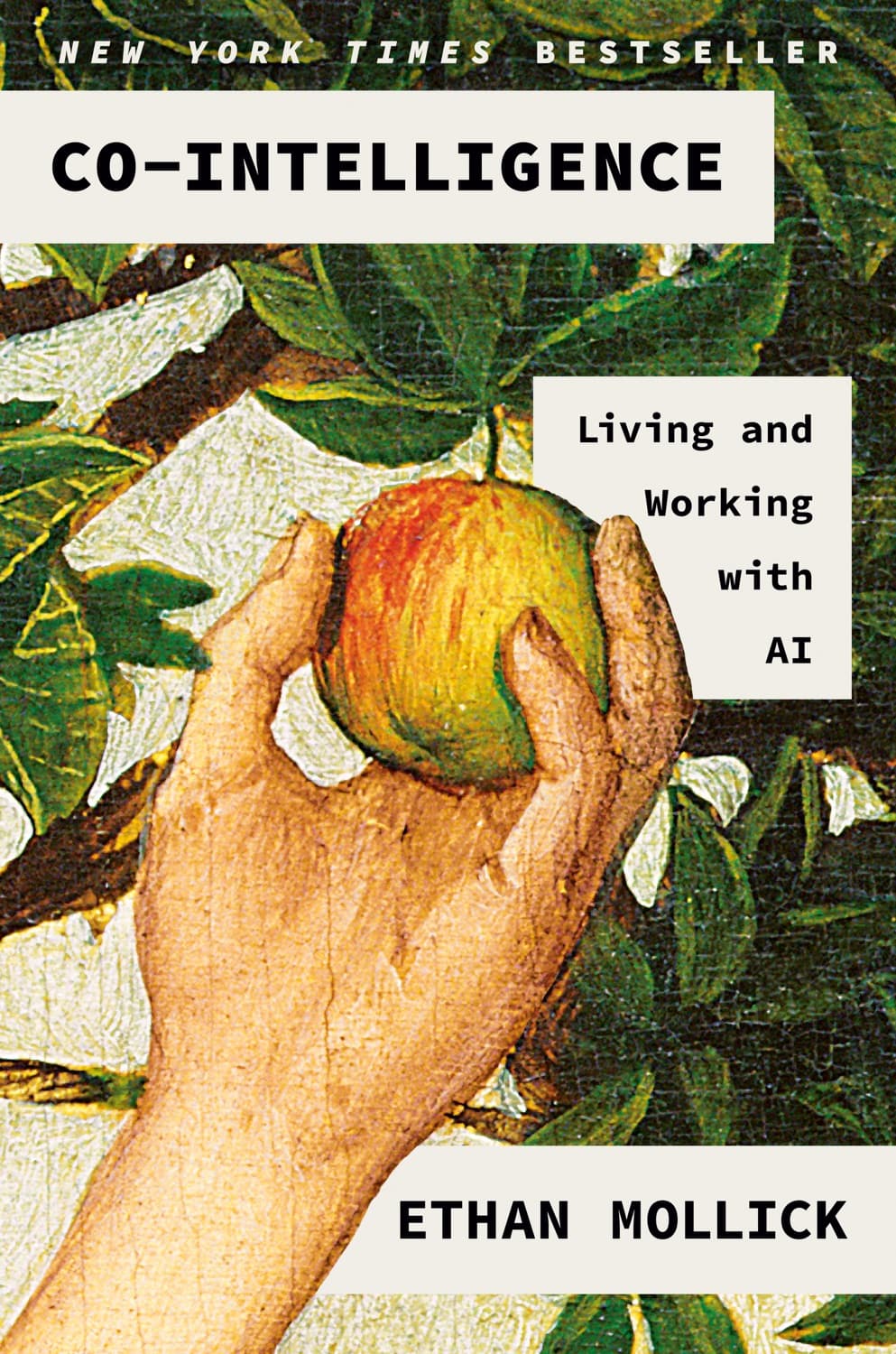
Co-Intelligence
Ethan Mollick
How generative AI actually changes daily work.
Treat AI as a person to work alongside, not a tool to configure, and you learn its real strengths and limits faster.
Mollick offers grounded principles for bringing large language models into real jobs, from 'always invite AI to the table' to treating it as a coworker, which is the frontline reality of any transition happening now.
Start where you already own proprietary data; that loop, not the model itself, is the moat competitors cannot copy.
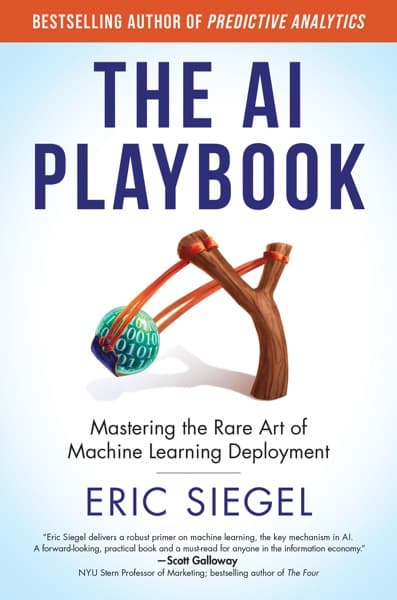
AI Playbook
Eric Siegel
The deployment discipline that keeps projects from dying.
Define the deployment goal before the model; a prediction nobody acts on is a science project, not a transition.
Siegel argues most machine-learning efforts fail not on the math but on the launch, and lays out a six-step business practice, bizML, for carrying a model from idea into live operations where it changes decisions.
The Algorithmic Leader
Mike Walsh
Leading people when algorithms run the operation.
Your job stops being to have the answer and becomes to ask the question a machine can be pointed at.
Walsh draws on interviews with pioneering leaders to reframe the executive's job around designing systems, asking sharper questions, and building teams that work with machines, the leadership half of going AI-native.
Machine, Platform, Crowd
Andrew McAfee, Erik Brynjolfsson
Rebalancing decisions from human judgment to the machine.
Default to the algorithm and let people handle the genuine exceptions, rather than the other way around.
McAfee and Brynjolfsson examine the shifting line between mind and machine and show when to trust data and models over experienced intuition, a rebalancing every AI-native transition has to make on purpose.
Can we tailor this list for you?
Type your question in the bar below and the AI will tailor a fresh set of picks just for you.