Best Books on Surfing and Mental Health
Surfing and mental health literature turns wipeouts into inquiry. From Jaimal Yogis's Saltwater Buddha to Tim Winton's Breath, these books map fear, addiction, and steadiness onto waves.

Saltwater Buddha
Jaimal Yogis
Saltwater Buddha treats surfing like a daily mindfulness practice, translating the beach’s chaos into a workable way to meet anxiety.
Use breath and noticing to steady the mind
Yogis blends surfing scenes with contemplative practice, so mental health feels lived-in rather than diagnosed. For your theme, it offers a calm lens for how fear, craving, and attention shift when you show up to the water consistently.

The Wave
Susan Casey
The Wave follows surfers at the edge of control, where awe and dread arrive together and mental resilience becomes visible.
Fear can be a form of attention
Casey’s reporting tracks the psychological weather behind surfing: fear management, focus under pressure, and the meaning people pull from risk. That makes it a strong fit for mental health, because it normalizes intensity and examines how people stay functional with it.
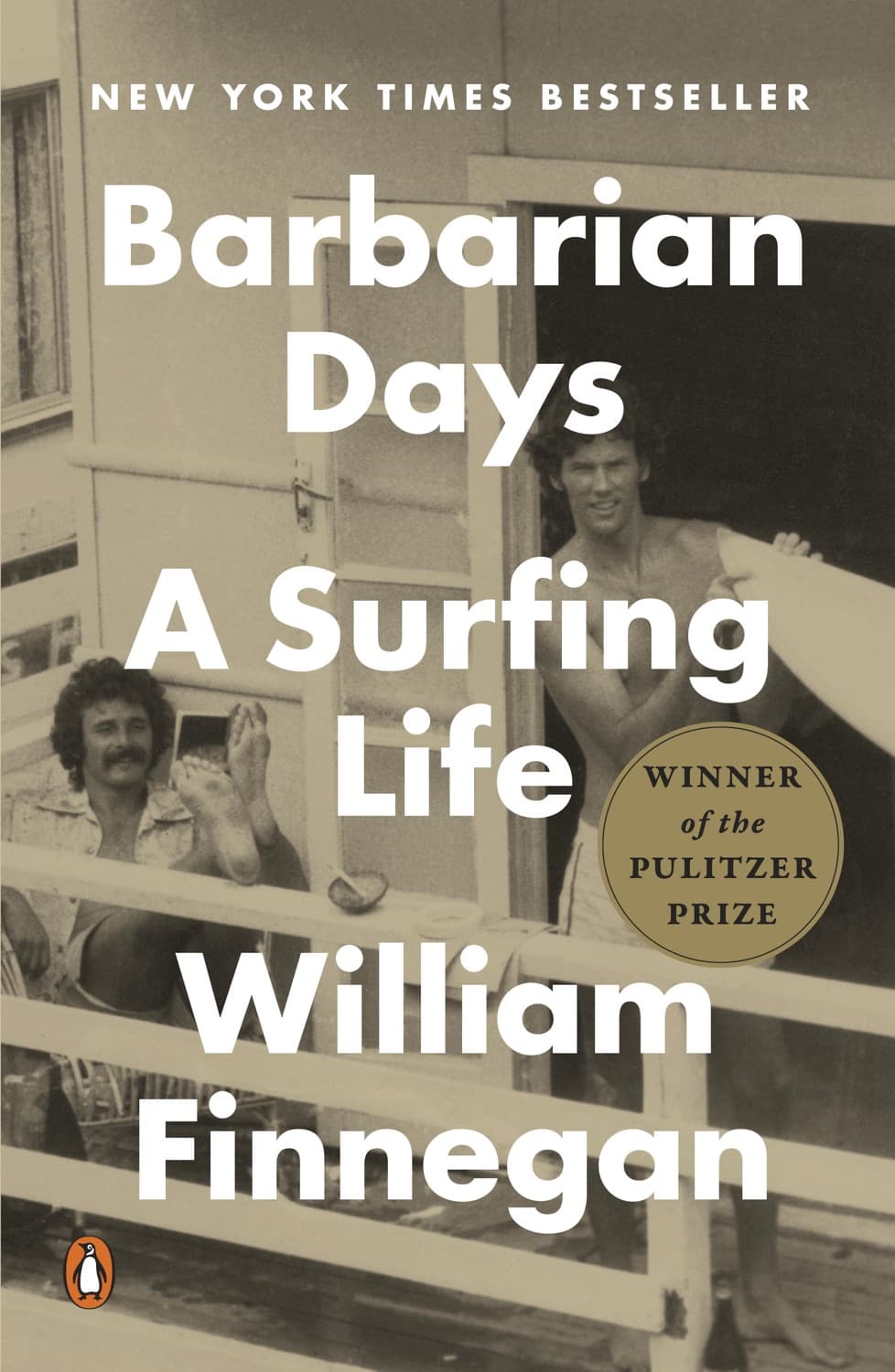
Barbarian Days: A Surfing Life
William Finnegan
Barbarian Days turns longing and loss into craft, showing how surfing can hold a mind together without pretending life is tidy.
Identity is built from repeated returns
Finnegan’s memoir is emotionally adult: it sits with obsession, vulnerability, and the way identity forms through risk and return. For mental health, it gives you a reflective model for coping that does not reduce pain to motivation.
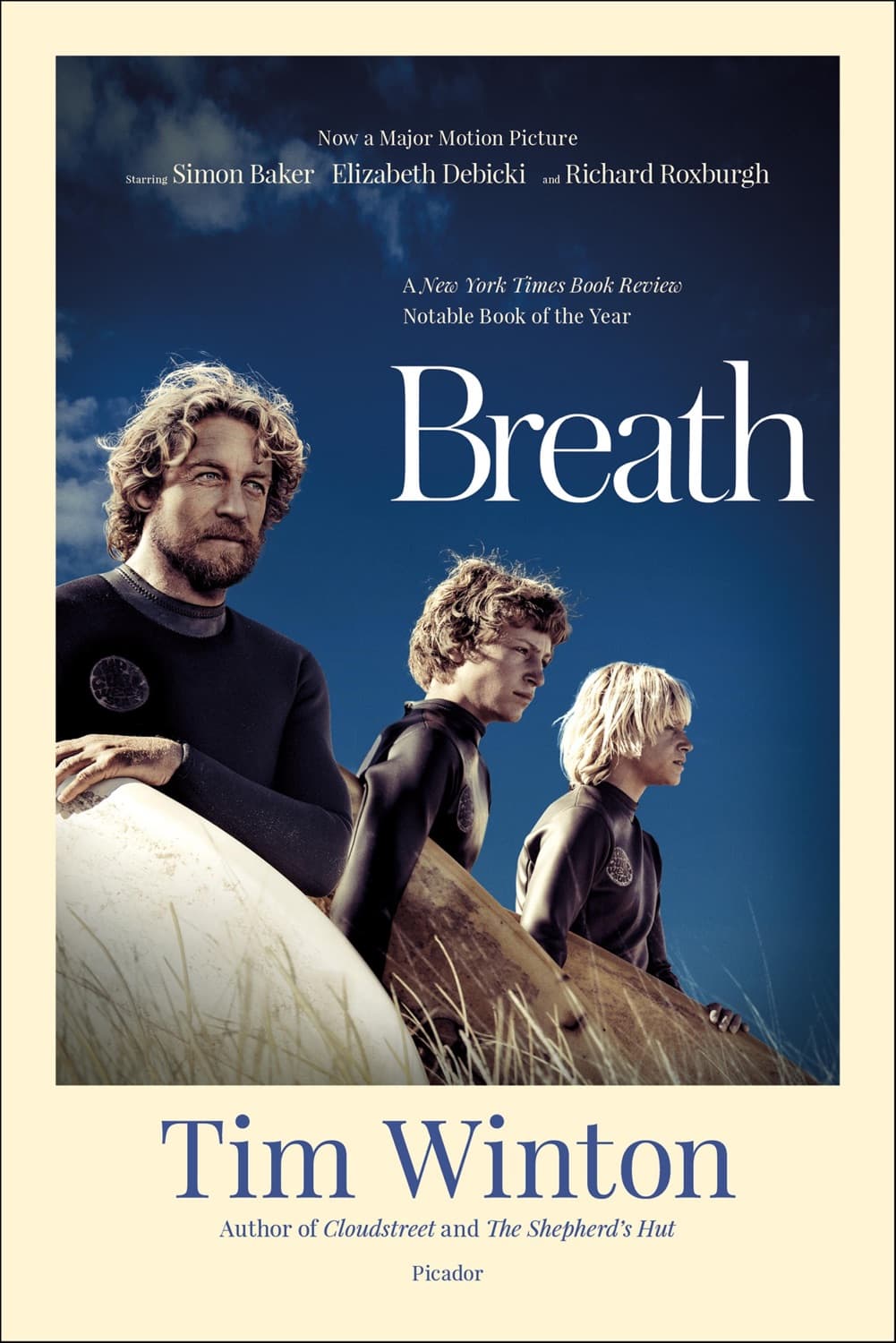
Breath
Tim Winton
Breath makes adolescence feel like a tide of breath, craving, and consequence, where surf risk becomes a psychological turning point.
Breathing is the hinge of self-control
Winton’s novel connects physical danger to inner instability, capturing how emotions intensify when you are becoming yourself. If you want mental health on the page, it offers emotional realism: the costs of bravado, and the fallout when you cannot regulate what you feel.
Drop
Thad Ziolkowski
Drop places addiction recovery inside surfing culture, arguing that healing includes both the body and the mind you bring back to the beach.
Relapse is learned behavior, not fate
Ziolkowski directly links sobriety and relapse dynamics to the rituals, cravings, and community pressures surrounding the sport. For your request, it is unusually explicit about psychological healing: what changes, what resists, and why support matters.
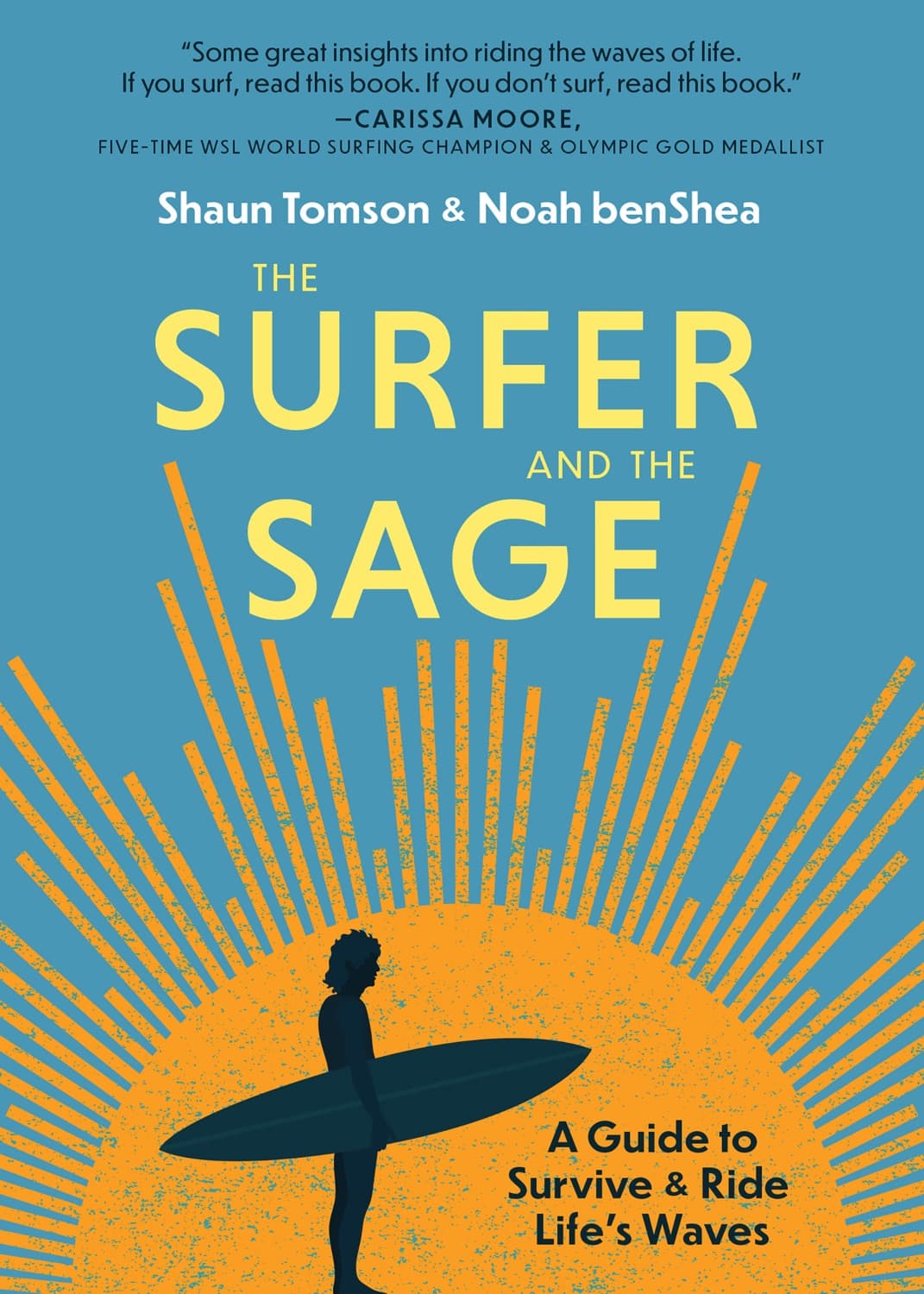
Surfer and the Sage
Noah benShea, Shaun Tomson
Surfer and the Sage reframes surfing mindset as daily practice: calm, humility, and presence replace ego and force.
Presence beats force in tough waves
This book’s philosophy leans toward wellbeing, emphasizing resilience and mental steadiness through surf lessons. For mental health, it gives you practical emotional reframing: how to meet discomfort without escalating it.
Fear can be a form of attention

Surf Is Where You Find It
Gerry Lopez
Surf Is Where You Find It treats peace as portable: the best wave is often the one your mind stops fighting.
Stop chasing outcomes; attend to the moment
Lopez’s classic reflections connect surfing to attentiveness and emotional regulation, with a gentle tone that fits mental health themes. It works well if you want a steadying, spiritual perspective that doesn’t ignore hardship.
Can we tailor this list for you?
Type your question in the bar below and the AI will tailor a fresh set of picks just for you.