Best Books on Football Tactics and Coaching
Football tactics get their canon here: Jonathan Wilson traces formations from W-M to false nines in Inverting the Pyramid, while The Numbers Game and Ruud Gullit's How to Watch Football turn pressing, transitions, and shape into coaching decisions.
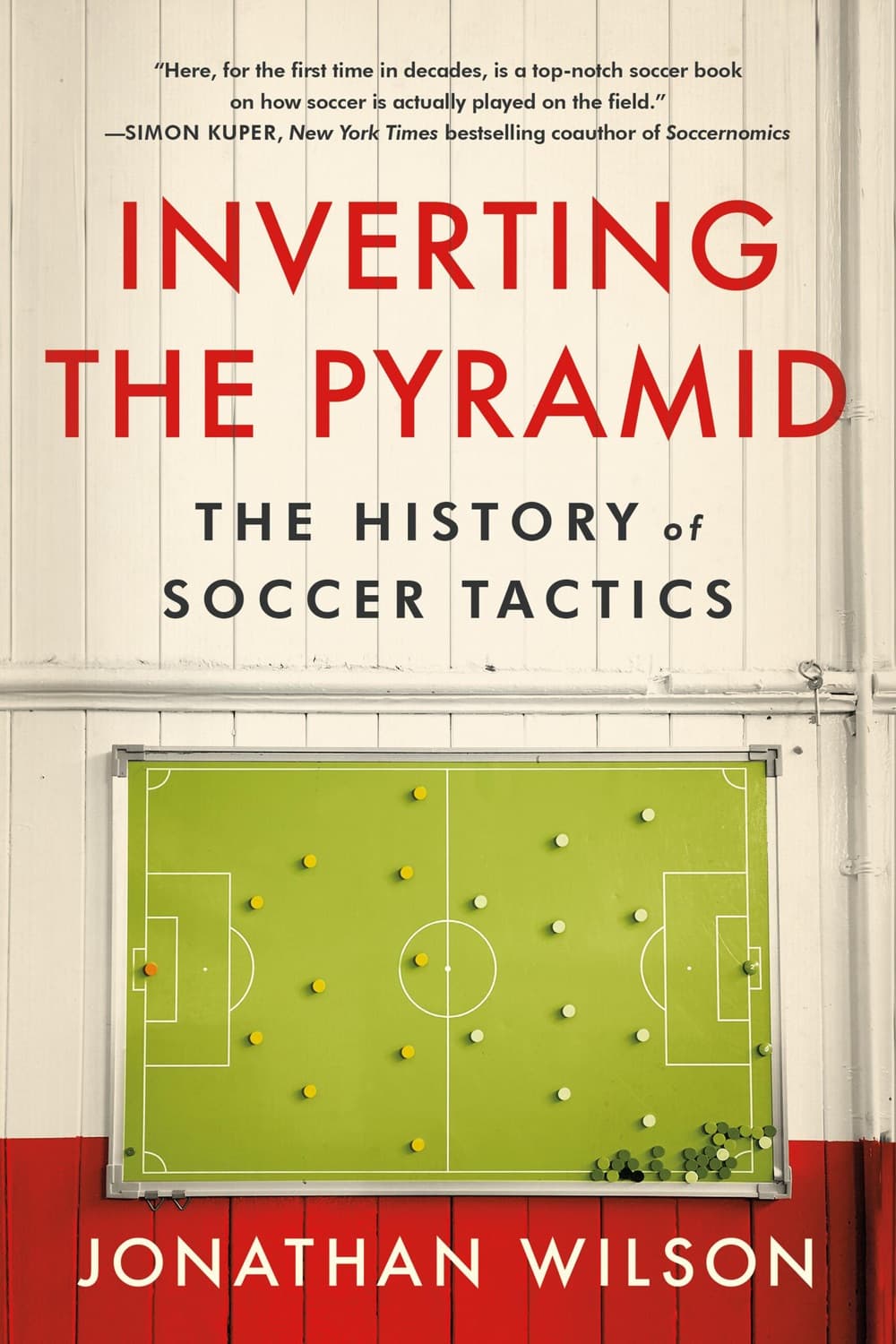
Inverting the Pyramid: The History of Football Tactics
Jonathan Wilson
After finishing, you will see modern formations as ideas in motion: pressing, half-spaces, and inverted roles become historically explainable, not just fashionable labels.
Tactics evolve in cycles, not random trends.
Wilson tracks tactical revolutions and shows how coaches solved the same recurring problems in different eras. That history matters for coaching because it gives you a vocabulary for why a system works, not just how it looks on a team sheet.
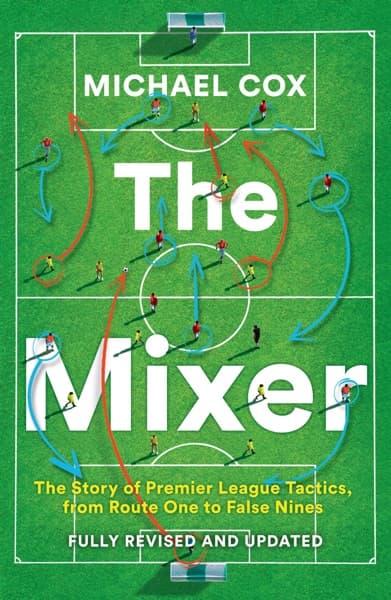
Mixer
Michael Cox
You come away understanding how Premier League teams weaponized unbalanced spaces: false nines, wide overloads, and in-between player roles built new advantages without needing perfect control.
League context shapes which tactics survive.
Cox explains tactical shifts through managers and the match pressures that forced adaptation. For your coaching goal, it helps you connect tactical choices to player types and league realities, so you can adjust instead of copying.
Training Secrets of the World's Greatest Footballers
James Witts
You will start treating training like a performance system, where technique is coached through the exact game pressures players will face, not isolated reps.
Train decision making, not just movement.
Witts links tactical awareness to training decisions and shows how professionals structure work to produce decisions under stress. That matters for coaching because tactics only stick when practice recreates the constraints that force good choices.
How to Watch Football
Ruud Gullit
Gullit’s lens makes you faster at spotting shape and intent: you begin predicting how pressing, switches, and transitions will unfold from the first few seconds.
Watch space first, then pressure, then options.
This book turns match viewing into a practical checklist for what to look for in space, pressure, and movement. That directly supports coaching because better observation becomes better feedback and faster in-game adjustments.
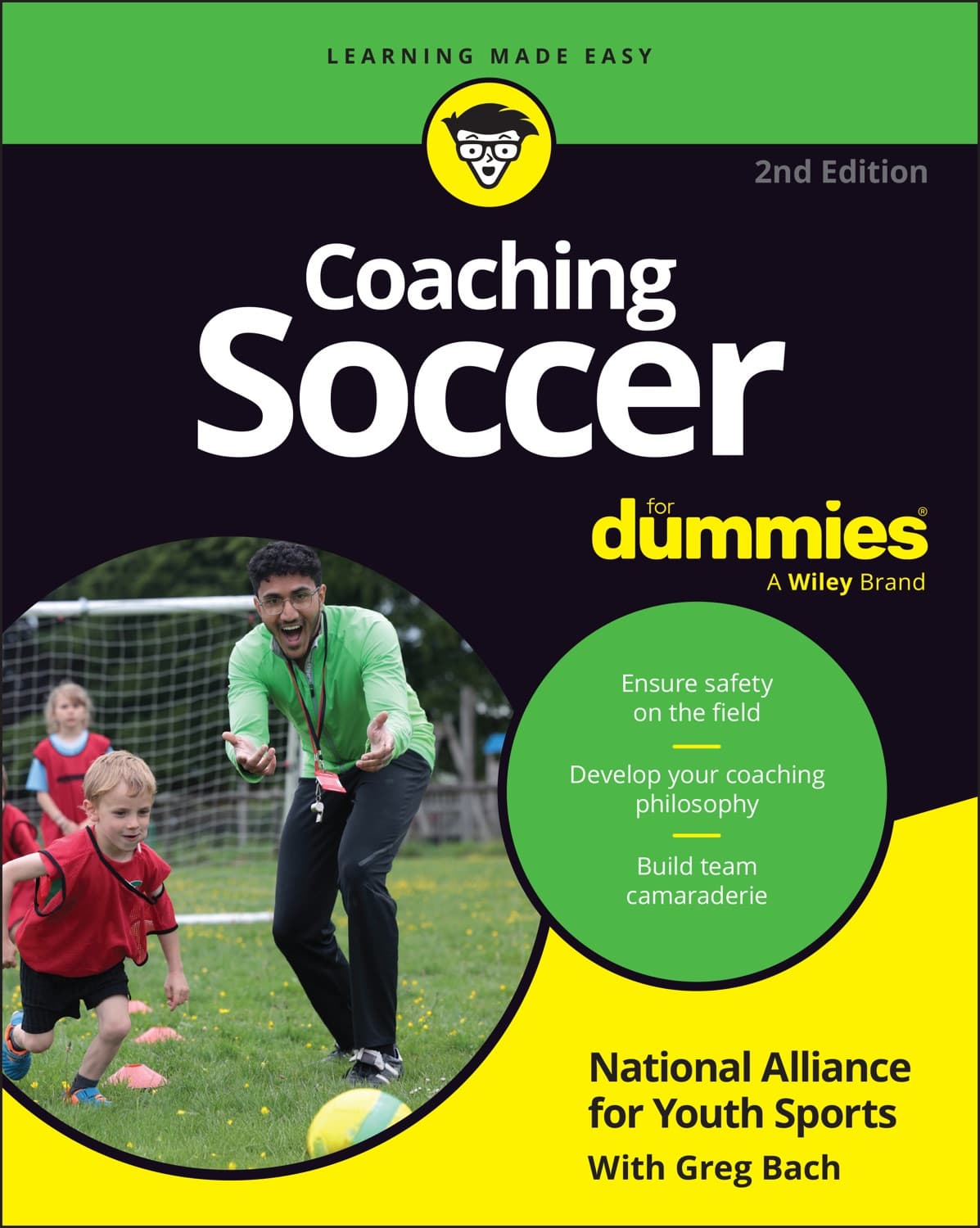
Coaching Soccer for Dummies, Mini Edition
Greg Bach, National Alliance for Youth Sports
You leave with a coaching workflow that goes from planning to execution to feedback without getting lost in jargon or overcomplicated schemes.
Plan: objective, drill, coaching points, review.
As a compact coaching basics book, it helps you build practical sessions and match-day management routines. For football tactics, it gives you the entry point to turn tactical ideas into drills your players can actually do.

The European Game
Daniel Fieldsend
You start reading elite coaching styles as tactical identities: the same league constraints produce distinct ways of building attacks and defending lanes.
Coach philosophy shows up in repeated in-game patterns.
Fieldsend offers readable tactical portraits across top European contexts, showing patterns in how coaches set up teams. For coaching, that gives you multiple models to borrow from and the sense to remix them for your roster.
League context shapes which tactics survive.
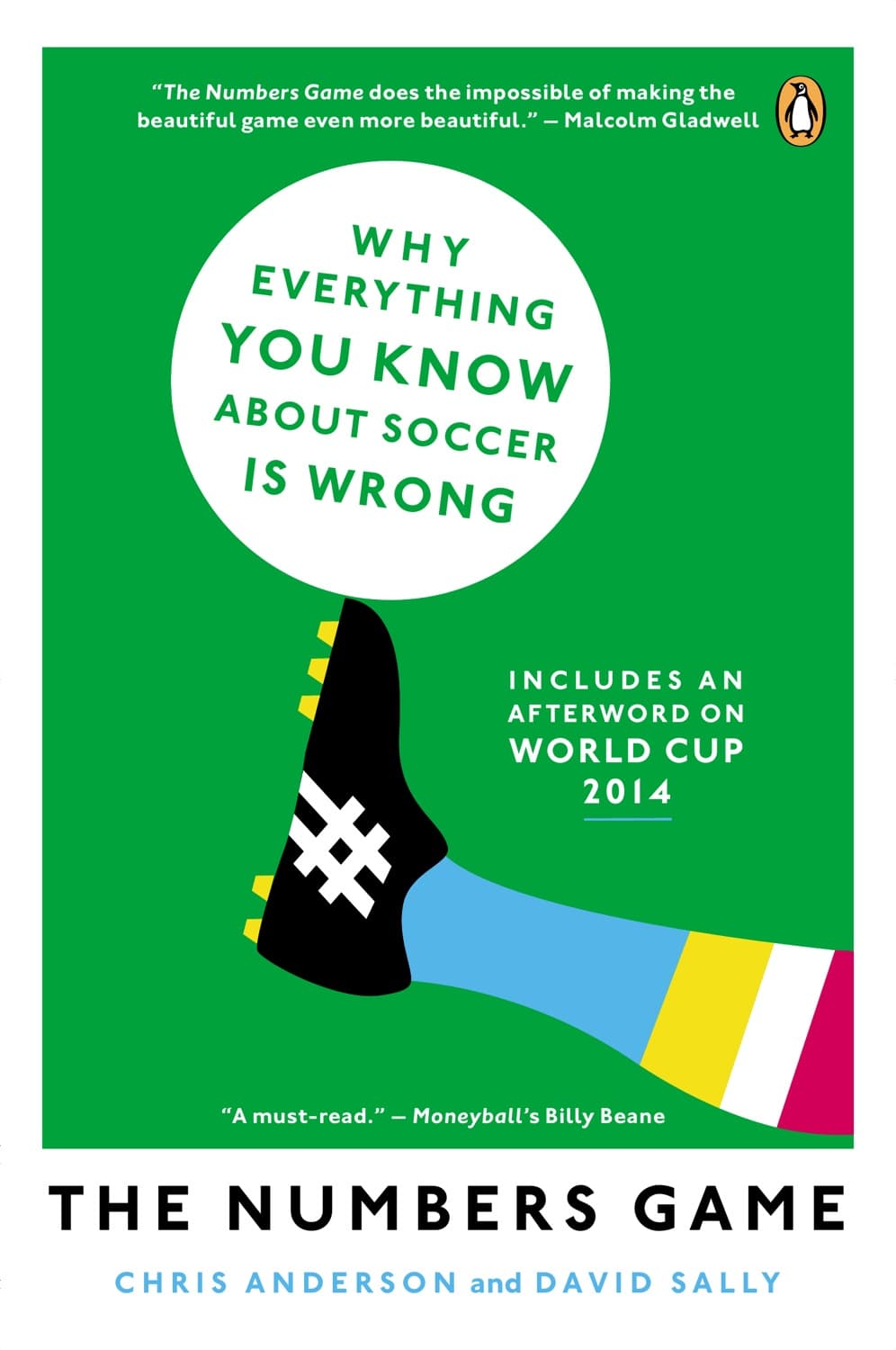
The Numbers Game
Chris Anderson, David Sally
It will challenge your instinct to trust anecdotes: the authors show how smarter measurement can reveal which tactics actually drive results.
Measure what changes outcomes, not what’s easy.
Anderson and Sally confront common coaching assumptions with evidence and performance data. That matters because it trains your judgment: you learn which tactical claims are testable and how to use numbers without losing the game.
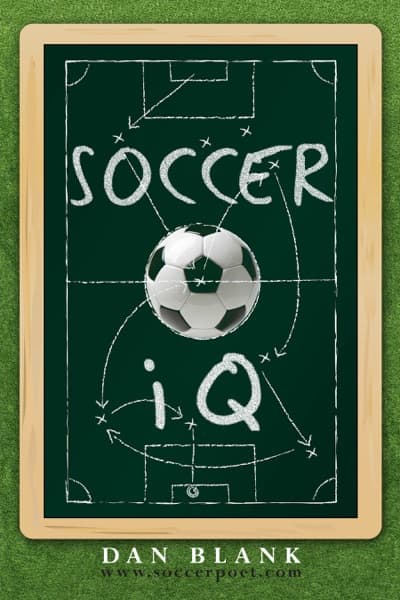
Soccer IQ
Dan Blank
After this, your coaching language shifts from instructions to decisions: players learn to recognize the next best action in real time.
Positioning is for decisions, not comfort.
Blank focuses on decision-making and positioning in a way that translates into coaching cues and player problem-solving. That is exactly what tactical development needs: clearer reads under pressure so structure becomes usable in matches.
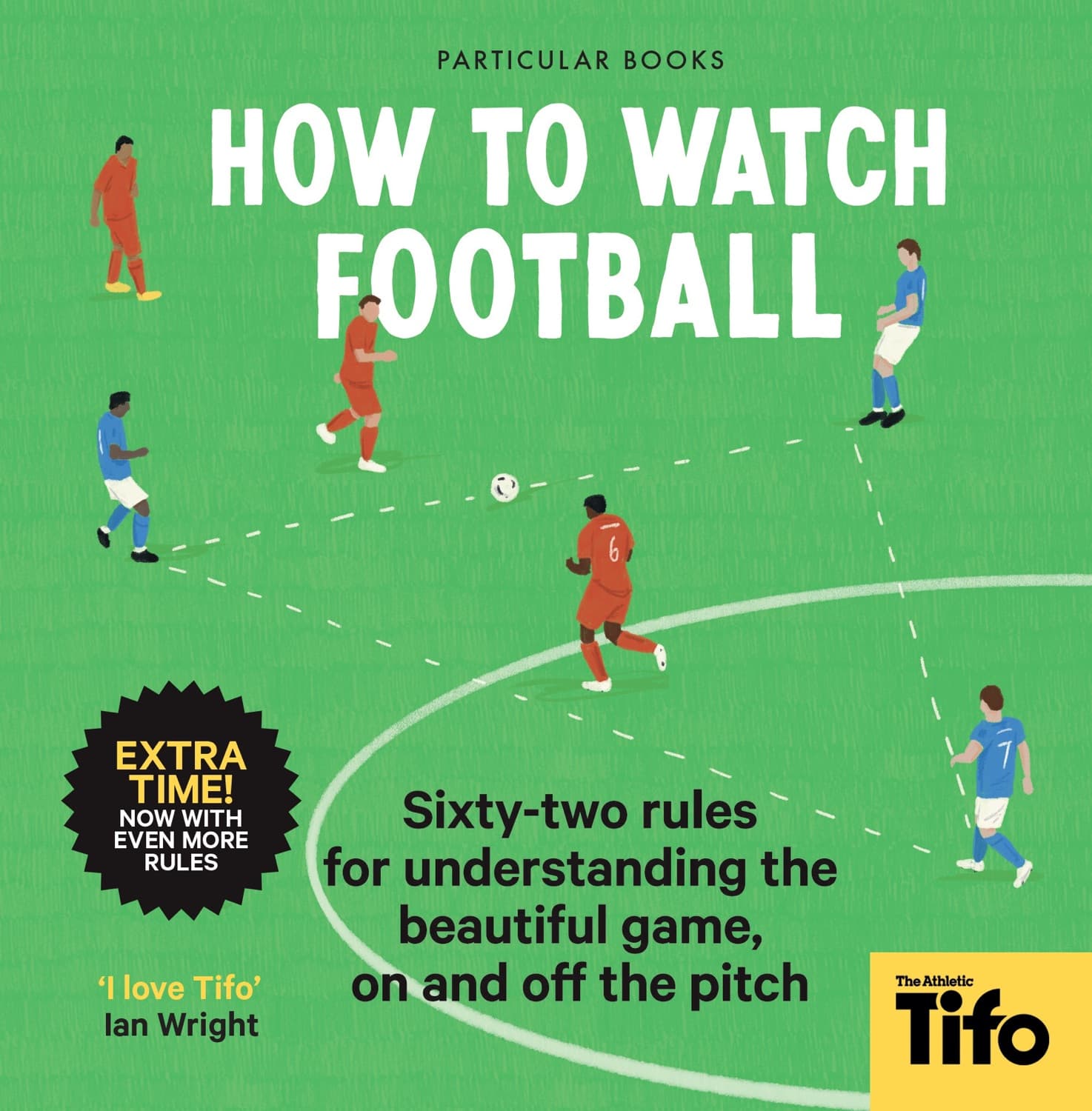
How to Watch Football
Tifo The Athletic
You gain a pattern-spotter skill: you can interpret pressing traps, build-up phases, and transition routes as repeatable motifs.
Identify the trap, not just the formation.
Tifo’s approach uses an accessible visual framework to decode tactical shapes and how teams manipulate space. For coaching, it helps you convert what you see into concise coaching points for training and match analysis.
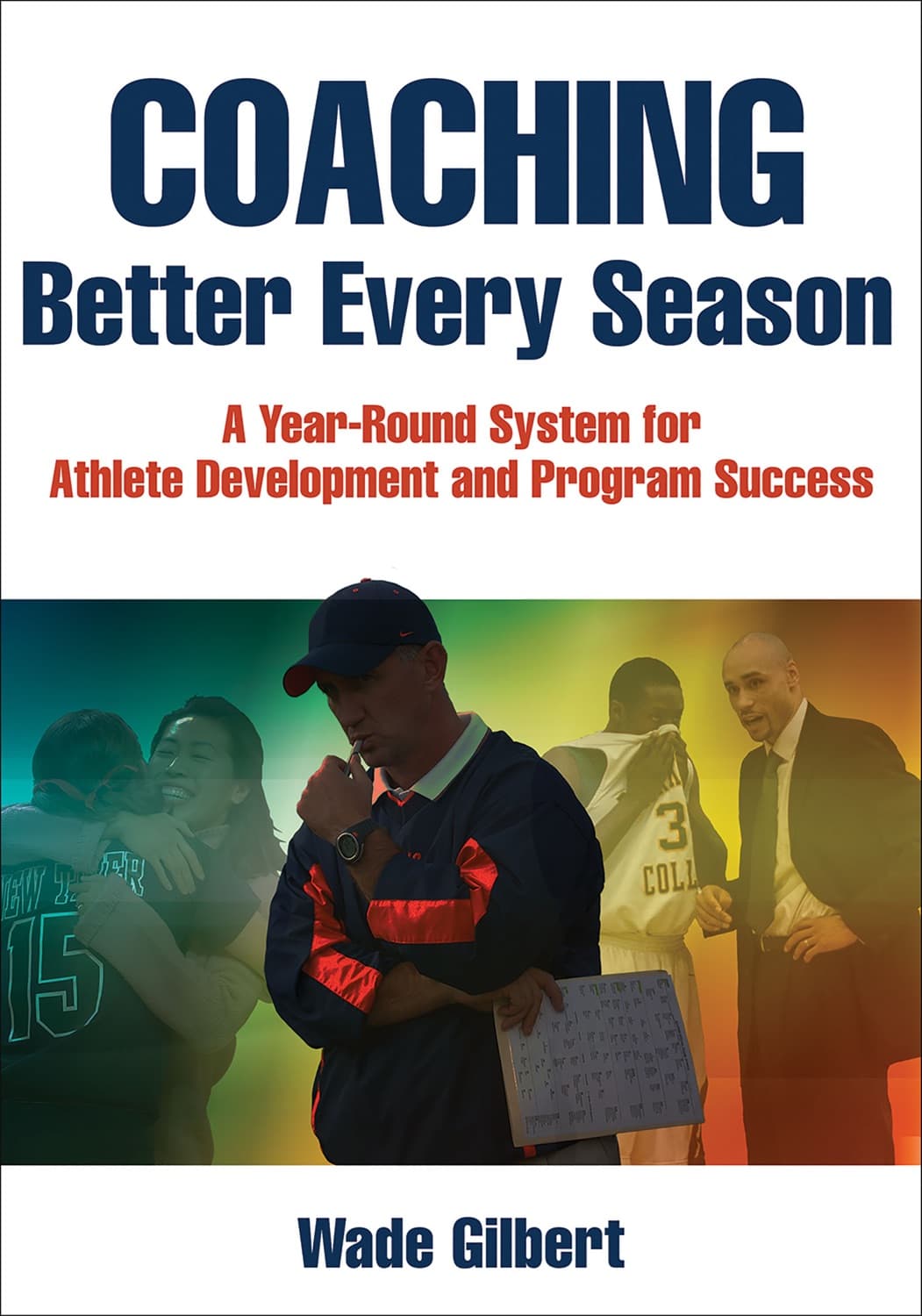
Coaching Better Every Season
Wade Gilbert
You finish with a mindset for continuous improvement: every season becomes a cycle of identifying weaknesses, adjusting practice, and tracking progress.
Use review cycles to improve decisions.
Gilbert emphasizes evidence-based coaching habits that translate across sports environments and team levels. That matters for football tactics because it turns tactical learning into an operational system, so strategy improves through training and reflection rather than hope.
Can we tailor this list for you?
Type your question in the bar below and the AI will tailor a fresh set of picks just for you.