Best Books on the Business of Surfing
Business of surfing rarely stays just about boards. Barbarian Days by William Finnegan and Warshaw’s The History of Surfing connect surf culture to money, media, and real commercialization.
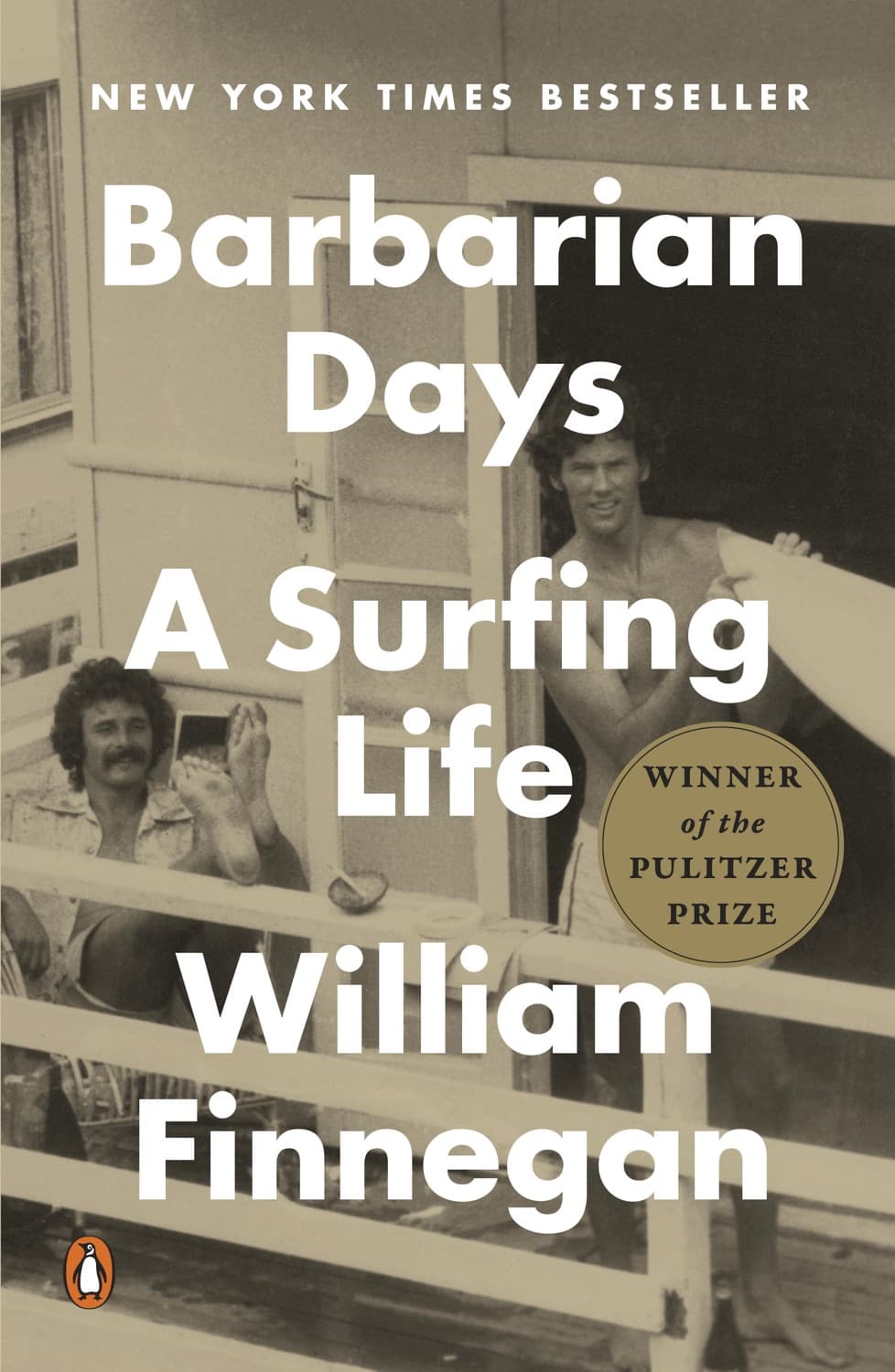
Barbarian Days: A Surfing Life
William Finnegan
Finnegan treats surfing like a full contact sport and a full contact industry: ego, access, money, and journalism all collide on the same shoreline.
Surf culture runs on reputation and storytelling.
This memoir’s edge is how it shows status and opportunity moving through surf culture, not just through competition. For business-of-surfing research, it gives the human map behind deals: who gets in, who gets funded, and why narratives matter.
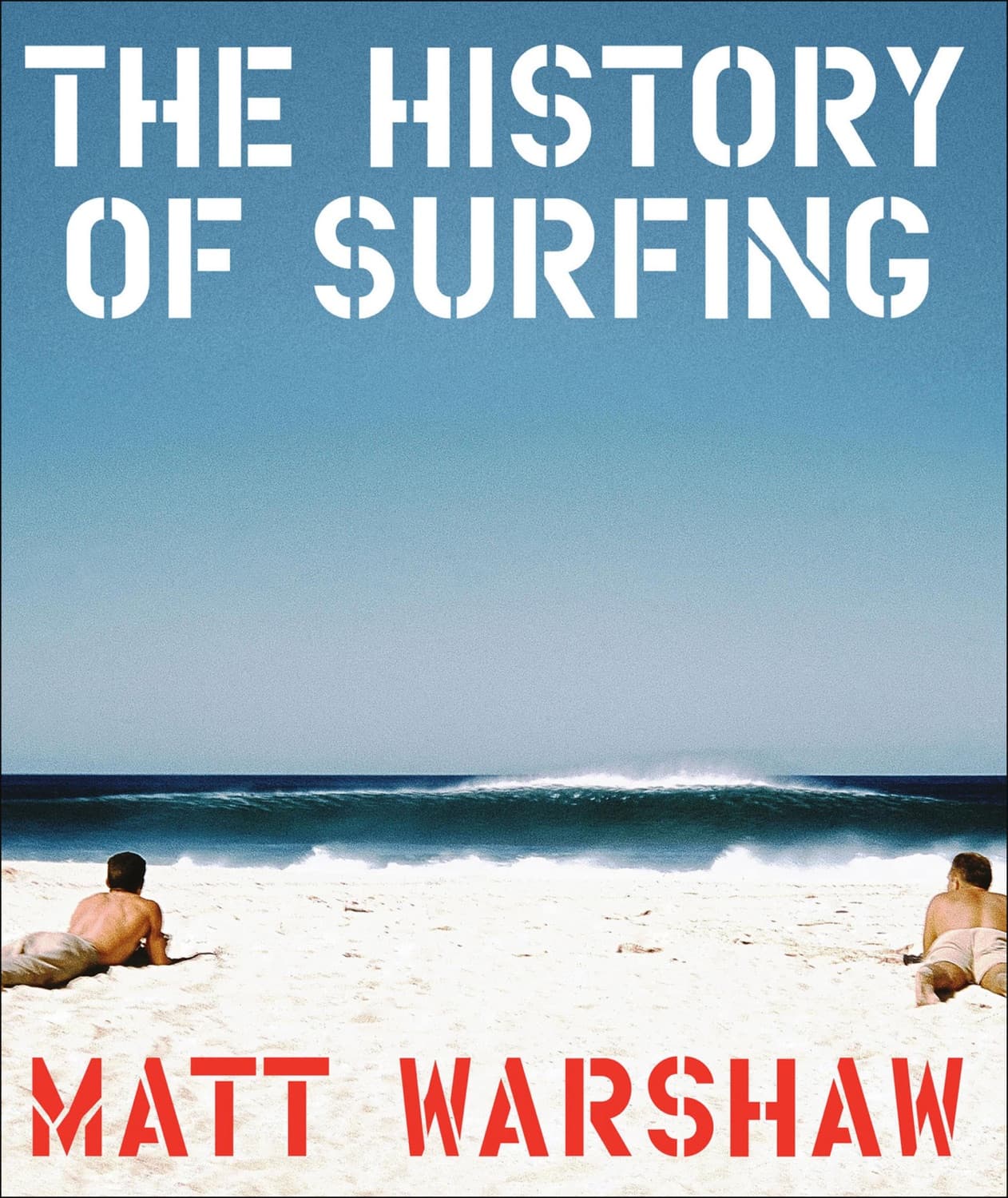
The History of Surfing
Matt Warshaw
Warshaw documents how surfing grew from a pastime into a branded, commercial global business across waves, places, and decades.
Commercialization follows media coverage, then brands.
Where many surfing books romanticize the sport, this one traces evolution: equipment, surf media, companies, and commercialization as they actually happened. It’s ideal for building a timeline of the business forces shaping today’s scenes.

Surf Is Where You Find It
Gerry Lopez
Lopez frames surf success as a discipline of choices and networks, revealing how careers, product, and influence reinforce each other.
Culture values can be converted into leverage.
This insider lens connects the culture’s ideals to the realities of making a living in surfing. If you are studying the business of surfing, you need this kind of values-to-economics translation: what gets rewarded and what gets ignored.

Kook
Peter Heller
Kook uses one modern outsider’s obsession to expose how money, branding, and scene dynamics shape who belongs in surfing now.
In modern surf, belonging can be a commodity.
As narrative nonfiction-adjacent fiction, it’s a practical way to understand how business pressures show up in everyday surf decisions. It helps when you want a readable entry into the economics of access and authenticity without losing tone.
The Wave
Susan Casey
Susan Casey shows how big-wave surfing became a media magnet, turning risk into an engine for coverage, sponsors, and mainstream attention.
Visibility turns extreme risk into market value.
This book links physical danger to business incentives: what gets filmed, who funds the filming, and how stories move. It’s a strong fit for understanding how spectacle and capital interact in surf.
Bustin' Down the Door
Shaun Tomson
Tomson documents a professional breakthrough era where competitive success quickly became commercial proof.
Pro results become commercial credibility.
It’s grounded in the rise of pro surfing as a recognizable business: status, athletes as brands, and the shifting incentives around events and exposure. If you are tracking the business side, this gives you the athlete-to-industry transition from the inside.
Commercialization follows media coverage, then brands.

Saltwater Buddha
Jaimal Yogis
Saltwater Buddha maps how a lifestyle economy forms around surfing, where travel, coaching, and community meet spiritual branding.
Lifestyle storytelling sells the product.
This is useful for business-of-surfing because it shows how demand gets created through meaning, not only through boards. You get a clearer sense of how brands and communities monetize identity without sounding like marketing copy.
Can we tailor this list for you?
Type your question in the bar below and the AI will tailor a fresh set of picks just for you.