Best Books on the World Cup
The World Cup is never just football. David Goldblatt's The Ball is Round maps the whole sprawling history, Franklin Foer reads it as globalization, and Eduardo Galeano writes it like poetry. Ten books on the tournament that doubles as a mirror for the world.
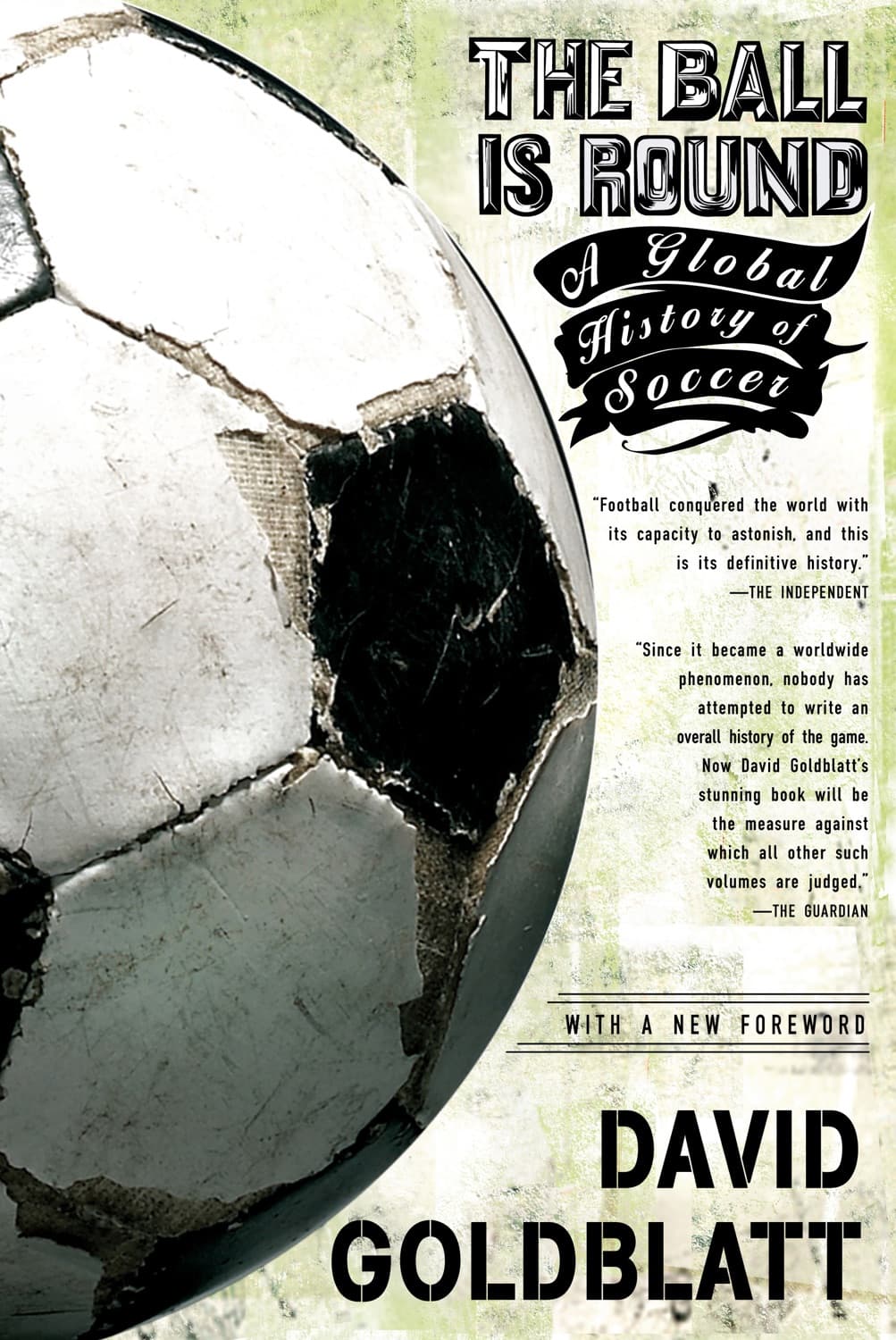
The Ball is Round
David Goldblatt
You finish with soccer feeling less like a sport and more like a worldwide archive of migrations, money, and dreams, all mapped through the World Cup.
World Cups reveal power and belonging, not just teams.
Goldblatt writes world-soccer history with the World Cup repeatedly acting as a stress test for culture and power, not a side quest. That matters if you want World Cup history to explain why matches became political moments, not just who won.
The World Cup
Terry Crouch, James Corbett
Each tournament reads like an unfolding argument: key matches, institutions, and failures stack into a clear pattern across decades.
Treat each World Cup as a turning-point chain.
This book’s match and team coverage gives you a workable timeline of turning points, helping you connect outcomes to context without losing the game details. It fits readers who want World Cup history they can actually track chronologically.
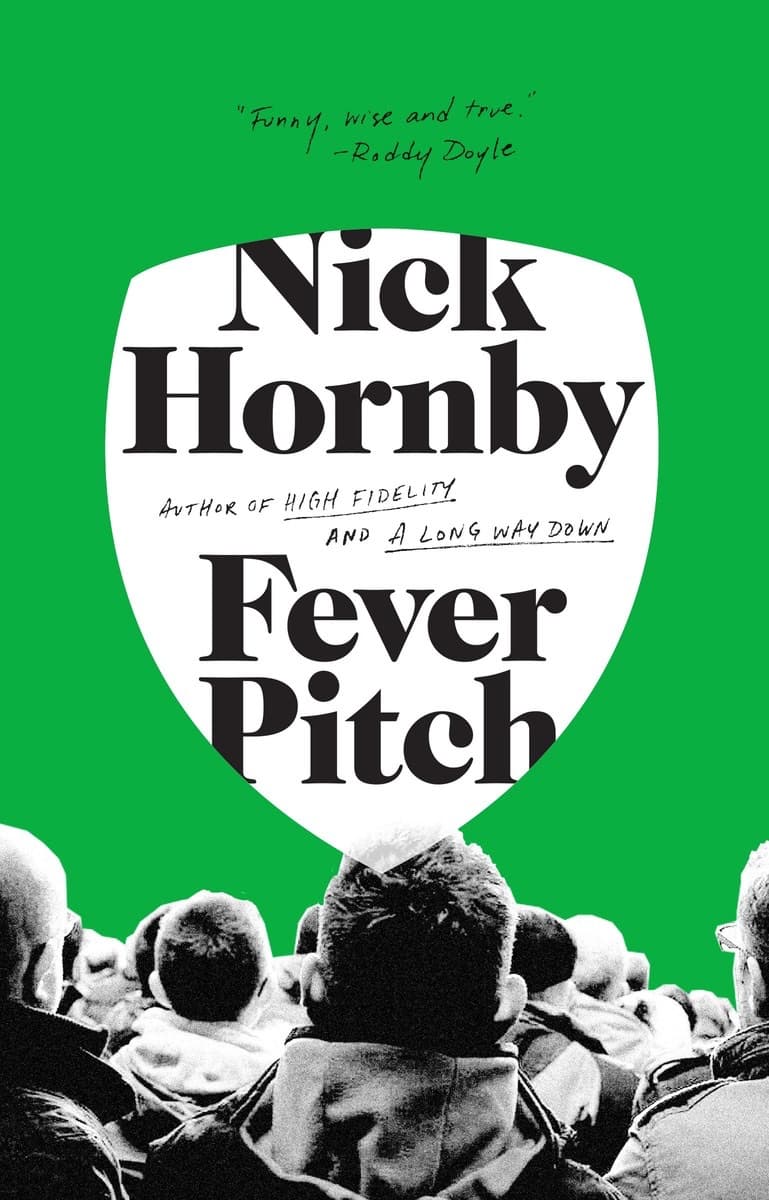
Fever Pitch
Nick Hornby
You come away understanding why fans keep returning to the World Cup like a yearly emotional reset, even when life has moved on.
Fandom is identity, not entertainment.
Hornby brings a newcomer-friendly emotional language to football culture, which helps you read World Cup fandom as lived experience rather than trivia. It matters for World Cup history because the tournament’s impact depends on what it does to ordinary people.
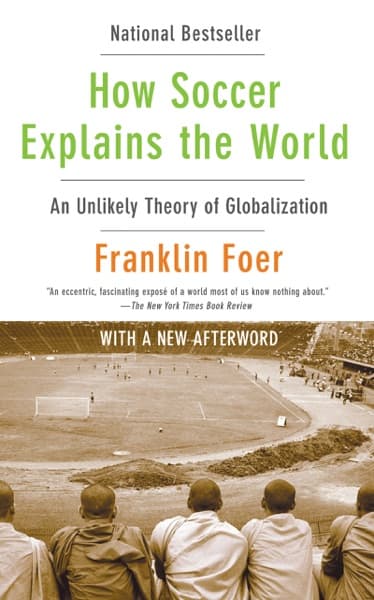
How Soccer Explains the World
Franklin Foer
After finishing, geopolitics feels less abstract because football exposes how globalization reshapes nations, markets, and loyalties.
Football is a model of global politics.
Foer uses soccer to interpret the same forces that shape World Cup meaning: national branding, migration, media power, and political messaging. That makes it ideal when you want World Cup history that explains why the tournament becomes a global stage.
A History of the World Cup, 1930-2014
Clemente Angelo Lisi
By the end, every World Cup era feels like a chapter in the same long-running story of changing rules, shifting hopes, and widening audiences.
World Cup history is one continuous evolution.
Lisi surveys every World Cup with a historical through-line, giving you breadth across tournaments without requiring you to piece together separate sources. This matters if your “World Cup history” goal includes understanding evolution from early editions to modern spectacle.
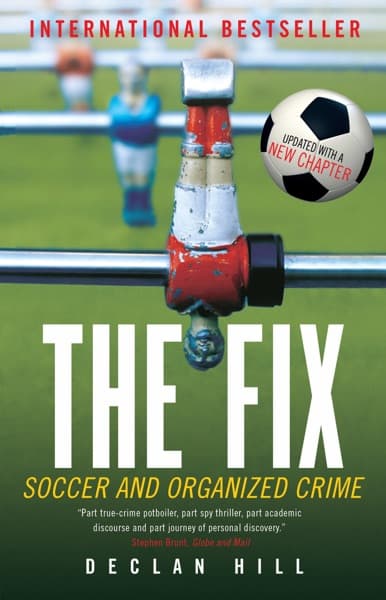
The Fix
Declan Hill
You learn how fixing can become a hidden plot line that distorts the story people think they are watching on TV.
Watch for incentives behind outcomes.
Hill complicates tournament history by showing how corruption, investigation, and incentives can sit behind official narratives. That matters for World Cup history because the official record is never the whole story, especially around high-stakes tournaments.
Treat each World Cup as a turning-point chain.
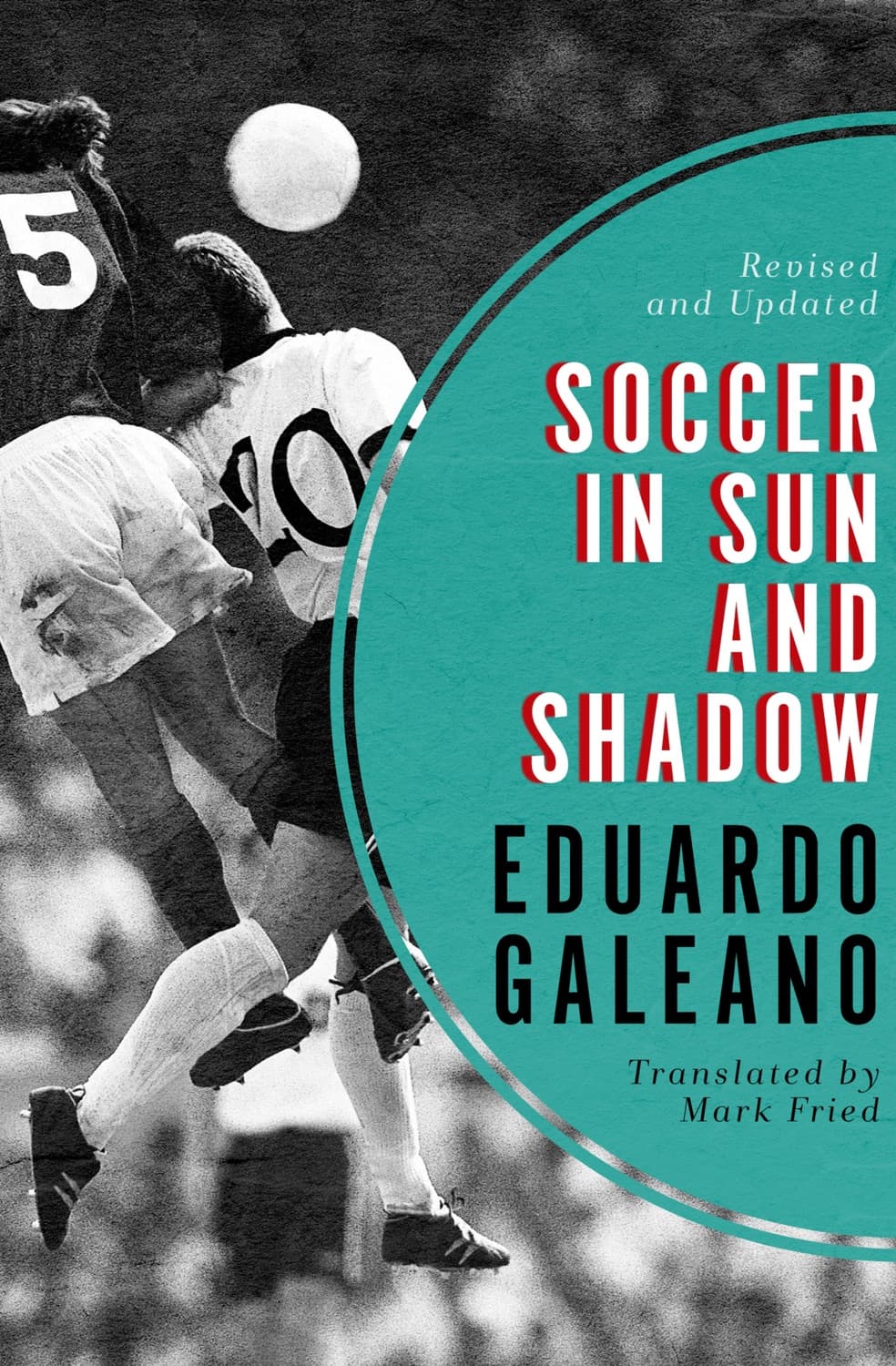
Soccer in Sun and Shadow
Eduardo Galeano
You finish feeling that World Cup history is written in myth, poverty, and memory, not only in trophies.
Myth and memory drive football more than facts.
Galeano’s literary vignettes capture the emotional texture behind tournaments, which helps you understand why World Cups become national stories. For World Cup history, the payoff is seeing spectacle and suffering as part of the same record.
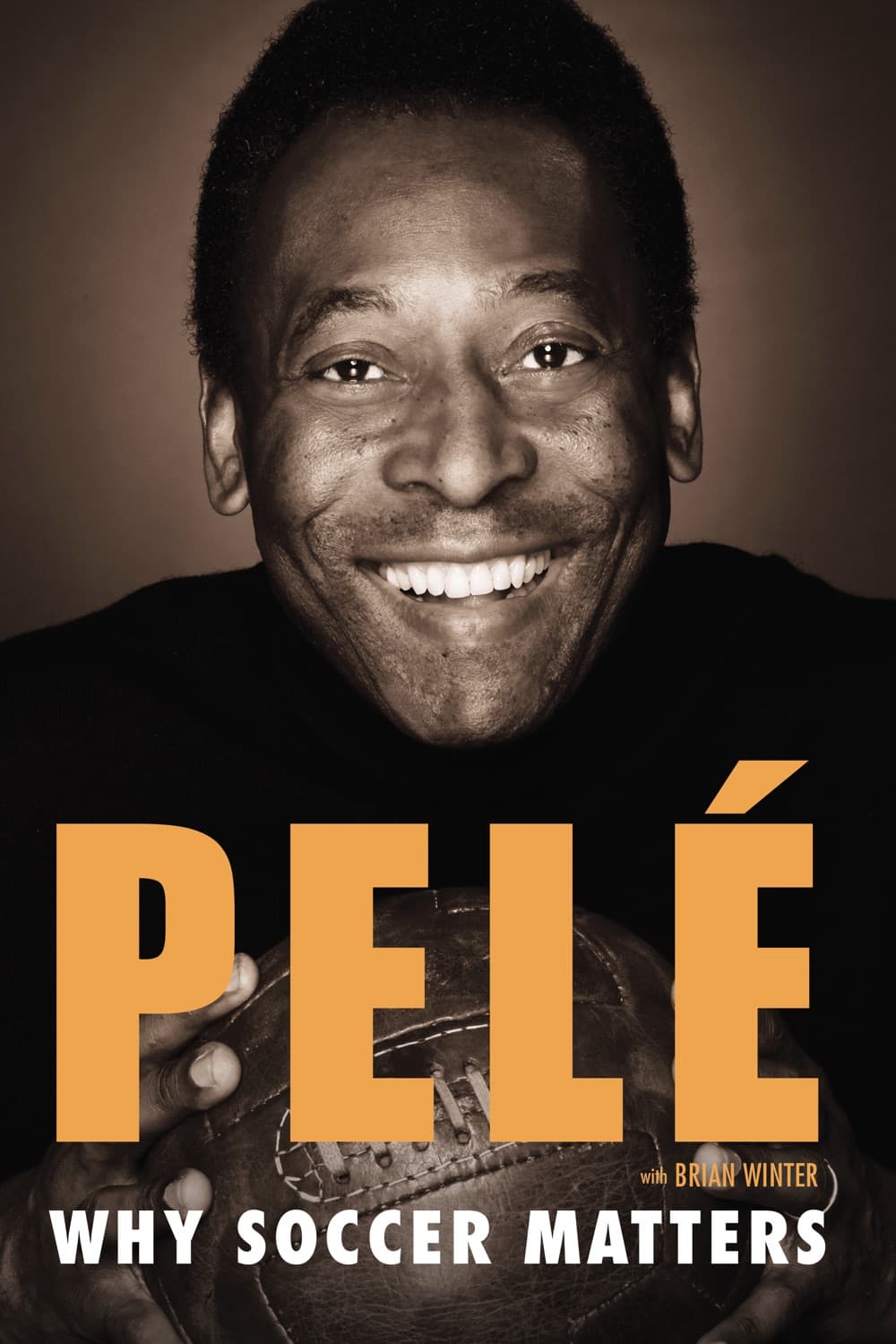
Why Soccer Matters
Pelé, Brian Winter
Pelé makes the World Cup feel personal and moral at once, as if every tournament teaches what greatness and responsibility look like.
The World Cup is a moral stage.
This is an accessible, first-person view that anchors World Cup history in the lived experience of the tournament’s central figure. It matters if you want a readable entry point that still respects how the World Cup shaped careers and countries.
All Played Out
Pete Davies
Italia 90 comes alive with the feeling that the World Cup is a media event before it is a match event.
Culture and broadcasting can decide the mood.
Davies reports and narrates the culture around Italia 90, making World Cup history feel immediate rather than academic. That helps if your goal is understanding atmosphere: how people watched, argued, and belonged during a specific tournament moment.
Morbo
Phil Ball
You realize Spanish football rivalries behave like political movements, which reshapes how you interpret World Cup national intensity.
Rivalry is nationalism in faster gear.
Even though it centers on Spain, Ball’s focus on rivalry and identity gives you a framework for reading World Cup emotion across countries. It matters for World Cup history because many tournament flashpoints are intensified versions of long-running national stories.
Can we tailor this list for you?
Type your question in the bar below and the AI will tailor a fresh set of picks just for you.