Best Books on Formula 1
Formula 1 rewards obsession with detail: aerodynamics measured in millimeters, championships decided by tenths of a second, and drivers who treat 200 mph as routine. This shelf moves from the sport's outlawed prewar origins to Adrian Newey's design principles, with stops at its deadliest era and its most political feuds.
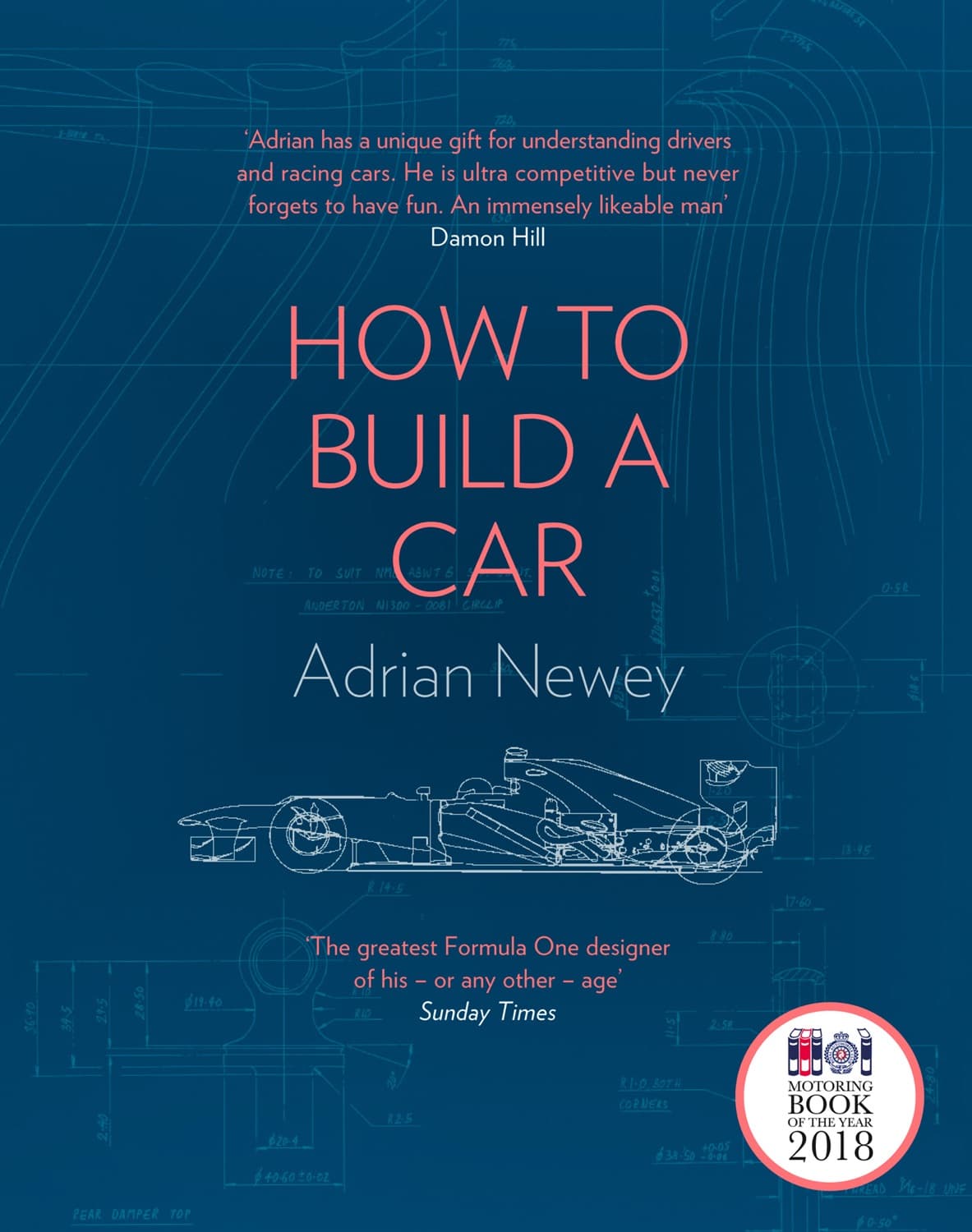
How to Build a Car
Adrian Newey
The design mind behind more championship winning cars than anyone in F1 history.
Downforce and drag are a constant trade off; Newey shows the sketches and wind tunnel data behind the calls that decided real championships.
Newey walks through the actual engineering decisions behind cars for Williams, McLaren, and Red Bull, turning aerodynamic theory into a page turning account of how championships are actually won.
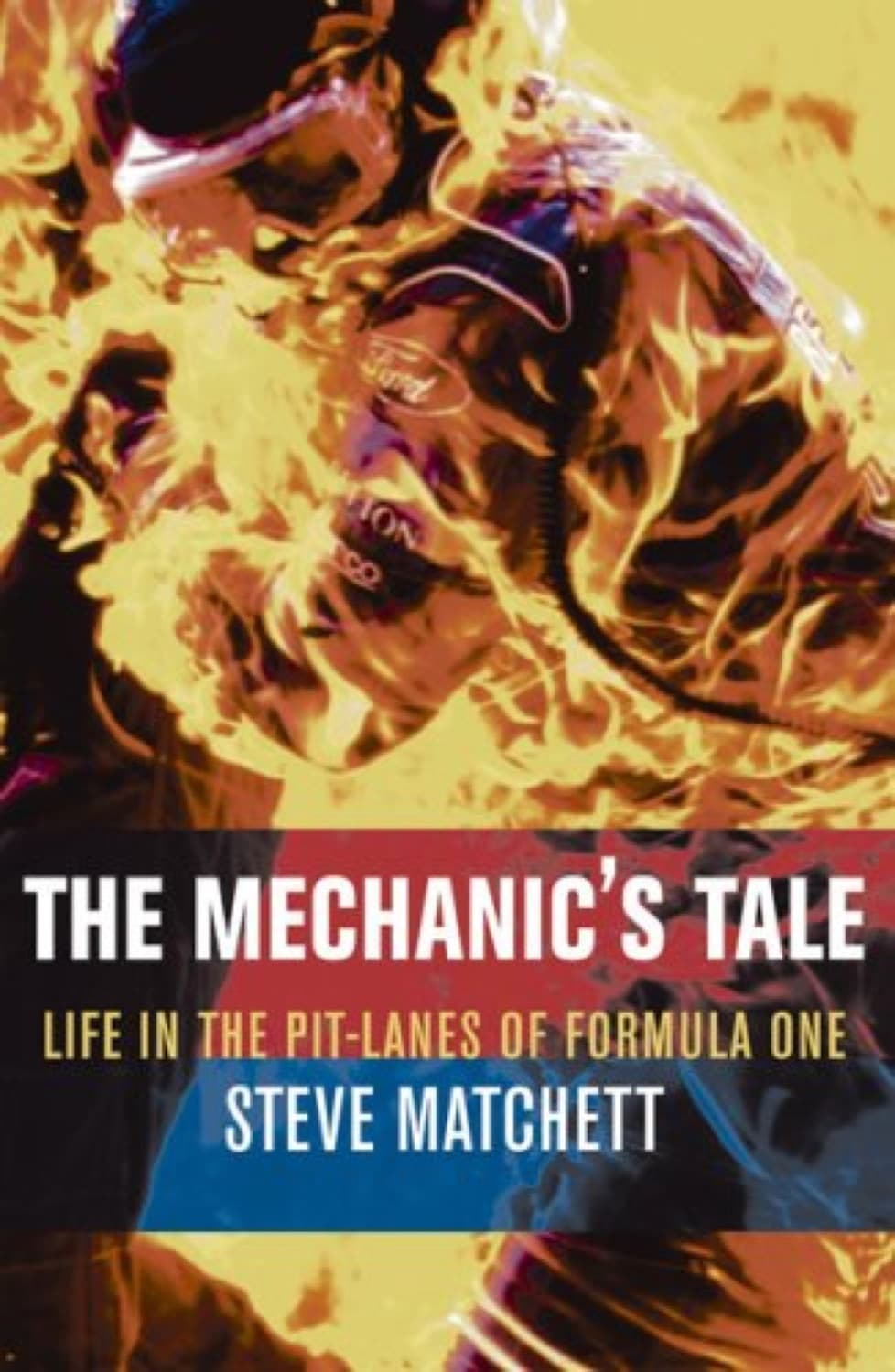
The Mechanic's Tale
Steve Matchett
A Benetton mechanic's ground level view of the garage during F1's most cutthroat years.
A two second pit stop is the product of choreographed rehearsal, not reflexes; Matchett breaks down exactly how a crew gets there.
Matchett spent seasons wrenching on Michael Schumacher's championship winning cars and writes from inside the garage, capturing the pressure of pit stops and a full season on one team.
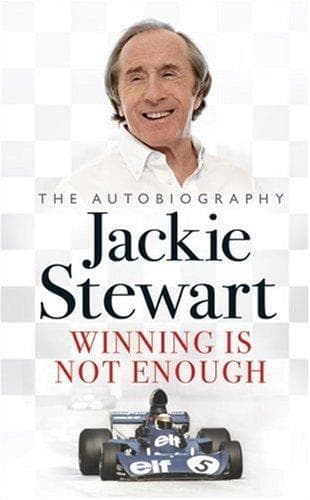
Winning Is Not Enough
Sir Jackie Stewart
The three time champion who turned F1's deadliest decade into a campaign for driver safety.
Stewart's safety campaign, not his three titles, is what most changed the sport; the book documents the resistance he faced doing it.
Stewart raced when a driver's chance of dying in any given season was alarmingly real, and his account of pushing for seatbelts and barriers changed the sport more than any single race result.
To hell and back
Niki Lauda
The 1976 champion's own account of his fiery crash and comeback six weeks later.
Lauda withdrew from the title deciding 1976 Japanese Grand Prix in the rain, calling the risk not worth a championship; the book explains that calculation.
Lauda narrates his Nurburgring crash, the last rites read over him, and the decision to climb back into a car with his burns still raw, in his own blunt, unsentimental voice.
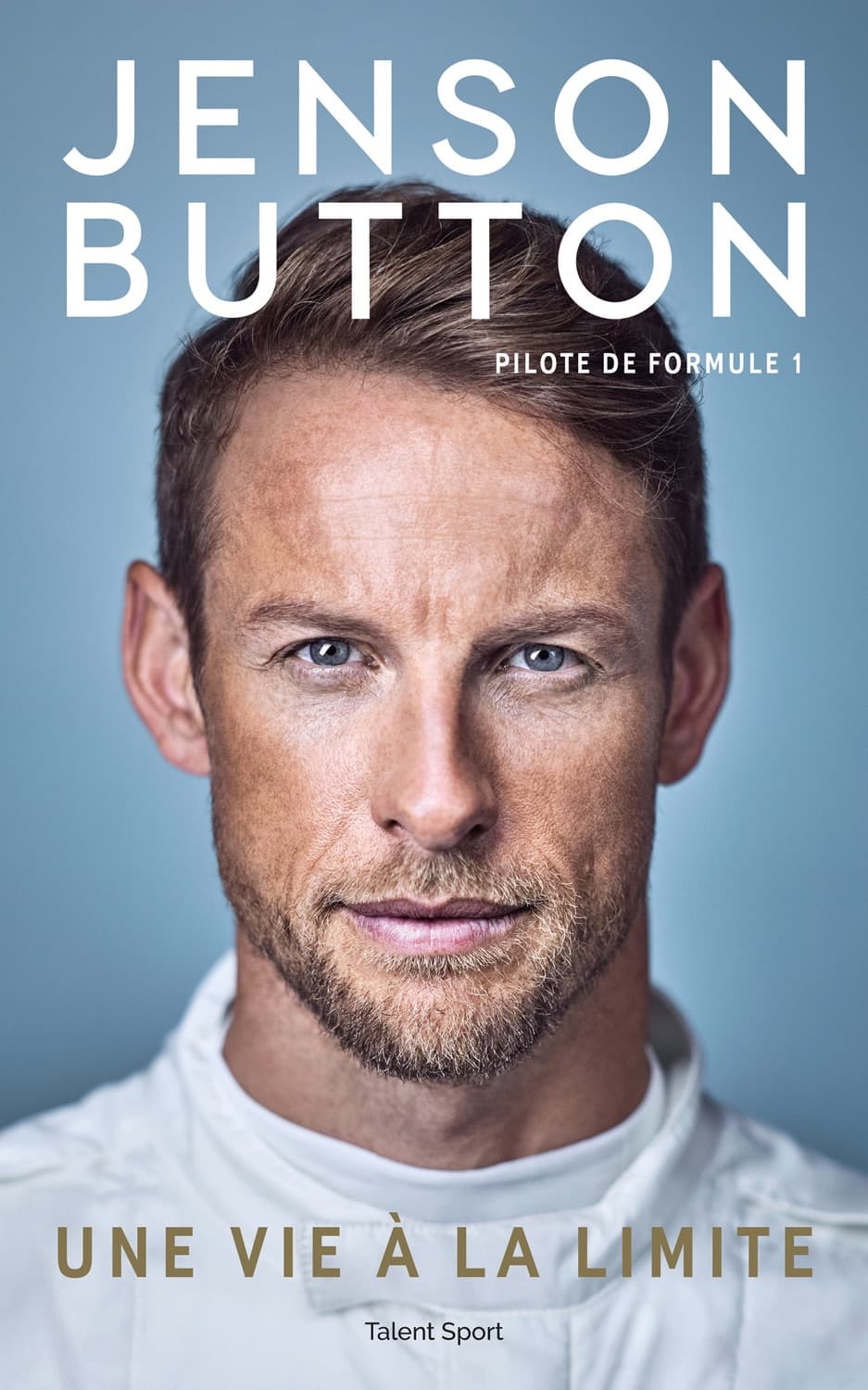
Jenson Button : Life to the Limit
Jenson Button
A 2009 world champion's honest account of years in backmarker cars before his title season.
Brawn GP's 2009 car exploited a double diffuser loophole rivals missed entirely; Button explains how a team on the brink of folding won the title.
Button spent most of a decade driving uncompetitive machinery before Brawn GP's single golden season, and his account of that long grind gives an honest picture of F1 outside the top teams.
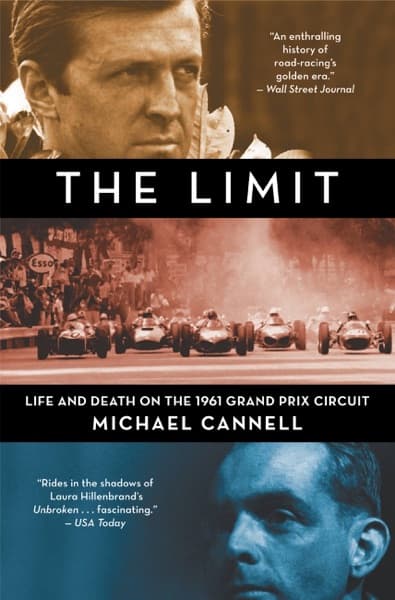
The Limit
Michael Cannell
A group biography of drivers who raced when a fatal crash was a near yearly certainty.
Ferrari's 1961 team orders and rivalry ended in tragedy at Monza; Cannell reconstructs the race lap by lap from surviving witnesses.
Cannell centers on the 1961 rivalry between Phil Hill and Wolfgang von Trips at Ferrari, reconstructing an era when drivers accepted roughly one in three odds of dying at the wheel.
A two second pit stop is the product of choreographed rehearsal, not reflexes; Matchett breaks down exactly how a crew gets there.
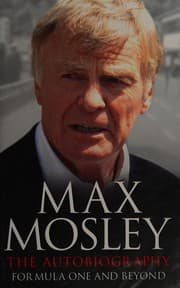
Formula One and beyond
Max Mosley
The FIA president's own account of three decades running F1's rules, politics, and scandals.
The FIA's post Imola 1994 safety overhaul reshaped car design within a single season; Mosley details the closed door arguments that forced it through.
Mosley ran the sport's governing body through safety reforms, budget wars, and his own tabloid scandal, and this memoir explains F1's politics from the seat that actually controls the regulations.
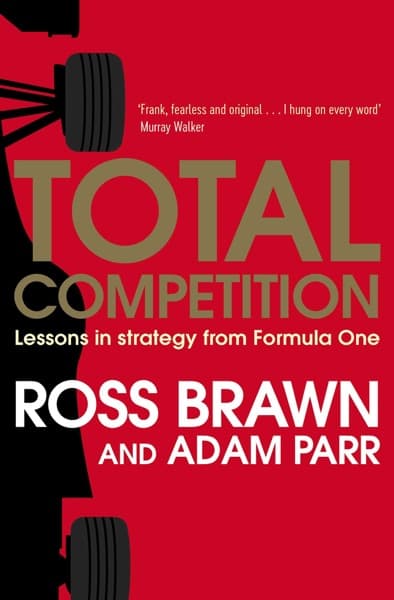
Total Competition
Ross Brawn, Adam Parr
A team principal's breakdown of the strategic thinking behind championship campaigns.
A one lap undercut can flip a race order without a single overtake; Brawn explains the strategy math teams run before every pit stop.
Brawn managed championship campaigns at Benetton, Ferrari, and his own Brawn GP team, and this book extracts the strategic reasoning behind tire calls, pit windows, and team orders across three decades.
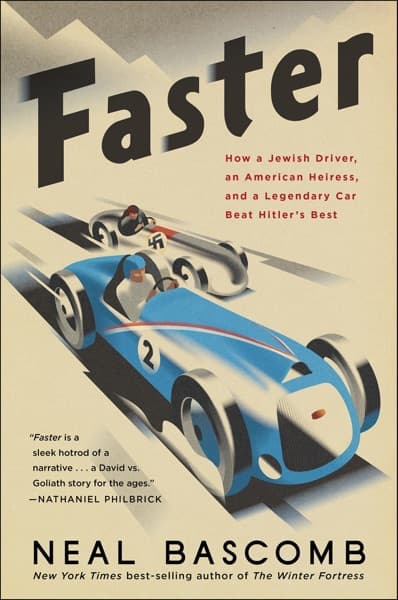
Faster
Neal Bascomb
The forgotten story of a Jewish driver who beat Hitler's state funded racing teams in the 1930s.
Hitler personally funded Mercedes and Auto Union's racing programs as propaganda; Dreyfus's 1938 Pau win in a private car undercut that message on European front pages.
Bascomb reconstructs how Rene Dreyfus, banned from German teams for his religion, won Grand Prix races against Mercedes and Auto Union's Nazi financed machines in a privately funded Delahaye.
Can we tailor this list for you?
Type your question in the bar below and the AI will tailor a fresh set of picks just for you.