Best Books on Learning to Surf
Learning to surf gets easier when waves stop being mystery: Surf Science (Tony Butt, Paula Russell, Rick Grigg) explains surf conditions, while Essential Surfing (George Orbelian) drills the fundamentals. Together they align safety with better choices.
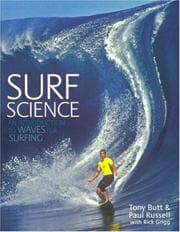
Surf Science
Tony Butt, Paula Russell, Rick Grigg
After Surf Science, you stop guessing: you learn how wave shape and speed govern what will happen under your board.
Match your timing to wave speed and period
It turns surfing into understandable wave mechanics, so your practice decisions match the conditions rather than vibes. That matters for learning to surf because good timing starts with reading waves correctly.
Essential Surfing
George Orbelian
Essential Surfing builds a repeatable progression: stance, paddling, takeoff, trimming, then turns, so each improvement has a clear target.
Practice paddling and takeoff as separate skills
It focuses on the mechanics beginners need most, without burying you in theory. For learning to surf, that means you can practice one adjustment at a time and feel what changes.
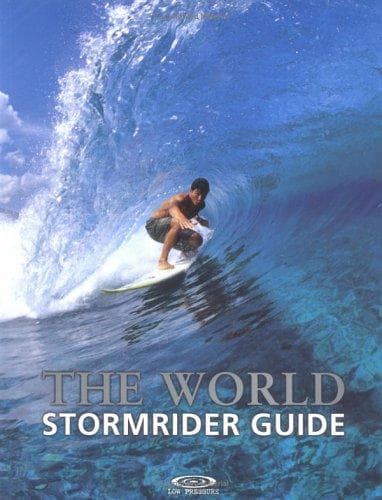
The World Stormrider Guide Volume 1
Bruce Sutherland
The World Stormrider Guide Volume 1 helps you choose smarter spots by decoding what different breaks demand from your level.
Pick breaks that fit your current skill and conditions
Instead of generic surfing advice, it trains you to think in terms of breaks, conditions, and where learning actually works. That supports safer, more effective sessions when you are learning to surf.
The Complete Guide to Surfing
Peter Dixon
The Complete Guide to Surfing gives you a structured path for fundamentals and progression, so improvement becomes a plan not a hope.
Use a progression sequence: basics then control
It’s a widely recommended reference that links core skills to how you should progress next. When you’re learning to surf, having a coherent sequence reduces wasted effort and confusion.
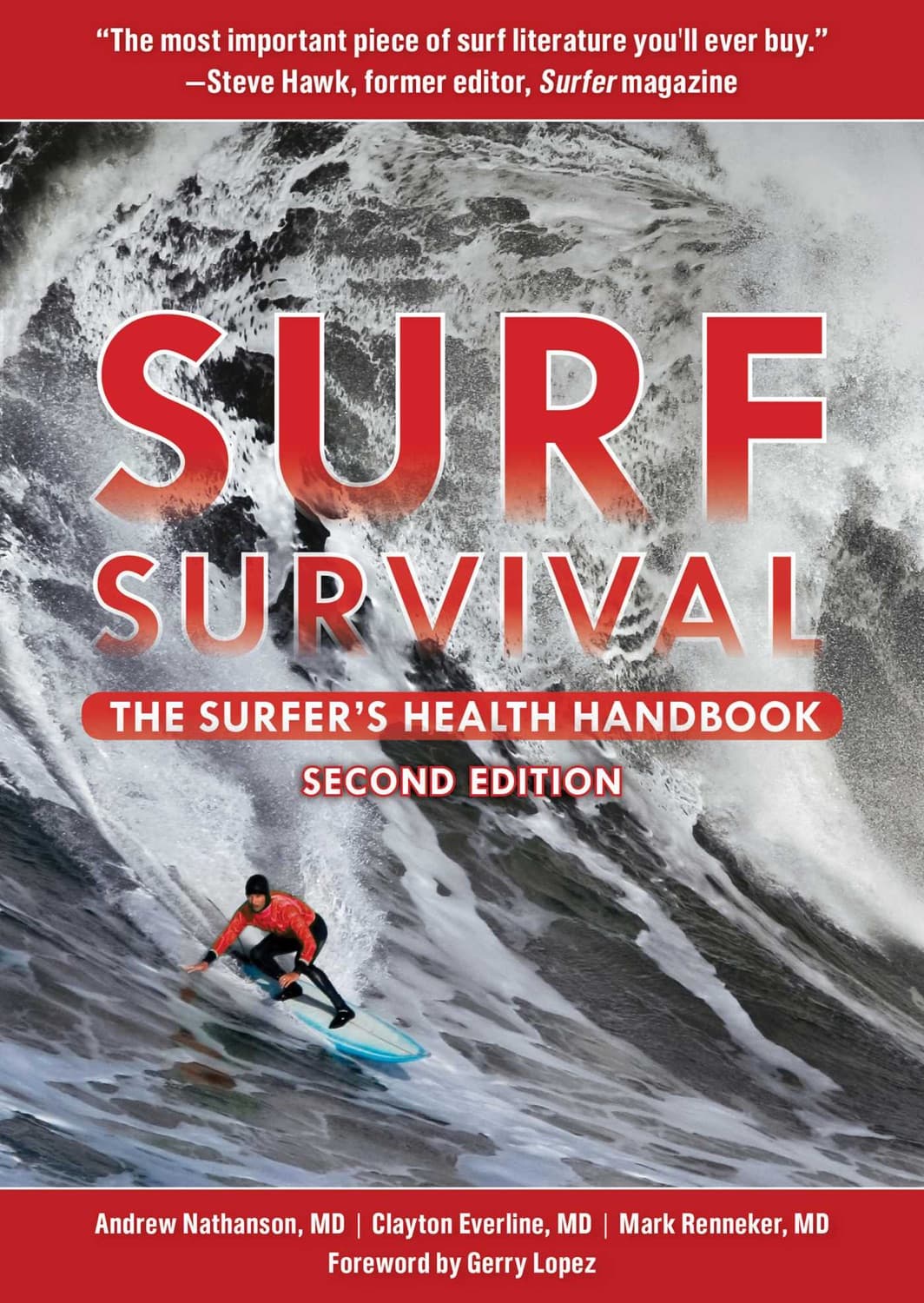
Surf Survival
Andrew Nathanson, Clayton Everline, Mark Renneker
Surf Survival makes risk feel measurable: you learn how to spot hazards, read danger signals, and act with ocean awareness.
Respect rip currents: identify and avoid them
Learning to surf isn’t just technique: it requires knowing what can go wrong and how to avoid it. This safety-first approach strengthens decision-making so you can keep practicing confidently.
Can we tailor this list for you?
Type your question in the bar below and the AI will tailor a fresh set of picks just for you.