Best Books on Stolen Elections in History
Stolen elections live in the details: from Alexander Keyssar’s vote suppression history to Jeffrey Toobin’s Bush-Gore recount narrative, these books teach you how legitimacy gets manufactured and contested.
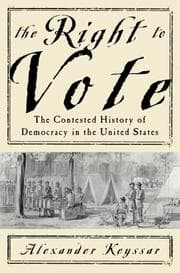
The Right to Vote
Alexander Keyssar
Keyssar traces how the right to vote in America expanded while disenfranchisement and contested counting repeatedly reappeared in new forms.
Disenfranchisement changes tactics as voting rules change.
This book treats stolen elections as a long-running mechanism, not a one-off scandal: who gets barred, who gets counted, and who gets believed. For your topic, it gives you the historical groundwork to recognize fraud claims as part of broader strategies of exclusion.
Too Close to Call
Jeffrey Toobin
The Bush-Gore recount becomes a lesson in how thin procedural differences can decide the legitimacy of an entire election.
Deadlines and standards can outweigh individual votes.
Toobin’s narrative focuses on the disputed outcome and the machinery around it, showing how lawsuits, rules, and deadlines can turn votes into a legal problem. If you want the feel of a stolen-election moment, this gives the courtroom and counting logic behind the crisis.
Let the People Rule
Geoffrey Cowan
Cowan uses the 1912 convention fight to show how election rules and party power can turn reform into a backlash.
Control of party selection can hijack outcomes.
This book highlights a different kind of theft: not just ballot tampering, but control over nomination and delegate selection that shapes who can even compete. For your history-of-stolen-elections angle, it widens the lens beyond polling-day fraud to the democratic process upstream.
The Best Democracy Money Can Buy
Greg Palast
Palast argues that election theft often travels through voter suppression and administrative obstacles, not just missing ballots.
Suppress access to vote before fraud happens.
As investigative reporting, it connects claims of election “theft” to mechanisms like purges, restrictive rules, and enforcement choices that decide who can vote. If your interest is stolen elections in history, this adds a modern, documentary-grade tool for tracing cause and accountability.
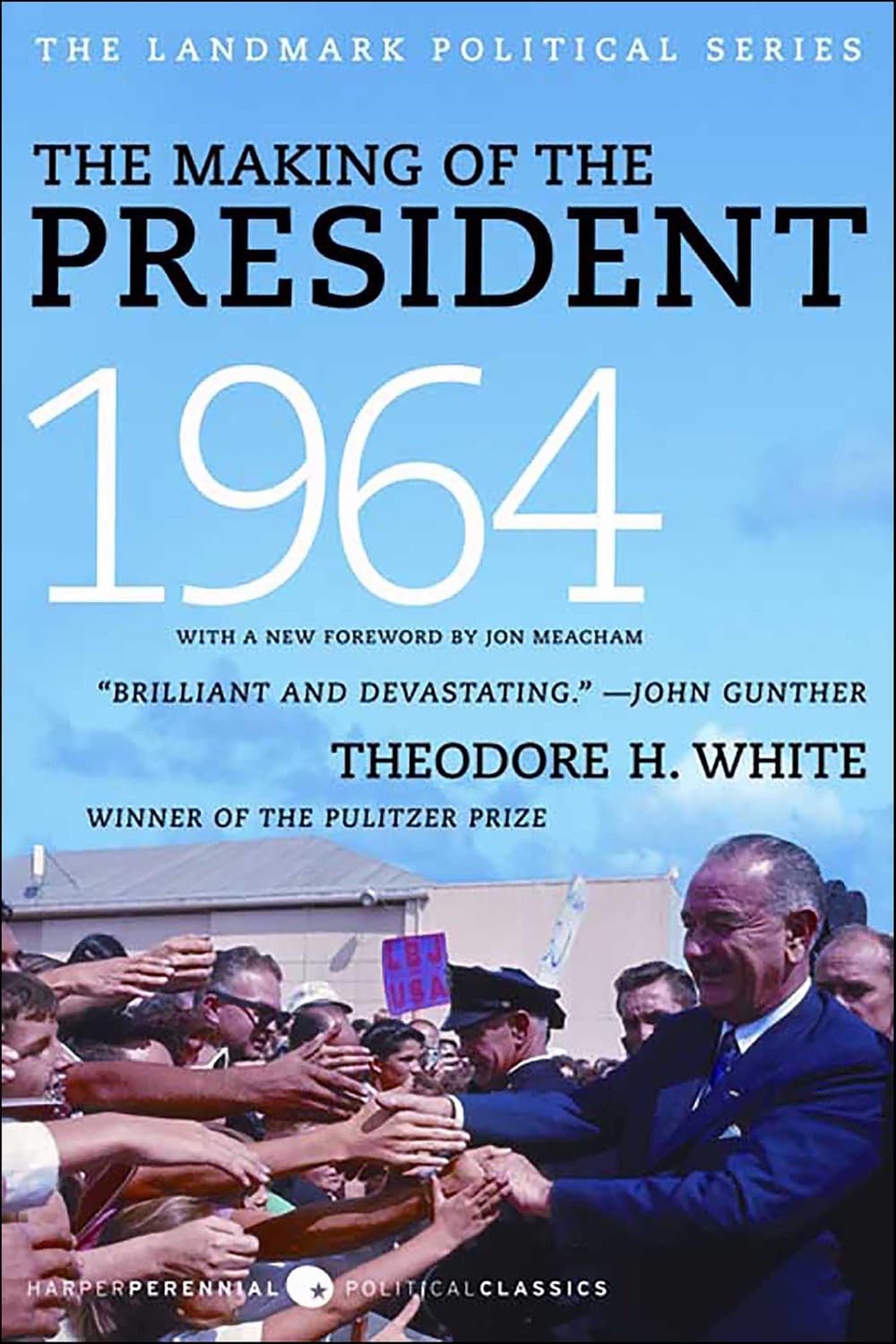
The Making of the President 1964
Theodore H. White
The 1964 election reads like proof that the closer the numbers get, the more fraud allegations reshape public reality.
Near-ties magnify the politics of suspicion.
White’s classic political reporting captures the tension of near outcomes and the narratives that emerge around them, letting you see how contested legitimacy forms in real time. It helps your search because it shows how “stolen” claims become political weather that candidates and media must navigate.
Ballot Battles
Edward Foley
Foley explains how contested elections become constitutional disputes about legitimacy, not merely partisan arguments.
Legitimacy disputes are legal and institutional, not just numerical.
This scholarly overview clarifies the categories of election conflict: fraud, disenfranchisement, and legitimacy crises across American history. For stolen elections, it gives you the analytic map to understand what counts as a stolen election and why institutions decide differently over time.
Deadlines and standards can outweigh individual votes.
Down for the Count
Andrew Gumbel
Gumbel argues that disenfranchisement and manipulation can be engineered through rules and administration as much as through ballot fraud.
Administrative design can disenfranchise at scale.
Written with a journalistic eye, it pulls together episodes where election outcomes are bent by access barriers and strategic counting. For your history-focused search, it strengthens the link between “stolen election” claims and the practical systems that enable them.
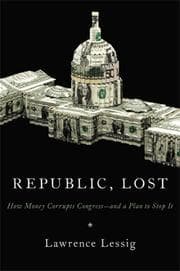
Republic, Lost
Lawrence Lessig
Lessig shows that when money dominates representation, election fairness collapses through influence, not just outright fraud.
Elections can be hijacked without rigging votes.
While not limited to ballot theft, it directly addresses how elections can be “stolen” from voters through structural capture. This matters for your topic because it broadens what counts as theft: the democratic choice can be distorted long before anyone calls the result.
From Open Secrets to Secret Voting
Isabela Mares
Mares connects coercion, fraud, and electoral reform to the political purpose of secret voting.
Secret voting reduces coercion-driven fraud.
This comparative history reframes stolen elections as a problem of control: when intimidation and manipulation shape behavior, reforms like secret ballots change the stakes. If you want history that explains the “why” behind different fraud patterns and remedies, this supplies a surprising, evidence-based lens.
Can we tailor this list for you?
Type your question in the bar below and the AI will tailor a fresh set of picks just for you.