Best Books on Disinformation & Election Fraud
Disinformation and election fraud stories sharpen fast when you read Jonathan Lemire in The Big Lie alongside Benkler, Faris, and Roberts in Network Propaganda: both show how falsehoods spread from claim to belief.
The Big Lie
Jonathan Lemire
After Lemire’s reporting, election falsehoods stop feeling like chaos and start looking like a coordinated media ecosystem that converts claims into votes.
Falsehoods scale when institutions amplify them.
The Big Lie tracks how specific 2020 falsehoods traveled through institutions and messaging networks, then became politically useful. That makes it a strong match for election-fraud research because it connects narrative steps to real-world outcomes.
American Pravda
James O'Keefe
American Pravda reframes election-deception culture as a business model: outrage plus “evidence” built to recruit, not to prove.
Narratives win when they monetize outrage.
Lemire-style institutional scrutiny it is not, but it is central to the disinformation-era ecosystem and its self-justifying logic. If election fraud claims are what you want to understand end to end, you need the narrative engine that claims to expose fraud.
Network Propaganda
Yochai Benkler, Robert Faris, Hal Roberts
Network Propaganda makes you see political misinformation as engineering: identical talking points propagate because incentives and network structures align.
Network effects beat individual persuasion.
It’s a foundational framework for how right-wing media ecosystems distributed disinformation around U.S. elections. For election-fraud beliefs, that matters because you learn what patterns to look for beyond any single claim.
How to Lose the Information War
Nina Jankowicz
Jankowicz turns disinformation into a playbook you can recognize: the emotional cues and repeated tactics that keep false stories alive.
Tactics matter more than the specific lie.
This primer maps modern disinformation tactics and why they work in democratic contests, without requiring you to be a technical expert. It fits your topic by connecting election-fraud narratives to recognizable manipulation techniques.
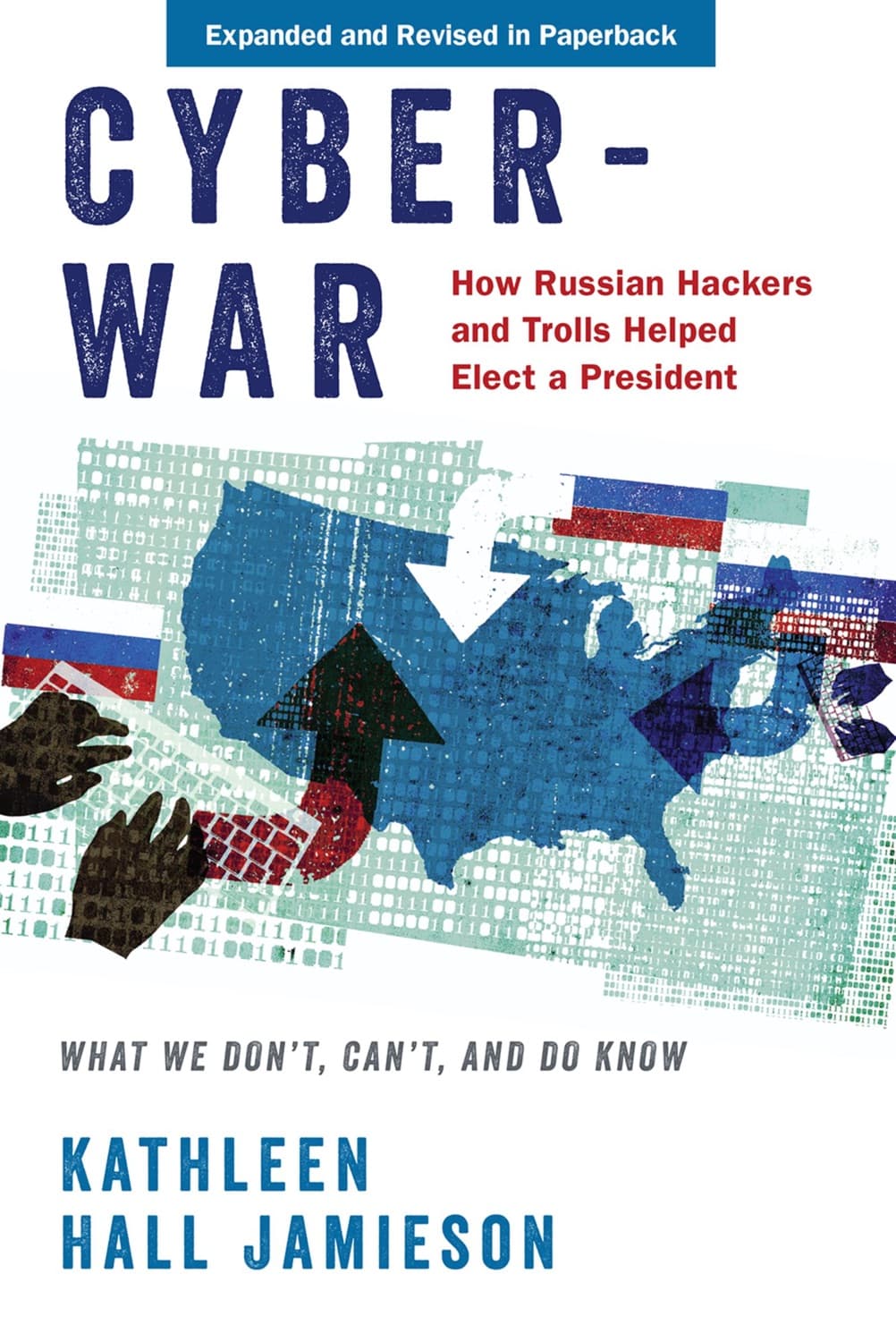
Cyberwar
Kathleen Hall Jamieson
Cyberwar argues that Russian disinformation is designed to degrade trust, not to install a single factual story.
The target is trust, not just truth.
Jamieson examines how interference efforts shaped the 2016 election environment and why audiences were primed to absorb the chaos. For disinformation and election fraud, it helps you distinguish meddling goals from the surface-level claims.
Why We Did It
Tim Miller
Why We Did It changes the question from “Who is lying?” to “Why the system rewards lying,” especially when verification becomes optional.
Incentives can outperform evidence.
Miller offers an insider account of election lies, propaganda, and the incentives inside Republican media ecosystems. For election-fraud research, the value is causal: it shows how organizational incentives generate and sustain falsehoods.
Narratives win when they monetize outrage.
Trust the Plan
Will Sommer
Trust the Plan shows conspiracy disinformation as a belief pipeline that turns uncertainty into certainty on command.
Conspiracies convert doubt into certainty.
Sommer examines how conspiracy narratives feed election-fraud beliefs and why they spread through communities that want coherence. That makes it directly useful for understanding not just claims, but the psychology of why they stick.
The Misinformation Age
Cailin O'Connor, James Owen Weatherall
The Misinformation Age gives you a scientist’s lens on why false beliefs propagate: they survive because networks reward repeated sharing, not because they are convincing.
Beliefs spread through networks, not arguments.
This book builds a clear framework for how false beliefs spread in political networks. It fits your topic because it helps you evaluate election-fraud claims by pattern and process rather than by rhetorical style.
American Carnage
Tim Alberta
American Carnage captures how election falsehoods became a political identity, not a temporary scandal.
Identity can anchor misinformation.
Alberta’s reporting tracks the Republican embrace of election falsehoods and how that shift reshaped reporting, messaging, and loyalty. For disinformation and election fraud, it offers the political transformation that makes future claims easier to believe.
Antisocial
Andrew Marantz
Antisocial makes online extremism and misinformation feel less like a fringe problem and more like a social infrastructure that democracies are failing to police.
Platforms shape belief by shaping attention.
Marantz is accessible while still connecting misinformation dynamics to democratic vulnerability. If your goal is to understand how disinformation ecosystems draw people in and radicalize belief around elections, this gives strong narrative clarity.
Can we tailor this list for you?
Type your question in the bar below and the AI will tailor a fresh set of picks just for you.