Best Books on Public Speaking for Introverts
Public speaking for introverts gets easier when the advice matches your temperament: Susan Cain’s Quiet reframes your strengths, and Presence adds science-based tools for performing under pressure.
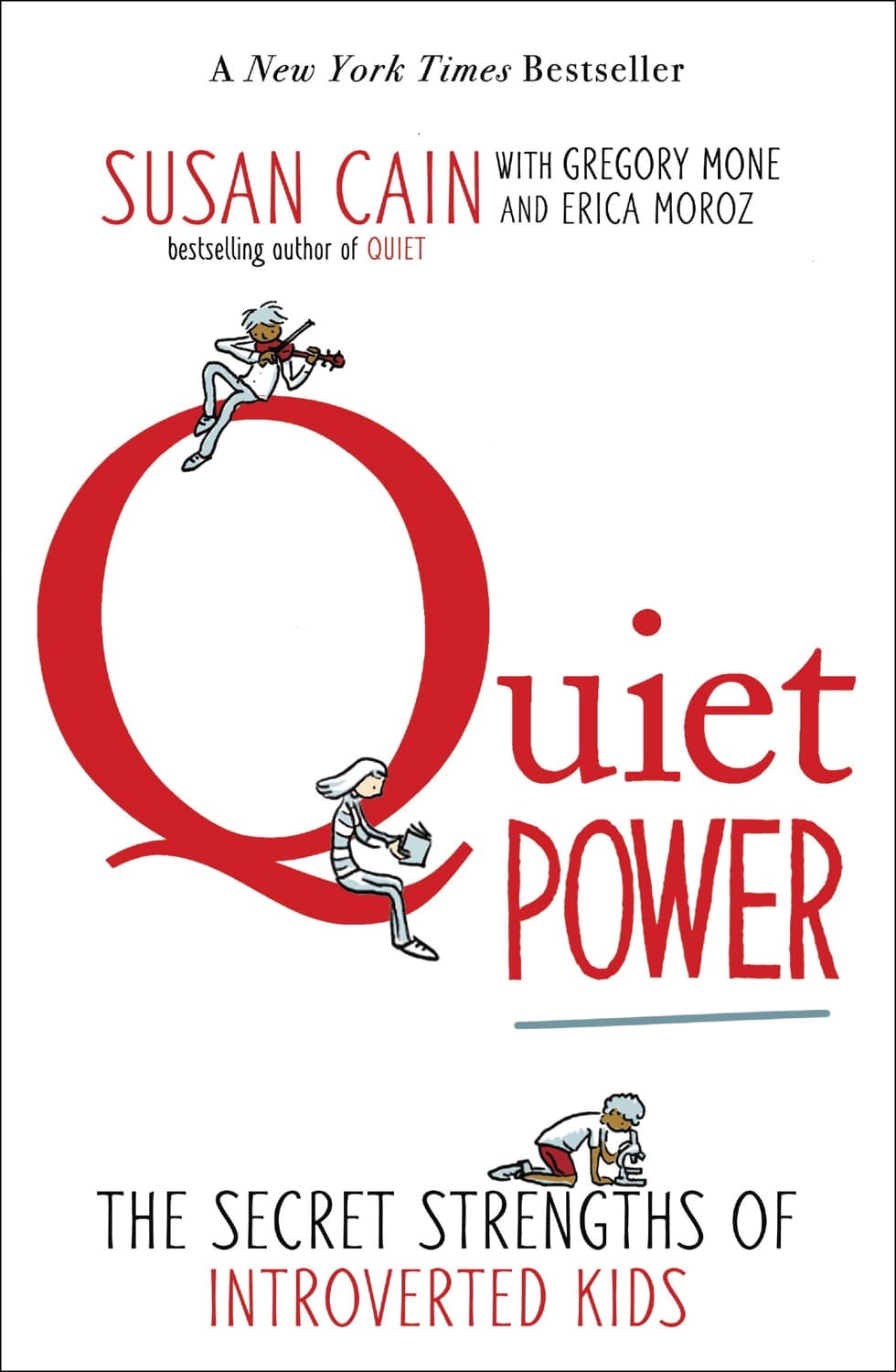
Quiet
Susan Cain
Quiet makes introversion a performance advantage, not a social flaw, by explaining how “normal” extrovert culture trains people to panic in front of others.
Introverts aren’t broken: build from deeper processing.
Cain reframes public speaking anxiety as a mismatch between temperament and expectations, so you stop fighting your nature. That mindset shift helps introverts approach speaking with a steadier internal baseline instead of forcing extrovert energy.
The Introvert’s Edge to Networking
Matthew Pollard
The Introvert’s Edge to Networking turns small, specific interactions into a repeatable speaking and outreach advantage, not a one-off social ordeal.
Prepare fewer moves, execute them consistently.
It focuses on communication behaviors that transfer directly into presenting: thoughtful questions, prepared follow-through, and controlled energy. For introverts, that reduces the “stage panic to social scrambling” gap that often follows talks.
Public Speaking for Success
Dale Carnegie
Public Speaking for Success pushes credibility first: your goal is clarity and connection, not dramatic charisma, and that changes how you prepare.
Clarity beats cleverness: speak to be understood.
Carnegie’s classic fundamentals help introverts stop overthinking delivery mechanics and focus on messages people can follow. It offers beginner-friendly confidence scaffolding grounded in structure and sincerity, which is exactly what nervous speakers need.
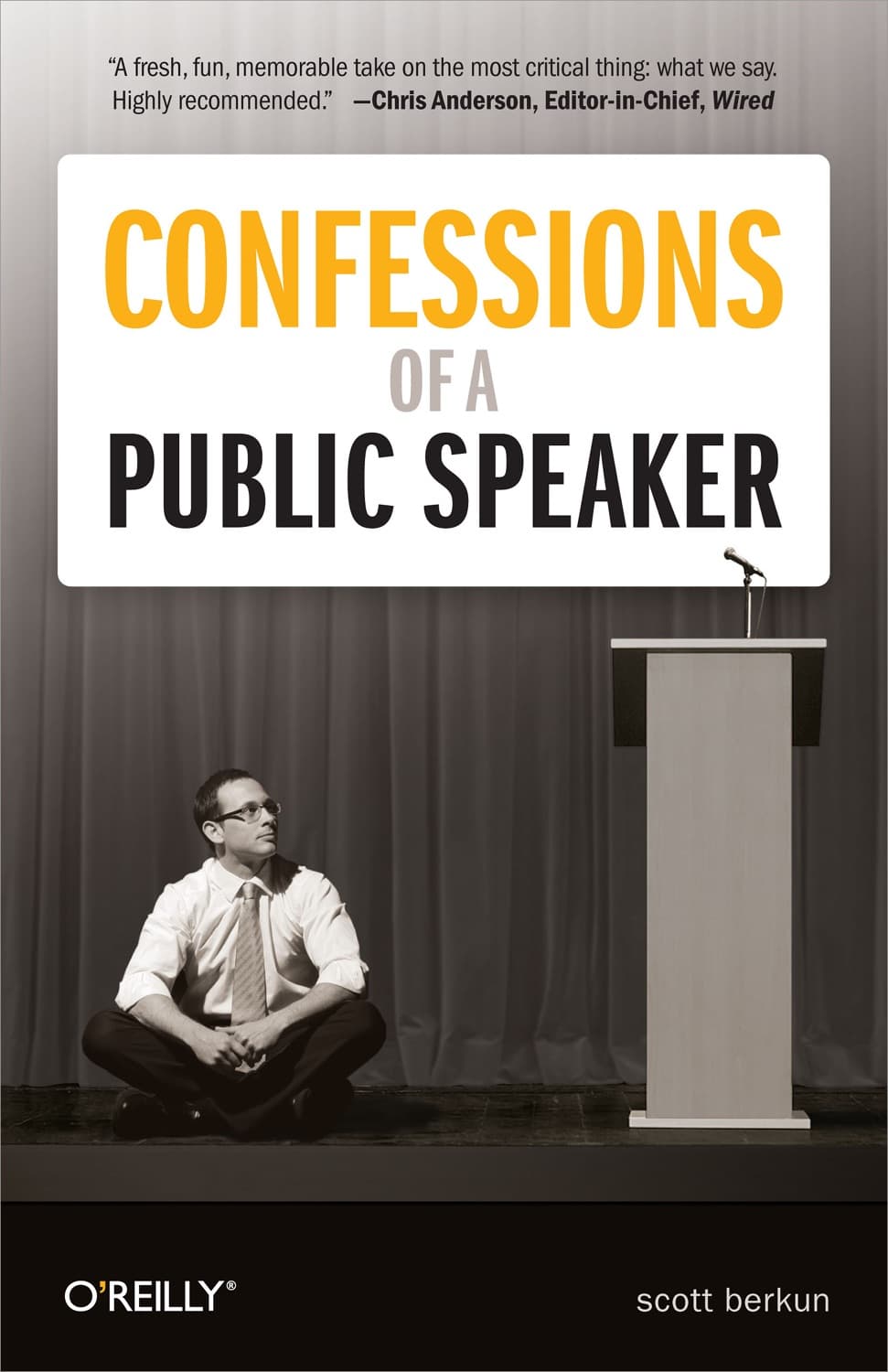
Confessions of a Public Speaker
Scott Berkun
Confessions of a Public Speaker treats public speaking fear as normal process material, then teaches you how to make it less personal and more workable.
Reduce shame: treat mistakes as data.
Berkun’s humor and demystifying stories reduce the emotional stakes introverts attach to “messing up.” That helps you practice with less shame, and practice is what turns anxious anticipation into usable competence.
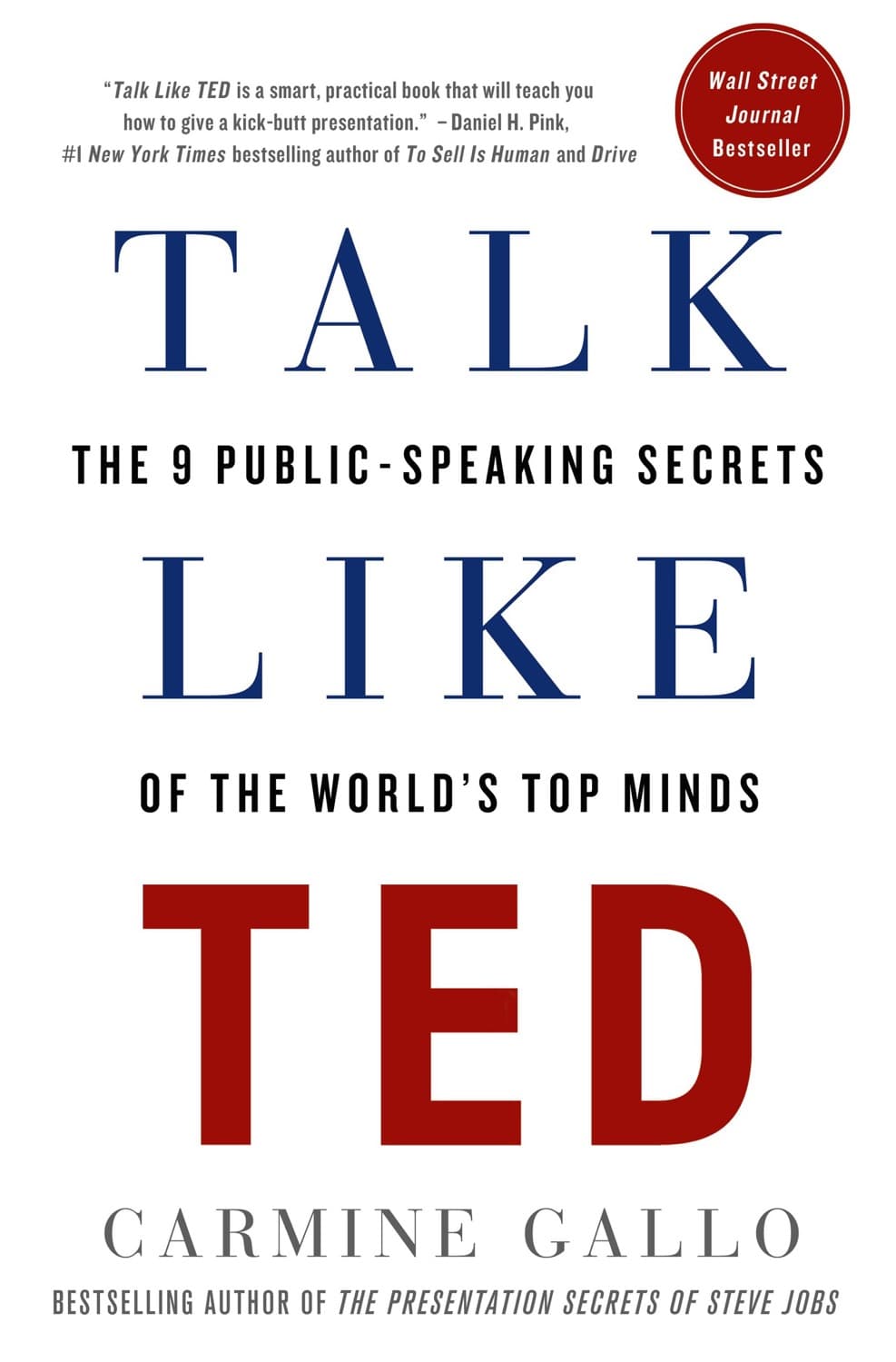
Talk Like TED
Carmine Gallo
Talk Like TED gives you a talk’s spine so your introvert brain stops searching for the perfect moment and starts delivering a clear arc.
Use a simple idea + proof to drive everything.
Gallo’s presentation techniques and examples help you build a narrative structure introverts can rely on under stress. When the story has a dependable shape, you have less room to spiral about sounding “too quiet” or “too rehearsed.”
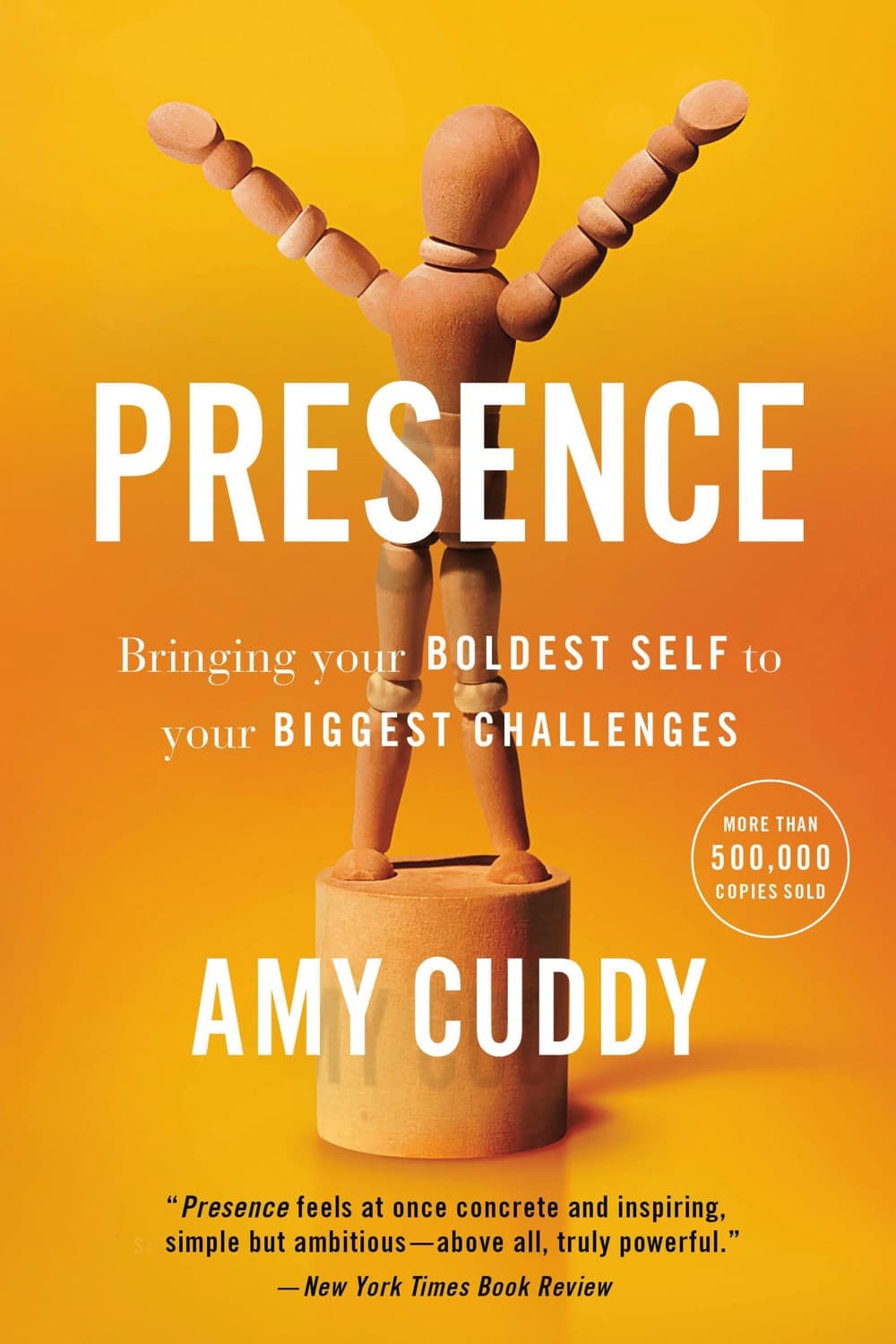
Presence
Amy Cuddy
Presence teaches that confidence isn’t a personality trait, it’s a controllable state you can shift with body signals and attention when nerves hit.
Change your body, change your confidence state.
For introverts, speaking stress often shows up as tightened posture and scanning thoughts, not lack of ability. Cuddy’s evidence-informed tools target those immediate signals so your delivery steadies even when you feel shaky inside.
Prepare fewer moves, execute them consistently.
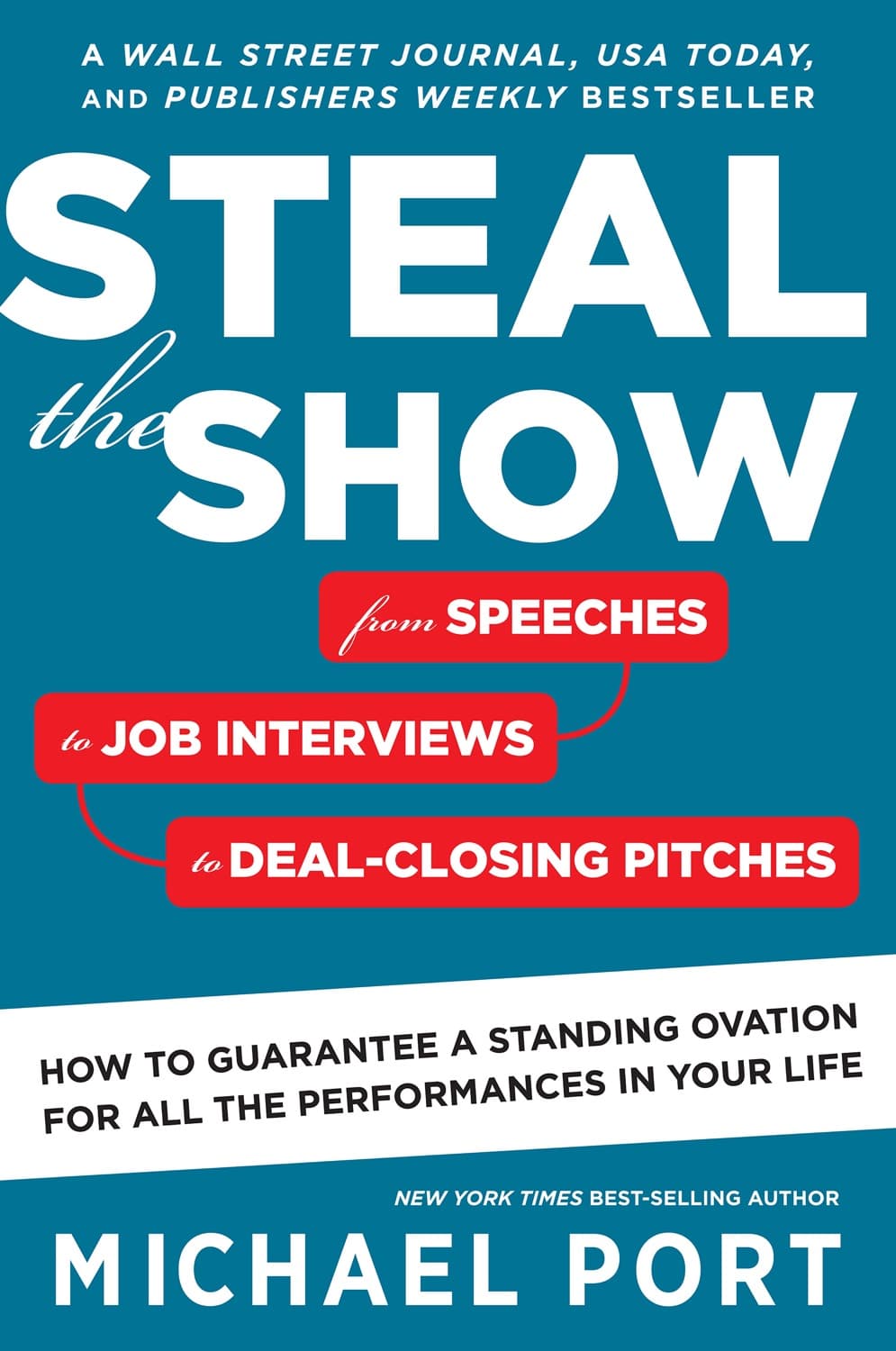
Steal the Show
Michael Port
Steal the Show replaces “hope I’m good” with preparation rituals that make your performance feel like a craft, not a gamble.
Rehearse with intention, not just repetition.
Port’s approach helps introverts manage stage fright through deliberate rehearsal and delivery mechanics. That turns speaking into something you can control: you know what to do before, during, and after the hard parts.
The introvert's way
Sophia Dembling
The introvert's way reframes visibility as choice: you can show up without becoming a different person every time you speak or mingle.
Select social effort intentionally, not automatically.
Dembling’s guidance supports introverts who want to participate more while preserving inner energy. That matters for public speaking because sustainable comfort leads to better preparation, cleaner delivery, and fewer avoidance loops.
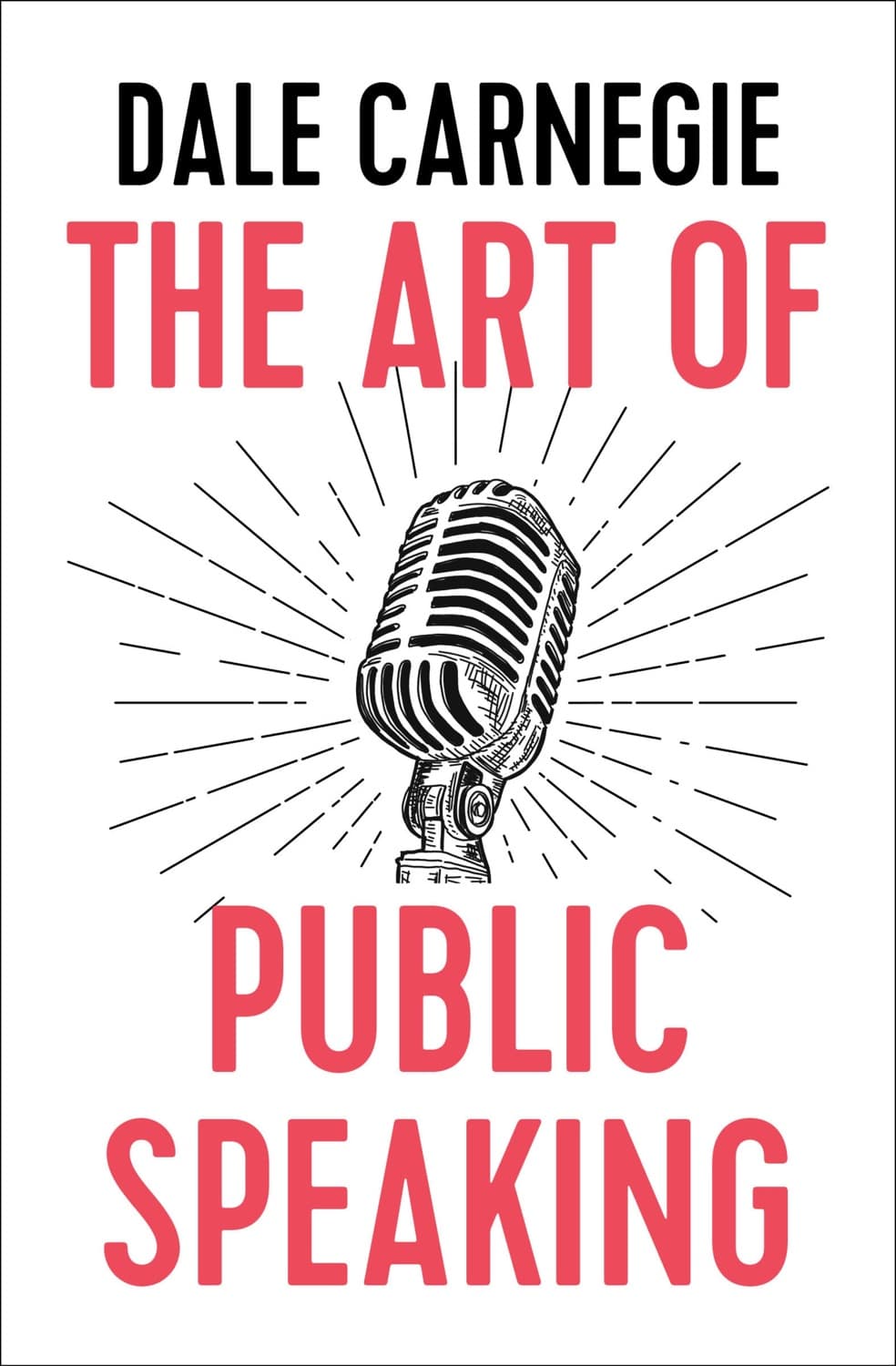
The Art of Public Speaking
Dale Carnegie
The Art of Public Speaking insists you earn attention through organization and rehearsal, not by forcing extrovert behavior.
Prepare, then practice until your points feel inevitable.
Carnegie’s classic method gives introverts practical ways to reduce uncertainty: plan, practice, and present with purpose. For reserved presenters, that structure lessens the mental noise that often turns nerves into rambling.
Speak With No Fear
Mike Acker
Speak With No Fear attacks stage anxiety as a set of fixable habits, giving introverts concrete steps for speaking despite nerves.
Fear drops when you focus on technique cues.
Because it directly targets fear, it’s a strong companion when Quiet helps you reframe and Presence helps you regulate. Acker’s emphasis on actionable technique fits introverts who need relief quickly before the next presentation.
Can we tailor this list for you?
Type your question in the bar below and the AI will tailor a fresh set of picks just for you.