Best Books for Nursing Students
Nursing-student classics like Fundamentals of Nursing by Patricia A. Potter and Brunner & Suddarth's textbook of medical-surgical nursing by Lillian Sholtis Brunner et al build the clinical instincts faculty expect: clear fundamentals plus decision-ready frameworks.
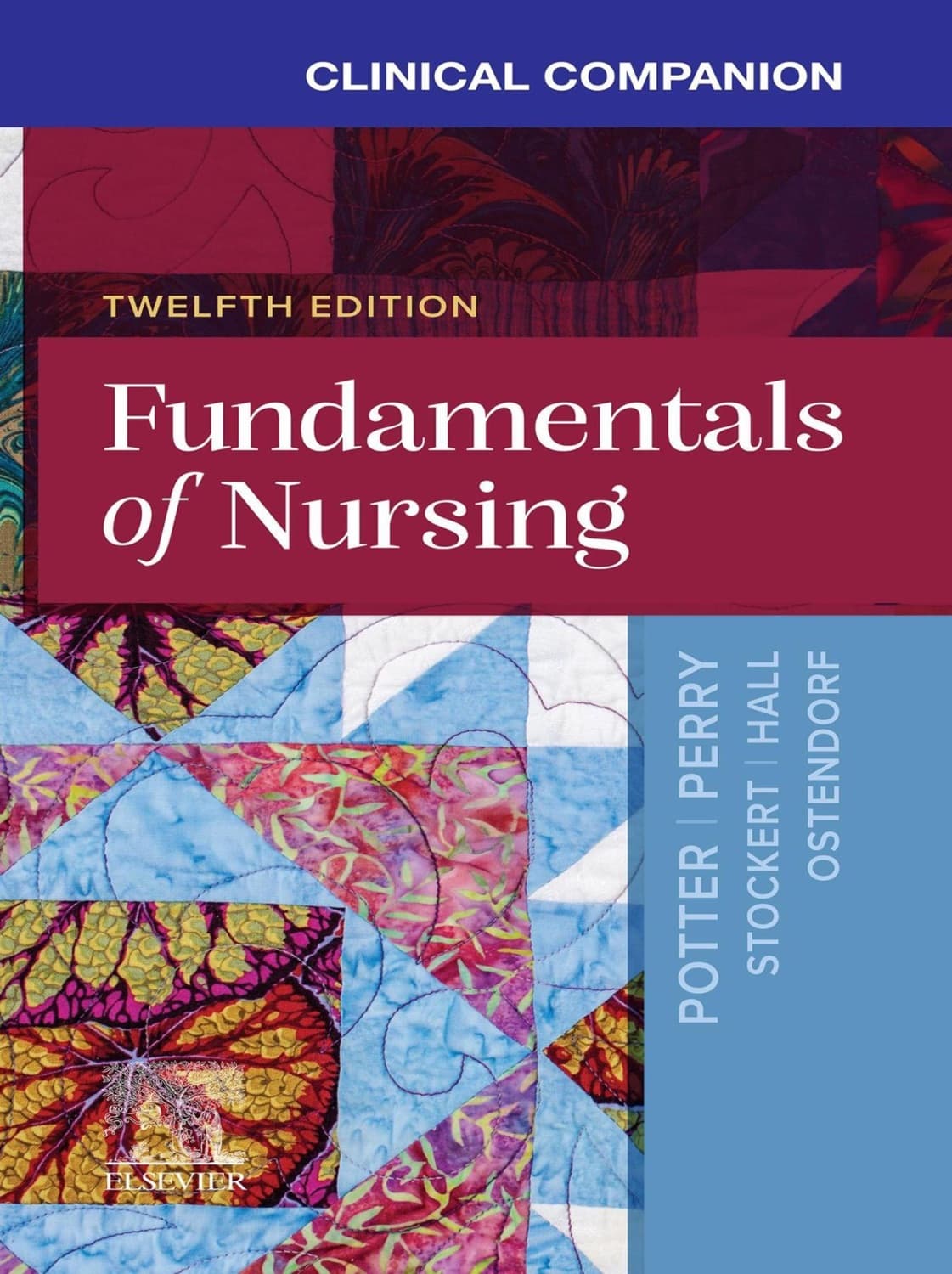
Fundamentals of Nursing
Patricia A. Potter
After Fundamentals of Nursing, nursing basics stop feeling like checklists and start working like a coherent skill set you can apply under real clinical pressure.
Practice fundamentals with linked rationale, not isolated tasks.
It teaches core nursing concepts and hands-on care skills in a way that connects rationale to practice, so students can translate learning into bedside action. For nursing students, that connection matters when fundamentals are the baseline for every later specialty course.
Brunner & Suddarth's textbook of medical-surgical nursing
Lillian Sholtis Brunner, Suzanne C Smeltzer, Brenda G Bare, Janice L Hinkle, Kerry H Cheever
Brunner & Suddarth’s gives med-surg nursing a repeatable lens: identify the patient problem, anticipate complications, and choose nursing actions that match.
Use nursing actions tied to anticipated complications.
It is built around the clinical realities students meet in med-surg rotations, so the learning aligns with the decisions you actually have to make. That makes it a strong backbone when your goal is nursing competence across common diagnoses and situations.
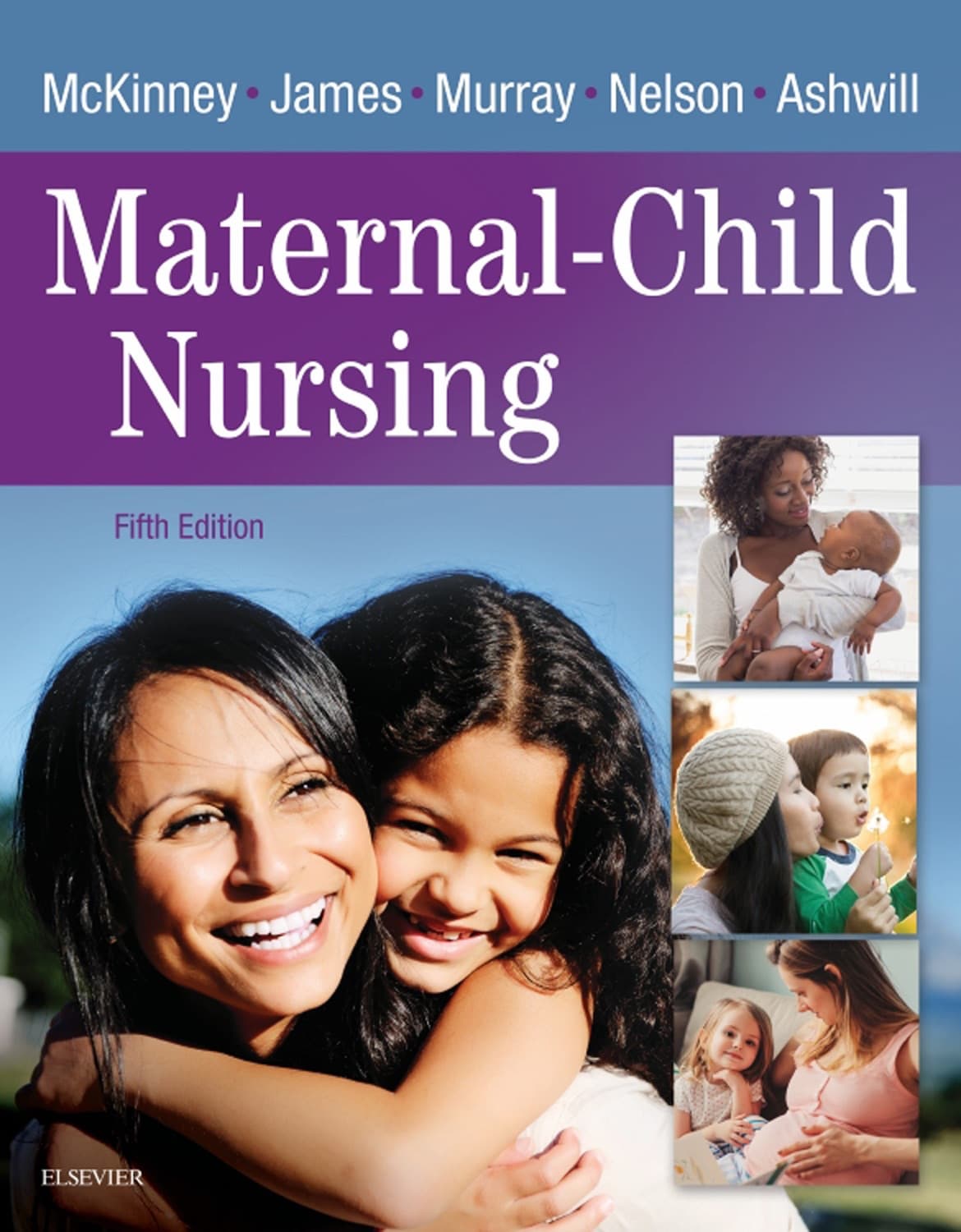
Maternal-Child Nursing
Emily Slone McKinney
Maternal-Child Nursing helps students see maternity and pediatrics as connected systems, where assessment and teaching shape outcomes for families.
Teach and assess together to support family-centered outcomes.
It integrates core maternity and child health concepts so students can carry one consistent approach across the clinical settings they rotate through. For nursing students, that continuity reduces the feeling of switching between unrelated topics.
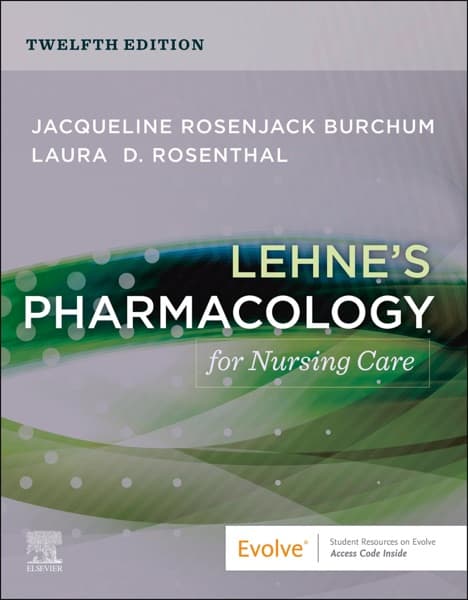
Lehne's Pharmacology for Nursing Care
Jacqueline Rosenjack Burchum, Laura D. Rosenthal
Lehne’s pharmacology shifts drug memorization into nursing decision-making: what the drug does, what to watch, and what to do next.
Monitor outcomes based on drug action, not on labels.
It is tailored to how nurses think at the point of care, helping students connect medications to expected effects and monitoring. That directly supports nursing students who need pharmacology that translates into safe, practical actions.
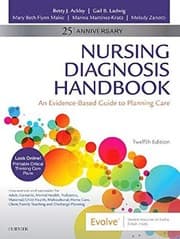
Nursing diagnosis handbook
Betty J. Ackley
This handbook turns nursing diagnoses into actionable care planning by helping you translate assessment data into clear diagnostic reasoning.
Nursing diagnoses are built from assessment cues.
It supports the core clinical workflow students practice in labs and rotations: gather cues, identify the diagnosis, and shape the plan. For nursing students, better diagnosis quality usually means better care plans and more confident documentation.
Health assessment in nursing
Janet R. Weber, Jane Kelley
Health assessment in nursing changes the way you walk into rooms: you learn to structure observation so findings become evidence, not guesswork.
Use systematic assessment to turn observations into evidence.
It emphasizes systematic head-to-toe assessment skills students need for competency and confidence. That structure matters when you have to capture accurate data that later drives nursing diagnoses and interventions.
Use nursing actions tied to anticipated complications.
Nursing as caring
Anne Boykin, Savina O., Ph.D. Schoenhofer
Nursing as caring helps you name what professionalism feels like: practice shaped by intentional presence, not just task completion.
Caring is a defining form of nursing practice.
It grounds nursing identity in caring theory, which can help students sustain motivation and ethical focus when training gets technical. For nursing students, that emotional and philosophical anchor supports consistency between exams, skills, and bedside behavior.
From Novice to Expert
Patricia E. Benner
From Novice to Expert teaches you what changes as skill grows: experience replaces rule-following with judgment based on patterns.
Expertise becomes pattern recognition, not rule-checking.
Benner’s framework helps nursing students understand their own progression so early uncertainty becomes part of the learning arc. That matters when clinical training feels like you are relying on rules at first and then gradually learning to think like a nurse.
Can we tailor this list for you?
Type your question in the bar below and the AI will tailor a fresh set of picks just for you.