Best Books on How to scale an SMB
Scaling Up by Verne Harnish and Traction by Gino Wickman turn “growing pains” into an operating system and execution cadence, so an SMB scales through focus, accountability, and clear numbers.
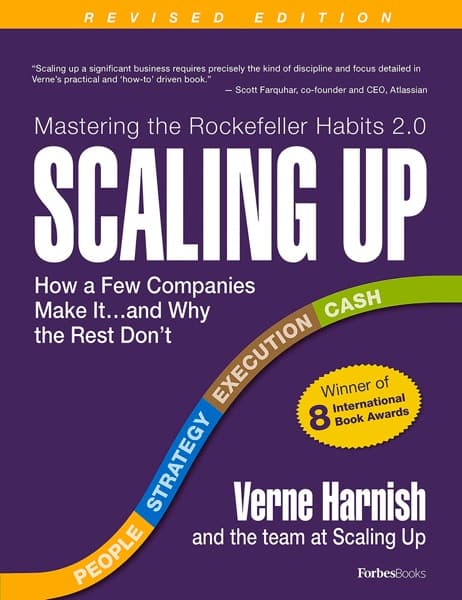
Scaling Up
Verne Harnish
After Scaling Up, your company runs on a shared scorecard, not on who shouts loudest in the meeting.
Use the 4 Disciplines: focus, alignment, execution, profit.
It translates growth into recurring management rhythms across people, strategy, execution, and cash. That matters for SMB scaling because it replaces founder improvisation with a repeatable operating cadence.
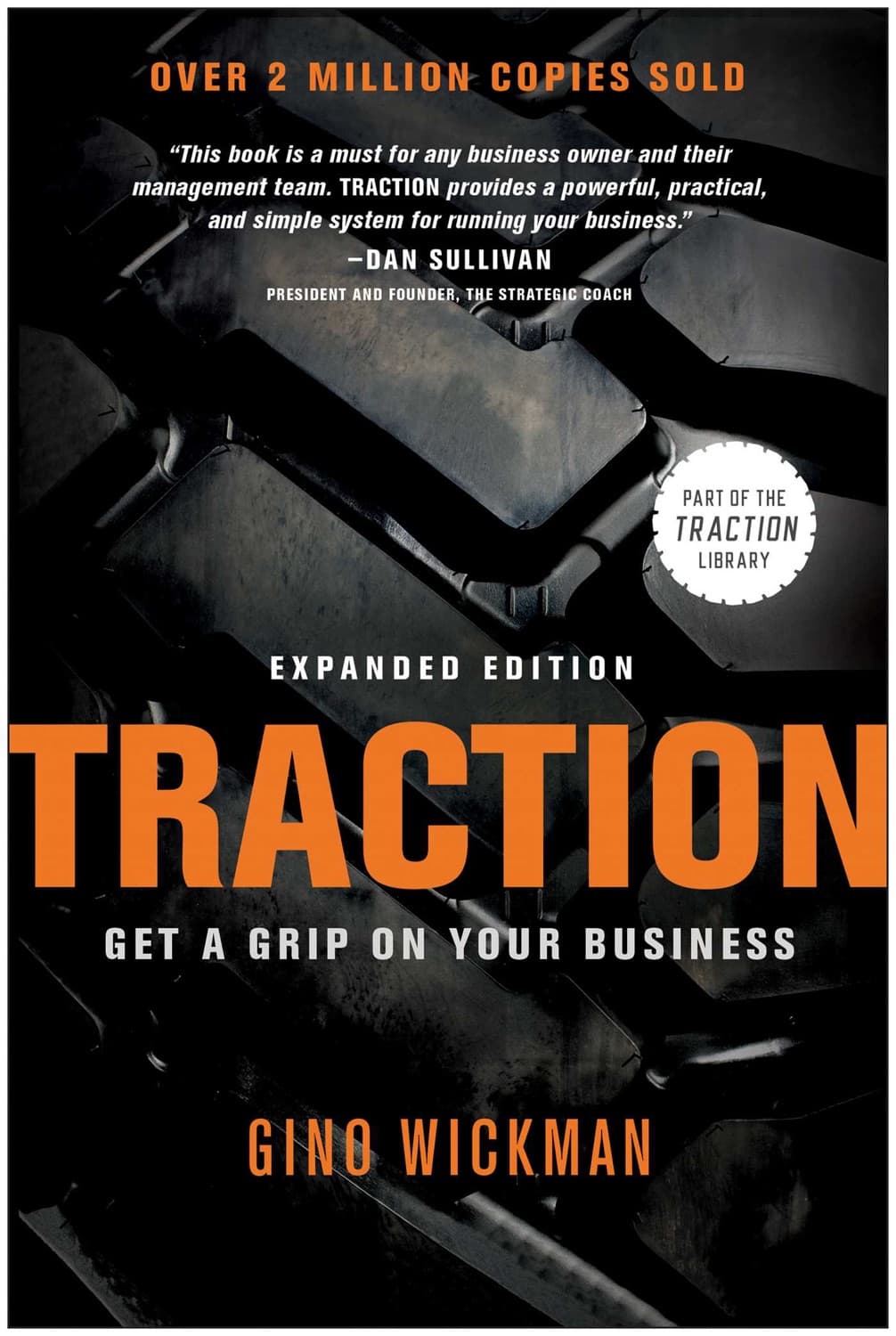
Traction
Gino Wickman
Traction makes your company’s progress visible by forcing teams to manage execution, not just strategy.
EOS uses rocks, scorecards, and accountability.
It installs an accountability system built around roles and routines that keep initiatives from stalling. For scaling an SMB, that means fewer “we meant to” projects and more measurable movement toward outcomes.
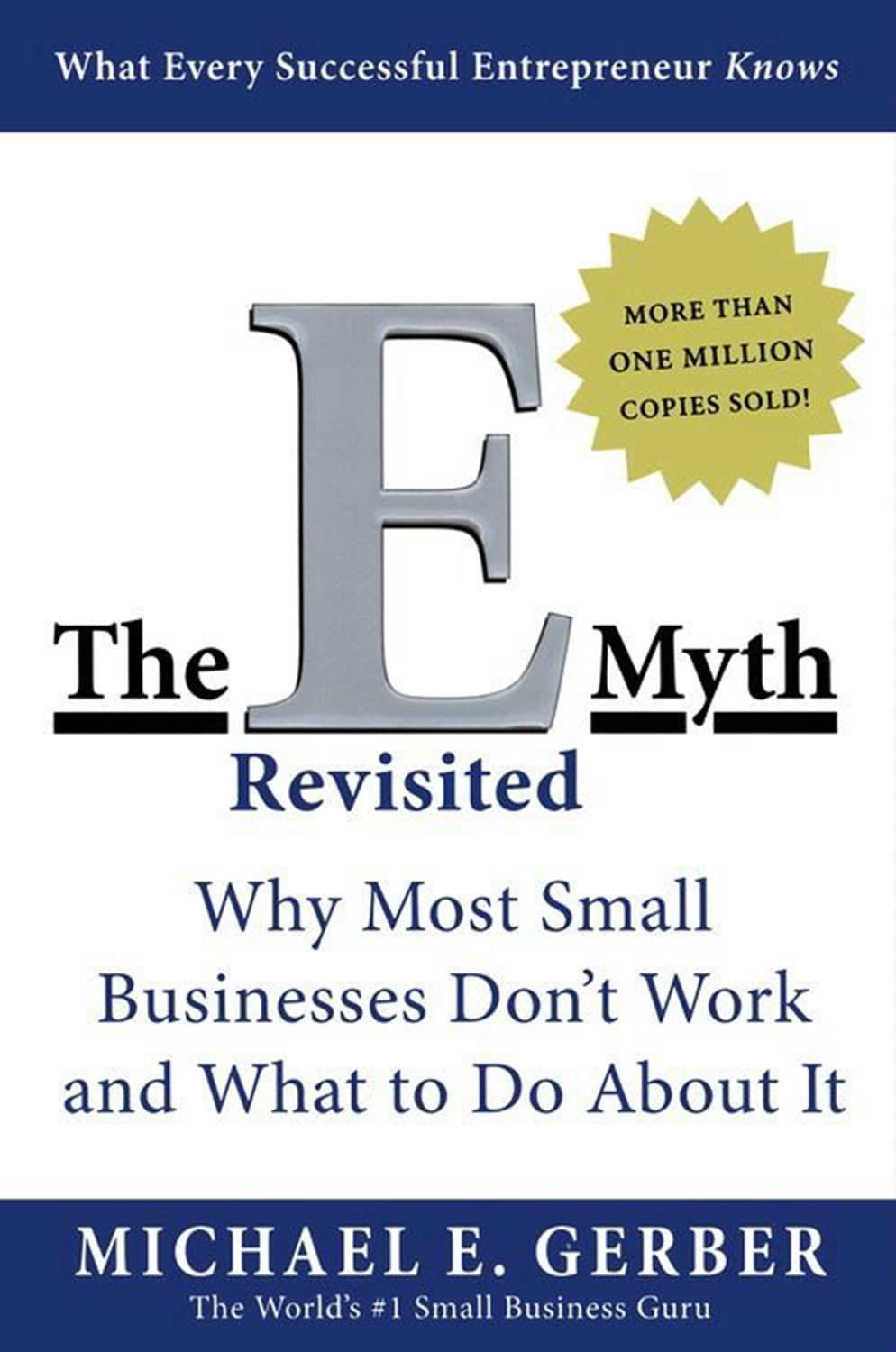
The E-Myth Revisited
Michael E. Gerber
E-Myth Revisited shifts the mindset from “working in the business” to designing a business that can work without you.
Build the system: work on it, not just in it.
It challenges the owner-dependent model and pushes you to build systems that produce consistent delivery. That lens is crucial when scaling an SMB, because founder bottlenecks quietly cap growth.
Good to Great
Collins, James C., Jim Collins
Good to Great reframes growth as a disciplined transformation, where the right company gets the right results through consistent principles.
Get the right people on the bus, then create the conditions.
It emphasizes what separates sustained performance from temporary wins, grounded in leadership behaviors and strategic clarity. For scaling an SMB, the value is a reality check: focus beats hype when you try to grow.
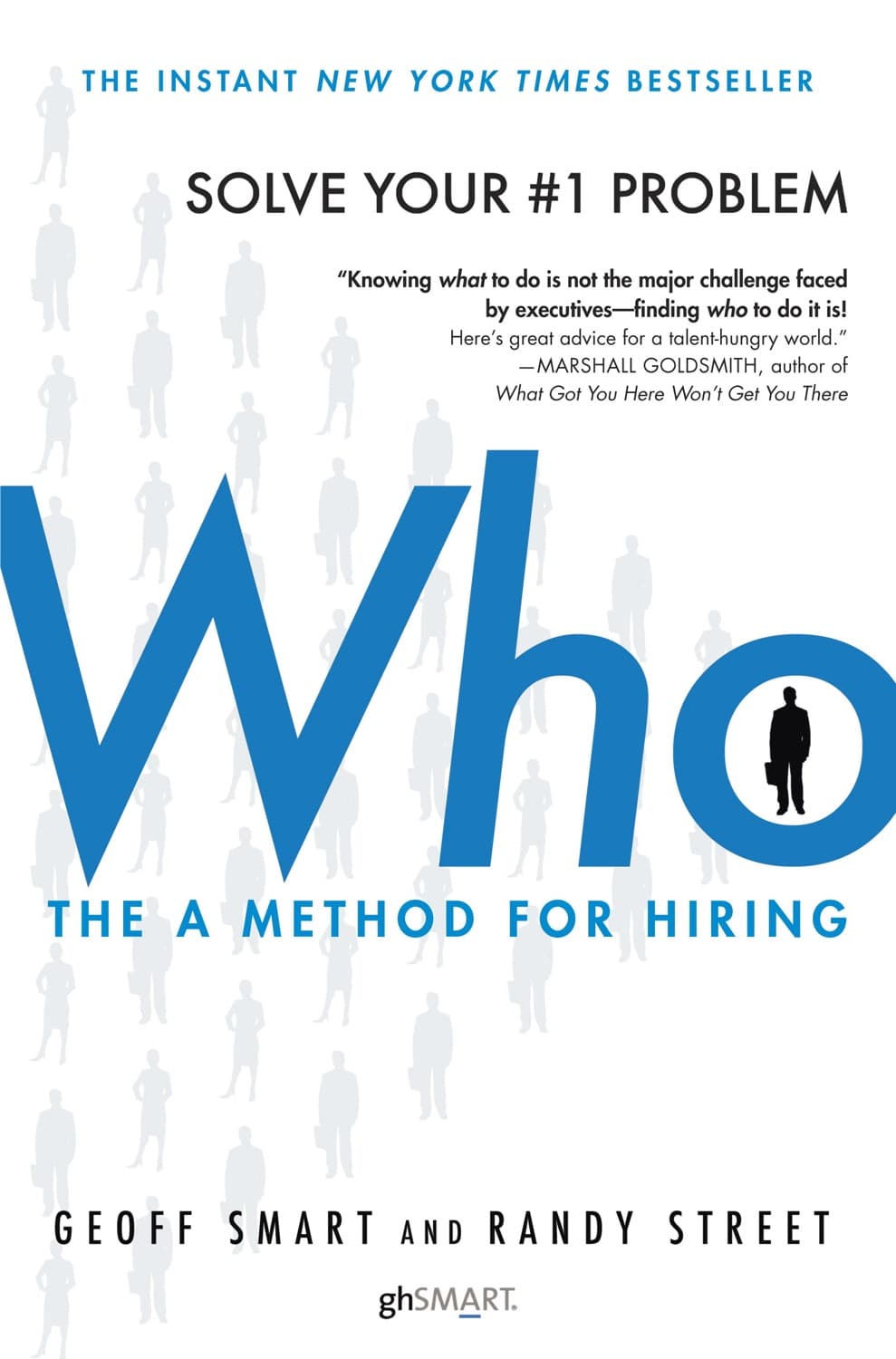
Who
Geoff Smart, Randy Street
Who turns hiring from a gamble into a structured process that catches mismatches before they cost you growth.
Clarify what “great” looks like before interviews.
It gives practical methods for attracting, evaluating, and fitting the right people as the team expands. For SMB scaling, better hiring reduces churn, protects execution, and prevents capacity from collapsing under avoidable misfires.

The Goal
Eliyahu M. Goldratt, Jeff Cox
The Goal teaches you to manage by constraints, so scaling stops being about doing more and starts being about removing the bottleneck.
Every system has a constraint that drives performance.
Its constraint-driven thinking helps leaders identify what limits throughput and address it systematically. When an SMB scales, bottlenecks multiply fast, and this book provides a memorable lens to find the real limiter.
EOS uses rocks, scorecards, and accountability.
Simple Numbers, Straight Talk, Big Profits!
Greg Crabtree, Beverly Herzog
Simple Numbers gives you a financial operating language that makes profit drivers obvious instead of mysterious.
Profit = revenue minus costs, tracked through usable metrics.
It focuses on how to manage the numbers that actually control profitability and sustainability. For scaling an SMB, clear metrics prevent growth from turning into cash strain.
Profit First
Mike Michalowicz
Profit First changes growth behavior by making profit a priority in your cash flow, not an afterthought.
Pay profit first using separate accounts.
It introduces a cash management system that separates money into buckets so operations do not starve profitability. For SMB scaling, that discipline helps you expand without repeating the “we grew but we suffered” pattern.
Can we tailor this list for you?
Type your question in the bar below and the AI will tailor a fresh set of picks just for you.