Best Books on Venture Capital
Venture capital is part deal craft, part decision psychology. These books run from the mechanics of a term sheet to how firms actually underwrite risk, so you pick up both the craft and the judgment.
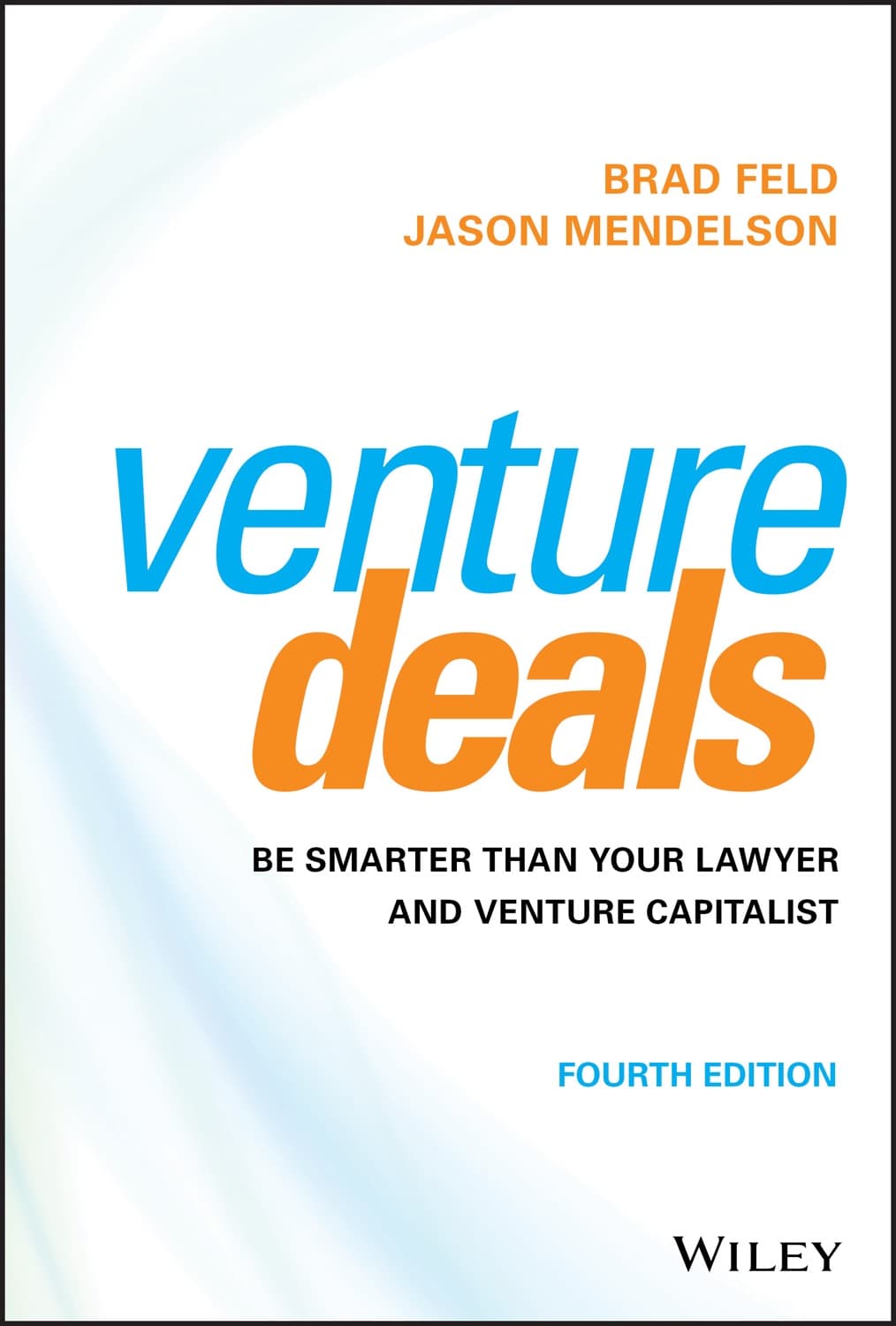
Venture deals
Brad Feld
You will be able to read a term sheet like a contract map: every clause points to a different power balance later.
Model the downside before you debate valuation.
Feld translates venture finance into plain mechanics without pretending the details do not matter. That fits VC study because better investing starts with understanding what you are actually buying through structure, not just valuation talk.
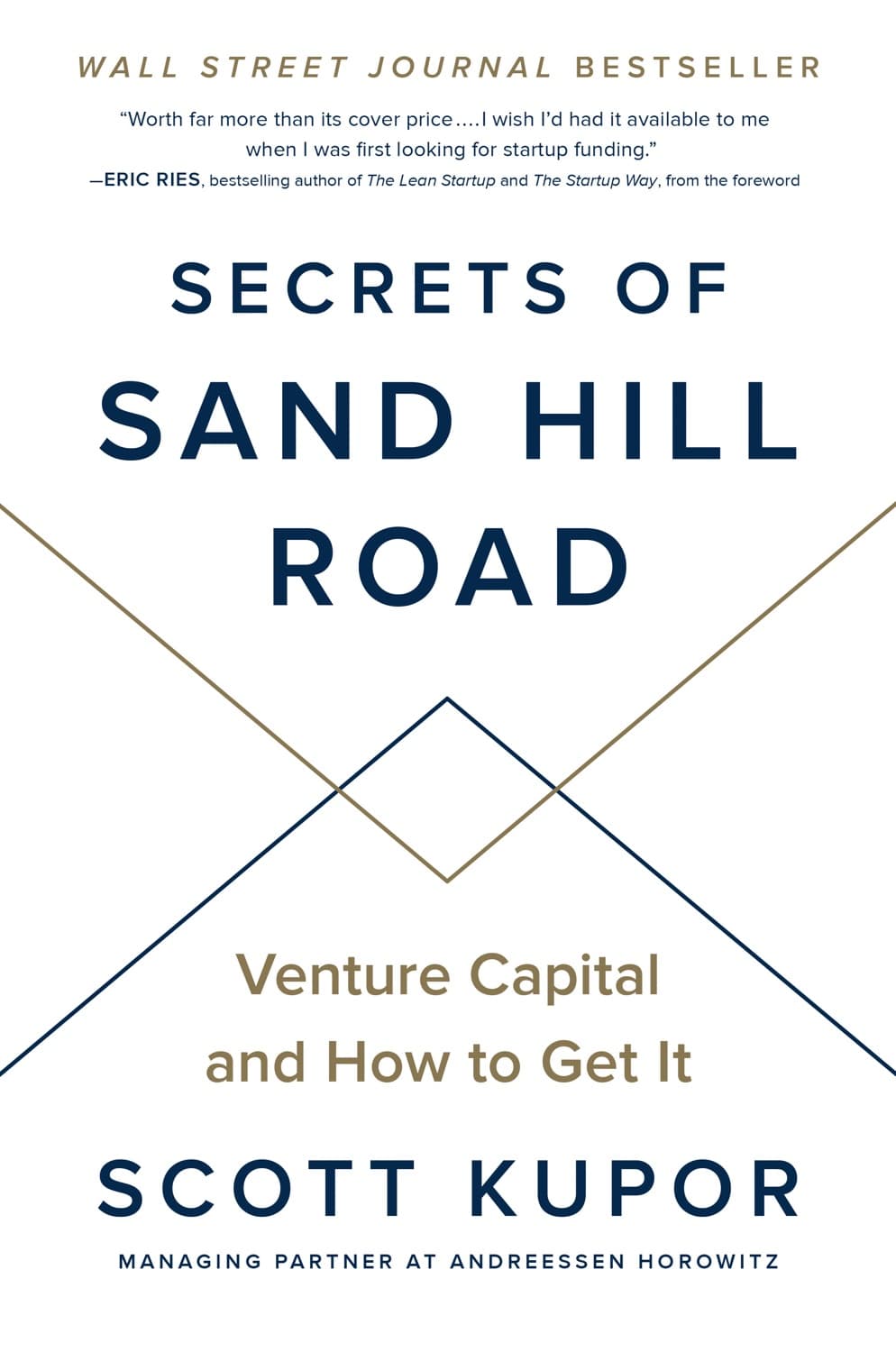
Secrets of Sand Hill Road
Scott Kupor
You learn how professional investors kill deals: the reasoning often sounds more like pattern recognition than market optimism.
Great teams still lose without a clear decision path.
Kupor demystifies partner-level thinking and replaces vague “traction” talk with the questions firms keep asking. That matters when you want to predict what gets funded and why, not just how financing works on paper.
The Power Law
Sebastian Mallaby
Venture returns follow a math-shaped distribution: most outcomes look poor until a few outliers dominate the whole story.
Design for outliers, not averages.
Mallaby gives you the economic lens behind VC behavior, including why firms optimize for portfolio skew rather than average outcomes. For venture capital, this reframes strategy from “find winners” into “build a process that survives many failures.”
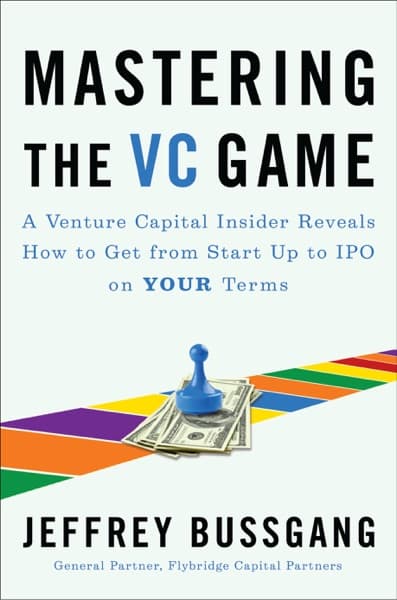
Mastering the VC Game
Jeffrey Bussgang
You get a playbook for turning investor uncertainty into an efficient fundraising narrative.
Narrate the future with measurable proof points.
Bussgang focuses on relationships and communication, not just deal terms, which is what most founders experience as the real VC game. Even as an investor, you sharpen your ability to see how your signals land, how diligence conversations evolve, and where deals stall.
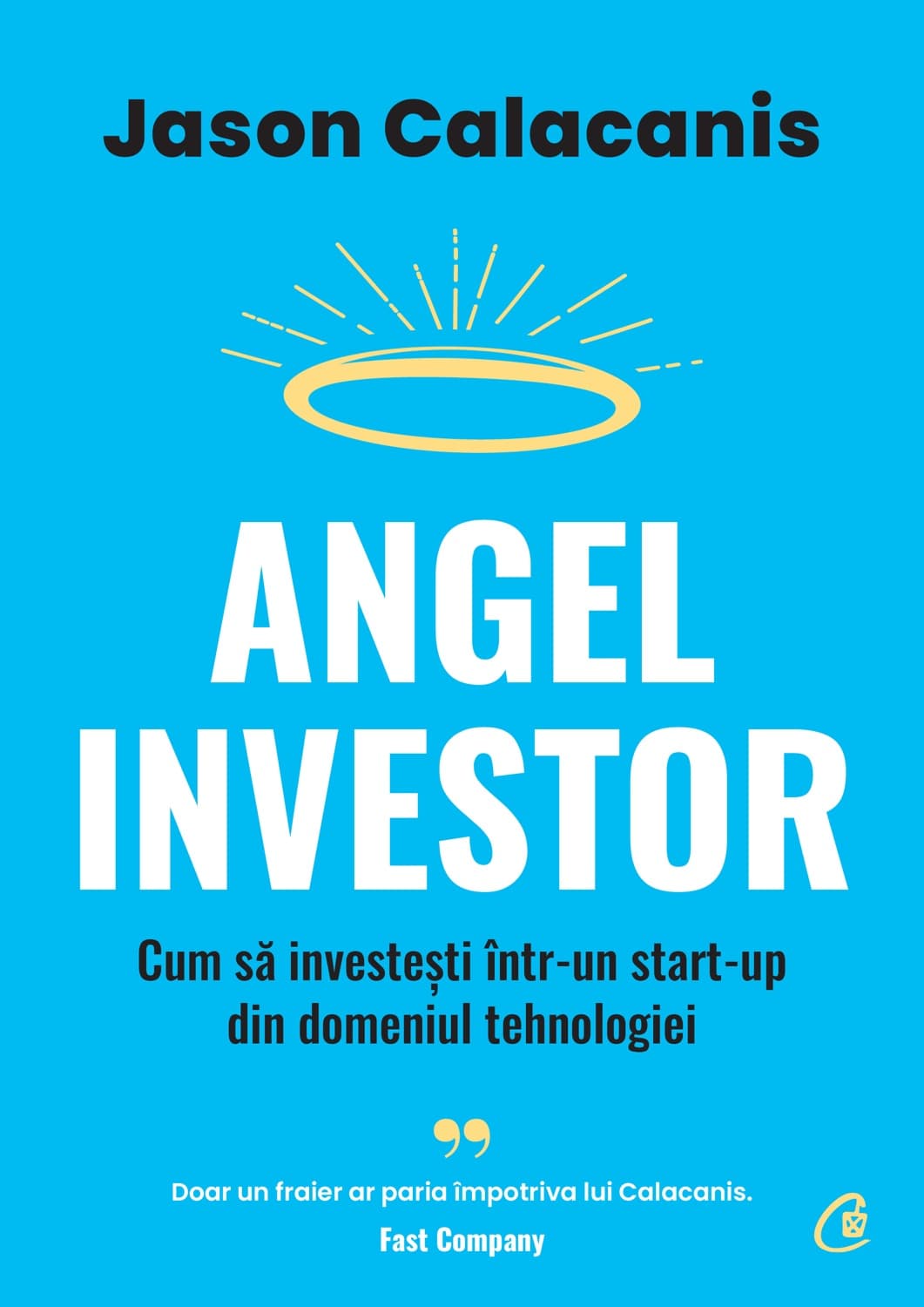
Angel
Jason Calacanis
Angel investing is portrayed as a momentum sport: the speed and quality of your feedback loop shape your outcomes.
Write a simple thesis before you chase deals.
Calacanis brings an approachable, practitioner tone that helps you understand early-stage dynamics and investor psychology from the outside-in. That helps if you want to think like an investor before you think like a fund, especially around first principles for evaluating founders.
The Business of Venture Capital
Mahendra Ramsinghani
You will see the hidden operations of VC: sourcing, diligence, and portfolio support are a system, not a sequence of clever bets.
Pipeline quality beats deal volume over time.
Ramsinghani covers how firms build pipeline, run diligence, negotiate, and manage portfolios as repeatable processes. That matters for venture capital because your edge often sits in execution quality and decision hygiene, not in storytelling.
Great teams still lose without a clear decision path.
Creative Capital
Spencer E. Ante
Intel’s corporate venture strategy shows how a “strategic CVC” can drive technology paths, not only financial returns.
Strategic value can justify funding beyond ROI timing.
Ante’s corporate-venture lens widens how you define “value” in early-stage investing, beyond equity economics. For venture capital, it teaches a complementary mode: aligning investments with product and platform learning when the market is still forming.
VC
Tom Nicholas
You trace venture capital’s roots and discover how different the culture is from the myth of Silicon Valley origin stories.
Culture evolves: processes outlast hype cycles.
Nicholas adds historical context that prevents shallow pattern copying, especially when you are tempted to treat today’s VC norms as inevitable. That perspective helps you spot what is durable about venture investing and what is just era-specific branding.
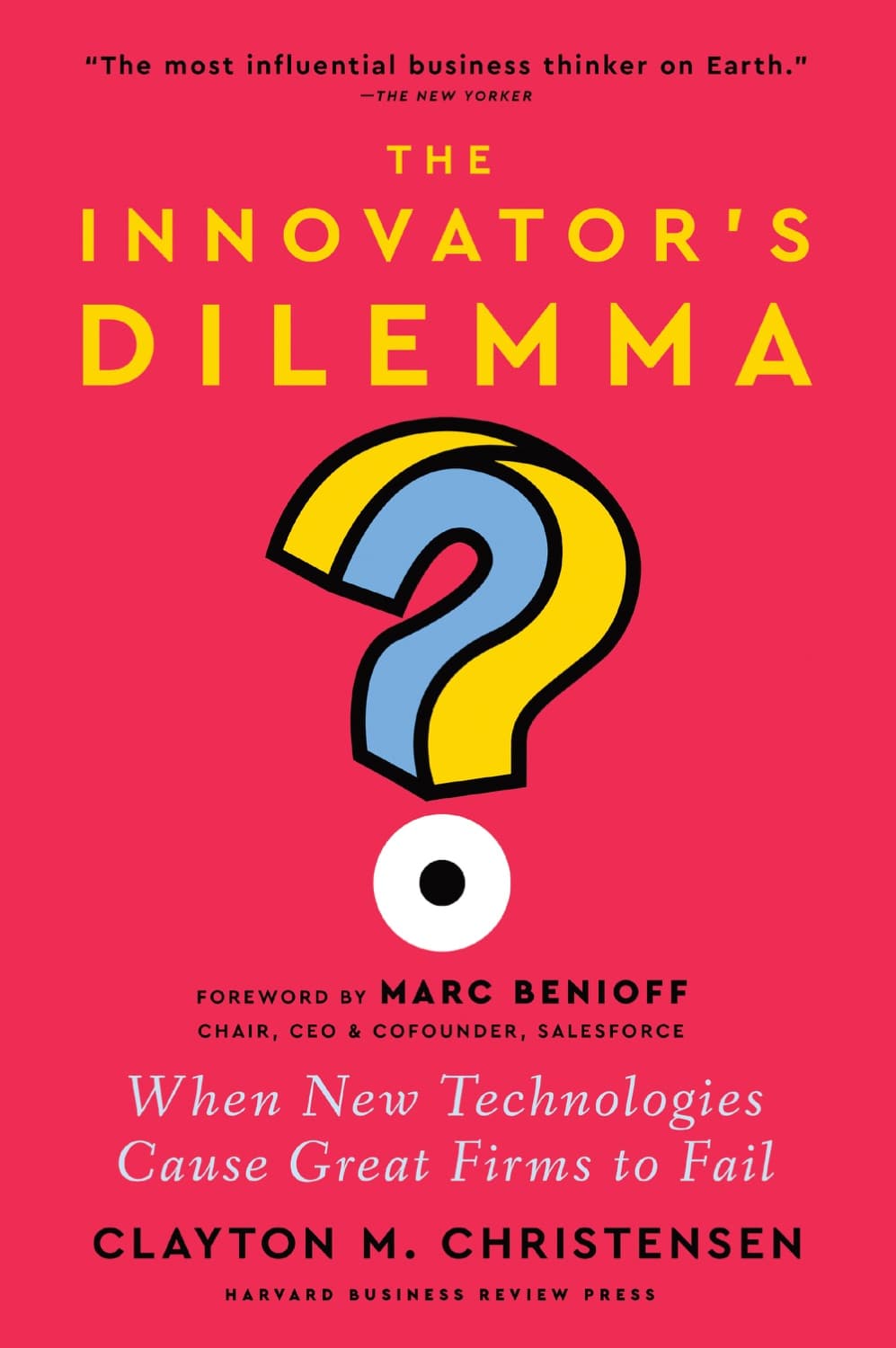
The Innovator's Dilemma
Clayton Christensen
Disruptive products win because their early customers do not value incumbents’ best features.
Incumbents lose by listening to their best customers.
Christensen gives you a framework for anticipating why established firms fail: they over-serve their most profitable customers while missing new demand. That is directly useful for VC because you fund the transition, so you need an early lens for disruptive adoption curves and incentives.
Can we tailor this list for you?
Type your question in the bar below and the AI will tailor a fresh set of picks just for you.