Best Books for Launching and Running a Small Business
Launching a small business means wearing every hat at once, from finance to operations to sales. These books cover the founder's real job: building systems that run without you, managing cash so the doors stay open, validating demand before you overbuild, and deciding how big you actually want to grow.
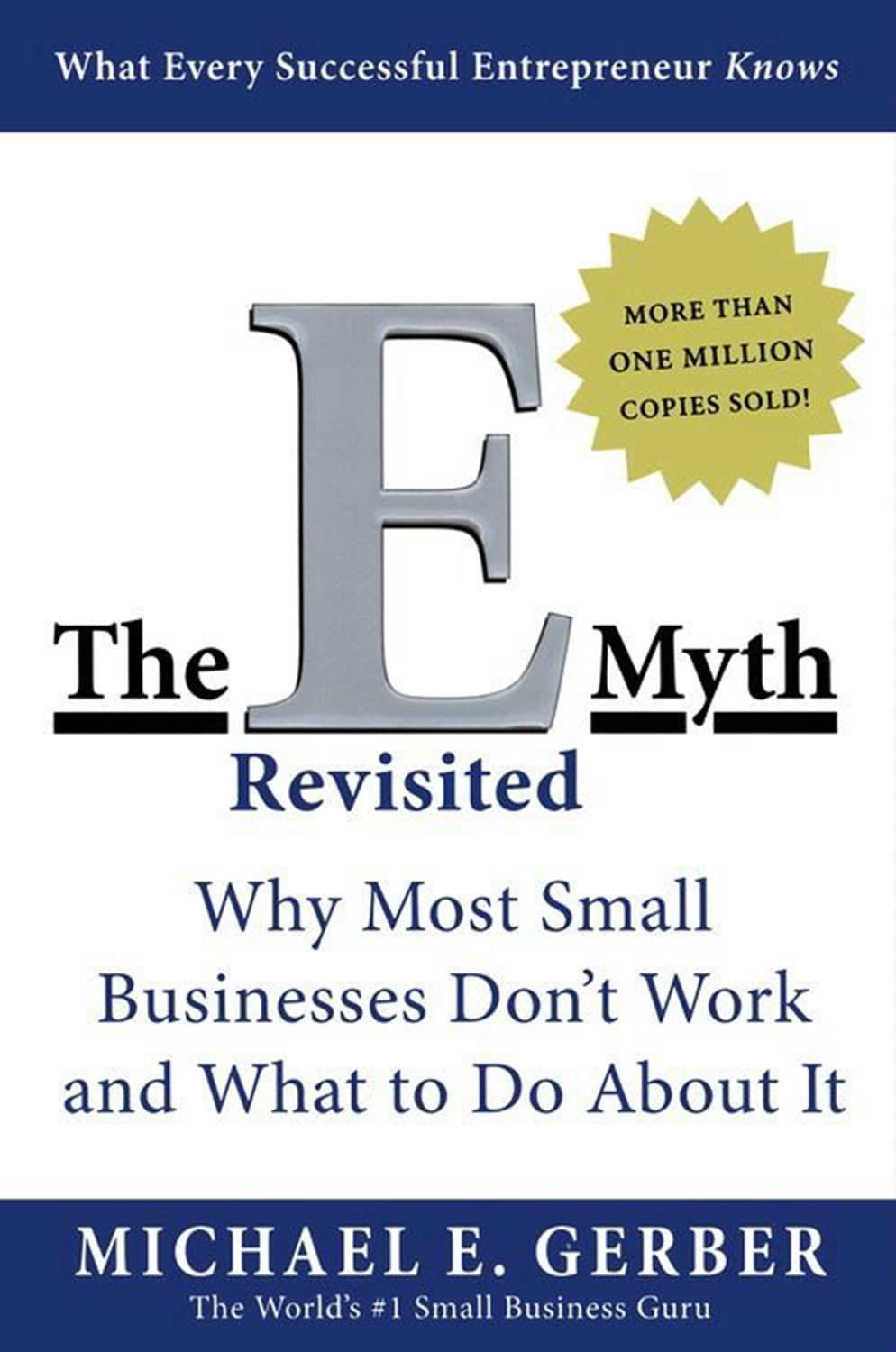
The E-Myth Revisited
Michael E. Gerber
Why most small businesses fail, and the systems mindset that saves them.
Build the business as if you plan to franchise it, even if you never will. Documented systems are what let you step away.
Gerber's central insight is that being great at a craft does not make you good at running a business built around it, so he shows how to work on the company as a franchise prototype instead of drowning inside daily tasks.
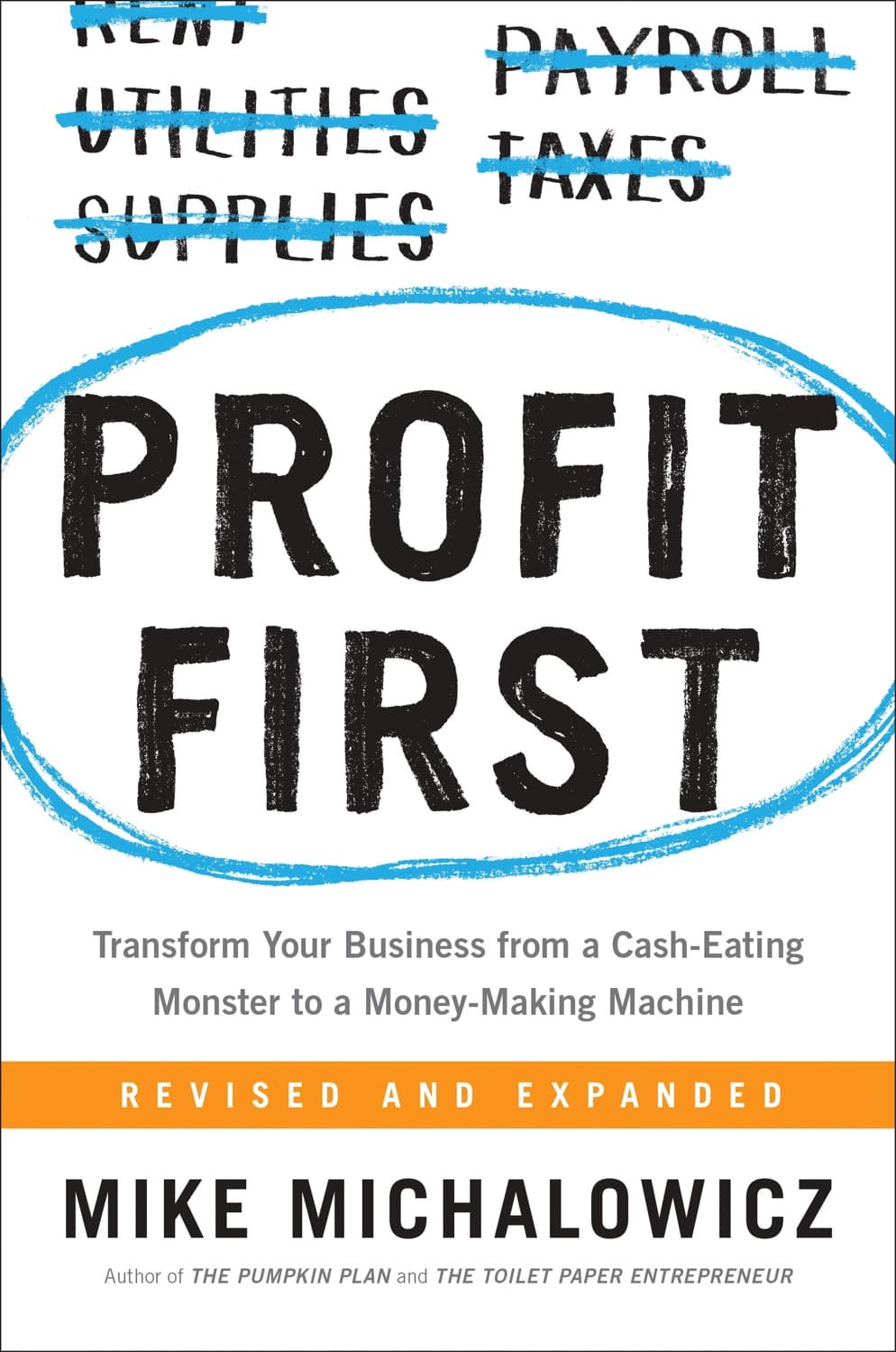
Profit First
Mike Michalowicz
A cash-management system that forces your business to turn a profit.
Open a separate profit account and move a fixed percentage there first. What remains is what you actually have to spend.
Michalowicz flips the standard accounting formula by taking profit off the top before expenses, using separate bank accounts to build discipline so a small business stops running on fumes and confusing revenue with success.
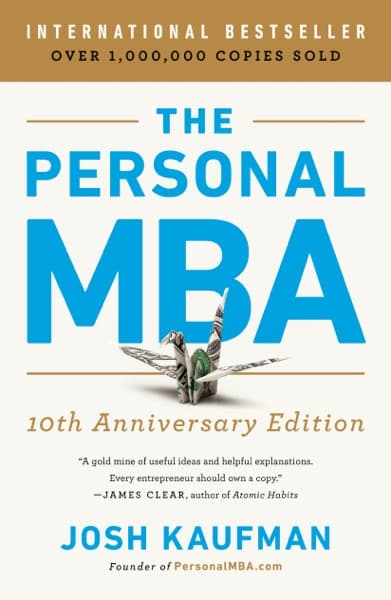
The Personal MBA
Josh Kaufman
A self-taught crash course in every business fundamental that matters.
Every business reduces to five parts: value creation, marketing, sales, delivery, and finance. Weakness in any one sinks the rest.
Kaufman distills value creation, marketing, sales, finance, and human psychology into plain mental models, giving a first-time founder the broad literacy an expensive degree promises without the tuition or the jargon.
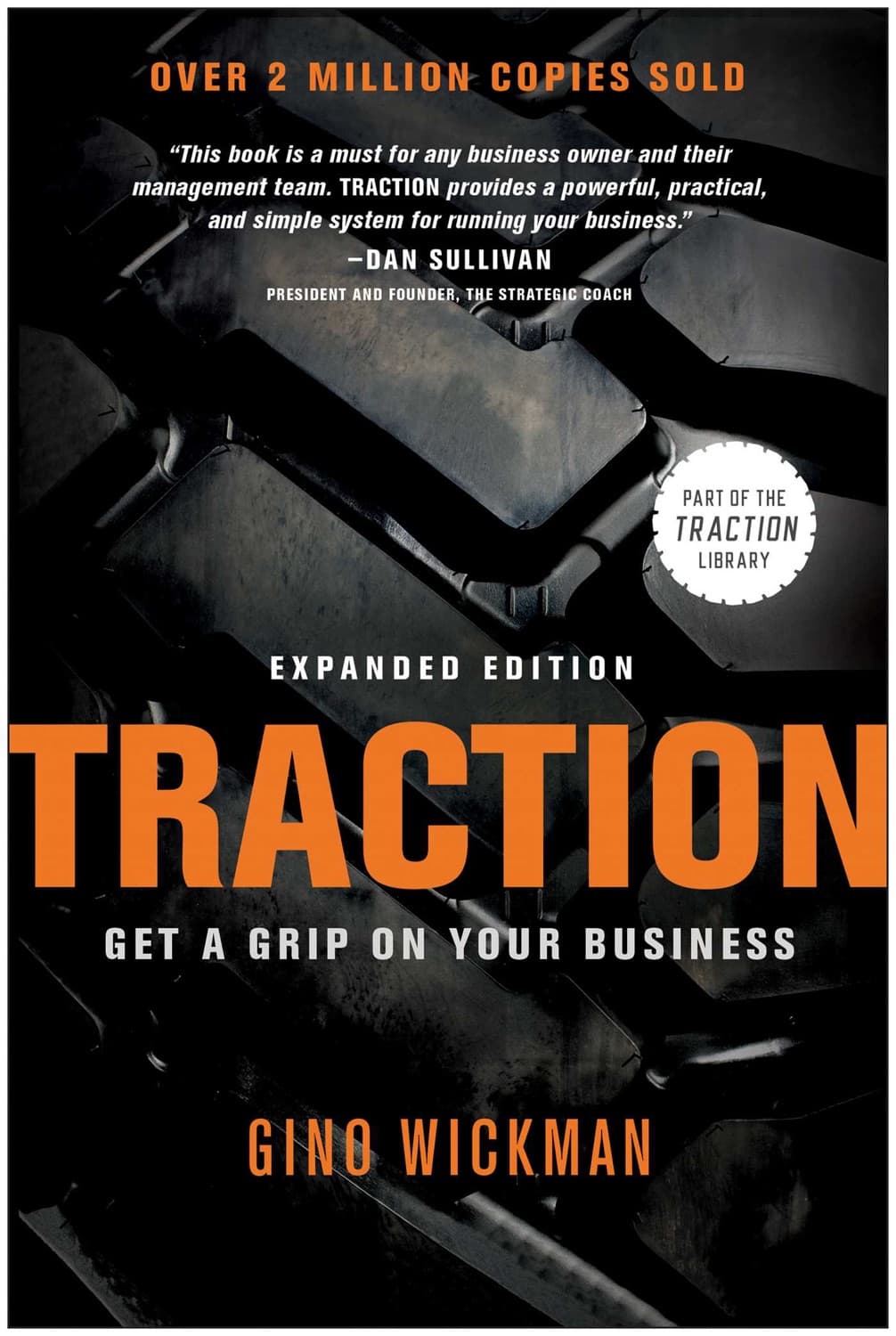
Traction
Gino Wickman
The operating system thousands of small companies actually run on.
Track five to fifteen numbers weekly on a scorecard. A live pulse on the business beats waiting for month-end financials.
Wickman's Entrepreneurial Operating System gives an owner concrete tools for setting a vision, tracking a handful of metrics, and running disciplined meetings, turning a chaotic young company into one that executes on purpose.
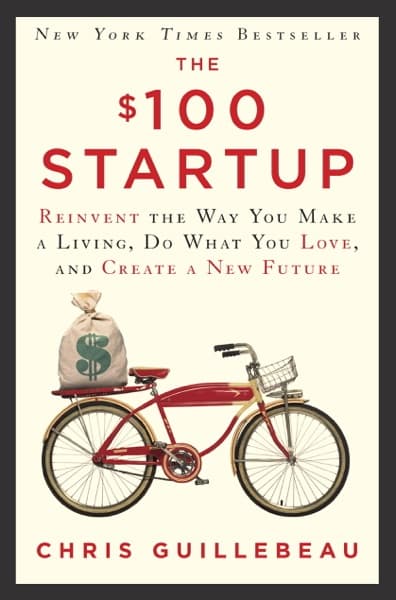
The $100 Startup
Chris Guillebeau
Case studies of real businesses launched on almost no capital.
Do not chase passion blindly. Find the overlap between what you enjoy doing and what a paying market already wants.
Guillebeau profiles dozens of founders who turned a skill into income with minimal investment, extracting a repeatable pattern for matching what you are good at with what people will actually pay money for.
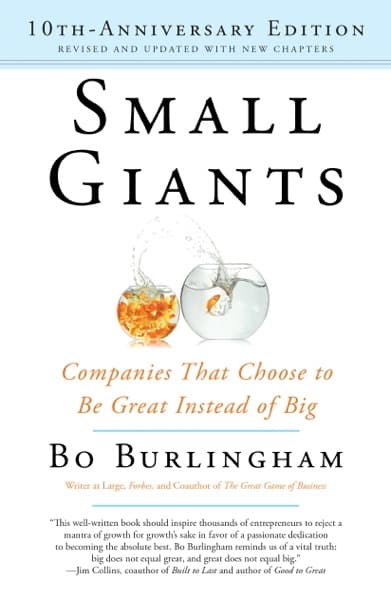
Small Giants
Bo Burlingham
The overlooked case for staying small on purpose.
Growth is a choice, not a mandate. Deciding how big to become is one of the most important decisions an owner makes.
Burlingham profiles privately held companies that turned down rapid growth to protect their culture, quality, and independence, offering a counter-model for founders who assume scale is the only real definition of success.
Open a separate profit account and move a fixed percentage there first. What remains is what you actually have to spend.
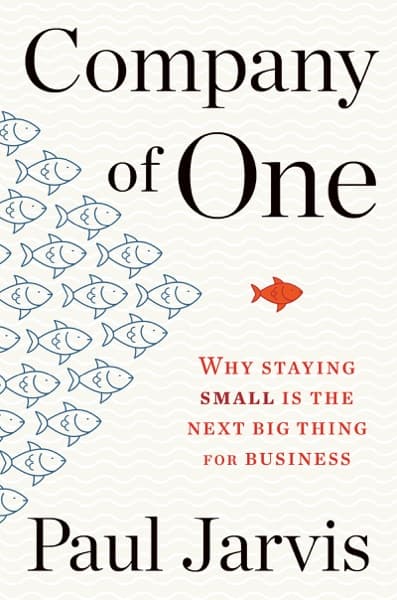
Company of One
Paul Jarvis
Why staying small can be the smartest growth strategy.
Ask what would actually break if you stayed small. Often the answer is nothing except someone else's expectations.
Jarvis argues that questioning growth rather than assuming it lets a solo operator or tiny team build a resilient, profitable business with less overhead, fewer employees, and far more control over their time and their work.
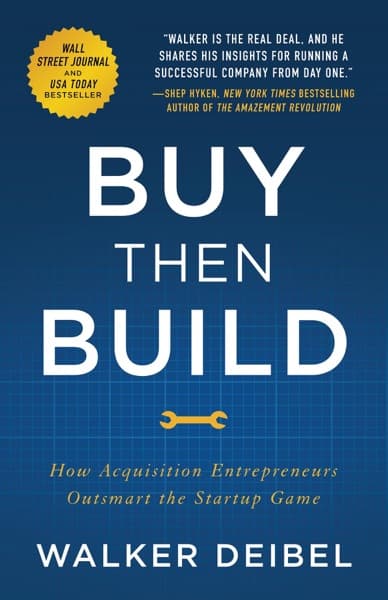
Buy Then Build
Walker Deibel
Skip the startup gamble and acquire a profitable business instead.
Buying an established business means inheriting customers and revenue on day one, sidestepping the riskiest phase of a launch.
Deibel makes the case for acquisition entrepreneurship, walking through how to find, evaluate, and buy an existing small business with cash flow already in place rather than starting from zero and hoping demand appears.
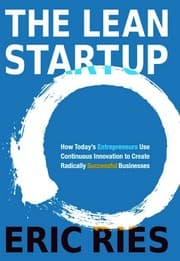
The Lean Startup
Eric Ries
Test demand before you build the thing nobody wants.
Launch the smallest version that tests your riskiest assumption. Customer behavior, not a business plan, reveals the truth.
Ries introduces validated learning and the build-measure-learn loop, teaching founders to release a minimum viable product and let real customer behavior, not opinion, decide what to build next and what to cut.
Can we tailor this list for you?
Type your question in the bar below and the AI will tailor a fresh set of picks just for you.