Best Books on Startup Stories
The founding sagas behind Amazon, Nike, Google, and Twitter read like adventure stories. Brad Stone's The Everything Store, Phil Knight's Shoe Dog, and Nick Bilton's Hatching Twitter trace how a few people turned an idea into a company that changed daily life.
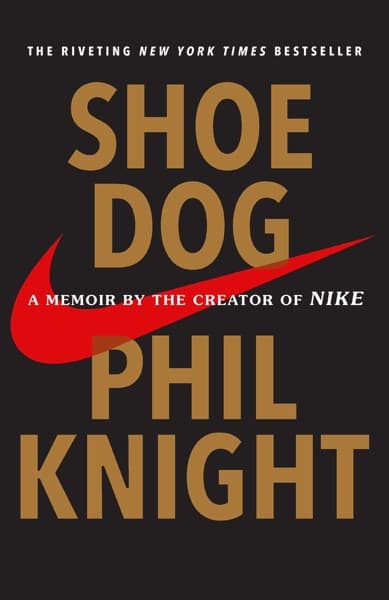
Shoe Dog
Phil Knight
Phil Knight sold running shoes from the trunk of his car before Nike had a name or a swoosh.
Early survival often hinges on cash flow, not vision.
Knight's memoir traces Nike from a 1960s importing side hustle to a global brand, with the cash crises and partnerships that almost sank it. It reads like a novel and works for anyone curious about building something from nothing, no business background needed.
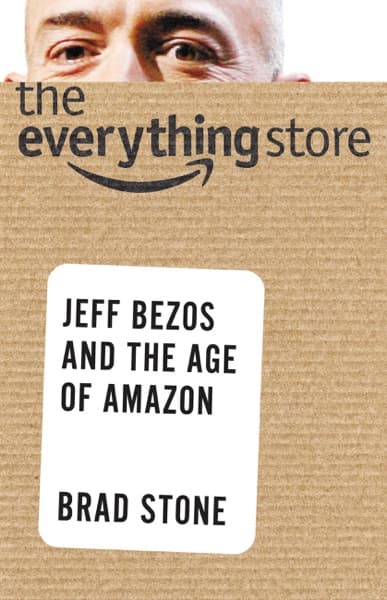
The Everything Store
Brad Stone
An online bookstore became the company that wanted to sell everything to everyone.
Relentless long-term bets can beat short-term profit.
Brad Stone reconstructs Amazon's rise from Jeff Bezos's first warehouse to retail dominance, drawing on interviews with insiders. It is for readers who want the strategy and culture behind one of the most consequential companies of the era.
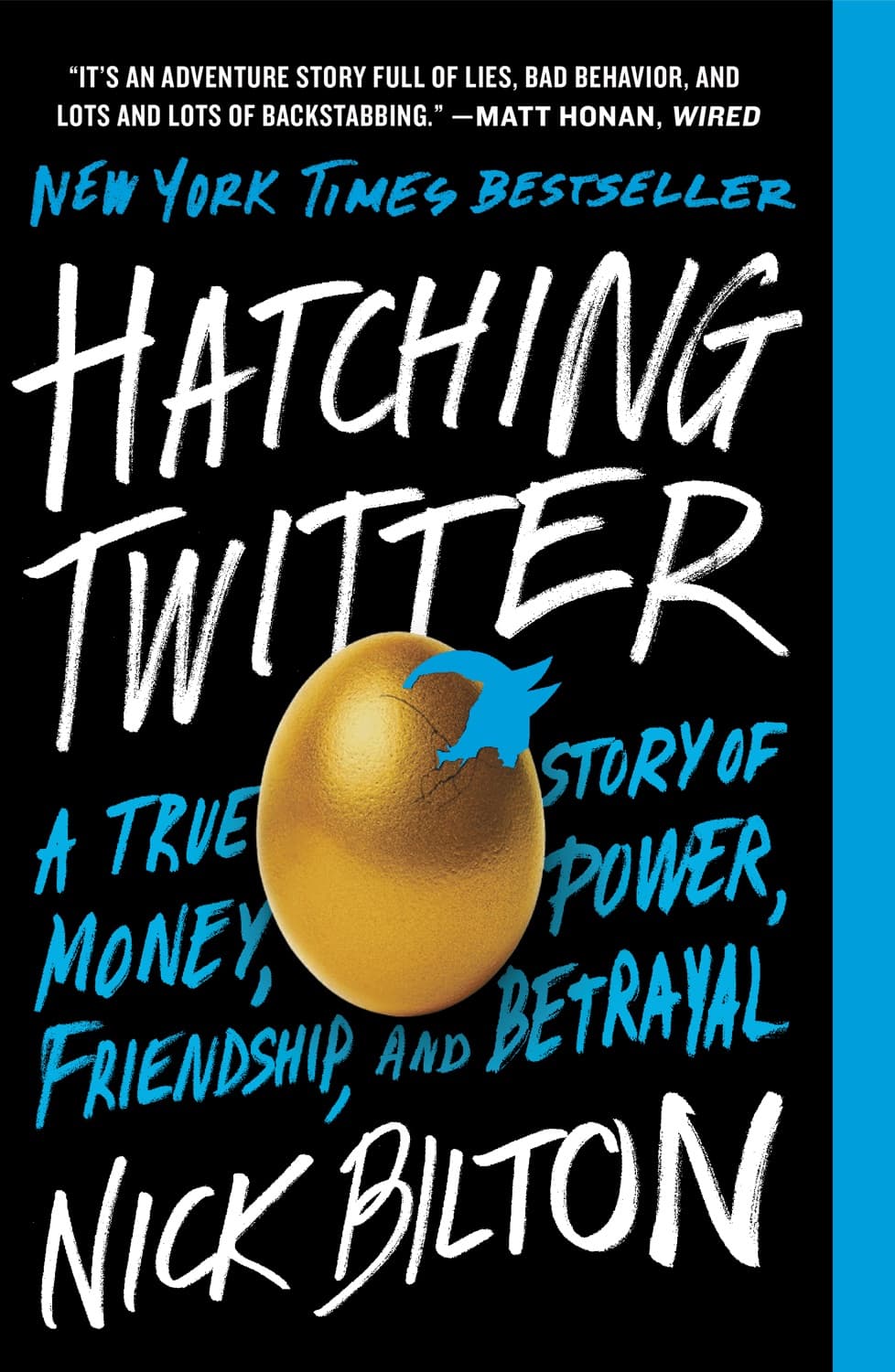
Hatching Twitter
Nick Bilton
Four founders built Twitter and then spent years pushing each other out of it.
Who controls the company matters as much as the idea.
Nick Bilton tells the story of Twitter's creation as a tangle of friendship, ambition, and boardroom betrayal. It is for anyone who wants to see how co-founder conflict can shape a product as much as code does.
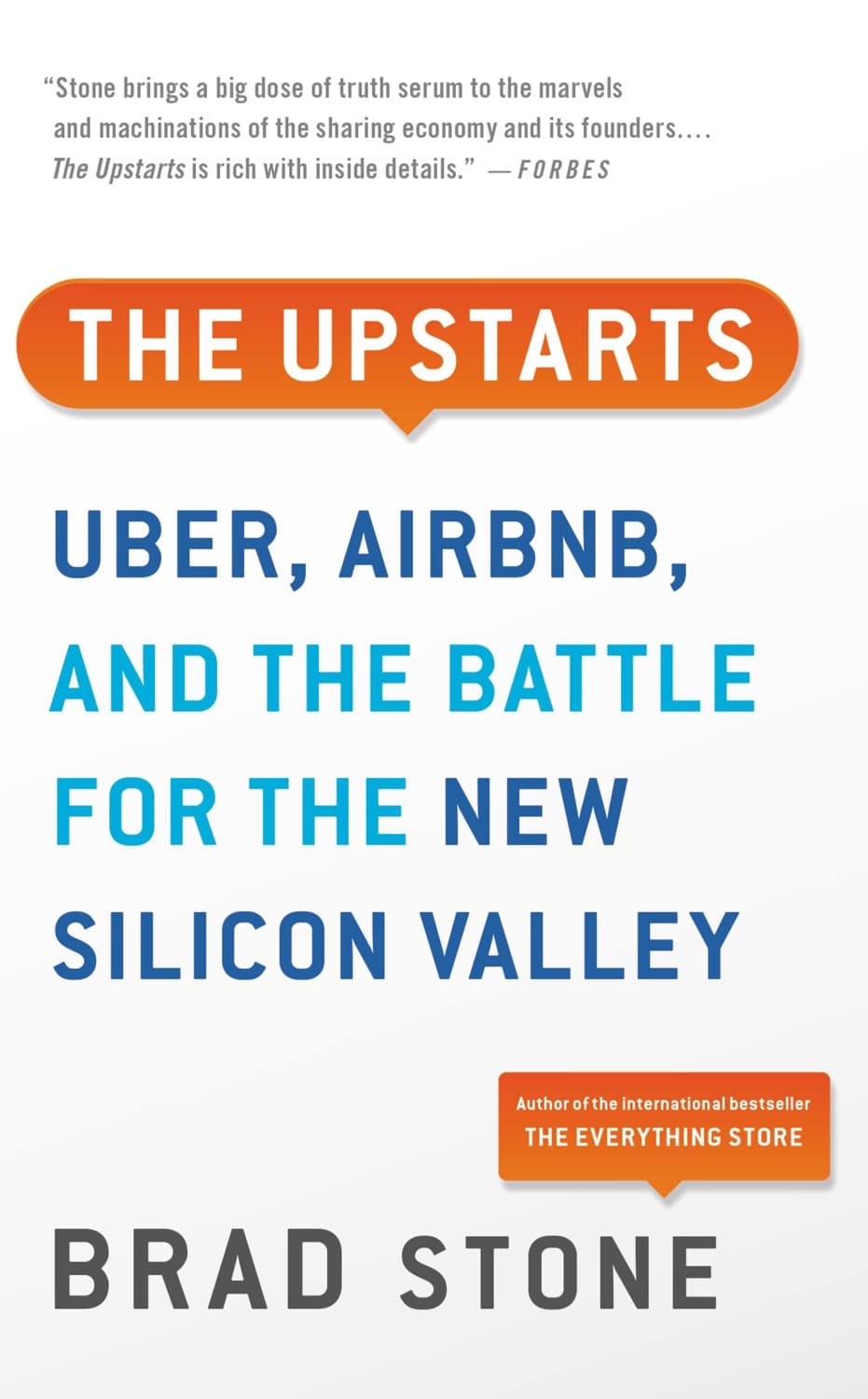
The Upstarts
Brad Stone
Two startups convinced strangers to share their cars and their spare bedrooms.
New markets are often won by ignoring the rulebook.
Brad Stone follows Uber and Airbnb as they fought regulators, investors, and each other to remake travel and transport. It suits readers interested in how aggressive young companies bend cities and rules to their will.
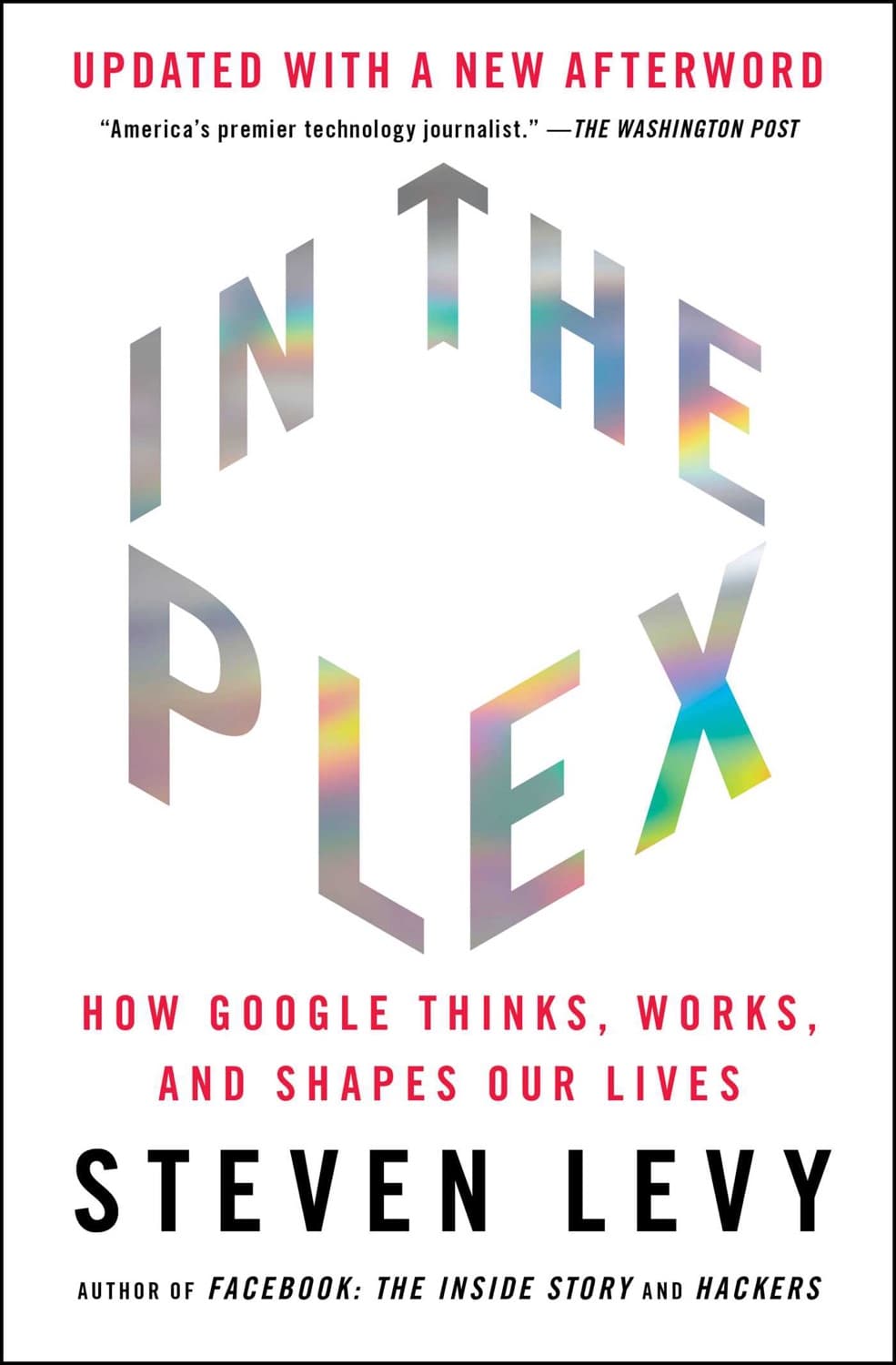
In the plex
Steven Levy
Two Stanford students built a search engine and then a company unlike any other.
Culture and hiring decisions compound over decades.
Steven Levy was given deep access to Google and shows how its engineering culture, hiring, and ambitions took shape. It is for readers who want the inside view of how Google thinks and operates, not just what it launched.
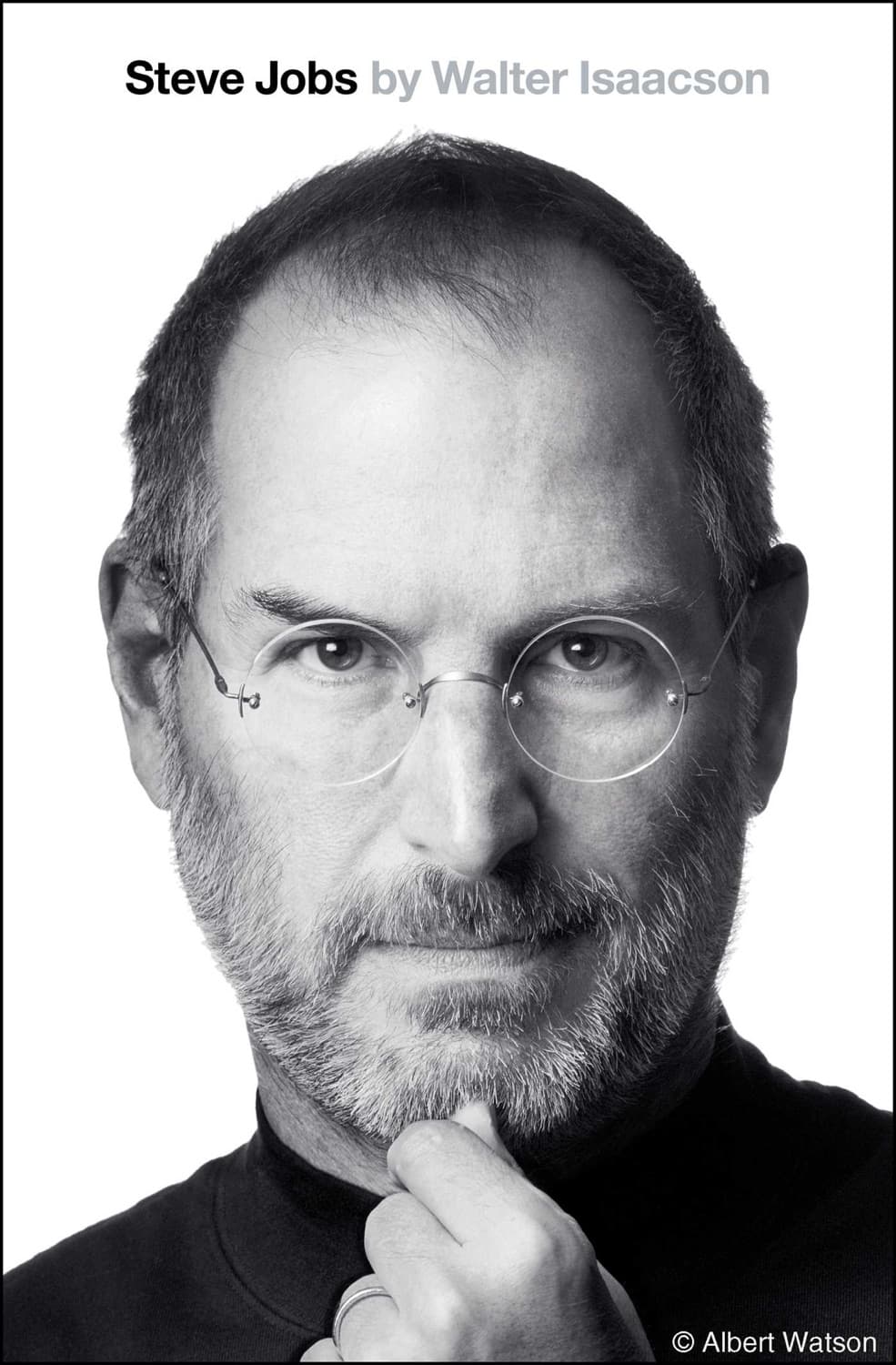
Steve Jobs
Walter Isaacson
A college dropout built Apple, got fired from it, and came back to remake it.
Taste and focus can be a company's core strategy.
Walter Isaacson's biography, based on extensive interviews with Steve Jobs, covers Apple's founding, Jobs's exile, and the products of his return. It is for readers who want the full arc of one of tech's most studied founders.
Relentless long-term bets can beat short-term profit.
The Facebook Effect
David Kirkpatrick, David Kirkpatrick, David Kirkpatrick
A Harvard dorm-room project grew into a network for much of the planet.
Growth was treated as the product's main goal.
David Kirkpatrick had early access to Mark Zuckerberg and traces Facebook from campus site to global platform. It suits readers who want the founding decisions and growth choices behind the social network's early years.
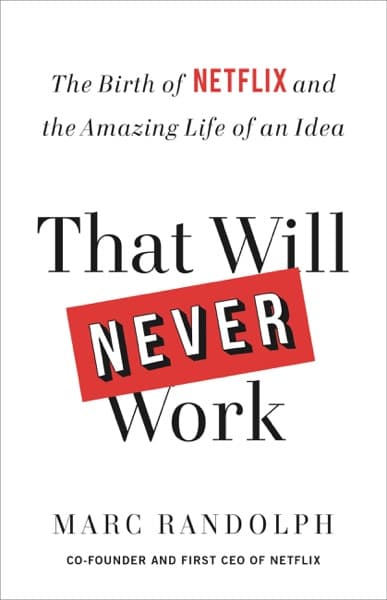
That Will Never Work
Marc Randolph
The idea that would become Netflix was once dismissed as one that would never work.
Most first ideas need to be tested and discarded.
Co-founder Marc Randolph recounts the scrappy early days of Netflix, from DVD-by-mail to finding a business that stuck. It is honest about false starts and useful for anyone weighing whether their own idea is worth pursuing.
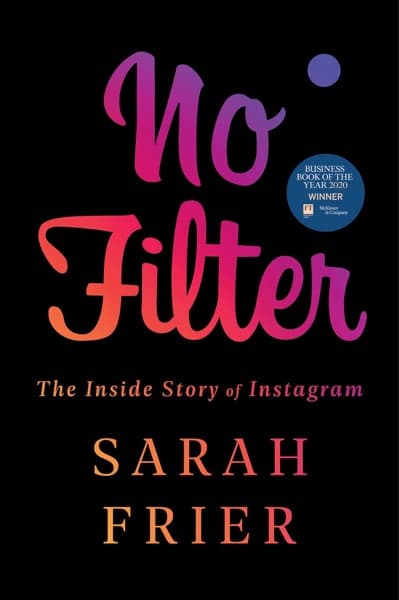
No Filter
Sarah Frier
Instagram went from a tiny photo app to a billion-dollar acquisition in under two years.
Acquisition can fund growth and cost you control.
Sarah Frier reports on Instagram's founding, its sale to Facebook, and the tensions that followed between its founders and their new owner. It is for readers curious about what happens to a startup after a giant buys it.
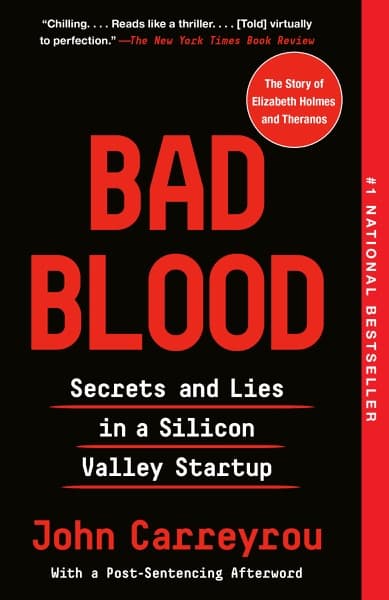
Bad Blood
John Carreyrou
A Silicon Valley darling promised to revolutionize blood testing with technology that did not work.
Hype with no working product eventually collapses.
John Carreyrou, the reporter who broke the story, follows Theranos and founder Elizabeth Holmes from celebrated startup to fraud case. It is the cautionary counterpoint to the success stories, showing how hype and secrecy can outrun reality.
Can we tailor this list for you?
Type your question in the bar below and the AI will tailor a fresh set of picks just for you.