Best Books for Solopreneurs
Solopreneurs win by staying small on purpose, and these books show how. Paul Jarvis makes the case for a company of one, Michael Gerber explains why working on the business beats working in it, and Mike Michalowicz turns cash flow into a system you can run alone.
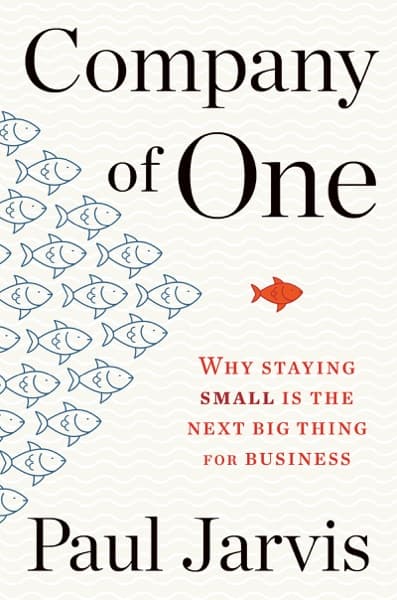
Company of One
Paul Jarvis
A manifesto for the business owner who would rather stay small, free, and profitable than chase endless growth.
Treat growth as a question, not a default.
Paul Jarvis argues that scaling is a choice, not an obligation, and that a deliberately tiny business can be more resilient and more satisfying than a big one. It's for the solopreneur who feels pressure to hire and expand but suspects staying lean is the smarter play. The book is full of real examples of people who capped their size on purpose.
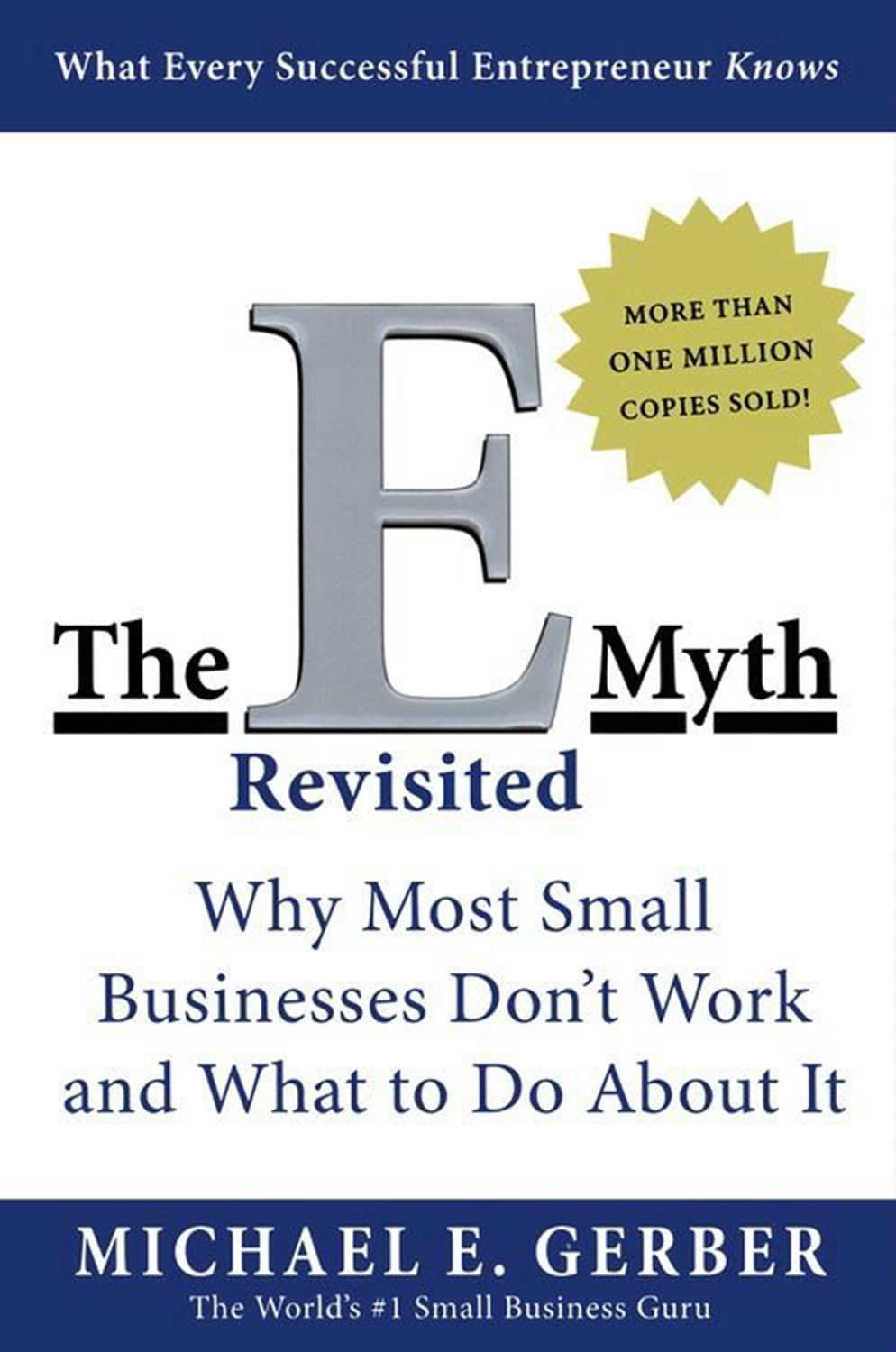
The E-Myth Revisited
Michael E. Gerber
The book that explains why most small businesses fail: the owner is great at the work but terrible at running the company.
Systemize the work so it doesn't depend on you.
Michael Gerber's central lesson is to work on your business, not just in it, by building repeatable systems so the company can run without you doing everything by hand. It's essential for any solo operator who feels trapped doing every task personally. The franchise-thinking framework applies even if you never plan to hire.
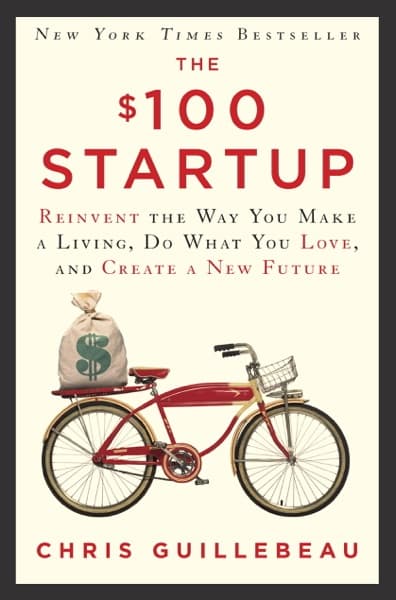
The $100 Startup
Chris Guillebeau
Proof that you can launch a real, income-generating business for a few hundred dollars and a weekend of nerve.
Sell something people already want to buy.
Chris Guillebeau studied dozens of people who built microbusinesses on tiny budgets and distilled what worked into practical steps. It teaches you to match a skill people already pay for with a market that wants it, then launch fast and cheap. Ideal for someone who keeps waiting for the perfect conditions to start.
Rework
Jason Fried, David Heinemeier Hansson
A blunt, contrarian takedown of business-as-usual from a founder who built a profitable company his own way.
Constraints are an advantage, not a problem.
Jason Fried makes the case for fewer meetings, less planning, and shipping small, which fits the solopreneur with no time to waste. Each short chapter challenges a piece of conventional wisdom, from business plans to workaholism. It's the permission slip to run a serious business without bloated overhead.
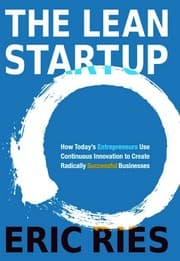
The Lean Startup
Eric Ries
The method that turns building a business from a gamble into a series of cheap, testable experiments.
Test the smallest version before building more.
Eric Ries teaches you to build a minimum viable product, measure how customers respond, and learn before you overinvest. For a solopreneur with limited time and money, this validated-learning loop prevents months wasted on something nobody wants. It's the antidote to building in a vacuum.
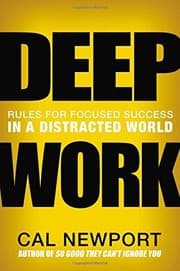
Deep Work
Cal Newport
A case that the rare ability to focus without distraction is the superpower behind every one-person business.
Schedule deep focus before the day fills up.
Cal Newport shows how concentrated, distraction-free work produces results that scattered effort never will, and how to structure your days to get it. When you're the only employee, your output is your business, so protecting deep focus is survival. The book gives concrete routines for guarding your attention.
Systemize the work so it doesn't depend on you.
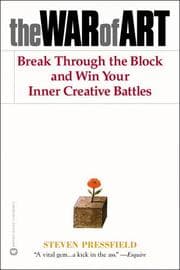
The War of Art
Steven Pressfield
A short, fierce book about the inner enemy that stops solo creators from ever shipping their best work.
Do the work daily, whether you feel like it or not.
Steven Pressfield names the procrastination, fear, and self-doubt he calls Resistance and shows how professionals beat it by showing up daily. For solopreneurs with no boss to answer to, self-discipline is the whole game, and this book builds it. It reads in an afternoon and lands like a kick.
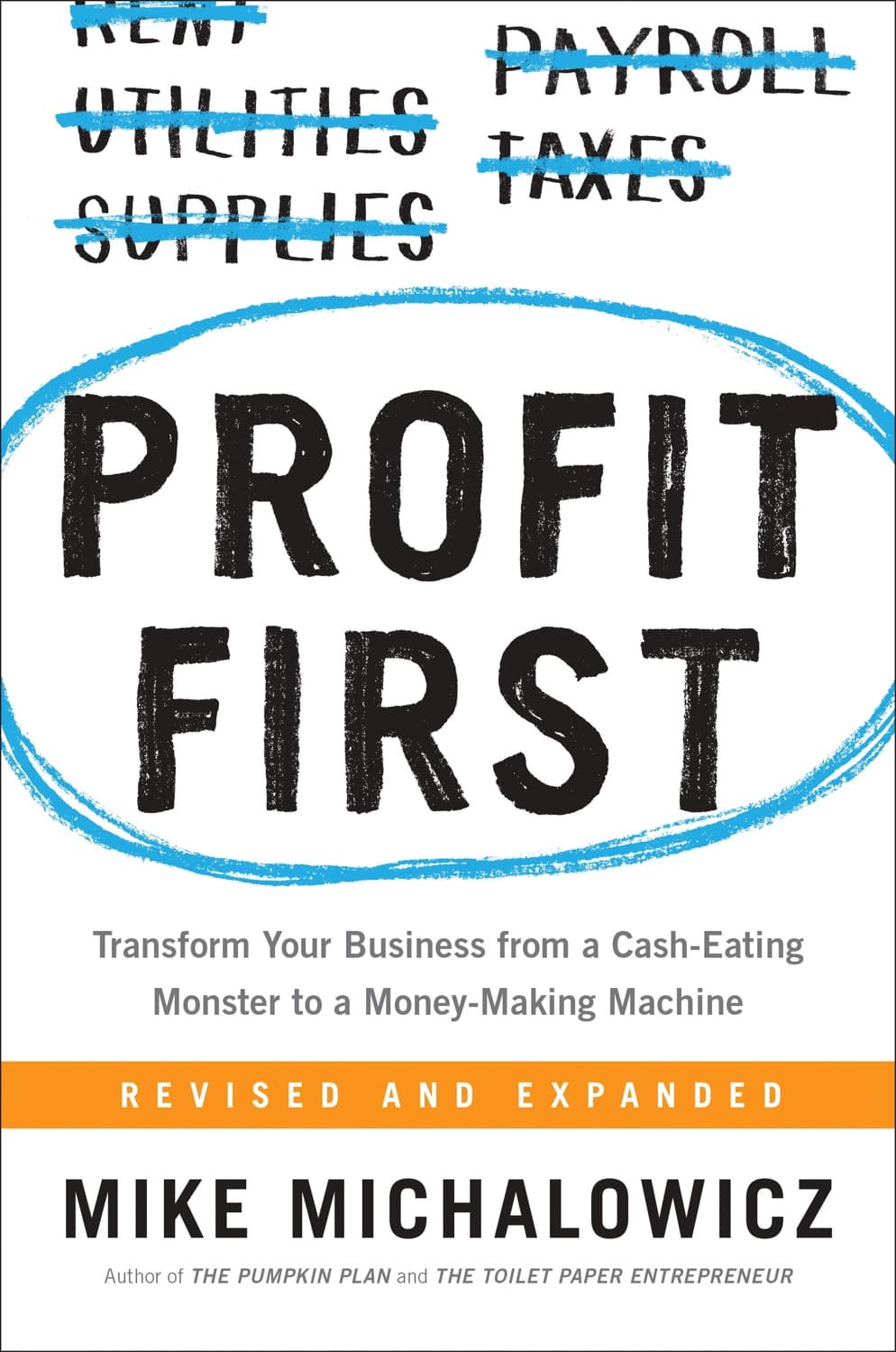
Profit First
Mike Michalowicz
A cash-flow system that guarantees your one-person business actually pays you, before the bills eat everything.
Take your profit first, spend what remains.
Mike Michalowicz flips the usual accounting formula so you take profit first and run the business on what's left, using simple separate bank accounts. It's built for owners who are great at the craft but anxious about money. The system needs no accounting background and works from day one.
The Pumpkin Plan
Mike Michalowicz
The overlooked strategy gem that says the way to grow alone is to ruthlessly focus on a single best niche.
Pick one niche and grow only that.
Mike Michalowicz uses a pumpkin-farming metaphor to teach you to identify your most profitable customers, cut the rest, and dominate one tight market. It's a perfect fit for a solopreneur who can't serve everyone and shouldn't try. This is the lesser-known counterpart to broad marketing advice.
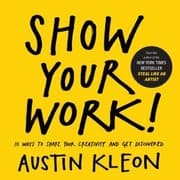
Show Your Work!
Austin Kleon
A small book that solves the solo creator's hardest problem: getting noticed without a marketing budget.
Share your process, not just finished work.
Austin Kleon argues that sharing your process and what you learn, day by day, builds an audience that eventually becomes customers. For solopreneurs who hate self-promotion, it reframes marketing as generosity rather than bragging. It's quick, illustrated, and immediately actionable.
Can we tailor this list for you?
Type your question in the bar below and the AI will tailor a fresh set of picks just for you.