Best Books for Political Journalists
Political journalism is a craft under pressure: Watergate reporting in Bernstein and Woodward, campaign-pack immediacy in Timothy Crouse, and the rules of the press in Kovach and Rosenstiel. These books show how stories get built, not just how they’re written.
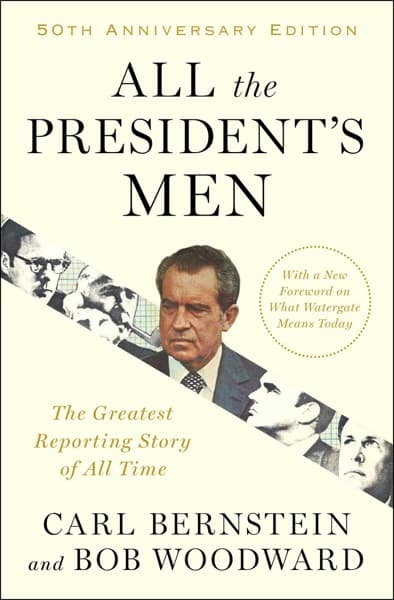
All the President's Men
Carl Bernstein, Bob Woodward
Watergate is not just a case study: it’s a method you can feel in the margins. When you finish, the phrase “just the facts” starts sounding like work.
Documents beat intuition.
As a political-journalism account, it centers verification, document trails, and the mechanics of uncovering wrongdoing. For your topic, it remains one of the clearest demonstrations of how political reporters transform information into proof.
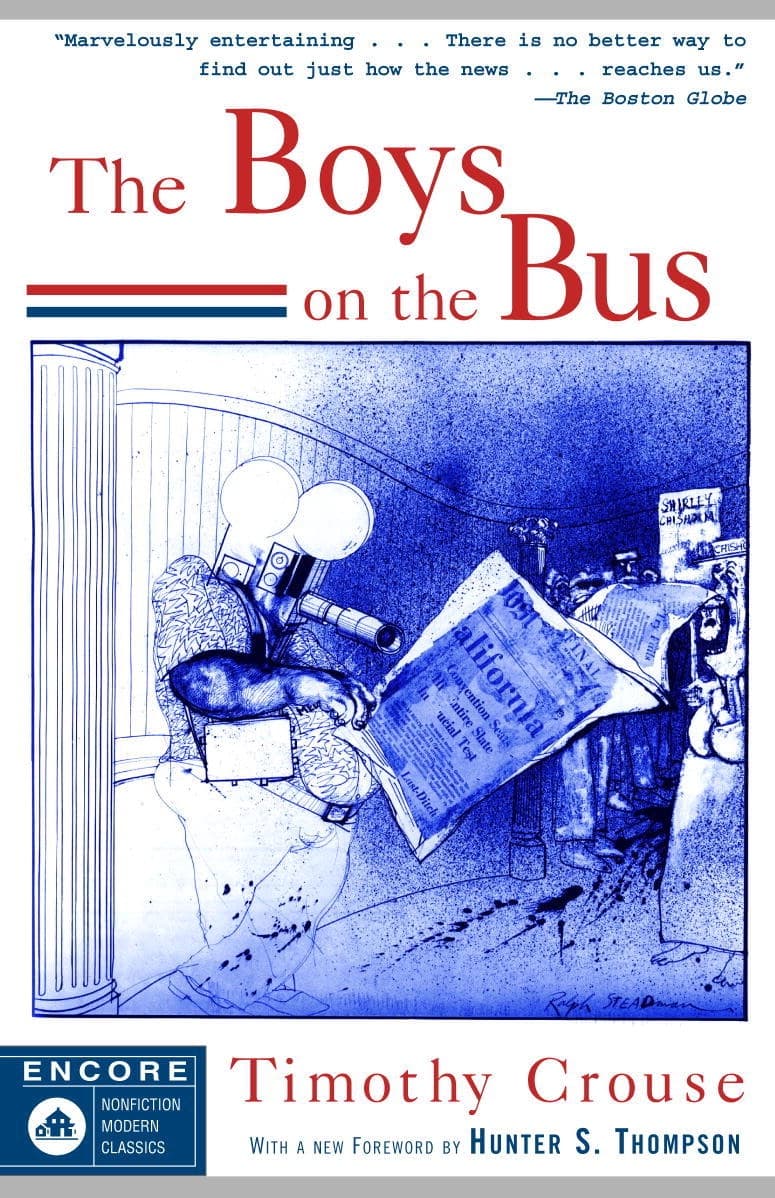
The Boys on the Bus
Timothy Crouse
Campaign coverage becomes a machine with incentives, routines, and language games. Finish it and you start hearing the press-as-system even when the candidate seems to be the story.
The campaign sets the rhythm the press must follow.
Crouse gives an insider portrait of how reporters travel, compete, and interpret events inside the campaign ecosystem. If you care about how political journalism functions in practice, you get the sociology of the press, not just the politics.
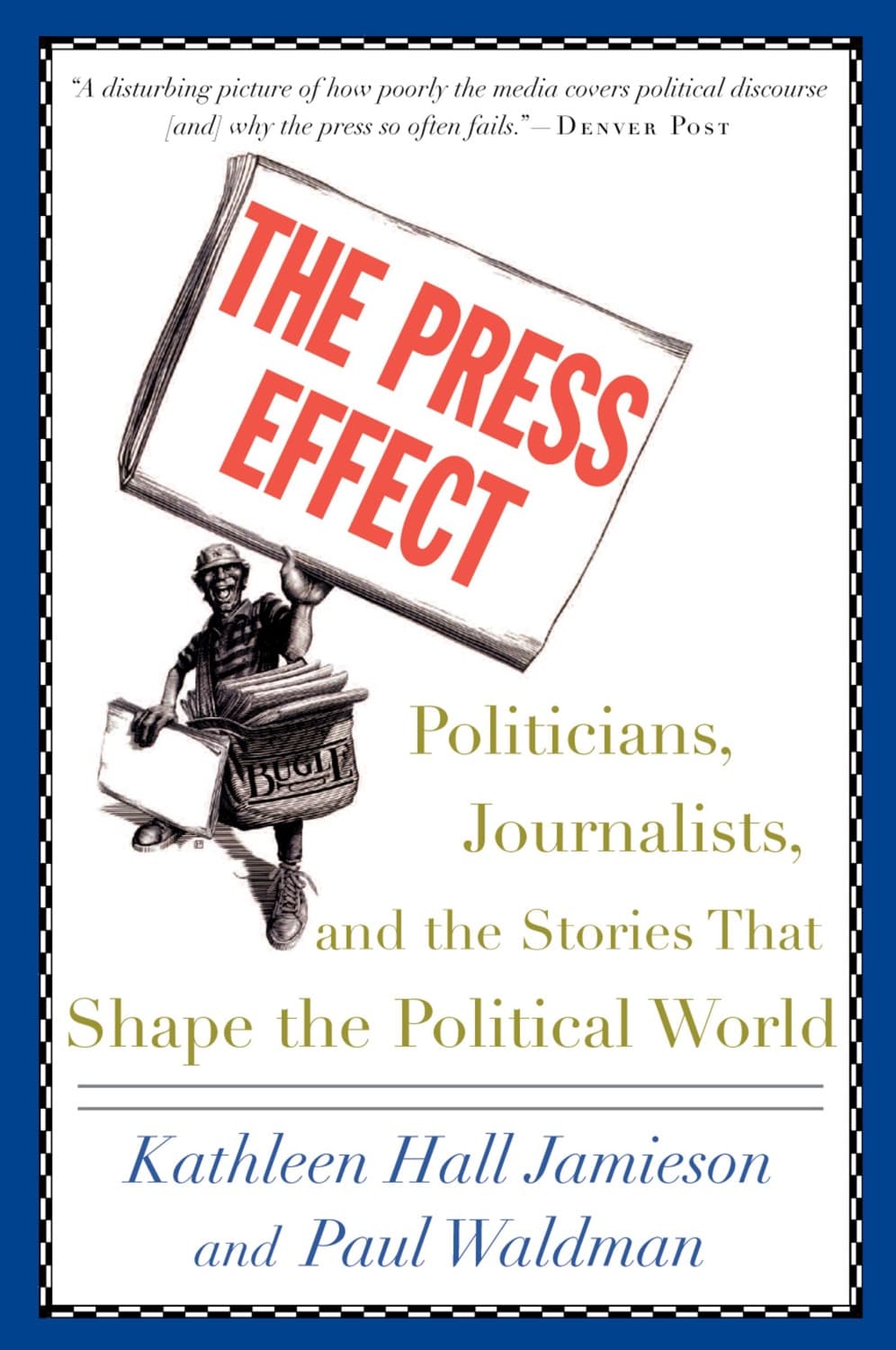
The Press Effect
Kathleen Hall Jamieson, Paul Waldman
Political journalism is shown to shape what people think they know, not only what they read. After it, you notice framing effects everywhere in “the news.”
Coverage teaches the public what’s important.
Jamieson and Waldman examine how coverage patterns influence public understanding of politics. That matters for political journalists because it clarifies the downstream impact of how stories are structured and emphasized.
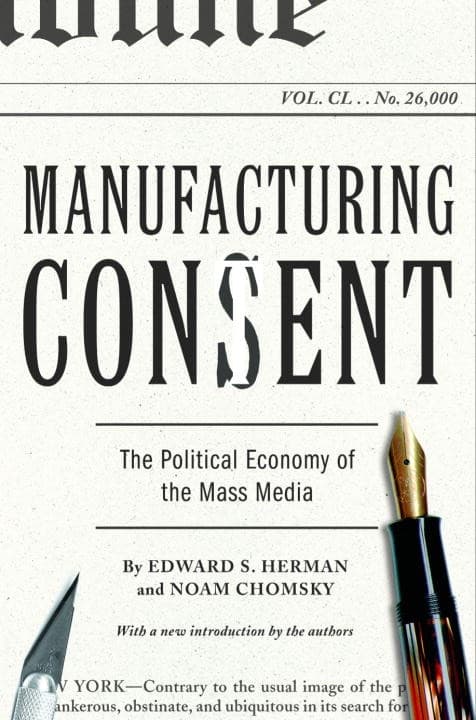
Manufacturing consent
Edward S. Herman, Noam Chomsky, Edward S. Herman, John Pruden
The media is treated like an operating system for political realities. Finish it and your default question becomes: what incentives or filters made this outcome seem inevitable?
The propaganda model replaces neutrality with filters.
This classic critique argues that news production reflects structural pressures, not neutral selection. For anyone studying political journalists, it offers a hard lens on how power can organize “what counts” as legitimate information.
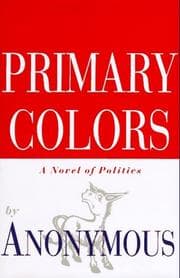
Primary Colors
Anonymous
A campaign becomes a satire of access, spin, and survival. After it, political reporting reads less like facts and more like choreography.
Spin is a strategy, not a mistake.
This novel captures the texture of press culture around a modern campaign without pretending it is a transcript. It’s useful for understanding the tone and tactics political journalists inherit while chasing a story.
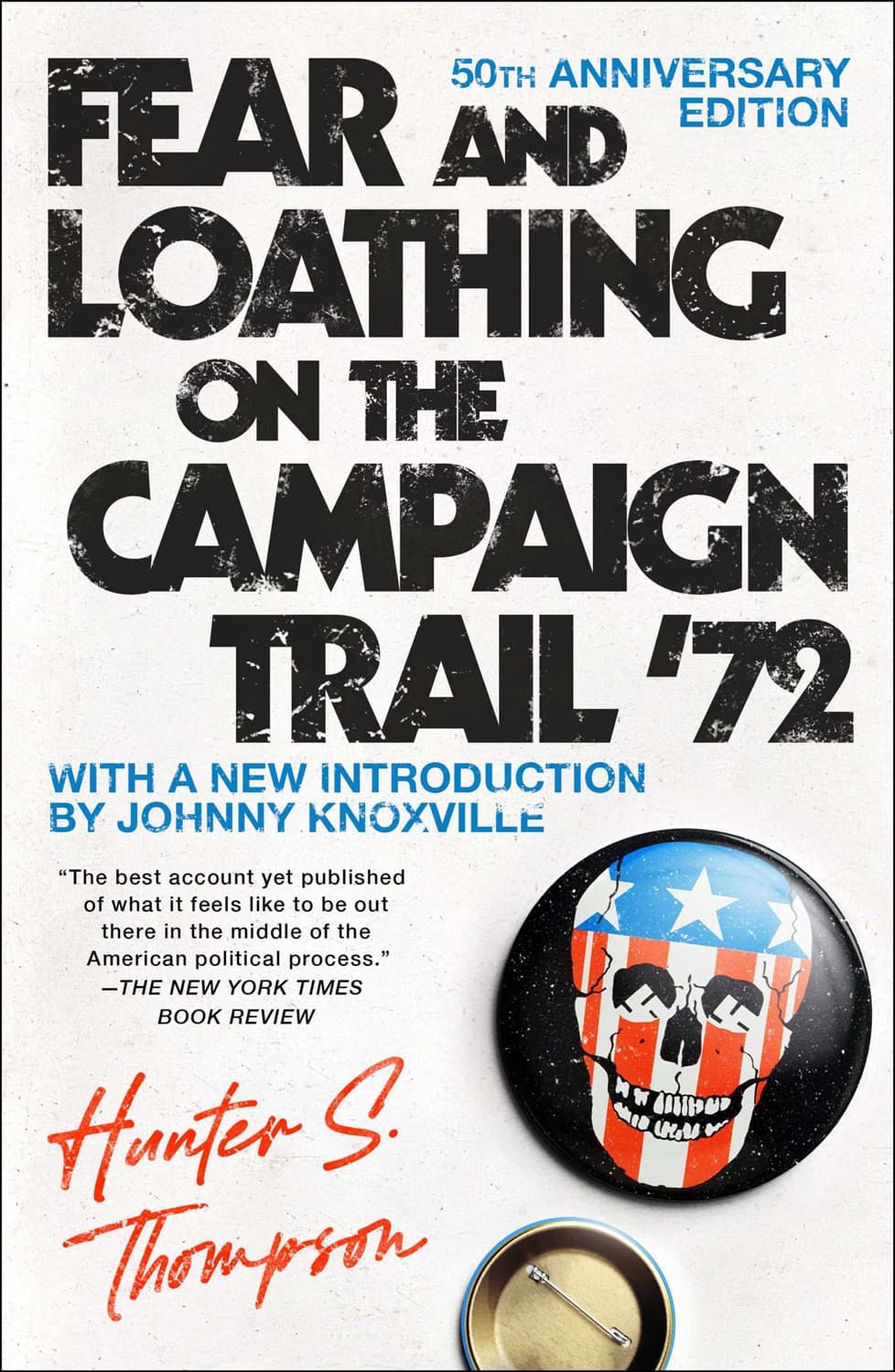
Fear and Loathing on the Campaign Trail '72
Hunter S. Thompson
The campaign trail is written like a breakdown in real time, and power keeps moving anyway. Finish it and you read political coverage for what it reveals through its own excess.
Report the hallucination of politics, not only events.
Thompson’s approach treats reporting style as part of political meaning, not a neutral wrapper. For those interested in political journalists, it offers a distinct lesson: tone can expose systems of manipulation.
The campaign sets the rhythm the press must follow.
The Powers That Be
David Halberstam
Media history here is also political history: reporters are placed inside institutions that shape what they can see. After it, the press feels like an ecosystem with constraints and routines.
Institutions determine the frame before the reporter does.
Halberstam explains how the major outlets and their cultures influence the politics they report. For studying political journalists, it connects craft to institutions, showing how “the story” emerges from power inside the newsroom.
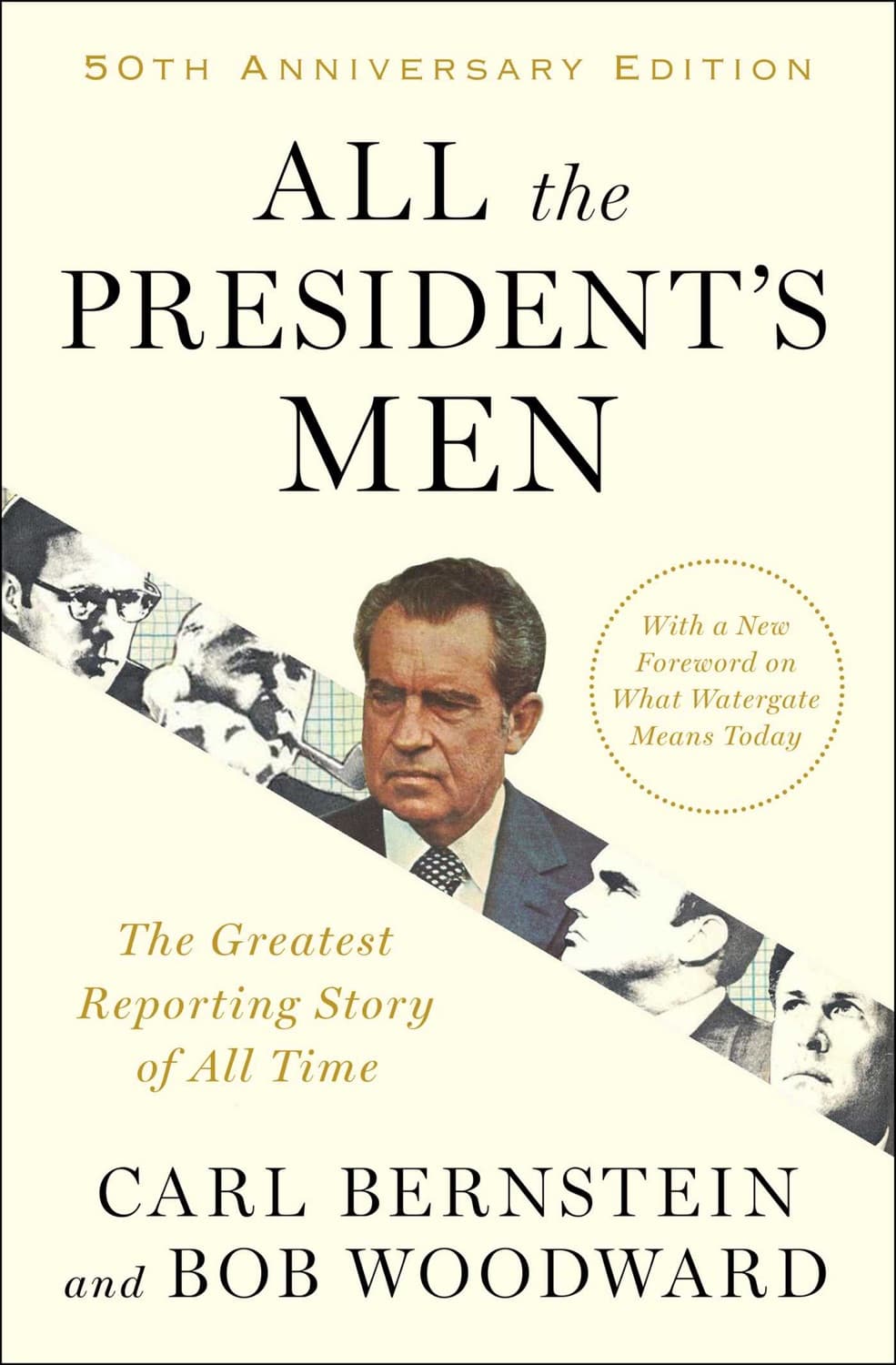
All the President's Men
Carl Bernstein, Bob Woodward
Watergate is not just a case study: it’s a method you can feel in the margins. When you finish, the phrase “just the facts” starts sounding like work.
Documents beat intuition.
As a political-journalism account, it centers verification, document trails, and the mechanics of uncovering wrongdoing. For your topic, it remains one of the clearest demonstrations of how political reporters transform information into proof.
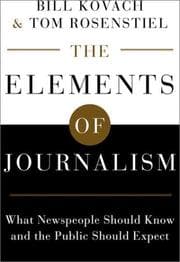
The Elements of Journalism
Bill Kovach, Tom Rosenstiel
It redefines journalistic authority as responsibility to the public, not proximity to power. After it, the key question becomes: what does the story owe its audience?
Journalism’s first obligation is to the truth.
Kovach and Rosenstiel map the core principles that guide the best political reporting decisions. For political journalists, this is a steadying framework when incentives and polarization threaten to distort the craft.
Can we tailor this list for you?
Type your question in the bar below and the AI will tailor a fresh set of picks just for you.