Novels Every Journalist Should Read
Journalism novels that teach by consequence: Graham Greene’s The Quiet American weighs innocence against power, while Janet Malcolm’s The journalist and the murderer turns reporting into moral evidence. Read them for ethics that follow you back to the desk.

The Quiet American
Graham Greene
After finishing The Quiet American, “good intentions” will feel like a source code for harm when countries, guns, and headlines collide.
Innocence can be a weapon, not a shield.
Greene places reporting ethics inside a love story of politics and distance, forcing you to notice what gets simplified to make a narrative workable. For journalists, that mismatch between lived complexity and the story you want is the lesson.
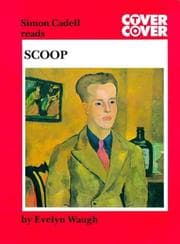
Scoop
Evelyn Waugh
Scoop makes the press corps look like a machine for manufacturing certainty while everyone waits for the war to fit the story.
News is often theater with deadlines.
Waugh’s satire doesn’t just mock writers; it shows how “coverage” becomes a performance governed by vanity, access, and newsroom habits. That matters if you want to recognize your own incentives before they start driving the headline.
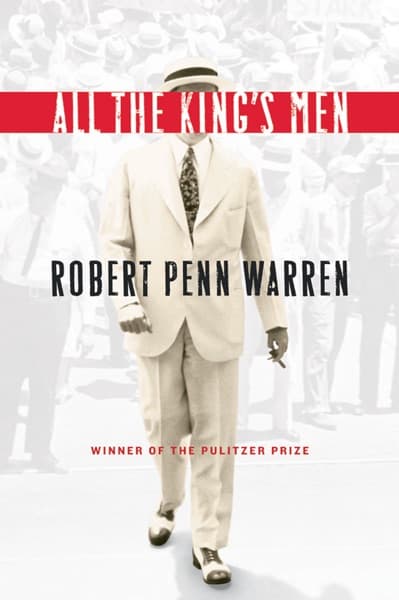
All the King's Men
Robert Penn Warren
All the King's Men ends with the uneasy thought that even the reporter who wants truth can become an engine for power.
Narration can be collaboration.
The novel builds a slow moral trap: ambition, loyalty, and narrative framing tangle until complicity feels almost inevitable. For journalists, it is a stern rehearsal of how access and ideals can blur into participation.
The year of living dangerously
Christopher J. Koch
After The year of living dangerously, coups stop feeling like background and start looking like a test of character under pressure.
Witnessing is also choosing.
Koch centers the journalist as a moral observer who cannot stay outside the consequences of what he reports. It sharpens your sense of how foreign assignment can turn neutrality into a disguise.
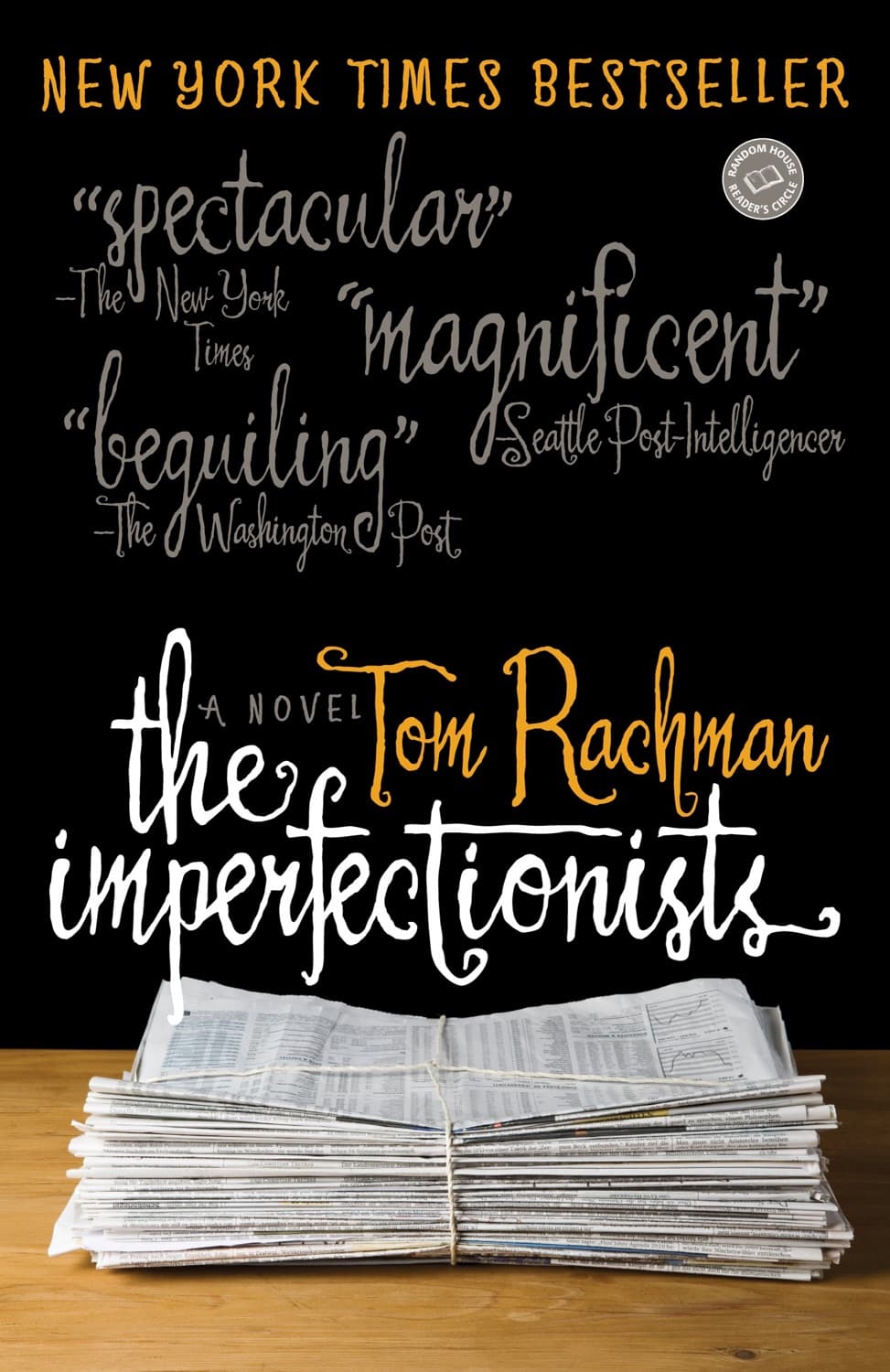
The Imperfectionists
Tom Rachman
The Imperfectionists reframes “the paper” as a fragile international ecosystem where small compromises compound into institutional decline.
Workflow becomes ethics by another name.
Rachman gives you the newsroom from the inside, where culture clashes, career pressures, and editorial drift shape what counts as news. It helps journalists see how structure and staffing can corrode standards over time.
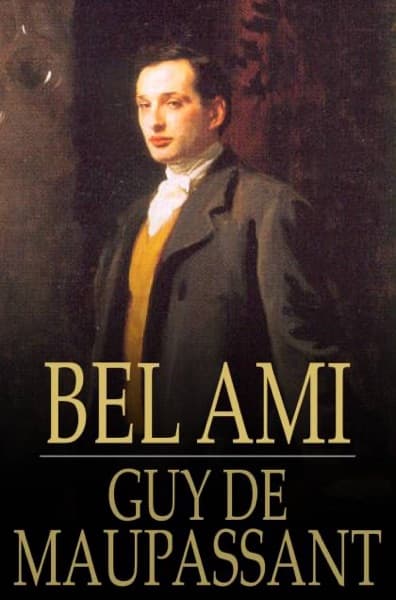
Bel Ami
Guy de Maupassant
Bel Ami turns a byline into a career strategy, and suddenly every relationship starts looking like potential copy.
Ambition thrives on other people’s stories.
Maupassant traces how influence is manufactured through media, rumor, and opportunism, treating journalism as a ladder with movable rungs. For journalists, it is a warning about how easily attention-seeking can masquerade as public service.
News is often theater with deadlines.
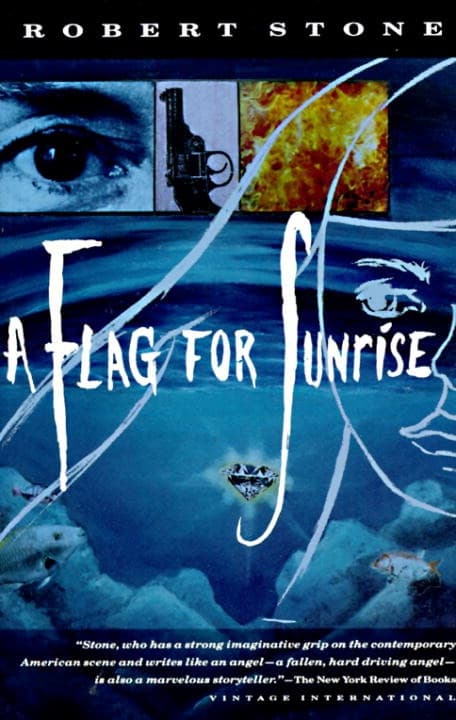
A flag for sunrise
Robert Stone
A flag for sunrise makes reporting feel like walking beside a live wire: fascinating, necessary, and capable of killing your moral compass.
Danger escalates with access.
Stone entwines reporters, revolution, and storytelling risks until neutrality feels both impossible and fraudulent. It strengthens your ability to name the pressures that distort what you think you are documenting.
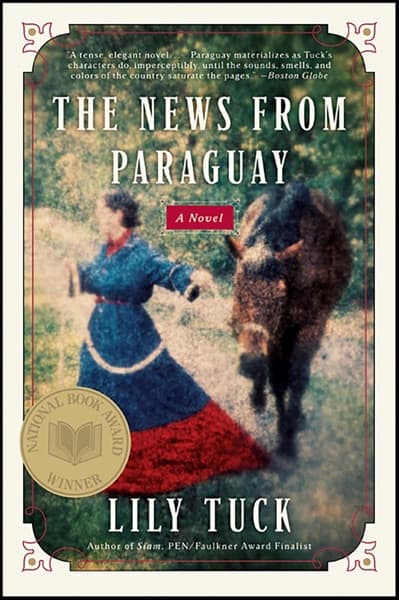
The news from Paraguay
Lily Tuck
The news from Paraguay leaves you less certain that “what happened” is ever separable from who retells it.
The messenger changes the message.
Tuck’s novel highlights mediation, archives, and the distance between record and narration, which are core problems for journalists. It helps you interrogate sources, filters, and the quiet authorship inside “just reporting.”
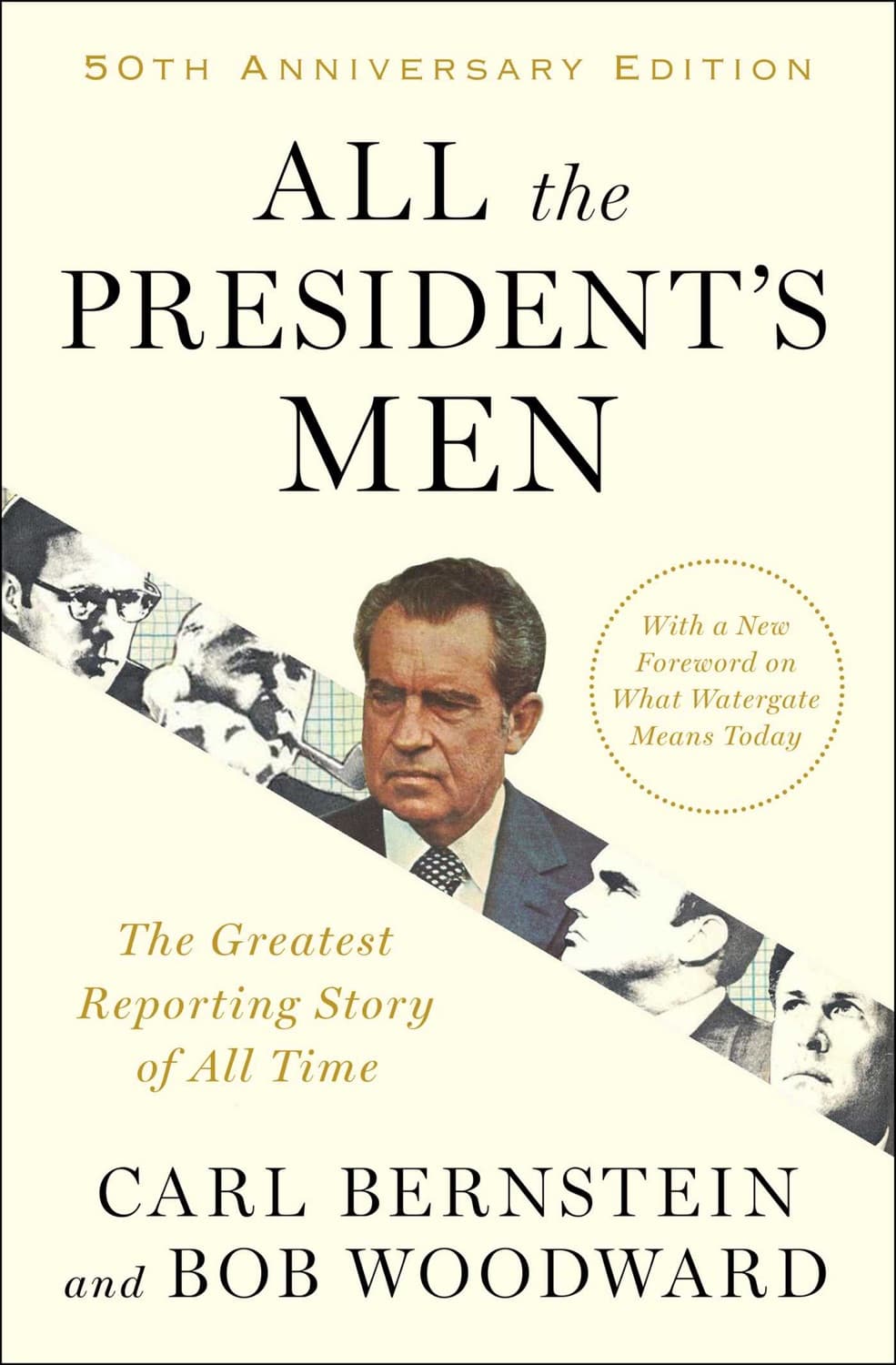
All the President's Men
Carl Bernstein, Bob Woodward
All the President's Men turns investigation into a discipline: skepticism as method, not temperament.
Verify first; motive comes later.
Even as a narrative, it models reporting practices that shaped modern investigative standards: verification, persistence, and documenting claims. For a journalist, it is a grounding reference for how evidence is assembled and defended.
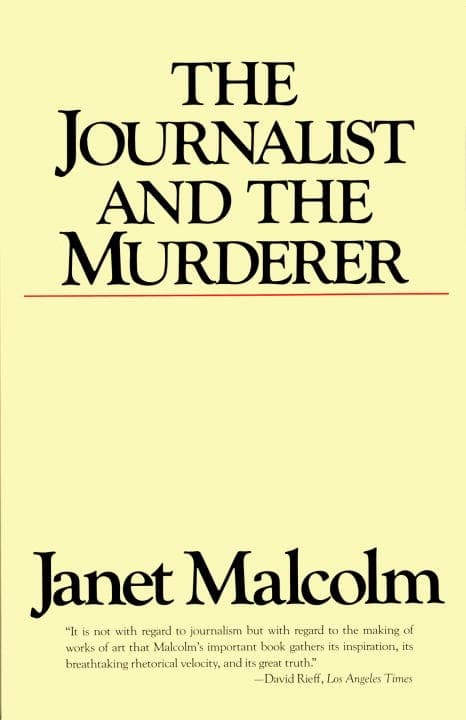
The journalist and the murderer
Janet Malcolm
The journalist and the murderer will make you distrust a “clean” story, because trust is always part of the reporting transaction.
Reporting invents relationships and their stakes.
Malcolm interrogates the ethics of interviews and the power dynamics between reporter and subject, treating method as a moral choice. It matters for journalists because it shows how betrayal can be structural, not personal.
Can we tailor this list for you?
Type your question in the bar below and the AI will tailor a fresh set of picks just for you.